
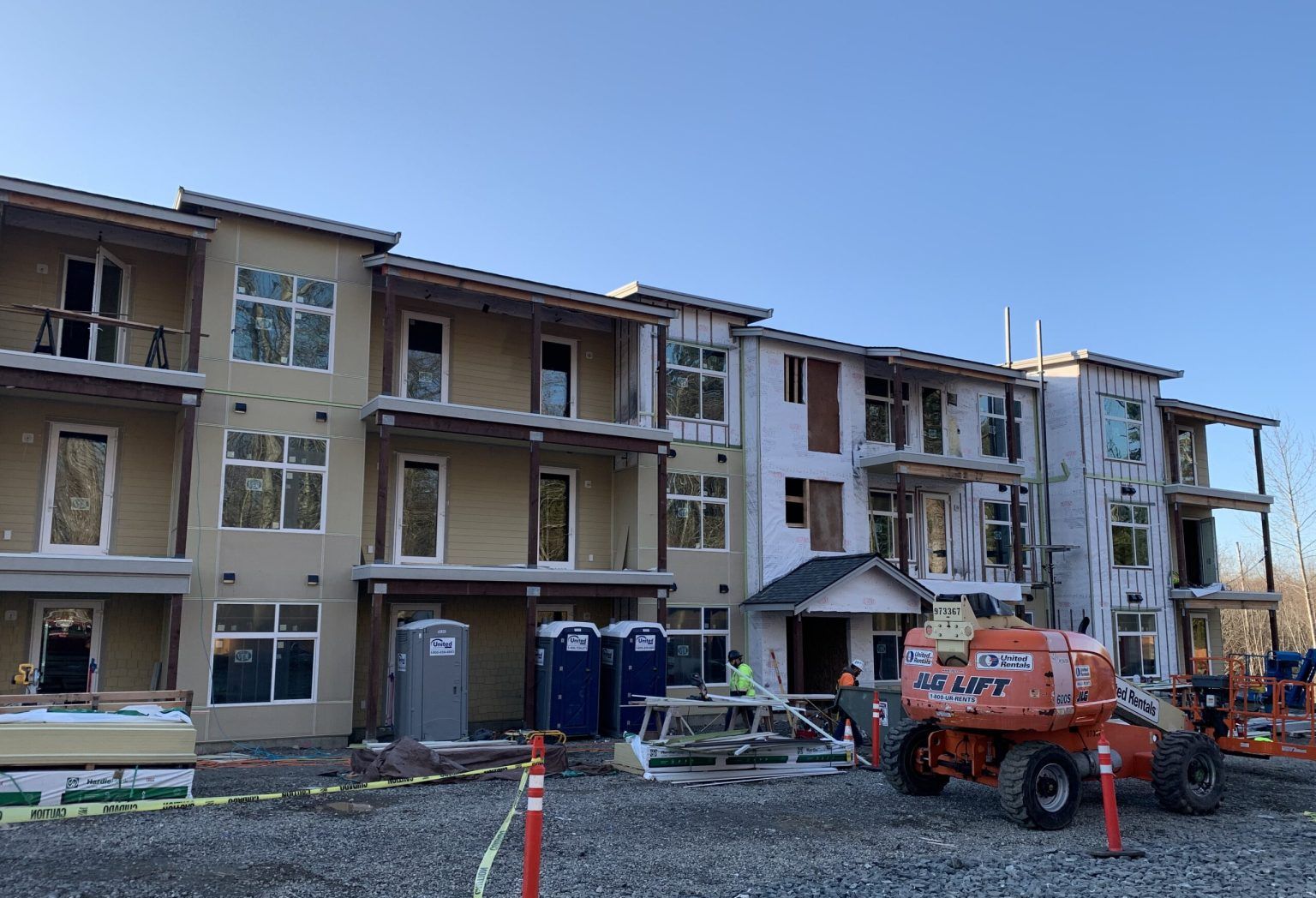
Hudson sits on the Gulf side of Pasco County, close enough to Hudson Beach and the Anclote coastline that salt-laden air, humidity, and hurricane-season winds all take a toll on exterior siding faster than they would further inland. This checklist walks you through a homeowner-level inspection you can do from the ground with a ladder, a garden hose, and a notepad — no special tools required. It won't catch everything a licensed contractor would, but it will tell you where to look closer and when it's time to call one.
West Pasco County homes face a specific combination of stresses that inland Florida and out-of-state homes don't. Coastal proximity means salt air can corrode exposed metal fasteners, hinges, and flashing well before the siding itself shows its age — a slow process that's easy to miss until a fastener head crumbles or a streak of rust bleeds down a panel. Add in Tampa Bay's long, humid summers and siding here is under near-constant pressure from moisture; any gap, crack, or failed seal becomes an entry point for water that can sit against wall sheathing for months rather than drying out quickly the way it might in a drier climate.
Hurricane season, roughly June through November, brings wind-driven rain that gets pushed sideways and upward under laps and around trim in ways vertical rain never does. Even homes that are miles from the coast see this during a tropical storm or hurricane passage. Siding, trim, and the flashing details around windows and doors are engineered and installed to a wind-load standard under the Florida Building Code, and products used on Pasco County homes should carry a valid Florida Product Approval number — but code compliance at installation doesn't mean maintenance stops mattering. Fasteners back out, sealant ages and cracks, and panels that were installed correctly a decade ago can loosen after repeated storm cycles.
Florida's climate also supports termite activity nearly year-round, and subterranean termites in particular can travel up through foundation gaps and behind siding without ever being visible from the yard. Intense UV exposure adds a third pressure: it breaks down caulking, fades and chalks vinyl and fiber cement finishes, and dries out wood trim faster than in northern climates. None of these conditions are dramatic on their own, but together they're why an annual walk-around, plus a check after any significant storm, catches small problems while they're still cheap to fix.
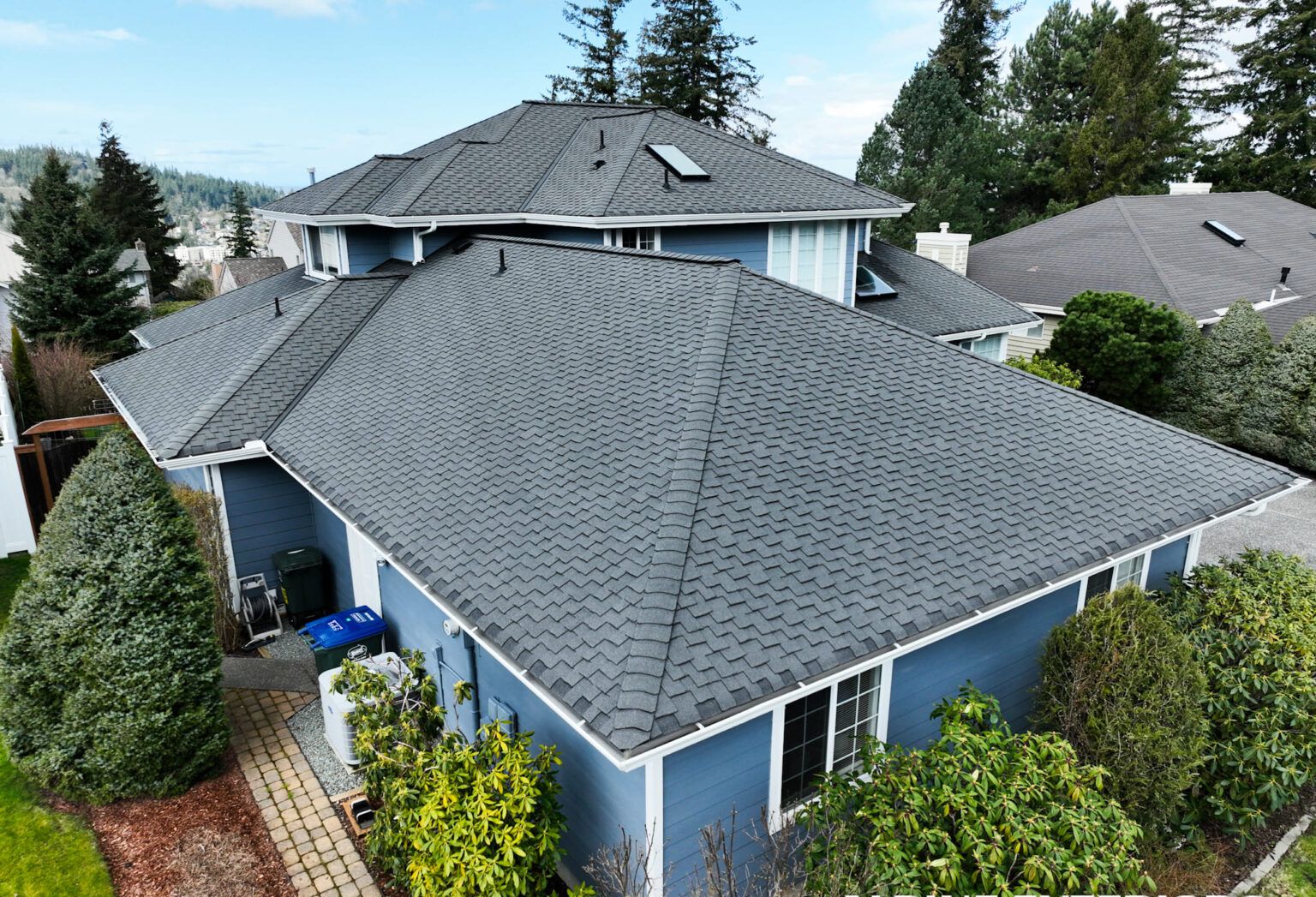
Not every failed item is an emergency. Minor chalking or fading is cosmetic and can often wait for a scheduled cleaning or repaint. Cracked caulk, small gaps at trim, or a single loose fastener are usually inexpensive spot repairs if addressed promptly — the risk is in letting them sit through another rainy season. Take photos and note the location and date for anything you find; this record is useful whether you're tracking a repair yourself or discussing it with a contractor later.
Treat anything involving suspected water intrusion, soft or spongy panels, mud tubes, or interior staining as higher priority. These conditions tend to worsen quietly behind the wall, and Florida's humidity means damage that starts small doesn't stay small for long. If you find a soft spot, resist the urge to simply caulk over it — sealing in trapped moisture without addressing the source usually makes things worse. Turn off any obvious water source nearby (sprinkler heads aimed at the wall, a leaking gutter) while you arrange for a closer look.
After a named storm or any period of sustained high winds, a full walk-around within the next few days is worth the time even if nothing looks obviously wrong. Wind-driven rain can force water past seams that held up fine in normal weather, and catching a new gap or lifted panel early is far cheaper than dealing with rotted sheathing months later.
Some findings are reasonable for a homeowner to monitor or handle with a simple patch; others call for a licensed contractor. Bring in a professional if you find widespread panel damage after a storm, soft or delaminating sheathing behind the siding, active termite tubes or damaged wood, or interior water stains that keep reappearing after repairs. A contractor can also confirm whether siding and flashing details still meet current Florida Building Code wind-load requirements, which matters if you're doing a larger repair, a partial re-side, or trying to document upgrades for an insurance wind mitigation inspection using the state's Uniform Mitigation Verification Inspection Form (OIR-B1-1802).
Alpine Exteriors performs siding inspections and repairs across the greater Tampa Bay area, including Hudson and the rest of Pasco County — Wesley Chapel, Lutz, Land O' Lakes, New Port Richey, Plant City, and Zephyrhills. Because siding problems in this climate are often connected to what's happening behind the panel — flashing, sheathing, soffit ventilation — a professional inspection typically checks more than the surface issue that prompted the call.
A full walk-around once a year is a reasonable baseline, ideally in late spring before hurricane season ramps up. Add a follow-up check after any tropical storm, hurricane, or period of sustained high wind, since wind-driven rain can create new gaps or loosen panels that looked fine before the storm.
Yes. Siding products installed in Florida are generally required to carry a Florida Product Approval covering wind-load performance, and repairs or replacements typically need to meet the current Florida Building Code requirements for the area rather than whatever standard applied when the home was originally built. A licensed contractor can confirm what applies to your specific project and pull any required permit.
It can, at least for a while. Subterranean termites often travel through mud tubes along the foundation or up through gaps where siding meets the ground, and the wood behind the panel can be compromised before any staining or softness shows up on the visible surface. That's why checking the base of the wall for mud tubes and keeping siding clear of soil and mulch contact is part of a thorough inspection, not an optional extra.
Siding condition itself isn't usually the main factor on a wind mitigation form — that inspection focuses more on roof shape, roof-to-wall connections, and opening protection. That said, keeping siding, trim, and flashing in good repair reduces the chance of storm damage claims, and if you're doing larger exterior work anyway, it's worth asking your contractor whether any of it should be documented for insurance purposes.
A homeowner walk-around catches a lot, but some issues — hidden moisture behind sheathing, fastener corrosion under the surface, or flashing details that no longer meet current code — need a trained eye and the right tools to confirm. Alpine Exteriors, Florida contractor license RB29003900, offers siding inspections for homeowners in Hudson and throughout Pasco County and the greater Tampa Bay area. If any item on this checklist raised a question you can't answer from the ground, reach out and we'll take a closer look before small problems turn into expensive ones.