

Most Florida homeowners policies cover siding damage when it results from a sudden, specific event named in the policy — wind, wind-driven rain that follows a wind-created opening, hail, falling debris, or a fire. What most policies do not cover is siding that fails from ordinary aging: sun-baked and brittle panels, boards that have quietly rotted from years of humidity, or seams that opened up over time and let moisture work behind the cladding. The honest answer is "it depends on what actually broke the siding and what your specific policy says," not a blanket yes or no. Anyone telling you otherwise, including a contractor, is guessing without having read your policy. That distinction between sudden damage and gradual deterioration is the single most important idea in this entire topic, and it shapes almost every decision that follows.
Homeowners policies are built around the idea of a "covered peril" — a specific, identifiable cause of loss that is either named in the policy or excluded from it. Wind is almost always a named peril in Florida policies, because it has to be; this is a hurricane-exposed coastal state and insurers price and underwrite around that reality. Where things get complicated is the exclusions and conditions attached to that coverage. Many policies distinguish between direct wind damage, meaning a gust that physically tears siding off the wall, and consequential water damage that enters through an opening the wind created. Some policies also carry separate, higher wind or hurricane deductibles that apply once a named storm is declared, and that deductible can be a percentage of the dwelling's insured value rather than a flat dollar figure, which surprises a lot of homeowners the first time they file. Long-term deterioration, wear and tear, and gradual moisture intrusion are almost universally excluded, because insurance is designed to cover sudden loss, not ongoing maintenance. Reading the declarations page and the exclusions section of your own policy — not a summary, not what an agent told you five years ago — is the only way to know where your coverage actually starts and stops. Policy language also changes at renewal, so a policy you had two hurricane seasons ago may not read the same today.
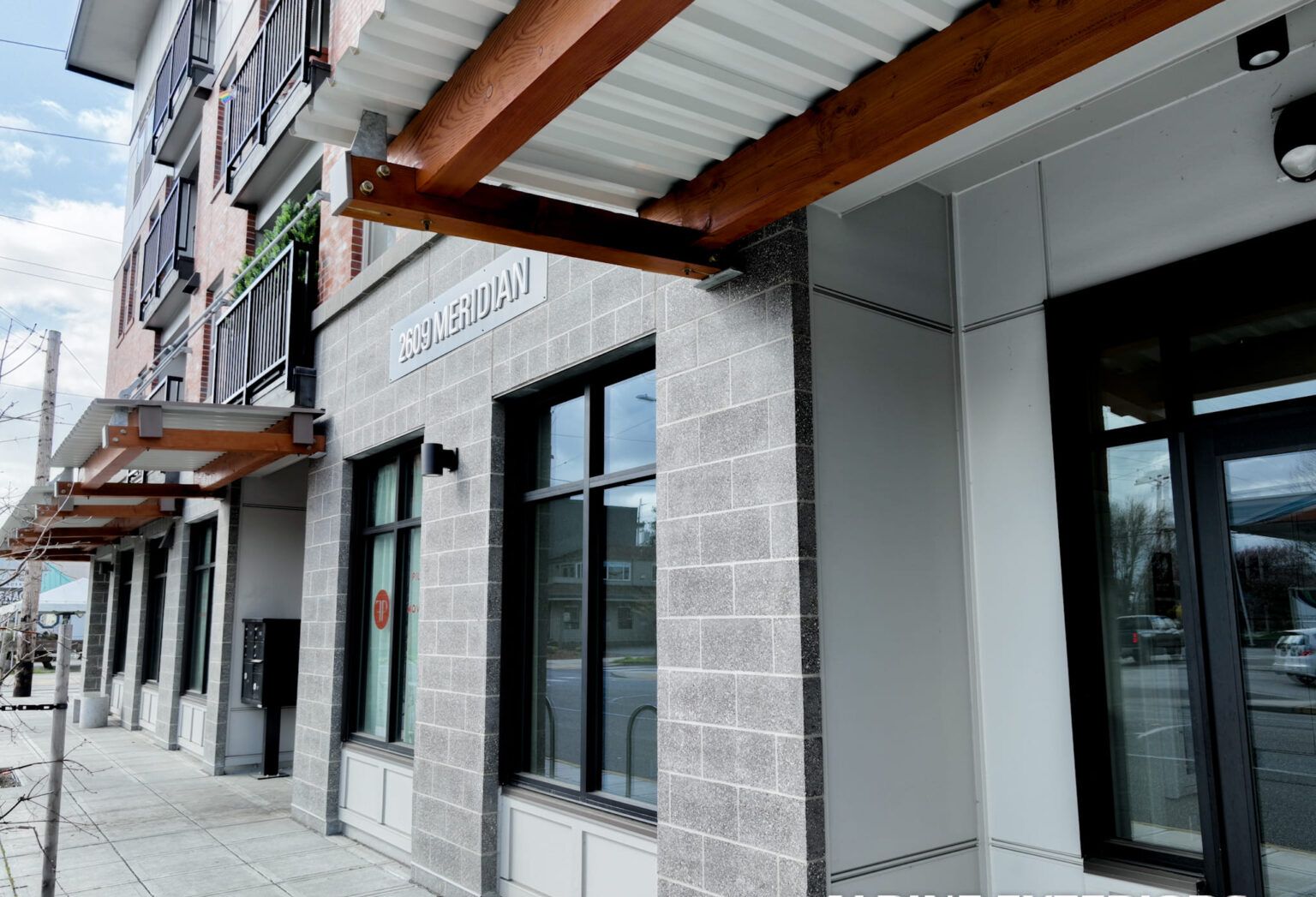
Tampa Bay sits in a wind-borne debris region under the Florida Building Code, which means the siding, underlayment, and fastening pattern on a code-built home were engineered and installed to a specific wind-load rating tied to Florida Product Approval. That matters for a claim in two distinct ways. First, if your siding was installed to code and still failed in a storm that exceeded its rated wind speed, that failure supports a straightforward wind-damage claim, because the product performed as expected up to its design limit and then exceeded it. Second, if an adjuster can show the siding was already failing, loose, or improperly fastened before the storm, that gap between how it should have performed and how it was actually installed can turn into a coverage argument. Homes in this area also often carry an OIR-B1-1802 wind mitigation inspection report on file with their insurer, which documents roof-to-wall connections, opening protection, and other storm-resistance features of the structure; while that form is mainly used to calculate premium credits, it can also become part of the record an adjuster references when assessing how a home should have performed in a given wind event. None of this guarantees an outcome either way — it simply means that documentation of a proper, code-compliant original installation strengthens a homeowner's position when the damage is real and storm-related.
Timing and documentation drive most claim outcomes more than anything else, often more than the actual severity of the damage. After any storm event, walk the exterior and photograph the siding from multiple angles and distances, including wide shots that show the whole wall and close-ups of any cracked, lifted, punctured, or missing panels. Note the date and, if you know it, the approximate time of the storm that caused the damage, since that timestamp matters if a claim is questioned later. Photograph any interior staining, bubbling paint, or moisture that shows up on walls near the affected siding, since wind-driven rain intrusion is often what actually causes the bulk of the damage rather than the visible exterior cracking alone. Keep any storm debris that struck the house if it's reasonably safe to retrieve and store it. Call your insurer to open a claim before making anything beyond emergency repairs — tarping an active leak or covering an open gap to prevent further water intrusion is usually expected and sometimes required under a policy's "duty to mitigate" language, but replacing siding outright before an adjuster has seen it can complicate or jeopardize the claim. A contractor experienced with storm-related claims, such as Alpine Exteriors, can also document damage in writing and photographs at the time of inspection, which gives you an independent record alongside whatever the insurance company's own adjuster produces.
Many policies do cover water damage that enters through an opening created by wind, but whether that applies to your situation depends heavily on the specific policy's wording and any water-damage exclusions or sub-limits it carries — there's no universal rule here, so the actual language in your policy is what controls the outcome.
Gradual mold or moisture damage tied to ongoing humidity exposure is generally treated as a maintenance issue rather than a sudden covered event, though mold that results directly from a covered water-intrusion event, such as a storm-created opening, is sometimes handled differently by a given policy — this is another area where the specific wording matters more than any general rule.
A wind mitigation report isn't required to file a claim, but if you already have a current OIR-B1-1802 form on record with your insurer, it can provide useful context about your home's construction and storm-resistance features during the adjuster's review of what happened.
Either order can work, but many homeowners find it helpful to have a contractor like Alpine Exteriors document the damage close to when it happened, since that independent record can support your claim regardless of whether it's gathered just before or just after you notify your insurer.
If your siding was damaged in a storm anywhere from Tampa and Wesley Chapel down through Lutz, Land O' Lakes, New Port Richey, Plant City, or Zephyrhills, getting an independent, documented inspection early gives you a clearer picture of what actually happened and why, before an insurance conversation gets underway. Alpine Exteriors, Florida license RB29003900, inspects storm-affected siding across the greater Tampa Bay area, documents what we find in writing and in photographs, and gives you a straightforward read on what looks like genuine storm damage versus what looks like ordinary age or deferred maintenance. We can't tell you what your policy will pay, and we won't pretend to speak for your insurance company, but we can make sure you're walking into that conversation with real documentation instead of guesswork. Call Alpine Exteriors to schedule an inspection before repairs begin.