

For most Tampa Bay homes, engineered wood siding is worth it, but only if you buy a product carrying current Florida Product Approval and have it installed to the manufacturer's Florida-specific instructions. Skip it if you want a true set-and-forget exterior or your lot sits in constant salt spray right off the water, since those two situations favor fiber cement or vinyl instead.
Engineered wood siding is not the same material as the solid-wood lap siding that rotted, cupped, and delaminated on Florida homes in the 1990s. Modern engineered wood, sold under names like LP SmartSide and similar strand-based systems, starts as wood strands or fiber bonded with resin under heat and pressure, then treated with zinc borate to resist termites and fungal decay before being factory-primed or overlaid with a resin-saturated skin. That construction gives it more dimensional stability than solid lumber and a lighter weight than fiber cement, and it holds paint and caulk better than vinyl, which can only be painted in limited colors without voiding its warranty.
The trade-off is that engineered wood is still a wood-based product. It needs paint film integrity to keep water out of the substrate, it needs end cuts sealed at every joint, and it needs the manufacturer's clearance from grade, decks, and roof lines respected during installation. Get those details wrong and the siding will fail years before its rated service life, regardless of how good the product itself is. Get them right and it performs well in a warm, wet climate, which is exactly why manufacturers keep improving the resin and coating packages for the southeastern market.
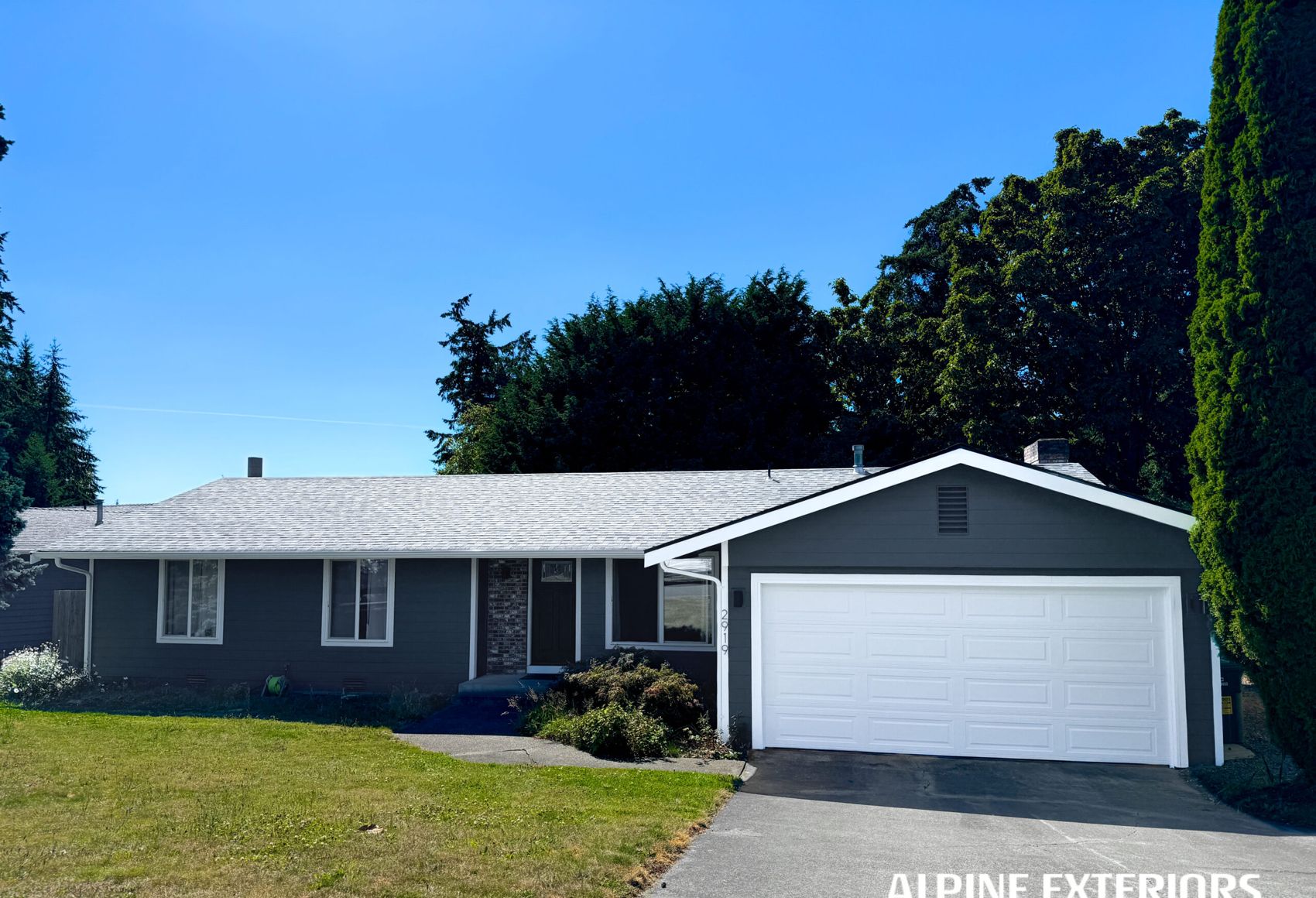
A handful of regional conditions decide whether engineered wood siding is a smart choice on a given house, and they're worth naming specifically rather than treating the whole state as one climate.
Hurricane wind loads and wind-driven rain. Hillsborough, Pasco, and the surrounding counties fall under Florida Building Code wind speed requirements that are meaningfully higher than most of the country, and siding sold here has to carry Florida Product Approval documentation showing it was tested for the wind pressures and water infiltration standards the code requires. Wind-driven rain during tropical storms and hurricanes doesn't just fall straight down, it drives sideways into laps and seams, so the flashing details around windows, doors, and penetrations matter as much as the siding material itself. A well-rated product installed with shortcut flashing will still leak.
Extreme humidity and mold pressure. Tampa Bay's year-round humidity keeps exterior surfaces damp longer than in drier climates, which encourages mildew and algae growth on painted surfaces of every type. Engineered wood siding needs a paint system rated for high-humidity exposure and periodic gentle washing to keep organic growth from taking hold on the film, or the surface will look dirty and green well before the coating itself has actually failed.
Intense UV exposure. Florida's sun degrades caulk and paint film faster than it does in northern states, so the recoat interval that a manufacturer quotes for a national average climate often needs to be shortened here. Caulk joints in particular chalk and crack sooner under this UV load, and once a joint opens, water intrusion behind the siding follows.
Subterranean termites. Florida has some of the heaviest termite pressure in the country, and the zinc borate treatment built into most engineered wood siding is a real advantage over untreated solid wood. That said, the treatment protects the siding panel itself, not the framing behind it, so proper grade clearance and separation from soil and mulch beds still matter to keep termites from finding a path into the wall assembly some other way.
Salt air, for the homes near the water. This one is location-specific rather than region-wide. A home in New Port Richey or another spot close to the Gulf or the bay shoreline deals with airborne salt that accelerates corrosion of fasteners and metal flashing and can shorten a paint film's life. Homes further inland in Wesley Chapel, Lutz, Land O' Lakes, Plant City, and Zephyrhills don't carry that same salt exposure, which is one reason the right siding choice can differ from one Tampa Bay suburb to the next even though the storm and humidity conditions are shared across all of them.
Start by asking for the product's current Florida Product Approval number, not just a general claim that it's hurricane rated. That approval documentation ties the specific panel, fastening pattern, and exposure rating together, and it's what a permitting office will check. Alpine Exteriors pulls this documentation and matches the product spec to the wind exposure category of the actual site before recommending anything, because a rating that's valid for one exposure category isn't automatically valid for a more exposed lot nearby.
Next, confirm the installer is following the manufacturer's Florida-specific instructions on fastener type and spacing, minimum clearance from grade and roofing, and sealing of cut ends, since these are the details that separate a siding job that lasts from one that fails early regardless of the material. Ask what paint system will be used and how often it should be recoated in this climate; a realistic answer is measured in years, not decades, and any contractor promising zero maintenance on a wood-based product isn't being straight with you.
If the home is within a mile or two of open water, have a candid conversation about whether engineered wood, fiber cement, or a coastal-rated vinyl makes more sense for that specific lot, and don't assume the answer that fit a neighbor's house inland applies to a waterfront property. After installation, it's also worth having the home's wind mitigation features documented on the OIR-B1-1802 form, since insurers use that inspection to credit qualifying construction features and it can affect windstorm premiums.
Finally, budget the ongoing cost of ownership, not just the install price. Engineered wood siding generally installs for less than fiber cement per square foot and holds up better than vinyl in wind events, but it carries a repaint cycle that fiber cement can sometimes stretch longer and that vinyl mostly avoids. Cost ranges vary widely by house size, trim complexity, and how much of the existing wall assembly needs repair before siding goes on, so a firm number only comes from an on-site look rather than a per-square-foot rule of thumb.
It can, as long as the paint system is rated for high-humidity climates and the wall assembly behind it allows moisture to escape rather than get trapped. Humidity itself doesn't damage the panel the way standing water does; the risk comes from poor flashing, clogged gutters, or landscaping that keeps a section of wall wet for extended periods, which is true of nearly any siding material in this climate.
A product carrying current Florida Product Approval for the local wind exposure category, installed with the correct fastening schedule and flashing details, is built to handle the wind pressures and wind-driven rain the Florida Building Code accounts for in this region. The approval covers the material and installation method; it doesn't override poor workmanship, which is why installation quality matters as much as the product choice.
Most engineered wood siding sold today is treated with zinc borate specifically to resist termites and fungal decay, which is a real improvement over untreated solid wood lap siding. That treatment protects the siding panel itself, but it doesn't substitute for keeping mulch, soil, and dense plantings away from the wall, since those conditions can still give termites a path to untreated framing elsewhere on the house.
Engineered wood siding typically installs for less than fiber cement and holds up to wind and impact better than vinyl, but exact numbers depend heavily on the size of the house, the amount of trim detail, and whether any existing sheathing or framing needs repair before new siding goes on. Rather than quoting a per-square-foot figure that won't reflect your actual house, Alpine Exteriors provides a written estimate after an on-site look at the specific project.
Every Tampa Bay home carries a different mix of wind exposure, moisture exposure, and sun exposure, and the right siding call depends on all three together, not on a generic recommendation. Alpine Exteriors, Florida contractor license RB29003900, serves Tampa, Wesley Chapel, Lutz, Land O' Lakes, New Port Richey, Plant City, and Zephyrhills, and can walk your specific property, check the product approval documentation against your wind exposure category, and give you an honest read on whether engineered wood siding is the right fit or whether a different material would serve the house better. Reach out for an on-site evaluation before deciding.