
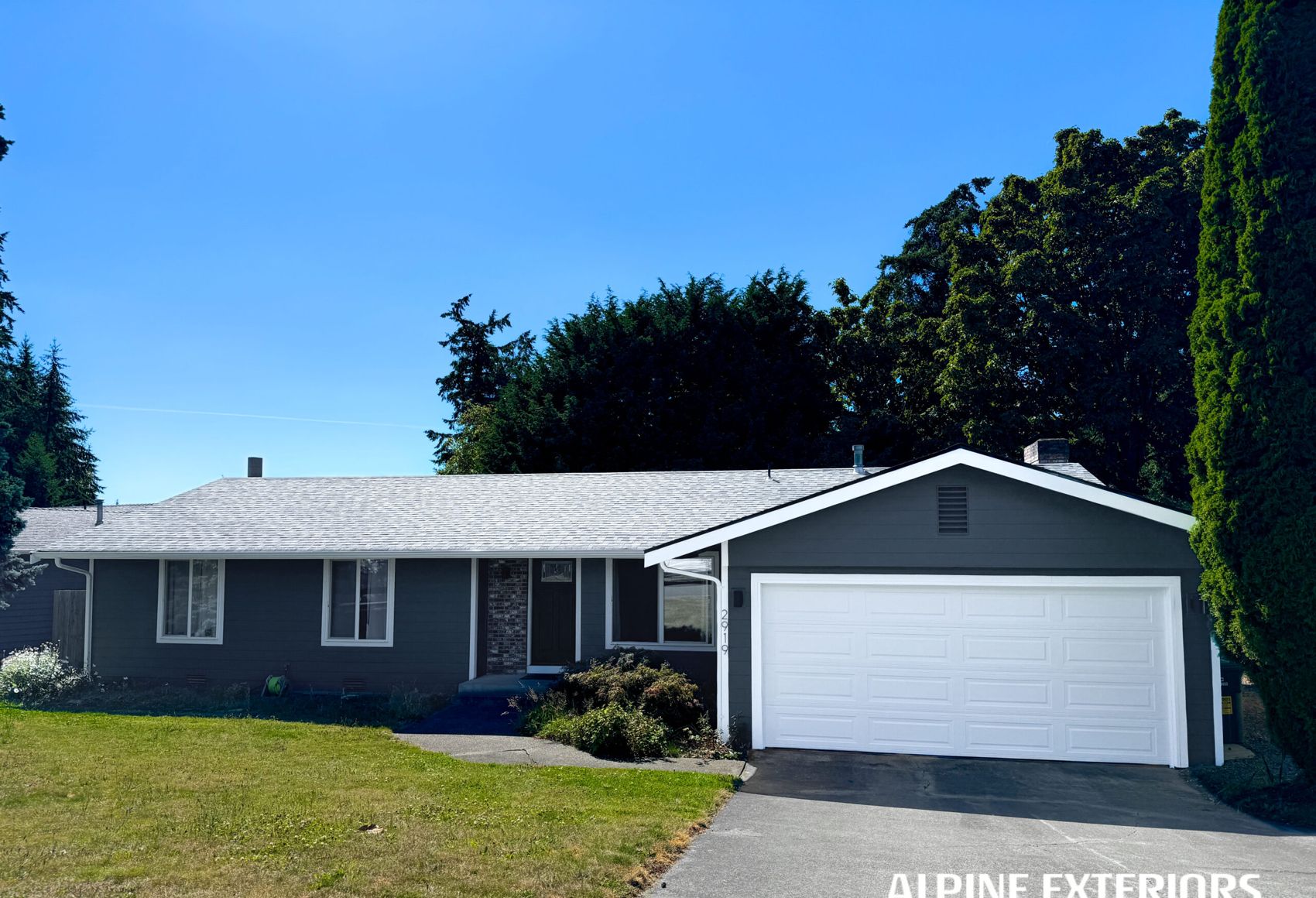
Siding in Tampa, Wesley Chapel, Lutz, Land O' Lakes, New Port Richey, Plant City, and Zephyrhills does a different job than siding almost anywhere else in the country. It has to survive wind-driven rain during tropical systems, months of intense subtropical UV, a humidity level that keeps organic growth pressure high nearly year-round, and, closer to the Gulf, salt-laden air that accelerates corrosion on fasteners and trim. Termites are also a constant background risk here, and while they attack wood more than the siding material itself, any siding failure that exposes wall sheathing or trim to moisture creates the conditions termites look for.
The Florida Building Code sets wind load and water-intrusion requirements for exterior wall coverings in the state's wind-borne debris regions, and most vinyl, fiber cement, and metal siding products installed here carry a Florida Product Approval (FL number) that documents the wind pressure rating the manufacturer tested it to. That approval only protects a house if the siding was installed the way the approval assumes: correct fastener spacing, correct starter strip, correct clearance at penetrations. A pre-season walk-around is how you catch the gap between siding that was code-compliant when installed and siding that's still doing its job five, ten, or fifteen years later.
None of this checklist requires special tools or climbing onto the roof. It's a ground-level and ladder-accessible walk around the exterior, done before the season ramps up (ideally by late May or early June) and again after any storm that produced sustained winds or heavy rain against the house.
Panels and seams
Fasteners and attachment
Trim, flashing, and penetrations
Soffit, fascia, and vents
Color, surface, and mold pressure
Documentation
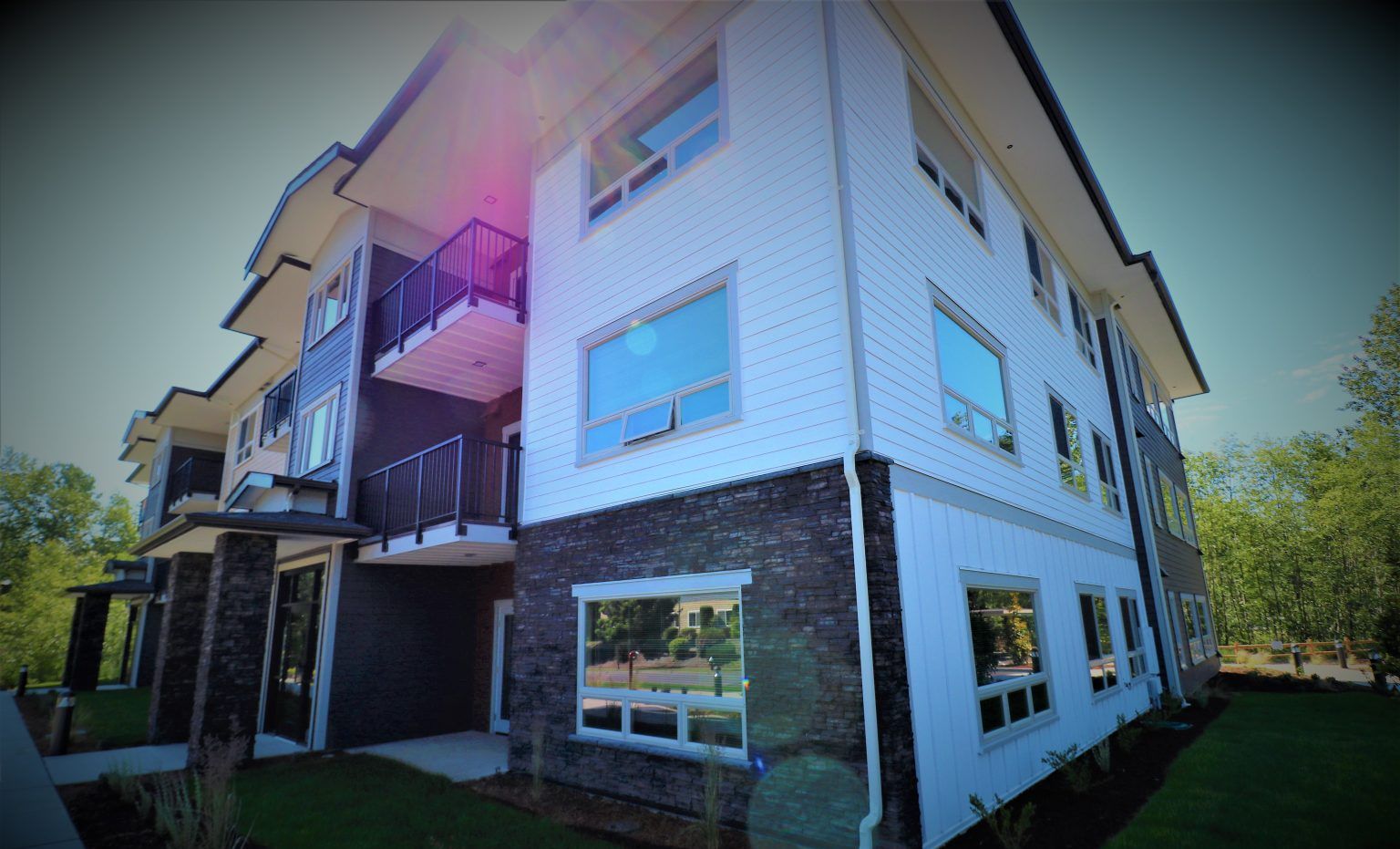
Not every failed item is an emergency. A few loose fasteners, a small section of cracked caulk, or light chalking on vinyl are maintenance items you can note and schedule for repair — worth fixing before storm season, but not something that requires dropping everything. Take photos, mark the location, and get them addressed within a few weeks.
Other findings deserve faster attention. Panels that are visibly loose or missing, flashing that's pulled away from a wall, soffit that's sagging or has open gaps, or any siding failure that has already let water reach the wall sheathing should be repaired before the next system moves through, not after. Wet sheathing in this climate can start supporting mold growth within days, and an open gap in siding or soffit gives wind something to grab during the next storm, turning a small repair into a much larger one.
If a storm has already passed and you're seeing new damage, resist the urge to caulk over or nail down anything you're unsure about. Some post-storm damage is covered by a homeowner's policy, and covering up the evidence before it's documented can complicate a claim. Photograph it, note the date, and get it evaluated before doing anything permanent.
Call a licensed contractor when you find more than isolated, minor issues: widespread loose fasteners across a wall, siding that's failed its Florida Product Approval installation pattern in multiple places, water staining that suggests moisture has been getting behind the siding for a while, or any damage after a storm that you're not fully comfortable assessing from a ladder. A professional can also tell you whether a repair is a simple patch job or a sign that the underlying installation was never done to the wind-load standard your home's Florida Building Code jurisdiction requires — that's not always obvious from the outside.
Alpine Exteriors, FL license RB29003900, inspects and repairs siding for homeowners across Tampa, Wesley Chapel, Lutz, Land O' Lakes, New Port Richey, Plant City, and Zephyrhills, and can tell you honestly whether a section needs a repair or whether recurring failures mean it's more cost-effective to replace it. Repair costs for isolated panel or trim work typically run from the low hundreds to a few thousand dollars depending on scope and material; full or partial re-siding is a larger investment, and a straightforward inspection is the best way to find out which situation you're actually in before spending money either way.
Once before hurricane season ramps up, typically in May, and again after any storm that brought sustained winds or heavy wind-driven rain against your home. A quick visual check after any named storm that passes near Tampa Bay is worth doing even if you don't see obvious damage, since some fastener and flashing issues aren't visible until they've worsened.
No. The Florida Product Approval documents that a specific product met a tested wind pressure rating when installed exactly to the manufacturer's specifications. It doesn't guarantee performance if fasteners have loosened, sealant has failed, or the installation didn't follow the approved pattern in the first place, which is exactly why periodic inspection matters even on newer siding.
Surface mildew on siding is often mostly cosmetic and can be cleaned. It becomes a real problem when it's a symptom of trapped moisture — for example, growth concentrated at a seam, corner, or low spot that stays wet longer than the rest of the wall. That pattern is worth investigating rather than just cleaning, since it can point to a flashing or caulking failure behind the surface.
Siding itself generally isn't a termite food source, but gaps, cracks, or moisture damage in siding and trim can give termites and other wood-destroying organisms a path to the wall sheathing and framing behind it. If you see mud tubes, soft or damaged trim, or wood debris near the base of a wall, that's a separate inspection from a pest control professional, but it's worth noting during a siding walk-around.
If you'd rather have someone experienced walk the exterior with you than work through this list alone, Alpine Exteriors offers pre-hurricane-season siding inspections for homeowners throughout Tampa, Wesley Chapel, Lutz, Land O' Lakes, New Port Richey, Plant City, and Zephyrhills. We'll tell you plainly what's fine, what to watch, and what needs attention before the next storm — no pressure toward a full replacement if a repair will genuinely do the job. Contact Alpine Exteriors to schedule a walk-around before this season's storms arrive.