
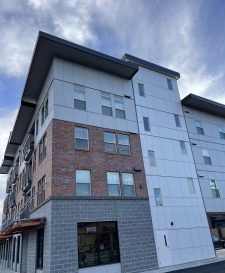
Yes, for most Tampa Bay homes, HardiePlank fiber cement lap siding is worth the higher upfront cost compared to vinyl. It holds paint and color through intense Gulf Coast sun, resists the humidity and pest pressure that damage wood, and — when installed with the correct fastening schedule for your wind zone — performs well in the tropical storms and hurricanes that pass through this part of Florida.
That said, "worth it" depends on how long you plan to stay in the house, what your current siding is actually failing at, and whether the installer doing the work understands Florida Building Code wind requirements. HardiePlank is not a magic material, and a poor installation defeats the advantages of a good product just as fast as bad vinyl work does.
HardiePlank is a fiber cement lap siding made primarily from portland cement, sand, and cellulose fiber, pressed and cured into planks that are then given a factory-applied finish. Because it isn't wood, it doesn't provide a food source for termites or carpenter ants, and it doesn't swell, cup, or rot the way solid wood or many engineered wood sidings can when they take on repeated moisture. That's a meaningful advantage in a region where humidity sits high for most of the year and where wood-destroying insects are a routine, not occasional, concern.
The finish matters as much as the material. Hardie's factory-applied ColorPlus finish is baked on and warrantied separately from the substrate, and it generally holds color longer under strong UV exposure than a field-applied paint job would. Homeowners who choose primed siding and have it painted on site save some money up front but should expect to repaint sooner, since Tampa Bay's sun load is harder on paint than in most of the country.
On the downside, fiber cement is heavy — considerably heavier than vinyl or aluminum siding — which means it takes longer to install, requires more fasteners, and is less forgiving of a rushed crew. It has to be nailed according to a fastening pattern tied to the wind zone the house sits in; skip that step or use the wrong nail spacing and the siding can work loose in a storm regardless of how good the product itself is. It also needs to go over a proper water-resistive barrier with correctly lapped house wrap and flashing at every window, door, and penetration, because the siding itself isn't a sealed membrane — it's a rain-screen layer that sheds bulk water while depending on what's behind it to stop what gets past the laps and joints. Cut edges need to be sealed and primed, caulked joints need occasional inspection, and the material can crack or chip from a hard impact — a ladder, thrown debris, storm debris — in a way that some other claddings tolerate better.
It also costs more than vinyl, both in material and labor, and the extra weight and cutting requirements add to installed cost. For homeowners comparing bids, that price difference is real and should be weighed against how long they intend to own the house.
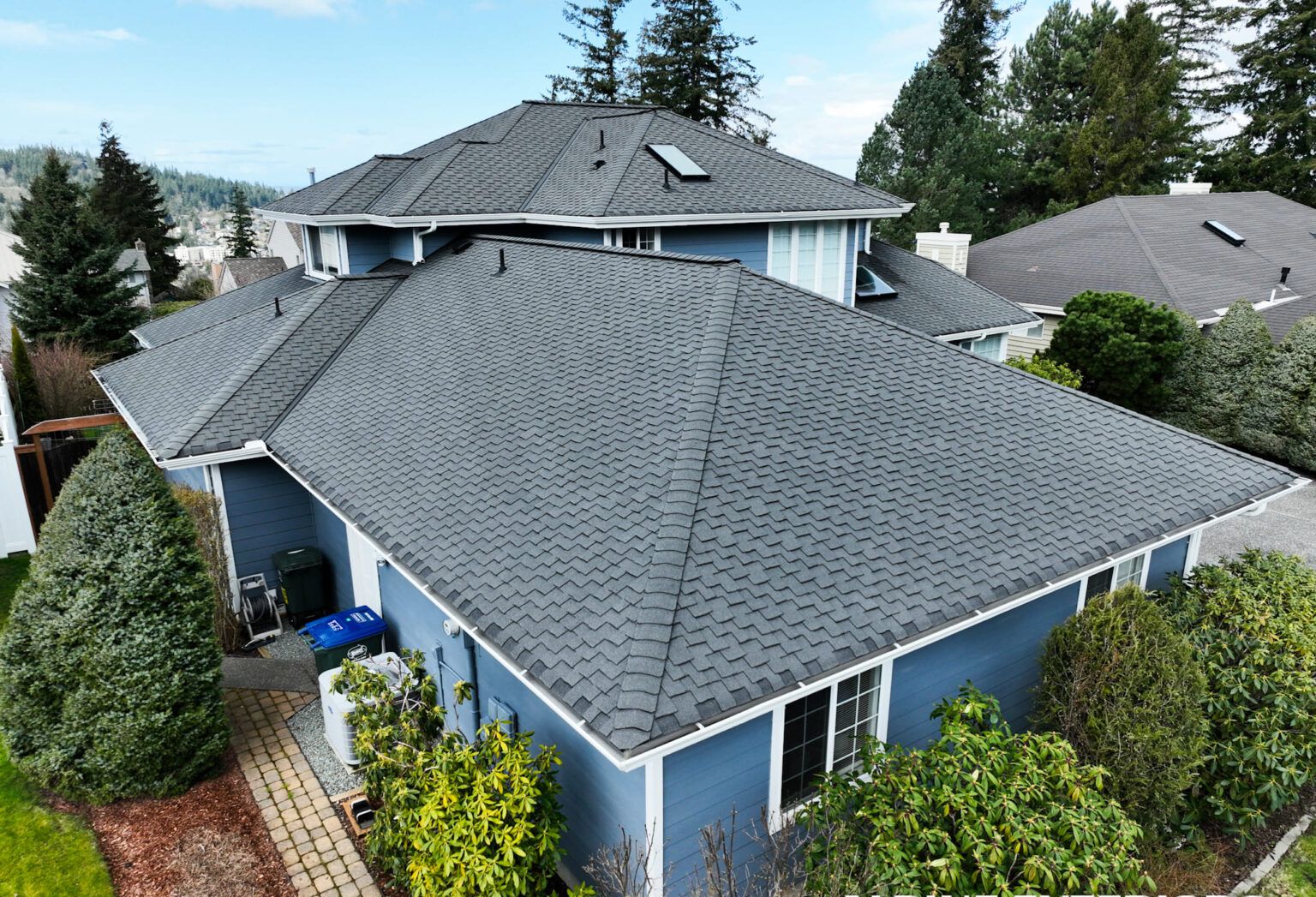
Siding decisions in Tampa Bay run into conditions that don't apply the same way in most of the country, and they change what a good installation actually requires.
Wind loads and wind-driven rain. Hillsborough and Pasco counties fall under Florida Building Code wind-speed design requirements, and any exterior cladding installed here needs a valid Florida Product Approval (or an accepted Miami-Dade NOA) for the specific plank profile and fastening pattern being used. That approval documentation should tie fastener type, spacing, and edge distance to the exposure category and design wind speed for the property — a lot near open water often carries a higher wind load than an inland, tree-sheltered lot a few miles away in Plant City or Zephyrhills, even within the same city. Wind-driven rain is the other half of that equation: a storm doesn't just push wind against a wall, it drives rain sideways and upward under laps and around trim, so the water-resistive barrier and flashing details behind the siding matter at least as much as the siding itself.
Humidity and moisture pressure. Tampa Bay's humidity stays high most of the year, which is hard on organic siding materials and on paint film generally. Fiber cement doesn't feed mold the way a wood substrate can, but the caulked joints, trim, and any exposed wood fascia or soffit around the siding still need upkeep, because moisture trapped behind cladding in a humid climate dries out far more slowly than it would in a dry one.
UV intensity. Central Florida sun is more direct and more consistent overhead than in most of the country. It's a big reason a factory-cured finish like ColorPlus tends to outlast field-applied paint on south- and west-facing elevations, and it's why dark colors on any siding material fade and chalk faster here than the same color would up north.
Termites. Subterranean and Formosan termites are active across the Tampa Bay area, and they're a common reason homeowners replace wood or damaged engineered-wood siding in the first place. Fiber cement removes that specific failure mode for the siding itself, though it doesn't protect the wood framing, trim, or fascia behind and around it — those still need standard termite protection regardless of what cladding is on the wall.
Salt air. Properties closer to the water, including parts of New Port Richey and other stretches of the service area nearer the coast, deal with salt-laden air that accelerates corrosion on unprotected metal. Fastener selection matters more there: stainless steel or properly coated fasteners rated for the exposure hold up considerably better near the coast than standard fasteners over the life of the siding.
Before signing a contract for HardiePlank siding in Tampa Bay, ask for specifics rather than a general sales pitch. A written estimate should reference the Florida Product Approval number for the plank profile being installed, note the fastening schedule tied to your home's wind exposure, and describe the water-resistive barrier and flashing plan at windows, doors, and roof intersections — not just "we'll wrap the house." If a contractor can't speak to any of that, treat it as a red flag regardless of the price they quote.
Decide up front whether you want ColorPlus prefinished planks or primed planks painted after installation. ColorPlus costs more initially but typically means less repainting over the years given how hard the sun here is on paint film; primed-and-field-painted siding costs less up front but shifts more of the long-term maintenance onto you.
Confirm the contractor is properly licensed for exterior work in Florida — ask for the license number directly and verify it rather than taking it on faith. Alpine Exteriors holds Florida contractor license RB29003900, and any reputable siding company should be equally willing to share theirs. If you're planning other exterior work around the same time, it's worth asking your insurance agent whether an updated OIR-B1-1802 wind mitigation inspection makes sense afterward — that form is driven mainly by roof and opening-protection features rather than wall cladding, but homeowners doing larger exterior projects often bundle the inspection in while contractors are already on site.
Get more than one bid, and compare them on installation method and materials, not just the bottom-line number — two quotes for "the same" HardiePlank job can differ significantly depending on whether one crew is cutting corners on fastening, flashing, or fastener grade. Be honest with yourself about timeline, too: if you're planning to sell within a year or two, a full fiber cement re-side may not pay back the way it would for a homeowner settling in for the long haul, and targeted repairs or a lower-cost option might make more sense. Alpine Exteriors can walk through both scenarios and give a straight answer about which one fits your situation rather than defaulting to the bigger job.
HardiePlank can be installed to meet Florida Building Code wind requirements for the Tampa Bay area, but the rating comes from the combination of the specific plank profile, its Florida Product Approval, and the fastening schedule used — not from the material alone. A crew that nails off HardiePlank the way they'd install vinyl, without following the approved pattern for your home's wind exposure, can undermine the wind performance the product is capable of. Ask any contractor bidding the job to show you the product approval documentation and the fastening spec before work begins.
Eventually, yes, but the timeline depends on which finish you choose. Factory-applied ColorPlus finishes are cured and warrantied separately from the siding itself and generally hold color longer under Central Florida's intense UV than field-applied paint does, especially on south- and west-facing walls. Primed planks painted after installation will likely need repainting sooner, and dark colors tend to fade and chalk faster in this climate than lighter ones regardless of which finish option you pick.
Fiber cement siding itself isn't a food source for subterranean or Formosan termites, which removes one common failure point compared to wood or wood-composite siding. It doesn't protect the wood framing, trim, or fascia behind and around the siding, though, so standard termite prevention and periodic inspection are still worthwhile regardless of what cladding is on the exterior walls.
Most single-family re-sides take roughly one to a few weeks depending on the size of the home, the amount of trim and detail work, and whether the crew is also replacing house wrap, flashing, or damaged sheathing underneath the old siding. Weather is the biggest variable in Florida — summer's afternoon storms can slow outdoor work, so a realistic contractor should build some weather buffer into the schedule rather than promising an exact finish date months out.
If you're weighing HardiePlank against vinyl, or trying to figure out whether your current siding needs full replacement or targeted repair, Alpine Exteriors can walk your home with you and give a straightforward answer — not just a quote for the biggest available job. We're a licensed Florida contractor (RB29003900) serving Tampa, Wesley Chapel, Lutz, Land O' Lakes, New Port Richey, Plant City, and Zephyrhills, and we're familiar with the wind zone and product approval requirements specific to each of those areas. Reach out for an on-site evaluation and a written estimate that spells out the materials, fastening, and flashing details before any work starts.