
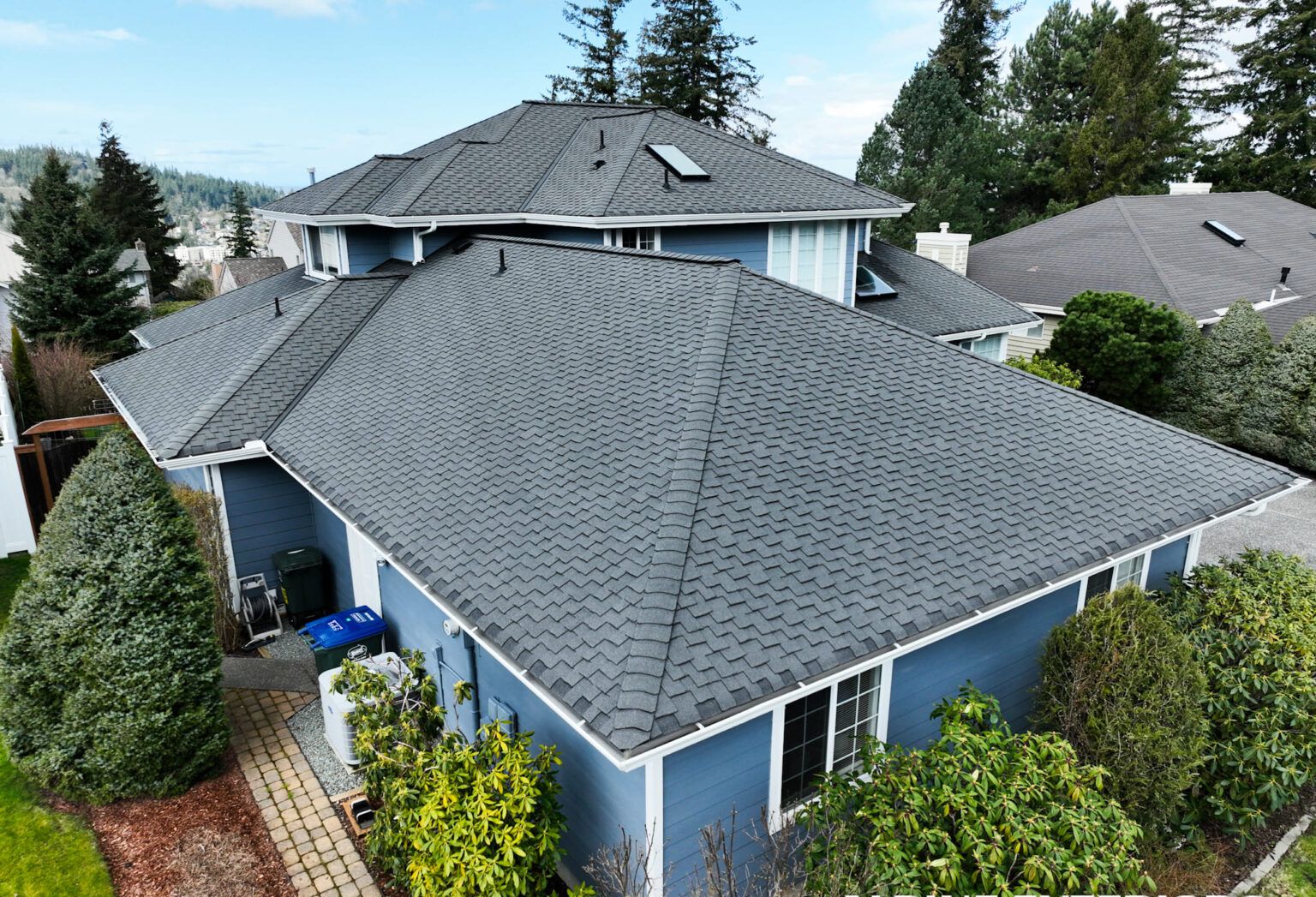
Jasmine Estates is an older, established pocket of unincorporated Pasco County, and its housing stock tells that story. Most homes here were built from the early 1970s through the 1990s as single-story, slab-on-grade ranch houses, and the great majority are concrete block construction finished in stucco rather than full lap siding from ground to roofline. That matters, because when a homeowner in this neighborhood asks about "siding," they're usually not talking about replacing an entire exterior wall system — they're talking about gable ends, dormers, a rear addition, a carport enclosure, or the original wood or aluminum accent siding that's now 30-plus years old and showing its age. This guide is written for that reality, not for a generic new-construction subdivision. We'll walk through what actually holds up in this part of Pasco County, why, and what we'd steer you away from, based on the conditions this specific area deals with: high year-round humidity, intense subtropical UV, subterranean termites, and wind loads set by the Florida Building Code. Alpine Exteriors has worked on homes throughout this stretch of west Pasco, and this page reflects what we've actually seen succeed and fail on roofs and walls like the ones in Jasmine Estates.
For most Jasmine Estates homes, fiber cement lap or panel siding is the strongest all-around choice for gable ends, additions, and any full re-side, because it shrugs off humidity and doesn't feed termites, and it holds paint and color far longer under Florida sun than most alternatives. Where budget is the deciding factor, a heavier-gauge, wind-rated vinyl siding with documented Florida Product Approval is a reasonable second choice, especially on smaller accent areas where fiber cement's higher installed cost is harder to justify. Engineered wood siding can work in drier, well-detailed installations but needs more careful attention to flashing and ventilation in this climate than either of the other two. What we don't recommend, for reasons detailed below, is traditional untreated wood siding or thin, low-wind-rating vinyl products — both are common causes of the callbacks we get on older Jasmine Estates homes.
We didn't rank these products in the abstract. We weighed each one against the specific stresses a west Pasco County exterior actually faces:
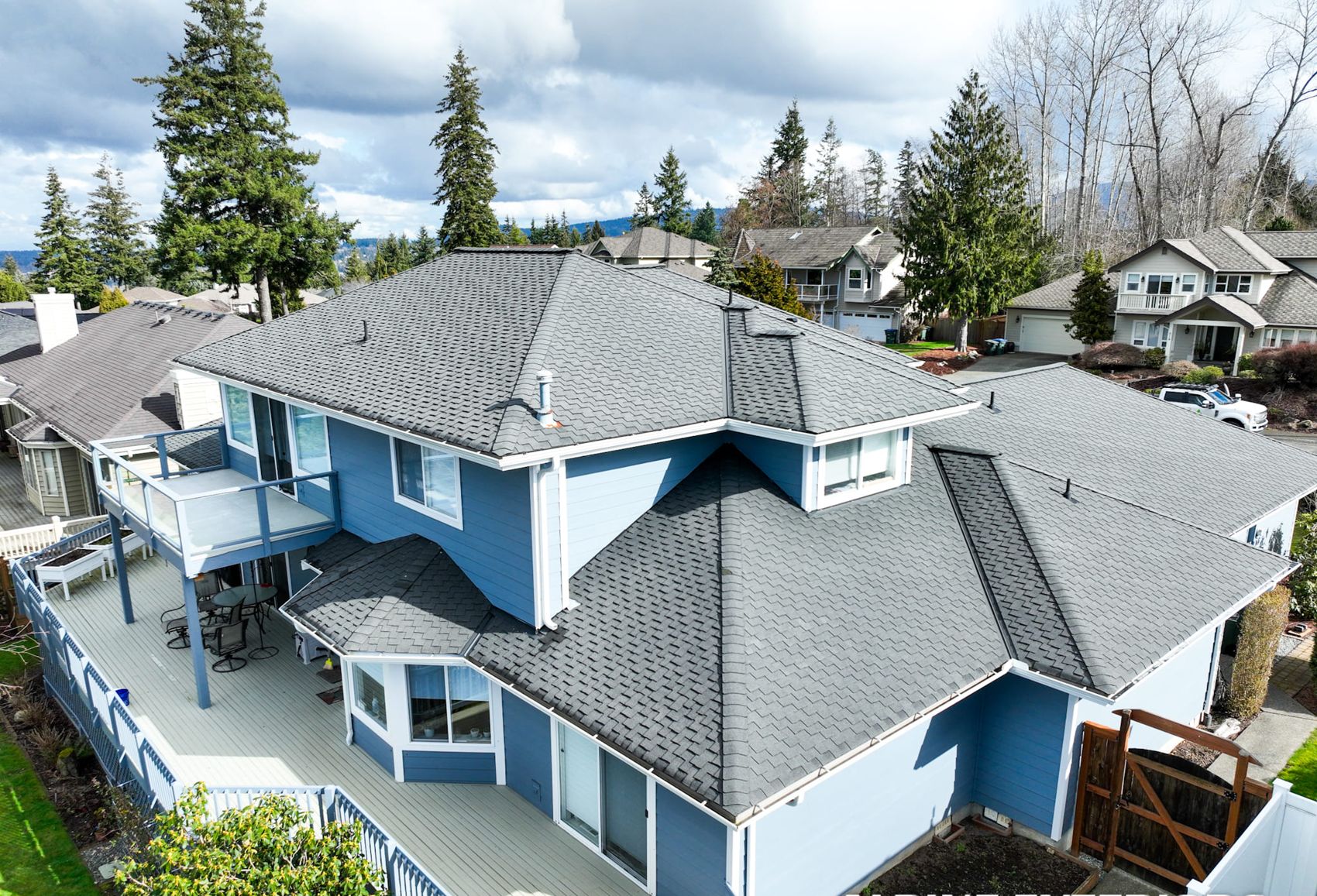
Fiber cement (cement, sand, and cellulose fiber pressed into planks or panels) is the option we most often steer Jasmine Estates homeowners toward for gable ends, additions, and full re-sides on the minority of homes that are wood-framed. Look specifically for a formulation rated for high-humidity climates — several manufacturers make a version engineered for exactly the moisture and mold pressure Florida sees, as opposed to the standard version sold in drier states.
Pros: It doesn't burn, doesn't rot, and isn't a termite food source. It holds factory-baked color far longer than vinyl under constant UV exposure, so it doesn't chalk out or fade as quickly. It's heavy enough that, properly fastened per its Florida Product Approval, it performs well in the wind loads this area sees. It ties in cleanly next to stucco, which matters a lot here since most Jasmine Estates homes are a stucco-and-accent-siding combination rather than all-siding.
Cons: It's the most expensive option on this list to install, generally running somewhere in the $9-$14 per square foot range installed depending on profile and trim complexity, and that gap versus vinyl is real. It's also heavier and more labor-intensive to install correctly, meaning installer experience matters more — a poorly caulked or poorly flashed installation can still let water behind the boards. It requires periodic repainting on non-factory-finished products, typically every decade or so depending on sun exposure.
Vinyl remains the most common full re-side material we install in Pasco County overall, and it can be a legitimate choice in Jasmine Estates when the product is right for the job. The key phrase is "the product is right" — not all vinyl is built the same, and this is where we see the most corner-cutting.
Pros: It's the most budget-friendly of the three main options, generally in the $4-$8 per square foot installed range depending on gauge and whether it's insulated. It never rots and isn't termite food. Modern wind-rated vinyl, installed with the correct fastening pattern and backed by a Florida Product Approval matched to this county's wind speed requirements, holds up well through tropical storm-force winds and wind-driven rain. Insulated vinyl (with rigid foam backing) adds some impact resistance over hollow-back panels and helps a little with the wall's overall insulation value, which is worth something given how much Jasmine Estates homes run air conditioning.
Cons: Thinner, budget-grade vinyl is the product we most often see damaged after a hurricane or even a strong summer storm — panels crack, bow, or blow off at the J-channel because the gauge was too light for the wind pressures here. It also fades and can go brittle faster than fiber cement under sustained Florida UV, particularly darker colors, which absorb more heat and degrade faster. It doesn't hold up as well to yard equipment or ladder contact as heavier materials. And on a home that's mostly stucco with vinyl only on the gables, matching an aging vinyl color to new stucco paint (or vice versa) years later can be a minor but real cosmetic headache.
Engineered wood siding (wood strands or fiber bonded with resins, usually sold as lap or panel siding with a factory primer) is less common in this specific neighborhood than fiber cement or vinyl, but it comes up often enough in consultations that it's worth an honest assessment.
Pros: It's generally lighter and easier to install than fiber cement, which can shave some labor cost, and it typically sits between vinyl and fiber cement on price. It has a more traditional wood grain appearance that some homeowners prefer over the smoother look of vinyl. Quality modern versions include factory treatments against fungal decay and insects that older wood products lacked.
Cons: This is the option most sensitive to installation quality in a humid climate like this one. Cut ends, joints, and the bottom edge near grade all need to be sealed and detailed correctly, every time, or moisture works its way into the substrate and the material swells or delaminates — a much less forgiving failure mode than vinyl or fiber cement if a detail gets missed. Given the termite pressure in Pasco County, any wood-based product also needs strict attention to ground clearance and moisture management around the base of the wall. We'll install it when a homeowner specifically wants the look and understands the added maintenance discipline it requires, but we don't lead with it as our default recommendation here.
Traditional solid wood siding (cedar, pine, or the original T1-11 panel siding found on some of the older homes and additions in this area) is the material we most often recommend replacing rather than repairing. Between subterranean termite pressure, near-constant humidity, and intense UV breaking down paint film faster than in drier climates, unprotected wood siding in this part of Florida tends to need repainting and spot repair far more often than homeowners expect, and once rot or termite damage sets in behind the surface, it's often more extensive than it looks from outside.
We'd also caution against the lowest-gauge vinyl siding sold purely on price, regardless of brand. If a product's documentation doesn't clearly state a Florida Product Approval number and a wind pressure rating appropriate for this county, that's a red flag, not a detail to skip past. The failures we get called out to repair after storms are disproportionately thin vinyl that was never rated for the wind loads this area actually sees.
One more thing worth knowing: siding choice does not factor into the wind mitigation inspection your insurer uses (the OIR-B1-1802 form), which focuses on roof covering, roof deck attachment, roof-to-wall connections, and opening protection — so don't expect a siding upgrade to move your wind mitigation credit. What good, wind-rated siding does do is reduce the odds of wall damage and water intrusion during a storm in the first place, which is a real, if less visible, form of protection.
Most Jasmine Estates homes are concrete block with a stucco exterior, and siding is typically limited to gable ends, a dormer, a rear addition, or a converted carport, so a full tear-off and re-side of the whole house is the exception rather than the rule. During an inspection, we'll tell you plainly whether you're looking at a targeted repair, a partial re-side of the wood-framed sections, or something larger, rather than assuming a whole-house project by default.
No, not directly. The wind mitigation inspection used for insurance credits (the OIR-B1-1802 form) evaluates roof covering, roof deck attachment, roof-to-wall connections, and window and door opening protection — it doesn't score wall siding. Wind-rated siding still matters for protecting your home during a storm, but it isn't something your insurance inspector will be checking for a premium discount.
A properly rated, correctly installed vinyl siding product can hold up well through the tropical storm-force winds and wind-driven rain typical of this area, provided it carries a Florida Product Approval matched to Pasco County's design wind speed and is fastened per that approval's installation instructions. The failures we see are almost always tied to under-rated, thin-gauge products or poor fastening, not to vinyl as a category being inherently unsuitable here.
Choosing a siding material that doesn't absorb moisture — fiber cement or quality vinyl rather than untreated wood — is the first step, but installation detail matters just as much: proper flashing above windows and doors, a drainage gap where the siding system calls for one, and keeping shrubs and irrigation from spraying directly on the wall all reduce the moisture load that feeds mold growth in this climate. Periodic gentle washing to remove surface pollen and organic buildup helps too, since Florida's humidity gives mold and mildew a head start on any exterior surface that isn't cleaned occasionally.
If you're weighing siding options for a home in Jasmine Estates or elsewhere in west Pasco County, Alpine Exteriors can walk your property, tell you honestly whether you're facing a full re-side or a smaller repair, and put together options in fiber cement or wind-rated vinyl matched to what your home and budget actually need. Alpine Exteriors holds Florida contractor license RB29003900 and serves Tampa Bay homeowners from Tampa and Wesley Chapel to New Port Richey and the surrounding Pasco County communities. Reach out for a straightforward, no-pressure look at your home before you decide.