
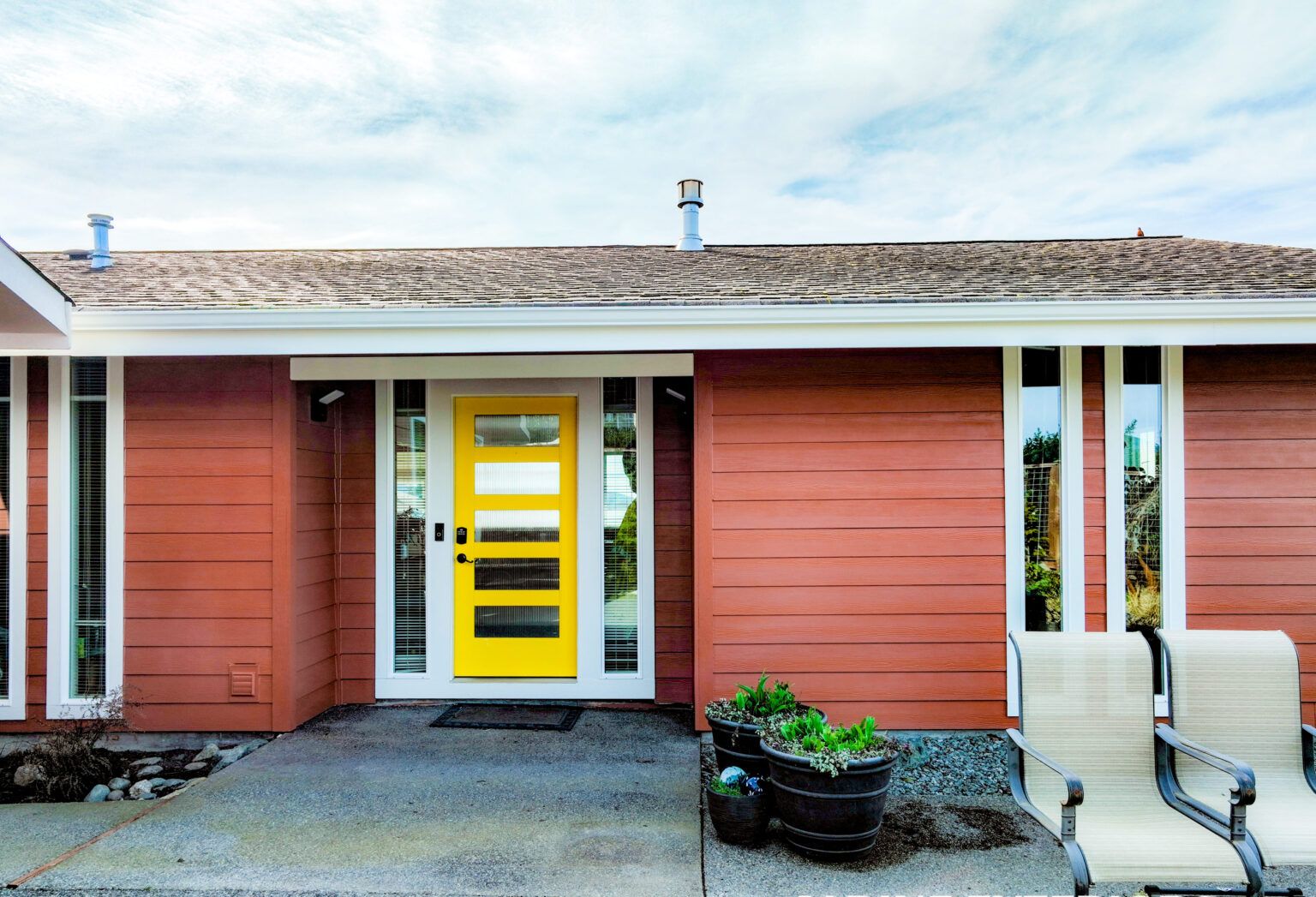
If you're comparing siding replacement costs for a home in Zephyrhills, Wesley Chapel, or elsewhere in Pasco County, you've probably already noticed that online cost calculators built for other parts of the country don't line up with quotes you're getting locally. That's because siding here has to do a job that siding in a mild inland climate never has to do: shed wind-driven rain during tropical storms and hurricanes, resist sustained high humidity without trapping moisture behind the wall, and hold its color and shape through months of intense Florida sun every year. Those requirements change the materials that make sense, the installation details that matter, and ultimately the price. This guide lays out realistic ranges for the Zephyrhills area, explains what pushes a project toward the low or high end, and gives you a framework for comparing bids so you're not just picking the cheapest number on the page.
Siding replacement costs are usually quoted per square of siding installed (a square equals 100 square feet of wall coverage), and the total for a typical single-family home varies enormously based on material, house size, wall condition, and detailing. Rather than quote a single number that won't fit your specific house, it's more useful to understand the ranges by material and what's included in each. Every range below assumes a full tear-off of old siding, inspection and repair of the sheathing underneath, and installation that meets current Florida Building Code wind requirements for Pasco County, not just a quick layer applied over existing material.
| Cost Factor | Low End | High End | Why It Varies |
|---|---|---|---|
| Material (vinyl, fiber cement, engineered wood, etc.) | Budget vinyl | Premium fiber cement or specialty profiles | Material alone can swing total project cost by two to three times |
| Wall prep and sheathing repair | Sound sheathing, minimal repair needed | Widespread rot, moisture damage, or termite damage found underneath | Humidity and past leaks often hide damage until old siding comes off |
| House size and wall complexity | Simple single-story rectangle | Multi-story with dormers, bump-outs, and gables | More corners, trim, and cutting means more labor hours |
| Wind and fastening requirements | Standard fastening schedule | Enhanced fastening or upgraded product approval for higher wind exposure | Florida Building Code wind-load rules drive nailing patterns and product selection |
| Trim, flashing, and water management details | Basic trim replacement | Full flashing system around every window, door, and penetration | Wind-driven rain finds every gap, so detailing quality matters more here than in drier climates |
| Tear-off and disposal | Single layer, easy access | Multiple layers, difficult access, or hazardous old material | More layers and harder disposal add labor and dump fees |
In broad terms, vinyl siding replacement tends to sit at the lower end of the market for material cost while still requiring the same quality tear-off and prep work as pricier options. Fiber cement siding, which many Zephyrhills homeowners choose for its resistance to moisture and pests, generally lands in the mid-to-upper range because of the material cost and the more specialized labor needed to cut and fasten it correctly. Whichever material you're considering, treat any quote that skips wall inspection or lists only a flat per-square-foot number with suspicion. A number that doesn't account for what's actually behind your existing siding isn't a real estimate yet.
Two houses of the same size in Zephyrhills can land in very different places on the price range, and the reasons are almost always the same handful of factors.
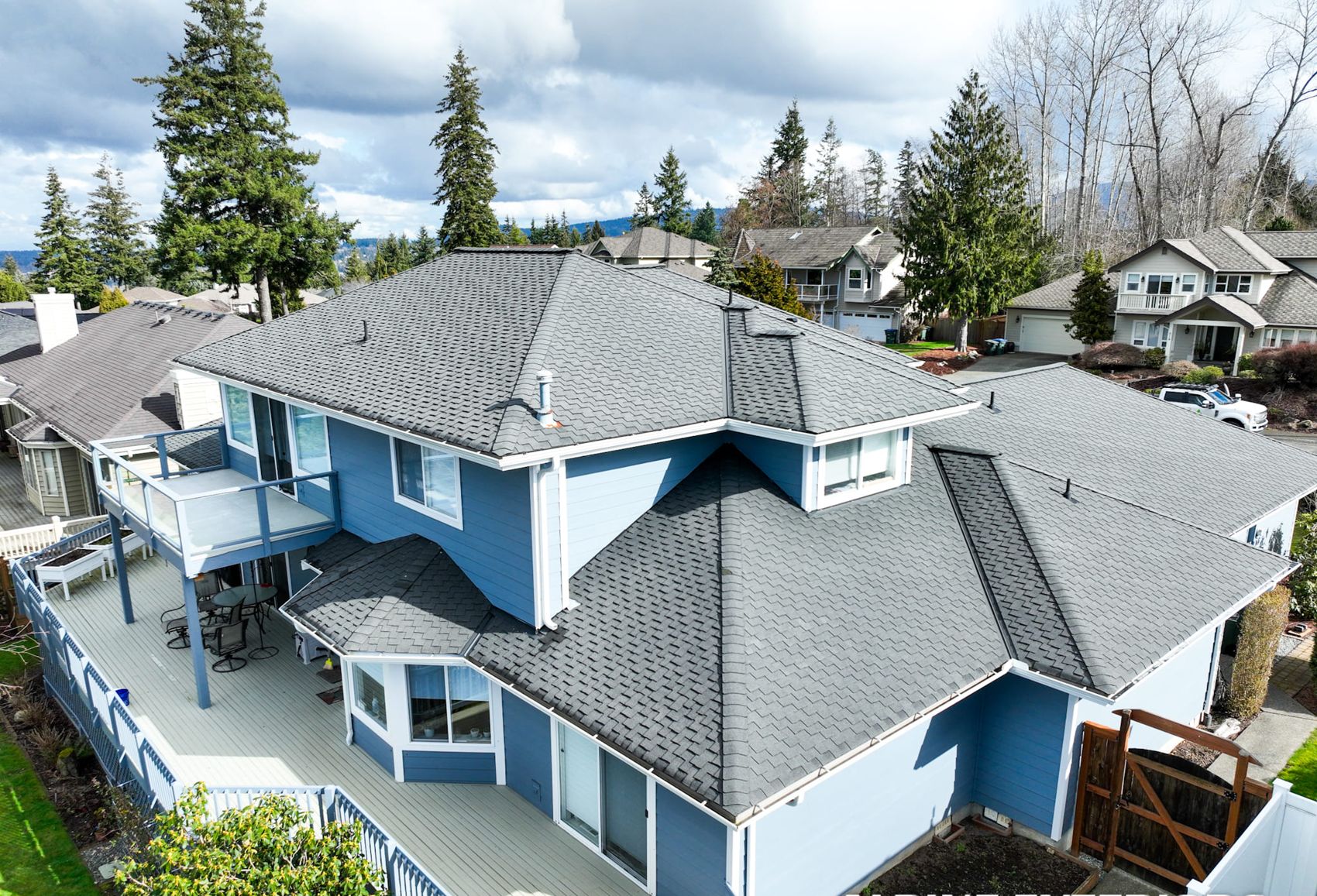
A siding quote that's actually useful for comparison should read like a scope of work, not a single lump-sum price. At minimum, look for these line items spelled out in writing:
Alpine Exteriors builds quotes around this level of detail because a siding job that looks identical on the surface can perform very differently five or ten years later depending on what happened at the sheathing and flashing level, which is invisible once the new siding goes up.
When quotes for the same house come back at noticeably different totals, the gap is almost always explained by one of a few things: different materials, different scope (tear-off versus install-over, or partial versus full flashing replacement), different labor quality or crew size, or a low bid that's deliberately vague about sheathing repair so it can be added later as a change order. Ask every contractor for the same scope in writing, request the manufacturer and product line by name so you can look up its Florida Product Approval yourself, and ask directly whether the price includes sheathing repair or treats it as a separate cost once uncovered. A contractor who's confident in their pricing will walk through these details without hesitation. It's also worth confirming that whoever you hire is licensed to do the work in Florida. Alpine Exteriors holds Florida contractor license RB29003900, and any legitimate siding contractor should be able to provide their license number without being asked twice.
Be cautious of quotes that come in dramatically lower than everyone else's with no explanation. In a market with real material and labor cost, a bid that's far below the rest usually means something is being left out, often the sheathing inspection, the code-compliant fastening schedule, or proper flashing, and those are exactly the details that determine whether your siding holds up through the next tropical storm season.
Many siding contractors, including Alpine Exteriors, offer financing options that let homeowners spread the cost of a full replacement over time rather than paying the full amount up front. Ask what financing partners and terms are available and read the interest and fee structure carefully before signing. On the insurance side, siding replacement itself is not generally something homeowners insurance pays for outside of a covered loss like storm or wind damage, but the wind mitigation features you choose during replacement can affect your premium going forward. Florida's OIR-B1-1802 Uniform Mitigation Verification Inspection Form is what insurers use to document wind mitigation features on a home, and upgrades made during a siding project, such as improved fastening or better-rated products, may be worth having re-inspected and filed with your insurer afterward. This isn't guaranteed to lower your premium by any specific amount, and you should confirm the details with your insurance agent rather than assume a discount, but it's worth asking about since the paperwork already exists for this purpose in Florida.
The biggest reasons are differences in material, scope, and what's included for sheathing repair. Two contractors can quote very different totals for what looks like the same job if one includes full tear-off, sheathing inspection, and code-compliant flashing while the other assumes the wall underneath is fine and prices a bare-minimum installation. Always ask for the scope in writing so you're comparing the same work, not just the same square footage.
Yes. Florida Building Code sets wind-load and fastening requirements based on regional wind maps, and any siding product installed here needs a current Florida Product Approval for the applicable wind zone. That requirement affects which products are legal to use and how they must be fastened, which in turn affects labor time and material selection compared to a milder climate with no wind code requirements.
It depends on your priorities and budget. Fiber cement generally costs more up front but resists moisture, humidity-driven swelling, and pest damage differently than vinyl, and it can hold paint and color well under intense Florida sun. Vinyl is less expensive and low-maintenance but can soften or warp under prolonged extreme heat if the product or installation isn't well suited to the exposure. Neither choice is wrong; the right one depends on your home's exposure, your budget, and how long you plan to stay in the house.
You usually won't know for certain until the old siding is removed, since humidity-related moisture damage doesn't always show on the exterior surface. A trustworthy contractor will build sheathing inspection into the scope and give you a per-unit price for any repair needed, rather than assuming the wall is sound or leaving it as an open-ended allowance you won't understand until the invoice arrives.
The only way to know what siding replacement will actually cost for your specific house is to have it measured and inspected in person, since wall condition, house shape, and product choice all move the number more than any general range can capture. Alpine Exteriors serves Zephyrhills and the surrounding Pasco County and Tampa Bay area, and can walk your property, explain what we find, and put together a detailed, itemized quote so you know exactly what you're paying for before any work begins. Reach out to schedule an on-site assessment and get a written estimate built around your home's actual condition, not a generic estimate.