
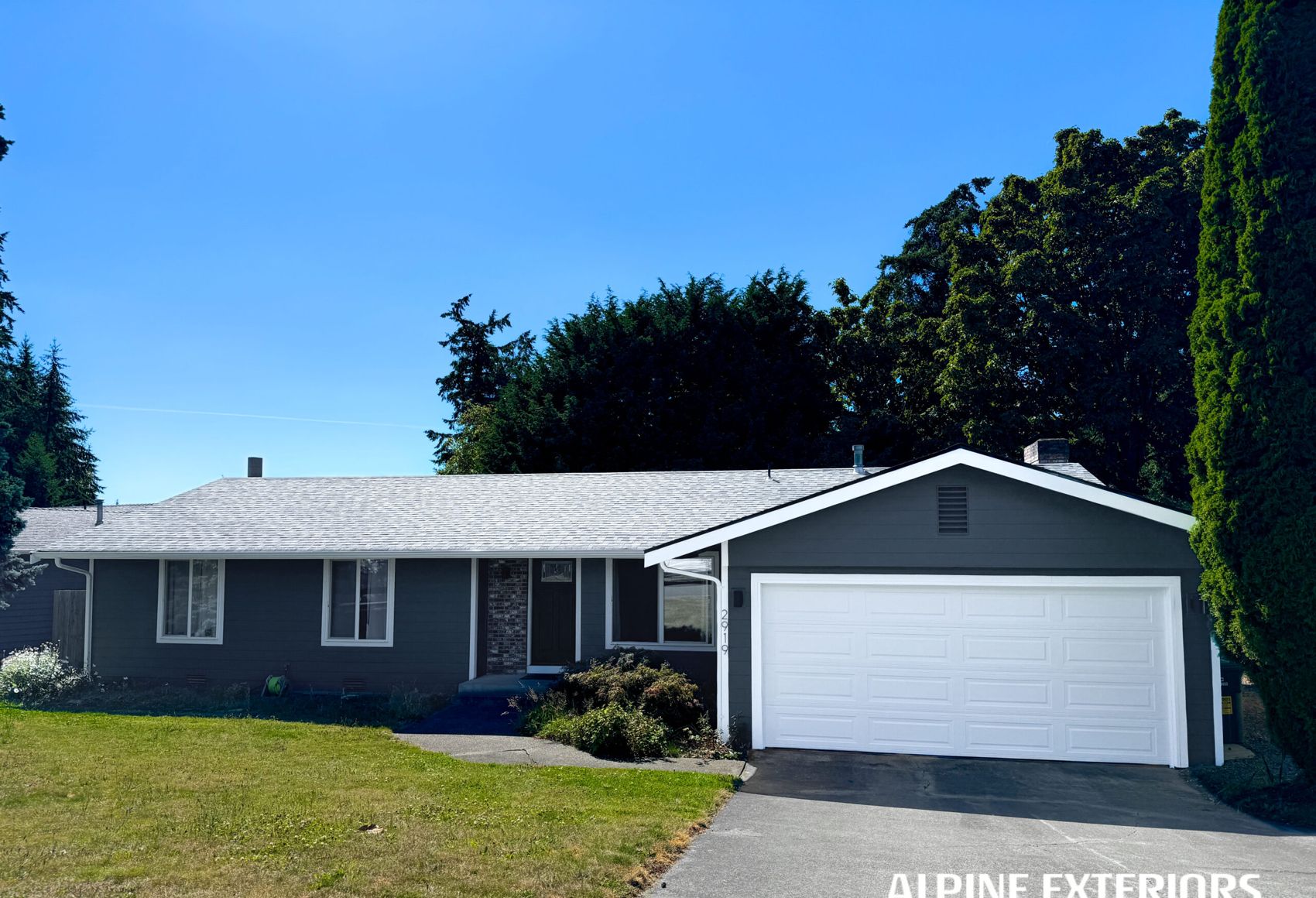
Lutz sits in a part of Pasco County that gets the full range of what a Central Florida summer and hurricane season can produce, without the benefit of coastal breezes to dry things out quickly. That combination changes how siding ages here compared to almost anywhere else in the country, and it's why a once- or twice-a-year walk-around of your home's exterior is worth the half hour it takes.
Three things drive most of the siding problems we see on Lutz-area homes. First, wind. Even when a storm doesn't make direct landfall nearby, Pasco County routinely sees tropical-storm-force gusts and squall lines that push rain sideways into every seam, lap, and fastener point on a wall. Siding that's rated and installed correctly under the Florida Building Code sheds that water; siding with a loose panel, a missing fastener, or a gap in the flashing lets it in. Second, humidity. Lutz's inland location means less coastal air movement, so moisture that gets behind siding or into a wall cavity can sit there for days, which is exactly what mold and rot need to take hold. Third, sun. Florida's UV load is intense almost year-round, and it breaks down caulk, sealants, and unprotected trim faster than in milder climates, even when the siding material itself is holding up fine.
Add subterranean and drywood termites, both active across Pasco County, and you have a short list of region-specific reasons to actually look at your siding instead of assuming it's fine because it looks fine from the driveway. This checklist is built around those specific pressures, not generic homeowner advice.
Work through these in order, ideally with a ladder, a flashlight, and a slotted screwdriver you can use (gently) to press on suspicious spots. Do this after the first hard rain of the season and again in late fall before winter's drier, high-wind cold fronts move through.
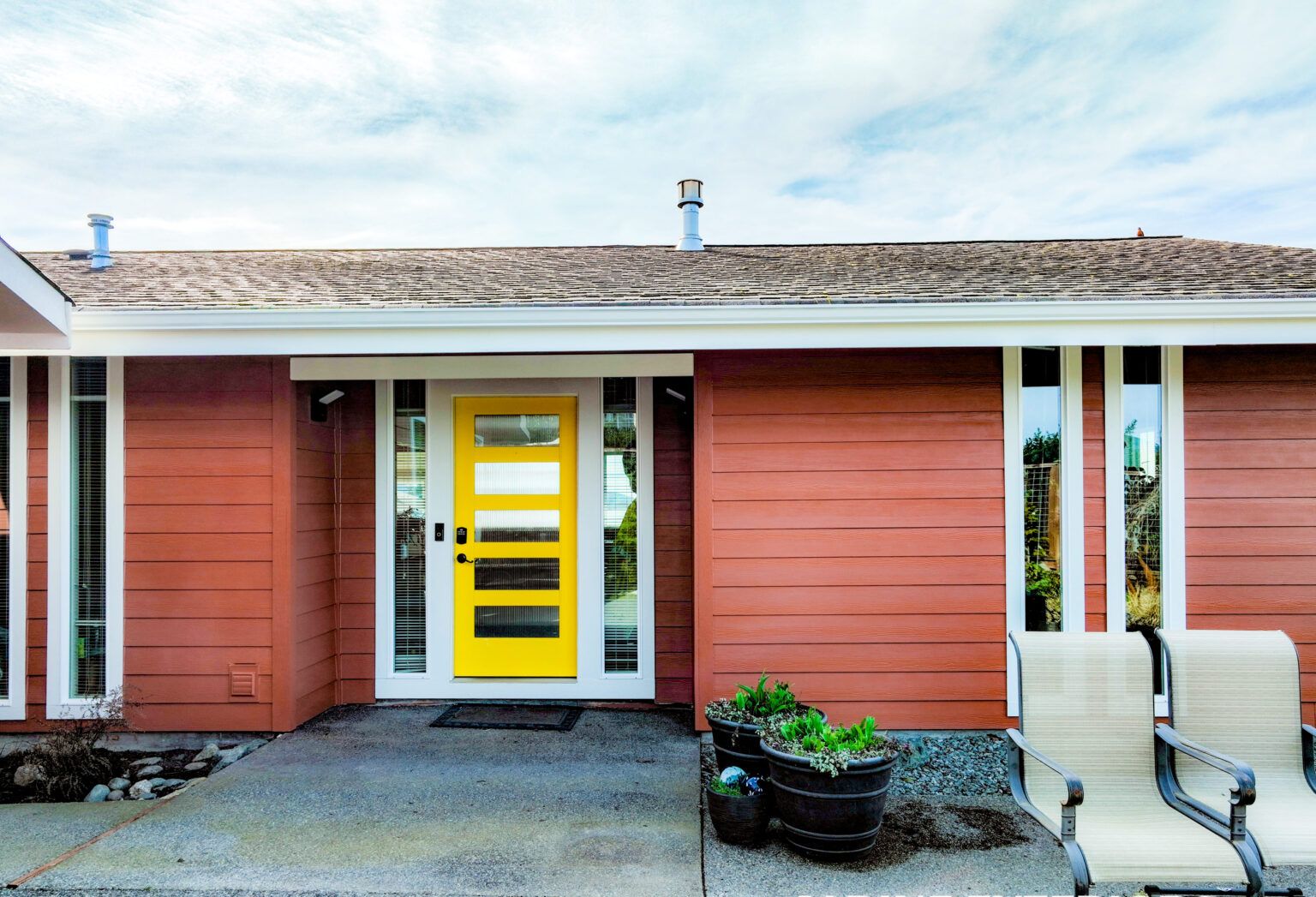
Not every item on this list means a full siding replacement, and it's worth being honest about that. A few cracked caulk lines or a little surface chalking is normal wear in this climate and can often be addressed with spot repairs, re-caulking with a Florida-grade sealant, or replacing a handful of damaged panels rather than the whole wall. Take photos and note the location of anything you find, since a pattern of failures in one area (say, the west-facing wall that takes the worst afternoon sun) tells a repair contractor more than a single photo does.
If you find soft spots, mold, a musty smell, or termite signs, don't wait for the next storm season to deal with it. Moisture and pest damage compound quickly in Pasco County's humidity, and a small area of rot behind siding can spread into structural framing before it's visible from the outside. Cover any exposed underlayment or sheathing with a tarp if you can't get it addressed within a day or two, especially if rain is in the forecast.
For wind-related findings — loose panels, backed-out fasteners, gaps at the roofline — treat these as a priority ahead of hurricane season specifically. A panel that's already loose in a light breeze is far more likely to fail in sustained wind, and repairing it before June or July is much cheaper and easier than replacing a section of wall after a storm has torn it loose.
Some things on this checklist are reasonable for a homeowner to assess and even repair with basic tools: re-caulking a seam, tightening a loose fastener, cleaning surface mildew. Others aren't, and it's worth knowing the difference before you're on a ladder in August heat trying to figure it out.
Call a licensed contractor if you find soft or spongy areas suggesting rot, any sign of active termite activity, recurring mold that keeps coming back after cleaning, or damage that spans multiple panels or a full wall section. Also call in a professional before any project that involves removing and reinstalling siding, since Florida's wind-load requirements under the Florida Building Code mean the replacement materials and fastening pattern have to meet specific product approval standards for this wind zone — not just look right from the ground. If your home's wind mitigation features are documented on an OIR-B1-1802 form for insurance purposes, any siding work that touches those features should be done in a way that keeps that documentation accurate, since it can affect your windstorm insurance premium.
Alpine Exteriors, FL license RB29003900, handles siding inspections and repairs across Lutz and the rest of Pasco and Hillsborough counties, and can tell you honestly whether something on your list is a weekend fix or a bigger repair. A second opinion costs nothing compared to guessing wrong on a structural issue.
Twice a year is a reasonable baseline for most homes — once in late spring before hurricane season ramps up, and again in late fall after the wettest months have passed. If your home took any direct wind or debris impact during a storm, add a walk-around inspection within a few days of that event rather than waiting for the next scheduled check.
Not necessarily. Fading and light chalking are common results of Florida's intense UV exposure and don't by themselves mean the siding has failed structurally. It's worth paying more attention when fading is paired with cracking, warping, or soft spots, since that combination points to a material that's actually breaking down rather than just weathering cosmetically.
Small tasks like re-caulking a seam or cleaning mildew off the surface are reasonable DIY jobs. Anything involving removing siding panels, replacing flashing, or repairing an area larger than a panel or two should go to a licensed contractor, both because Florida Building Code product approval requirements apply to how replacement siding is installed and fastened, and because a poor DIY repair can create a bigger leak path than the original problem.
Typically, standard homeowners policies in Florida exclude termite and general pest damage, treating it as a maintenance issue rather than a covered peril. That's part of why catching mud tubes or frass early during a siding inspection matters — the cost of addressing it early is almost always lower than what you'd face after the damage has spread into structural wood, and insurance usually won't be there to help with either.
If this checklist turned up a few items you're not sure about, or you'd rather have a trained eye look at the whole exterior at once, Alpine Exteriors serves Lutz, Wesley Chapel, Land O' Lakes, New Port Richey, Plant City, Zephyrhills, and the greater Tampa Bay area. We can walk your home's exterior, point out what's genuinely urgent versus what can wait, and give you a straightforward repair or replacement plan built around how Pasco County's wind, humidity, and sun actually treat siding — not a generic list. Reach out to schedule an inspection before the next storm season pressure-tests whatever we might have caught in advance.