
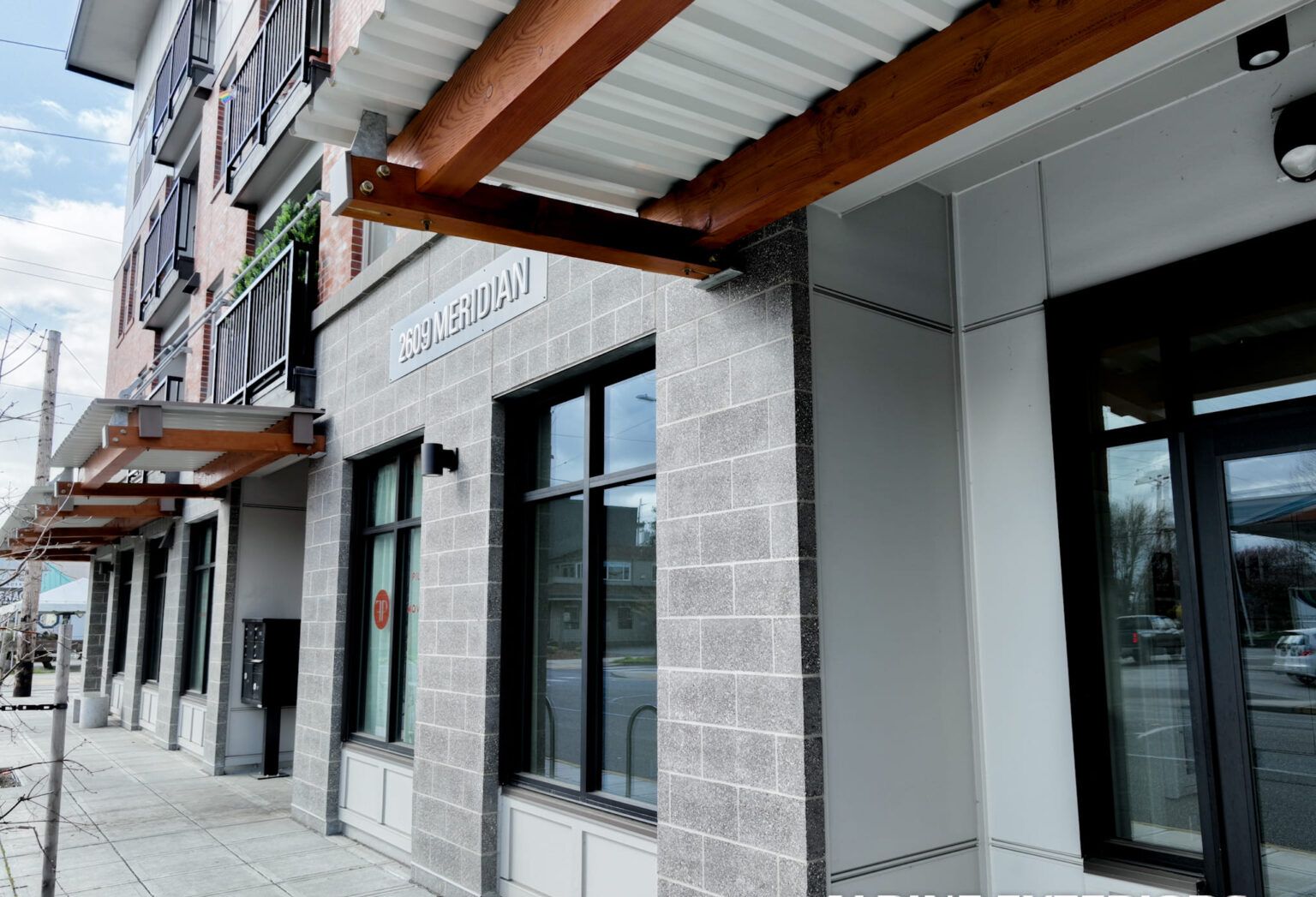
For most homes in Tampa, Wesley Chapel, Lutz, Land O' Lakes, New Port Richey, Plant City and Zephyrhills, PVC trim earns its higher price tag on fascia, soffit returns, band boards and any trim near ground contact or roof edges, because it doesn't rot, doesn't feed termites and doesn't need repainting every few years the way wood does in this climate. It isn't automatically the right call everywhere on a house, though — some decorative or low-exposure trim can still get by with primed wood or fiber cement, and PVC has its own quirks (thermal movement, fastening rules, a plastic look up close) that a homeowner should go in knowing about.
"PVC trim" usually means one of two things: solid cellular PVC boards (trimmed and fastened like lumber, then painted or left in a factory color) or PVC-capped composite trim that mimics a wood-grain finish. Both are extruded or foamed polyvinyl chloride, not painted wood and not fiber cement. That distinction matters because it changes how the material fails, or doesn't, over time. Wood trim in this part of Florida absorbs moisture through end grain and fastener holes, swells, and eventually rots or delaminates, especially at fascia boards under gutters, band boards near sprinklers and irrigation overspray, and any trim close to grade. Fiber cement trim resists rot but is still a cement-based product that can spall, crack, or absorb water at cut edges if it isn't sealed and maintained. PVC trim doesn't absorb water at all, so it doesn't swell, cup, or rot regardless of how much rain it sees or how long it stays damp between storms.
The tradeoff is that PVC behaves differently than wood in ways that catch installers off guard if they're used to framing with lumber. It expands and contracts with temperature far more than wood or fiber cement — a long fascia or rake board run in direct Florida sun can move noticeably between a January morning and a July afternoon. Manufacturers publish specific fastening schedules, expansion gap requirements at butt joints, and adhesive/fastener combinations for exactly this reason, and skipping them is the single biggest cause of PVC trim problems we see: buckled joints, popped fasteners, or caulk lines that split open a season or two after install. PVC also has a lower heat tolerance than people expect — dark colors on PVC trim can distort or warp in full sun, which is why most manufacturers restrict how dark a field-applied paint color can be, and why factory-finished trim in lighter or manufacturer-approved colors tends to hold up better here than a dark custom color coat.
On cost, PVC trim runs meaningfully more than primed wood trim and is usually priced closer to or somewhat above fiber cement trim, with the spread depending on board profile, thickness, and whether it's a solid cellular board or a capped composite. The payback isn't in the sticker price — it's in what you don't spend later: no recurring repaint-and-recaulk cycle every 3-5 years, no replacing rotted fascia sections after a wet summer, no termite-related trim repairs. For a homeowner planning to stay in the house a decade or more, that maintenance avoidance is usually the deciding factor, not the upfront number.
| Trim material | Rot / moisture risk here | Termite risk | Maintenance | Relative cost |
|---|---|---|---|---|
| Primed wood | High — swells and rots at joints, fascia, ground-contact trim | High if untreated | Repaint/recaulk every few years | Lowest upfront |
| Fiber cement trim | Low if sealed and maintained; cut edges are vulnerable | None | Repaint on a longer cycle; reseal cut ends | Mid |
| Cellular / capped PVC | None — doesn't absorb water | None | Occasional cleaning; avoid dark repaint colors | Mid to higher |
Trim choices that work fine in a drier or colder climate get tested harder around Tampa Bay. A few conditions specific to this area drive the recommendation above:
One more regional factor: any exterior trim product used here should carry current Florida Product Approval (an FL# approval number) or be installed per the manufacturer's Florida-specific installation instructions, and the installation itself has to meet the wind resistance and attachment requirements in the Florida Building Code for this wind zone. That's true whether you're using PVC, fiber cement, or wood — the code doesn't care what the trim is made of, it cares that it's fastened to resist the design wind pressure for the site. A legitimate PVC trim manufacturer will have product approval documentation available; if a supplier or installer can't produce it, that's a reason to ask more questions before signing a contract.
Start by walking the exterior and separating trim into two categories: trim that's exposed to weather and moisture cycling (fascia, soffit returns, band boards, window and door trim, any trim within a couple feet of grade or a roofline) and trim that's mostly decorative and sheltered (some gable details, porch trim under deep overhangs). The first category is where PVC earns its cost fastest. The second category is where a homeowner on a budget can reasonably choose primed wood or fiber cement and get years of service if it's kept painted and caulked on schedule.
Next, get an actual look at what's already on the house. If existing wood trim is already soft, delaminating, or showing termite damage, that's not a spot repair problem — it's usually a sign the same conditions will keep destroying whatever goes back up unless the material changes or the water source (a gutter, a sprinkler head, poor flashing) gets fixed first. Replacing rotted trim with new trim of the same material and not addressing why it rotted just restarts the clock.
When comparing bids, ask specifically:
Alpine Exteriors walks Tampa Bay homeowners through exactly this kind of area-by-area assessment before recommending a material, because the right answer is genuinely different for a fascia board under a gutter than for a sheltered porch detail. We'd rather quote the mix that actually fits the house than sell PVC trim everywhere it isn't needed.
PVC trim itself isn't damaged by wind-driven rain since it doesn't absorb water, but wind resistance comes down to installation, not the material alone. Trim has to be fastened per the manufacturer's schedule and meet the wind pressure requirements in the Florida Building Code for the site's wind zone; a PVC board installed with the wrong fastener spacing or no expansion gaps can still pop loose or buckle in a storm even though the material never rots.
It can, but with limits. Dark colors absorb more heat, and PVC trim can warp or distort if it gets too hot in direct Florida sun, so most manufacturers cap how dark a field-applied color can be on their product or require specific heat-reflective paint formulations for darker shades. Ask for the manufacturer's approved color range before committing to a dark repaint, especially on long fascia or rake board runs that see full sun most of the day.
It's usually worth prioritizing PVC on trim that takes the most moisture and wind exposure — fascia, soffit returns, band boards, and anything near grade or a roofline — since that's where wood trim fails fastest in this climate. Sheltered, low-exposure decorative trim can often stay wood or fiber cement without much risk, so a mixed approach by area is a reasonable way to control cost without giving up the durability where it matters most.
Ask for the product's current Florida Product Approval (FL# approval) documentation, which confirms it's been evaluated for wind resistance under the Florida Building Code. A legitimate manufacturer or licensed contractor should be able to produce this without hesitation; if that documentation isn't available, treat it as a red flag rather than assuming the product is code-compliant.
If you're weighing PVC trim against wood or fiber cement on a home anywhere from Tampa and Wesley Chapel to Lutz, Land O' Lakes, New Port Richey, Plant City or Zephyrhills, Alpine Exteriors will walk the exterior with you, point out where trim is actually failing versus where it's fine, and quote a material mix based on exposure rather than a one-size answer. Alpine Exteriors holds Florida contractor license RB29003900 and can talk through product approval documentation, fastening details and realistic cost ranges before any work starts. Reach out to schedule a walkthrough and get a straight answer on what your house actually needs.