
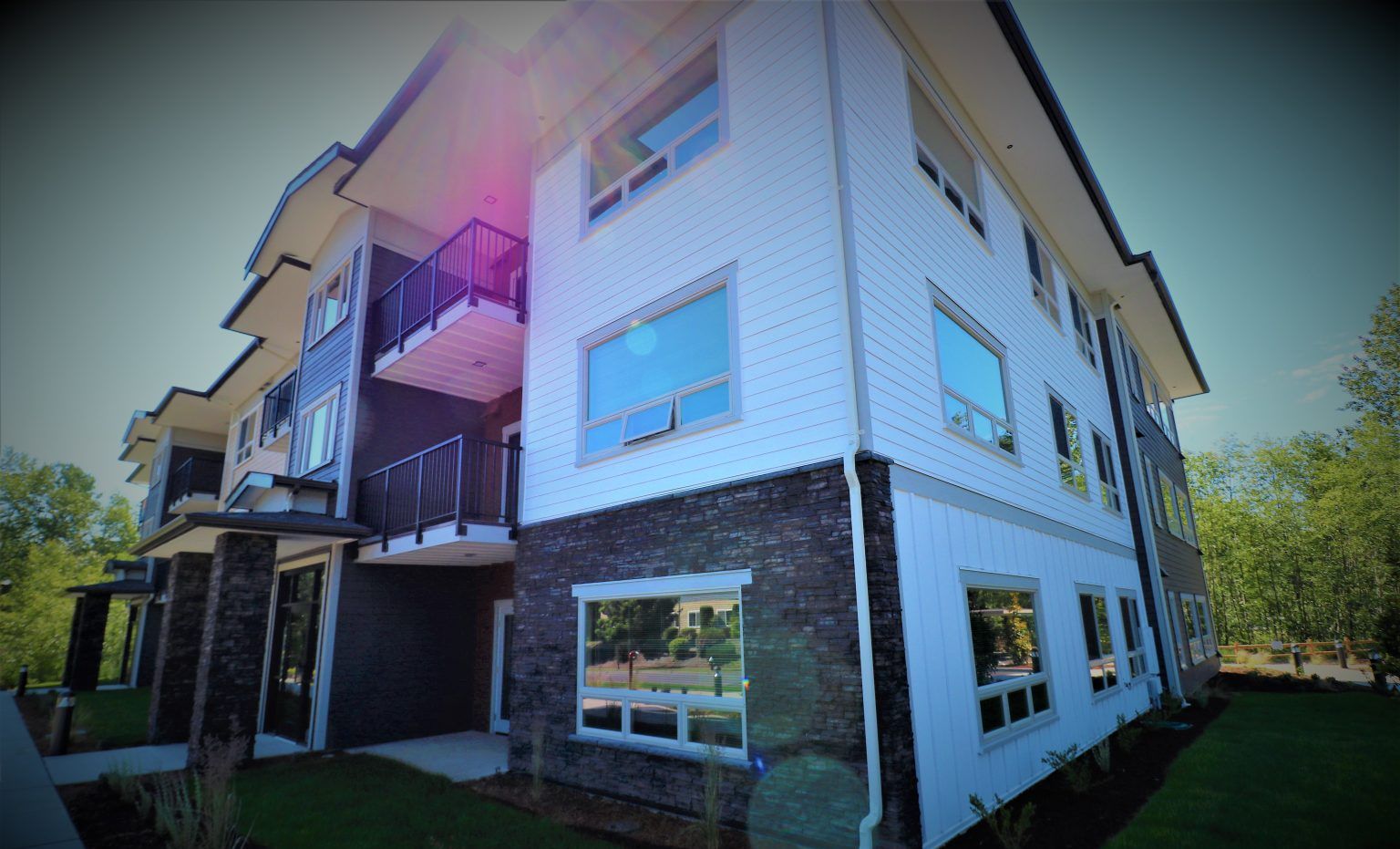
If you own a home in Jasmine Estates, your siding permit comes from Pasco County, not a city hall — Jasmine Estates is an unincorporated community, so Pasco County Building Construction Services reviews the plans and dispatches the inspector. Most full siding replacement jobs require a permit, and most small patch-and-repair jobs do not, but the line between the two is drawn by code language, not by how big the job feels to the homeowner.
Pasco County's Building Construction Services Division handles permitting, plan review, and inspections for all unincorporated areas of the county, and Jasmine Estates — tucked between New Port Richey and Trinity along US-19 — has never incorporated as its own city, so it falls squarely under that county authority rather than a New Port Richey city permit desk. That matters because the fee schedule, the online portal, the inspector rotation, and even the average turnaround time for plan review are all set by the county, and they don't always match what a homeowner might expect from browsing a nearby municipality's website.
Under the Florida Building Code, a permit is generally required whenever siding work goes beyond cosmetic touch-up: full tear-off and replacement, recovering an existing wall assembly with a new siding system, replacing damaged sections large enough to expose sheathing or house wrap, or any siding job that changes the building's water-resistive barrier. What usually does not require a permit is minor cosmetic patching — replacing a handful of cracked or faded panels that match the existing material without disturbing the underlying moisture barrier. The county draws that line partly because siding is treated as part of the building's weather envelope, and any work that affects how the wall sheds wind-driven rain gets code scrutiny.
The material itself has to clear a hurdle before it even gets to the job site: Florida Product Approval. Vinyl, fiber cement, aluminum, and engineered wood siding sold for use in Florida each carry a product approval number (or, less commonly, a Miami-Dade Notice of Acceptance used as an alternative path) that documents the product has been tested to resist the wind pressures the Florida Building Code assigns to that part of the state. When Alpine Exteriors pulls a permit for a Jasmine Estates job, the product approval documentation for whichever siding line we're installing gets submitted along with the application — it's not optional paperwork, it's the evidence the county's plan reviewer needs to sign off.
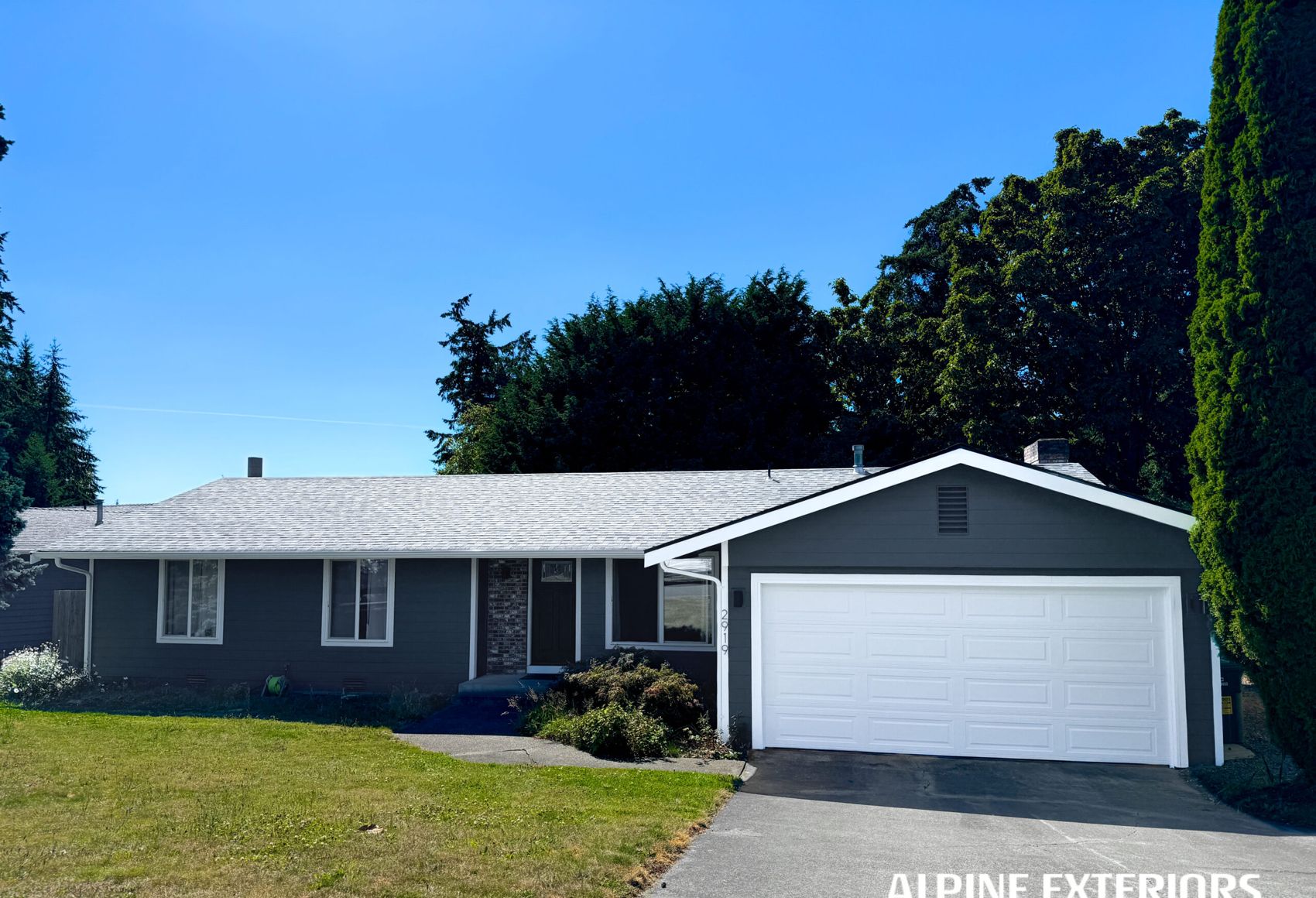
Pasco County sits in a part of Florida where the Building Code's wind-speed maps push design requirements well past what most of the country builds to — every siding system, every piece of trim, and every fastening pattern on a Jasmine Estates home has to be rated to survive hurricane-force gusts, not just hold up in a normal thunderstorm. That's why the fastening schedule on a siding job here isn't cosmetic: nail spacing, starter strip attachment, and corner post details are all part of what an inspector is actually checking, because a panel that blows off in a storm becomes a projectile and a hole in the weather envelope at the same time.
Wind-driven rain is the other half of that equation. Hurricanes and even routine summer squalls in this part of Florida don't just drop rain straight down — they drive it sideways and upward under laps and around penetrations, so the house wrap, flashing, and overlap details behind the siding matter as much as the siding itself. Pasco County's inspectors have seen enough failed installs to know that a siding job that looks fine from the curb can still let water behind the wall if the underlayment wasn't lapped correctly, which is one reason a mid-job inspection before the siding goes on is common on larger jobs.
Add in Tampa Bay's humidity and you get a second reason the moisture barrier gets attention: trapped water behind siding in a climate this humid doesn't just cause rot, it creates conditions for mold growth inside wall cavities long before any visible damage shows up outside. Intense, near year-round UV exposure is a third factor — it's less about the permit process and more about material choice, since siding here fades, chalks, and becomes brittle faster than it would in a milder climate, which is worth factoring into which product line you choose even though it doesn't change what triggers a permit.
Start by confirming the scope of your project honestly. If a contractor is proposing full replacement, recovering the whole house, or removing more than a patch's worth of existing siding, plan on a permit — don't let anyone talk you into skipping it to save time, because unpermitted exterior work can complicate a home sale, an insurance claim, or a future wind mitigation inspection.
It's also worth being realistic about timeline. Permit review at the county level can take anywhere from a few days to a few weeks depending on current volume, and that's before scheduling the actual installation. A contractor who promises same-day permitting and next-day installation on a full siding job is usually skipping a step, not moving faster than everyone else.
Yes, in nearly every case. Storm-damage repairs that involve removing and replacing siding sections, especially where sheathing or house wrap has been exposed to wind-driven rain, fall under the same Florida Building Code triggers as a planned replacement job. The urgency of storm repair doesn't remove the permit requirement, though Pasco County has, in past major storm events, adjusted review timelines to handle the volume of applications.
Doing your own labor as the homeowner doesn't change whether a permit is required — that's determined by the scope of the work, not who's doing it. If the job qualifies as a homeowner-permitted project under Florida's owner-builder provisions, you can apply for the permit yourself instead of through a contractor, but you'll still need the same product approval documentation and will still go through the same inspection process.
Turnaround varies with how busy the Building Construction Services Division is at the time, and it's honest to say there's no fixed number Alpine Exteriors can promise on a homeowner's behalf. Straightforward residential siding applications with complete product approval paperwork tend to move faster than incomplete submissions, which is part of why having an experienced local contractor assemble the application correctly the first time matters.
The county inspector checks that the installed product matches what was approved on the permit, that fastening patterns meet the wind-resistance requirements tied to the product approval, and that flashing and trim details around windows, doors, and penetrations look sound for shedding wind-driven rain. If anything doesn't pass, the inspector notes what needs correcting and a re-inspection is scheduled once the fix is made — it's a normal part of the process, not a sign a job has gone wrong.
If you're weighing a siding project in Jasmine Estates, New Port Richey, or anywhere else in the Tampa Bay area, Alpine Exteriors can walk through what your specific home will need — from product selection that holds up to Florida's sun and humidity, to the Pasco County permit and inspection process from start to finish. Reach out to Alpine Exteriors for a straightforward assessment of your home and an honest look at what the job actually involves.