
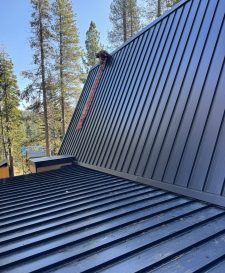
After a storm rolls through Jasmine Estates, siding damage is usually hiding in places a quick glance from the driveway won't catch: lifted panel edges on the windward corners, cracked or punctured sections from wind-driven debris, and soft spots low on the wall where water has been sitting behind the cladding for longer than anyone realized. Walk the full perimeter, photograph anything that looks off even if it seems minor, and get an inspection before you file an insurance claim so you know what you're actually dealing with.
Siding rarely fails from one dramatic event. Most storm damage in Pasco County is the result of a fast hit followed by a slow, quiet problem. During a tropical system or a strong summer squall line, wind doesn't just push rain sideways into the wall — it drives it under laps, around fasteners, and into any seam that was already a little loose from age or a prior storm. That water doesn't always show up as a stain right away. It can sit behind the panel, against the house wrap or sheathing, for days or weeks in Tampa Bay's humidity before mold, soft sheathing, or a musty smell in an interior room gives it away.
Wind itself does two kinds of damage. Sustained wind load can flex panels at their fastening points until nails or clips work loose, which is why you sometimes see a whole run of siding that looks fine from a distance but rattles or lifts easily when you press on it. Gusts and downed branches do the more obvious damage: cracked panels, punctures, corners knocked loose, or entire sections torn away on the side of the house that took the brunt of the wind. Both types matter for a claim, but the first kind is the one homeowners miss, because there's no dramatic hole to point to — just a house that's slowly losing its weather barrier.
UV exposure compounds all of this in the weeks after a storm. Central Florida sun is intense almost year-round, and any siding that's cracked, lifted, or missing its protective finish will degrade faster once it's directly exposed. A small storm crack that sits unrepaired through a few months of summer sun tends to widen, curl at the edges, or fade noticeably compared to the surrounding material, which makes color-matching a later repair harder and can turn a patch job into a full elevation replacement.
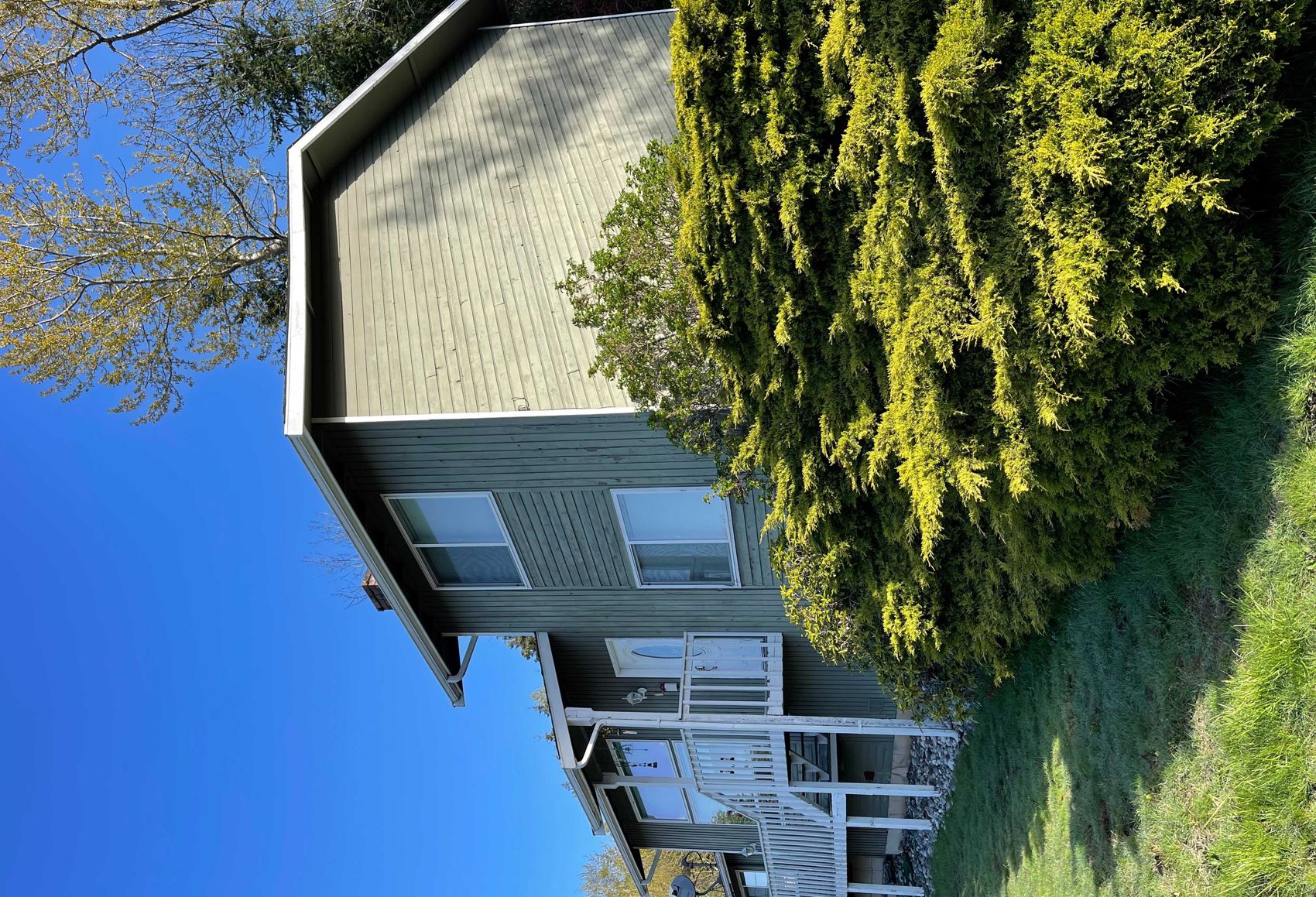
Jasmine Estates sits in a part of Tampa Bay where several stressors stack on top of each other instead of showing up one at a time. Wind load is the obvious one — this is hurricane and tropical storm territory, and homes here are built and repaired to standards set by the Florida Building Code, which sets minimum wind-resistance and water-intrusion requirements for exterior cladding based on the local wind zone. Any siding product installed or replaced on a home here should carry a valid Florida Product Approval, which documents that the specific product has been tested to perform under Florida's wind and water criteria — not just a generic manufacturer spec sheet from out of state.
Layered on top of the wind exposure is Tampa Bay's humidity, which runs high for most of the year and doesn't give building materials much of a chance to dry out between rain events. That combination is exactly what mold and mildew need, and it's why storm-damaged siding here needs to be dealt with quickly rather than left for a slower repair schedule. A gap or crack that might just be a cosmetic issue in a drier climate becomes an entry point for moisture that feeds decay in the wall assembly behind it.
Because New Port Richey and the surrounding Pasco County communities sit close enough to the Gulf to catch salt-laden air on onshore winds, fasteners, trim, and any exposed metal components on siding systems are under more corrosion pressure than they'd be further inland. That's a slower, quieter form of damage, but it's worth checking for on older homes, especially ones that haven't had siding work done in a decade or more. Termites are the other steady background pressure in this part of Florida — they don't care whether a storm just came through, but storm damage that exposes bare wood trim or soffit gives them an easier way in, so any repair is a good moment to check those areas too.
The order you do things in matters, both for the repair and for any insurance claim.
Alpine Exteriors works with Jasmine Estates homeowners through this process regularly, and one honest piece of advice: not every claim is worth filing. If the damage is limited to a couple of panels and well under your deductible, a straightforward repair often costs less in time and hassle than going through the claims process. A qualified inspection should tell you which situation you're actually in before you decide either way.
Storm damage tends to be sudden and localized — cracks, punctures, lifted panels, or missing sections concentrated on the side of the house that faced the wind, often paired with a specific storm date you can point to. Normal wear shows up gradually and more evenly across the whole house: fading color, chalking on the surface, or small hairline cracks from years of UV exposure. If you're not sure which you're looking at, a dated inspection report is useful both for your own records and for an insurance adjuster, since it separates pre-existing wear from damage tied to a specific event.
Most Florida homeowners policies cover wind and wind-driven rain damage to siding, but coverage details vary by policy, and older policies may apply different deductibles for named storms than for other wind events. Cosmetic damage clauses are common in Florida policies too, and some insurers limit payouts on siding that shows dents or scuffing without a functional breach. Read your policy's specific wind and hurricane deductible language, and don't assume a claim will be denied or approved until an adjuster has actually reviewed documented damage — every policy and every loss is different.
Not for long in this climate. A small opening that seems cosmetic can let wind-driven rain behind the panel during the next rain event, and Tampa Bay's humidity gives mold and wood decay very little downtime to not develop. Intense summer UV also tends to worsen an existing crack faster than in cooler, drier regions. It's reasonable to schedule a repair rather than treat it as an emergency, but it shouldn't sit through an entire rainy season unaddressed.
Yes — any siding installed in Pasco County has to comply with the Florida Building Code's wind-resistance and water-intrusion requirements for the local wind speed zone, and the specific product used should carry current Florida Product Approval documentation showing it's been tested for that performance. A licensed contractor should be able to show you the product approval for whatever siding they're proposing, not just a general manufacturer brochure. This matters for the durability of the repair and can also matter for insurance and resale down the road.
If a recent storm left your Jasmine Estates home with cracked panels, lifted seams, or you're just not sure what you're looking at, it's worth having someone take a real look before the next system comes through. Alpine Exteriors, Florida contractor license RB29003900, inspects siding across Tampa Bay including Jasmine Estates, New Port Richey, Wesley Chapel, Lutz, Land O' Lakes, Plant City, and Zephyrhills, and can walk you through what's damage, what's ordinary wear, and what your options actually are — repair, partial replacement, or a fuller upgrade — before you decide how to move forward with your insurer.