
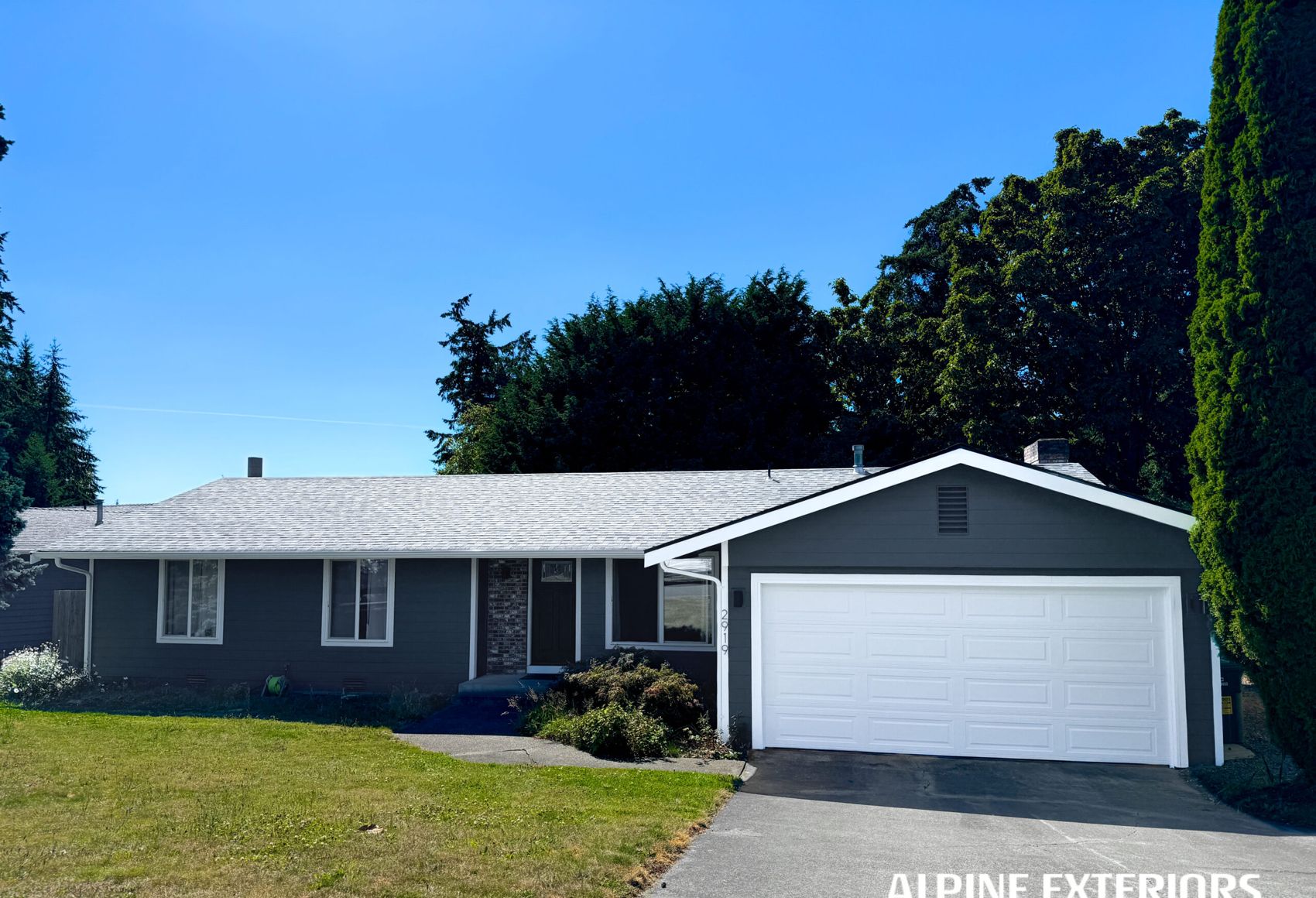
In Northdale and the rest of Hillsborough County, siding is not a decorative afterthought under the Florida Building Code, it is a load-bearing part of the wall assembly that has to be engineered, labeled, and fastened to resist hurricane-force wind and wind-driven rain. Every siding product installed here needs a valid Florida Product Approval, and every nail or clip has to follow a fastening schedule tied to the wind pressure your specific wall faces, not just the box's generic instructions.
The Florida Building Code does not treat siding as a single, one-size-fits-all product category. Instead, each manufacturer has to obtain a Florida Product Approval (an FL number, sometimes paired with a Miami-Dade Notice of Acceptance for products also rated for the High-Velocity Hurricane Zone) that documents the product's tested wind resistance, water infiltration performance, and approved installation methods. That approval isn't a formality: it is the document a building official pulls up during plan review and again during the field inspection to confirm the exact siding profile, fastener type, fastener spacing, and starter strip method match what was tested. Swap in a longer panel, a different nail size, or a wider fastener spacing than the approval allows, and the installation is technically out of compliance even if it looks fine.
Fastening is where most of the real engineering happens. Vinyl and fiber cement siding both rely on a hem-slot or nailing-flange system that lets the panel expand and contract with heat while still staying locked to the wall during high wind. The code-referenced fastening schedules specify nail type (corrosion-resistant, typically hot-dip galvanized or stainless, ring-shank in higher wind zones), nail penetration into structural sheathing or framing, and maximum spacing along the panel length, and those numbers get tighter as the design wind pressure on that wall increases. Panels near corners, gable ends, and eaves generally see higher suction loads than mid-wall field areas, which is why a compliant installation often uses closer fastener spacing in those zones even though the rest of the wall doesn't need it. Underneath the siding, the code also requires a continuous weather-resistant barrier with lapped and taped seams and properly integrated flashing at windows, doors, and any wall penetration, because wind-driven rain will find any gap in a storm long before straight-line wind ever tests the fasteners.
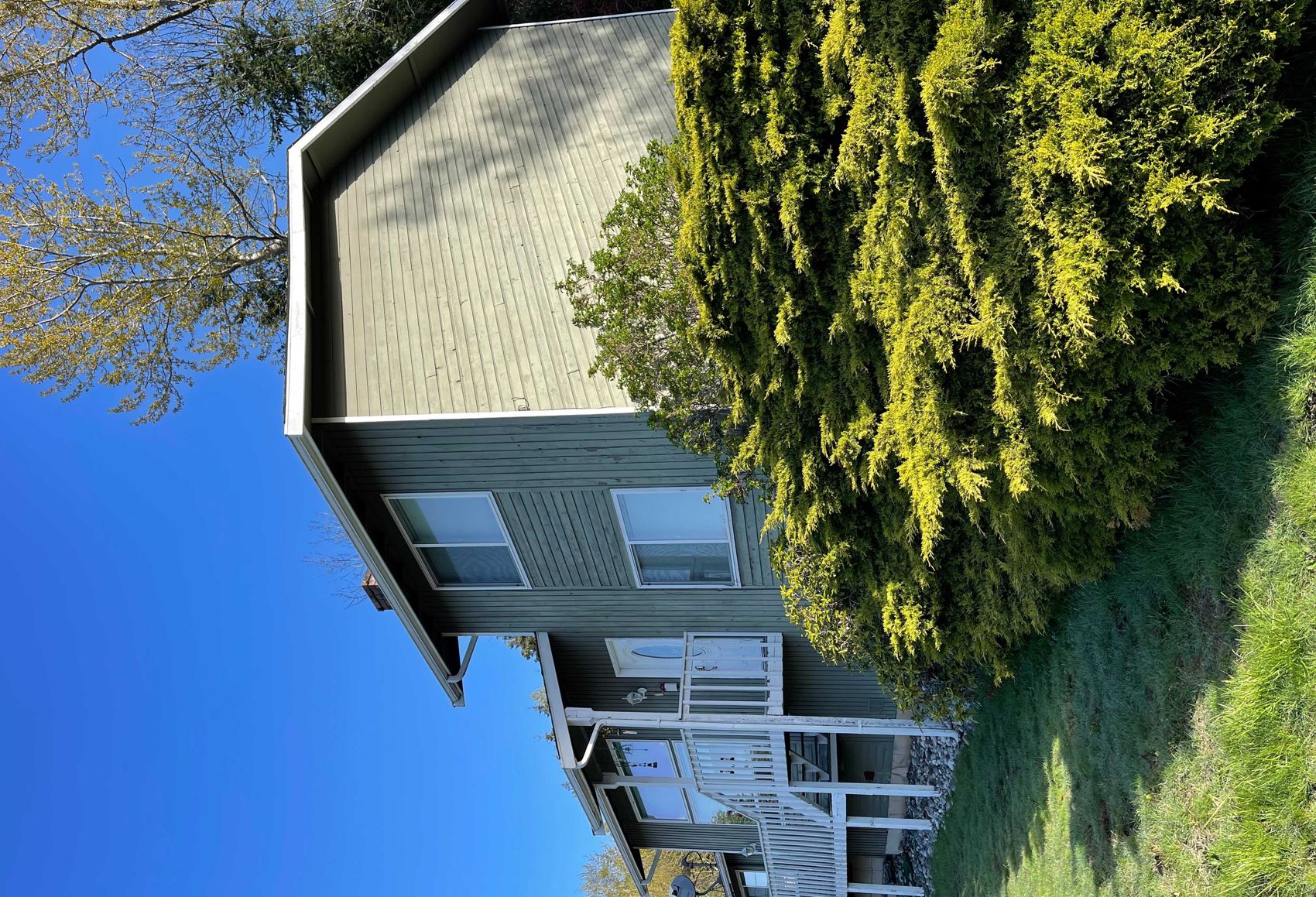
Hillsborough County sits outside Florida's High-Velocity Hurricane Zone, which is limited to Miami-Dade and Broward counties, so Northdale homes are not held to HVHZ-specific testing protocols. That does not mean the wind requirements are light. The ASCE 7 wind speed maps referenced by the current Florida Building Code place this part of the Tampa Bay area in a wind speed range that assumes a direct hurricane strike is a real design condition, not a hypothetical one, and every product approval for siding sold here has to be tested against that pressure range for the relevant risk category and exposure.
Beyond wind itself, three other regional conditions shape how siding actually performs after it's installed. First is wind-driven rain: Tampa Bay's storms don't just bring wind, they push rain sideways into wall assemblies, so flashing details and weather barrier laps matter as much as the panel itself. Second is humidity. Hillsborough County's year-round moisture load means any siding installed too tight against the wall, without the drainage gap or back-ventilation the product approval calls for, traps moisture behind it and invites mold and wood rot in the sheathing, especially on north-facing walls that dry out slowest. Third is UV exposure. Florida's sun is intense enough that siding colors and resin formulations fade and can become brittle faster here than in milder climates, which is a real, if slow-moving, maintenance issue homeowners should plan around rather than be surprised by a decade in. Termites are also a standing concern in Hillsborough County's soil and tree cover, which is less about the siding material itself and more about making sure any wood trim, fascia, or furring strips behind the siding are treated or inspected, since termite damage to structural framing can undermine the very fasteners the wind rating depends on. Northdale's inland location, away from the immediate coastline, means salt-air corrosion is a smaller factor here than it is for homes right on Tampa Bay's shoreline, but it is not zero, since Gulf-origin storms still carry some salt-laden moisture well inland during and after landfall.
Start by asking whatever contractor bids the job to show you the Florida Product Approval number for the specific siding product they're proposing, not just a manufacturer brochure. That number should be traceable, and the installation instructions tied to it should match the fastening pattern actually planned for your walls. Second, get a permit. Hillsborough County requires a building permit for siding replacement in most cases, and the inspection tied to that permit is your independent check that the fastening schedule, flashing, and weather barrier were done to code rather than to whatever was fastest. Third, ask specifically how corner and edge zones will be fastened, since those areas usually need tighter nail spacing than the field of the wall and are also the areas most likely to be shortcut on a rushed job.
Fourth, if you're doing this after storm damage or as part of a broader improvement, have your insurance agent confirm what a wind mitigation inspection under form OIR-B1-1802 does and doesn't cover for your policy; that form is built mainly around roof covering, roof deck attachment, roof-to-wall connections, and opening protection, so new siding by itself typically will not move that credit, and it's worth knowing that going in rather than expecting a premium change that isn't coming. Finally, budget for a moisture and ventilation check behind the old siding before the new material goes up. In this climate, a good installer should be looking at the sheathing condition, not just measuring for panels, and Alpine Exteriors treats that inspection step as standard rather than optional on Hillsborough County jobs. Cost for a full siding replacement on a typical Northdale home varies widely with square footage, material choice, and how much sheathing repair is needed, so get a written scope before comparing bids on price alone.
It's also worth being honest about the tradeoffs. Higher wind-rated fastening and more robust flashing details take longer to install correctly and cost more in labor than a bare-minimum job, and fiber cement products generally hold up better to UV and moisture over the long run than budget vinyl but cost more upfront and require repainting eventually. There's no single "best" material for every Northdale home; the right call depends on your budget, how long you plan to stay in the house, and how much of the existing wall assembly needs repair underneath.
In almost all cases, yes. Hillsborough County requires a building permit for siding replacement because the work touches the weather-resistant barrier, flashing, and fastening schedule that the Florida Building Code regulates, and the inspection tied to that permit is what confirms the installed product matches its Florida Product Approval.
No. The High-Velocity Hurricane Zone is limited to Miami-Dade and Broward counties. Hillsborough County, including Northdale, follows the standard Florida Building Code wind provisions and the ASCE 7 wind speed maps for this region, which still require a real, hurricane-informed design wind pressure but do not carry the extra HVHZ-specific testing protocols.
Usually not directly. The wind mitigation inspection form insurers use, OIR-B1-1802, is built primarily around roof covering, roof deck attachment, roof-to-wall connections, and opening protection like impact windows or shutters. Siding replacement improves your home's weather resistance and moisture protection, but it typically does not, by itself, change the specific wind mitigation credits an insurer applies.
Ask the contractor for the fastening schedule referenced in the product's Florida Product Approval and confirm the nail type, spacing, and penetration depth match what's specified for your wall's exposure, with tighter spacing expected at corners, gable ends, and eaves. A licensed contractor and the county inspection tied to your permit are both there to verify this before the work is closed up behind trim.
If you're planning a siding project in Northdale or anywhere else in the Tampa Bay area Alpine Exteriors serves, including Wesley Chapel, Lutz, Land O' Lakes, New Port Richey, Plant City, and Zephyrhills, it's worth getting a written scope that names the actual product approval and fastening plan before you compare bids. Alpine Exteriors, Florida license RB29003900, can walk your property, check the condition of the wall assembly behind your current siding, and put together a proposal that spells out the product, the fastening schedule, and the permit process in plain language. Reach out for a consultation and get a straight answer on what your home actually needs.