

In Trinity, which is unincorporated Pasco County, siding permits are issued by Pasco County Building Construction Services, not by a city hall. Almost any siding replacement or new siding installation on a home in Trinity requires a permit, because it involves removing and replacing a weather-resistant building envelope component that the Florida Building Code regulates.
Trinity does not have its own municipal government or building department. It is a census-designated place inside unincorporated Pasco County, so building activity there falls under the Pasco County Building Construction Services division, which reviews plans, issues permits, and schedules inspections for the area. This is different from nearby cities like New Port Richey, which run their own building departments. If you own a home in Trinity, the county — not a city — is your point of contact for permitting, and the county's adopted code is the current edition of the Florida Building Code (FBC) along with any local amendments Pasco County has adopted.
A permit is generally required whenever siding is removed and replaced, when new siding material is installed over existing siding, or when underlying sheathing, house wrap, or flashing is disturbed. The reasoning is straightforward: siding is part of the structure's weather envelope, and the county wants to confirm that the replacement product is installed to resist wind pressure and wind-driven rain consistent with the wind speed and exposure category assigned to the site. Simple cosmetic touch-ups, such as caulking a seam or replacing a single damaged panel using the exact same product and fastening pattern, are sometimes treated as maintenance and may not require a permit — but that determination is made by the county reviewer, not the homeowner or the contractor, so it is worth confirming before assuming an exemption applies.
Every siding product installed in Pasco County also has to carry a valid Florida Product Approval (an FL number) or a Miami-Dade Notice of Acceptance, along with the manufacturer's installation instructions for the specific wind pressure rating at the property. The permit reviewer checks that the product approval covers the wind loads calculated for that address, and the installation has to follow the fastening schedule listed in the approval, not just a generic pattern from the box. This is one of the more common reasons a siding permit gets kicked back for revision — the submitted product data doesn't match the required design pressure for the home's location and height.
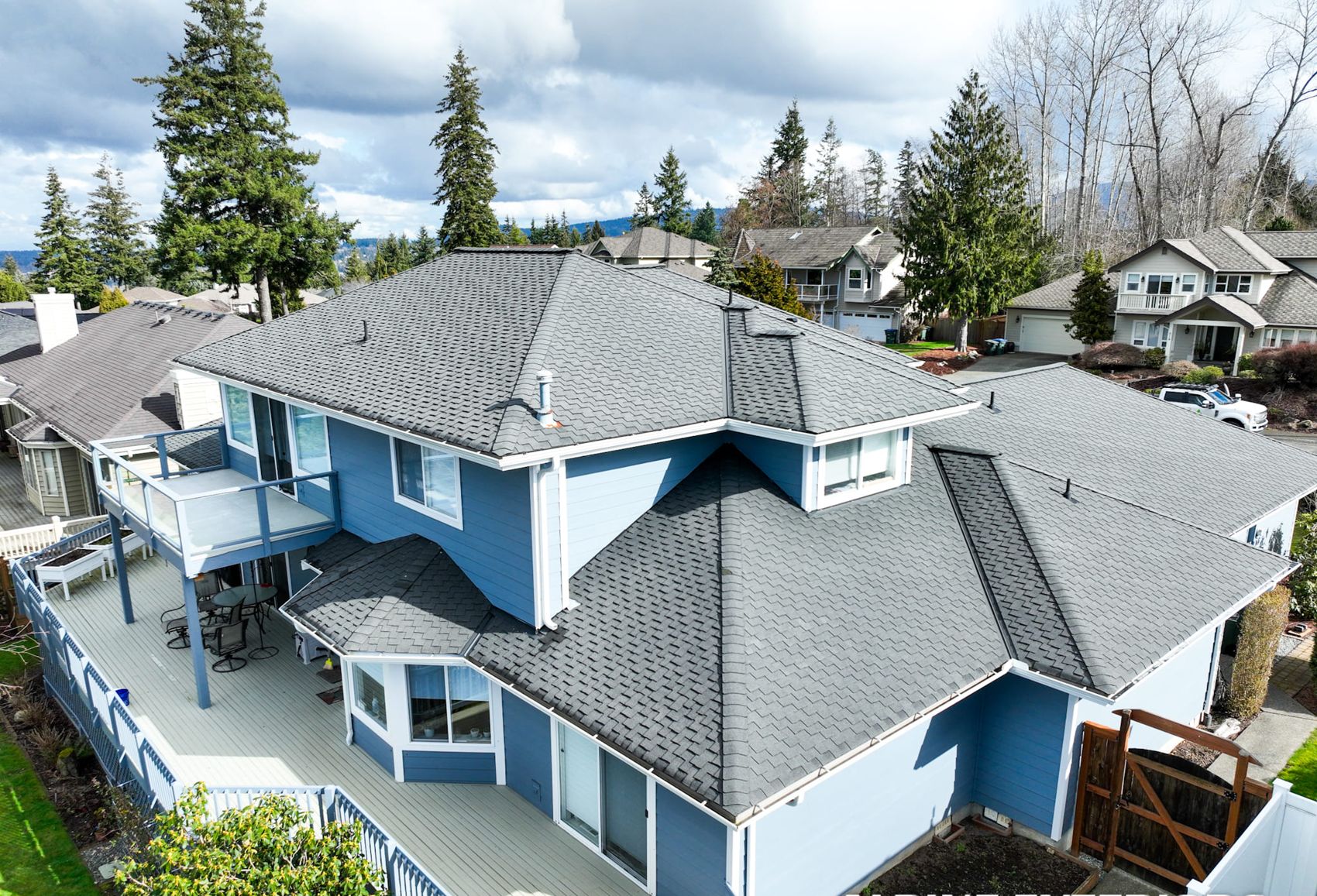
Pasco County sits in a part of Florida where the Florida Building Code assigns real wind design pressures, and Trinity, being closer to the Gulf side of the county than communities further east, can fall into a wind-borne debris region depending on the exact site and structure height. That designation affects what siding systems and fastening schedules are acceptable and can also affect whether opening protection is required elsewhere on the house during the same permit review. It is not something a homeowner should guess at — the permit application will state the applicable wind speed and exposure for the parcel, and the siding product's approval has to be rated to match.
Humidity is the other regional factor that shows up in siding decisions here, even though it isn't part of the permit review itself. West-central Florida runs hot and humid most of the year, and a siding assembly that traps moisture behind it — because house wrap was torn during removal, or flashing at windows and doors wasn't properly lapped — creates conditions for mold and wood decay behind the cladding long before it becomes visible from the street. Pasco County's inspection process is partly there to catch these issues while the wall is still open, which is one of the practical reasons skipping the permit and inspections is a bad idea beyond the legal exposure: nobody checks the house wrap and flashing detail if there's no inspection scheduled.
Intense UV exposure through most of the year also affects material choice and expected service life, and while that's a product-selection conversation rather than a permit requirement, it's worth factoring in when deciding what to install, since some vinyl and composite products fade or become brittle faster under continuous Florida sun than their published warranties suggest in milder climates.
Start by confirming the scope of work with whoever is doing the installation, because the permit application depends on it. A full tear-off and replacement is treated differently from installing new siding over existing material, and the inspector will want to know which one is happening. Alpine Exteriors, working under Florida contractor license RB29003900, typically handles the permit application directly as part of a siding project in Trinity and the surrounding Pasco County area, which is standard practice for licensed contractors and removes one more thing off the homeowner's plate — but it's still worth understanding what's being filed on your behalf.
For any siding project priced above the state's Notice of Commencement threshold, a Notice of Commencement has to be recorded with the Pasco County Clerk before the first inspection can be scheduled, and a copy generally needs to be posted at the job site. This is a Florida construction lien law requirement, not a Pasco County quirk, but it trips people up because it's a separate filing from the building permit itself.
Once the permit is issued, Pasco County will require at least one inspection, and depending on the scope, there may be an in-progress inspection to check house wrap, flashing, and fastening before the siding is fully closed up, followed by a final inspection once the job is complete. Don't let a crew close up the wall before an inspector has signed off on anything that requires an in-progress check — reopening finished siding to expose flashing for a failed or skipped inspection costs more in time and material than doing it in the right order the first time.
Most siding work needs a permit because it affects the structure's weather envelope, but genuinely minor maintenance — like replacing one damaged panel with an identical product and no disturbance to the underlying wrap or flashing — is sometimes exempt. That's a judgment call the county makes, so it's safer to ask Pasco County Building Construction Services or your contractor before assuming a repair doesn't need one.
Pasco County Building Construction Services issues the permit, since Trinity is unincorporated and doesn't have a separate municipal building department. Homeowners sometimes assume New Port Richey or another nearby city handles it because those cities are close by, but Trinity permits route through the county.
It varies with the county's current review workload and how complete the initial application is — a submission missing product approval documentation or an accurate wind pressure calculation will take longer because it comes back for revision. Building in a few weeks of buffer between permit submission and a planned start date is realistic rather than assuming next-day approval.
Unpermitted work can lead to stop-work orders, fines, and real complications when the home is sold, since a title search or buyer's inspection can surface work that was never permitted or inspected. It can also mean nobody ever verified the flashing and house wrap were installed correctly, which matters in a humid climate where hidden moisture problems don't show up until there's already damage behind the wall.
If you're planning a siding replacement or new installation in Trinity or anywhere else in the Tampa Bay area — Tampa, Wesley Chapel, Lutz, Land O' Lakes, New Port Richey, Plant City, or Zephyrhills — Alpine Exteriors can walk through the scope of work, the product options rated for your property's wind requirements, and the permit process with Pasco County before a single panel comes off the wall. Reach out to Alpine Exteriors for a straightforward conversation about what your project actually needs.