
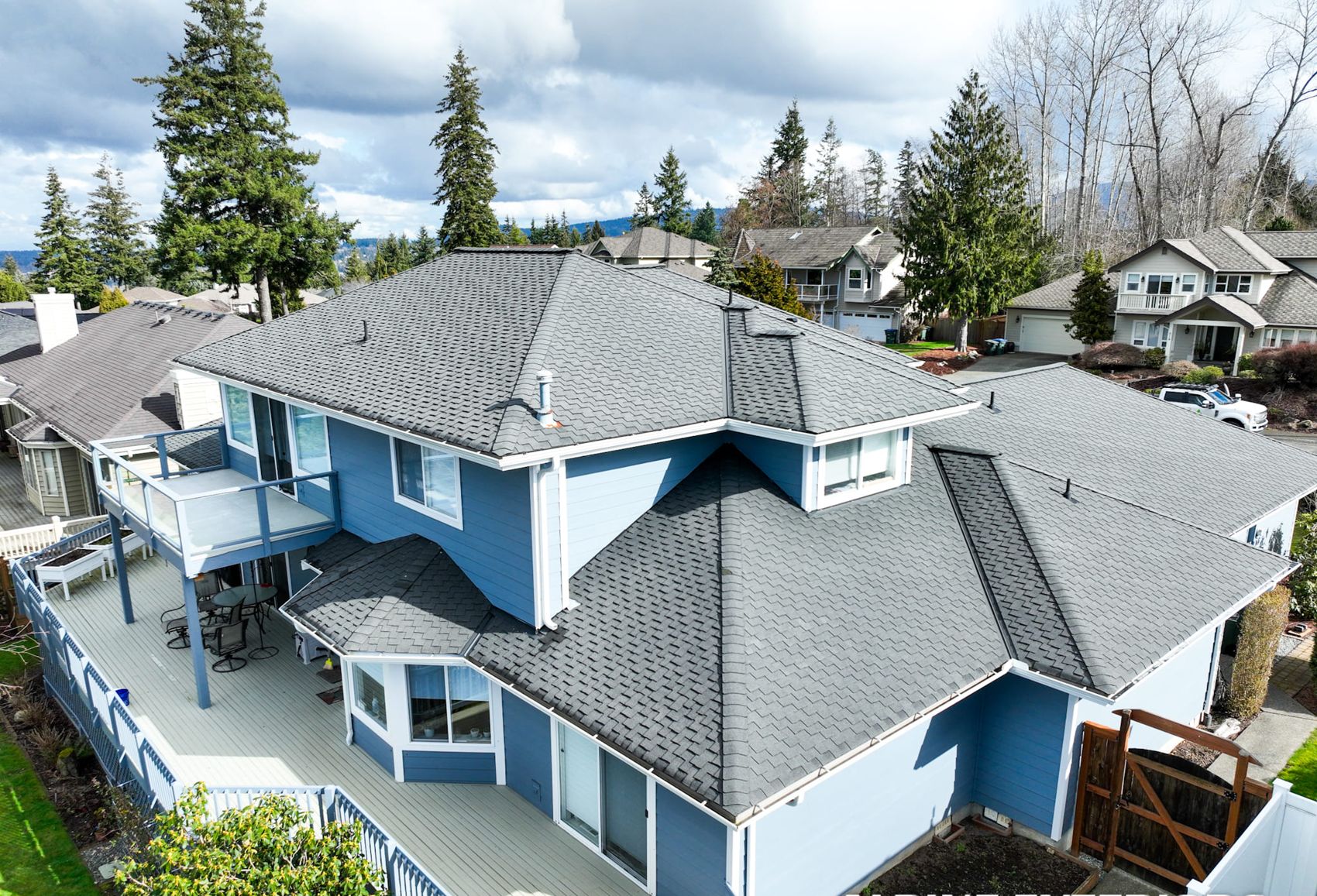
Yes, once a stucco wall has failed from water intrusion, replacing it with fiber cement or engineered wood siding is usually a better long-term fix than patching or re-stuccoing the same assembly. It costs more up front than a stucco patch, but it removes the trapped-moisture problem that caused the claim in the first place instead of rebuilding it back into the wall.
Most stucco water intrusion claims in this area trace back to the same root cause: a house wrapped in a rigid, largely non-draining cladding system that was installed without enough attention to flashing, weep screeds, or a functioning drainage plane behind it. Water gets in through a hairline crack, a bad window flashing detail, a stucco-to-roof transition, or a control joint that was never sealed correctly. Once it is behind the stucco, it has almost nowhere to go. The sheathing, house wrap, and framing underneath stay wet, and in a hot, humid climate that moisture does not dry out between rain events, it just sits there feeding rot and mold until someone notices soft spots, staining, or a spike in the electric bill from a wall that has lost its insulation value.
An insurance adjuster who confirms the damage as sudden water intrusion, rather than long-term neglect or lack of maintenance, which most policies exclude, will typically scope repair to the affected wall section. That is the moment homeowners have a real decision to make: patch the stucco back the way it was, or use the claim as the opportunity to switch that wall, or the whole house, to a siding product with a drainage plane built in. Fiber cement siding installed over a code-compliant weather-resistive barrier and rainscreen gives water an actual exit path instead of a dead end, which is the single biggest difference between a repair that lasts and one that fails again in a few years.
The honest tradeoff: siding costs more than a like-for-like stucco patch, generally by a wide range depending on how much wall area is involved, the product line, and whether the underlying sheathing needs replacement too. It also changes the exterior appearance, which not every homeowner or HOA wants. And a partial siding conversion, just the damaged elevation, can look mismatched next to untouched stucco unless it is planned with that in mind. None of that makes it the wrong call, but it is worth going in with eyes open rather than assuming it is a simple swap.
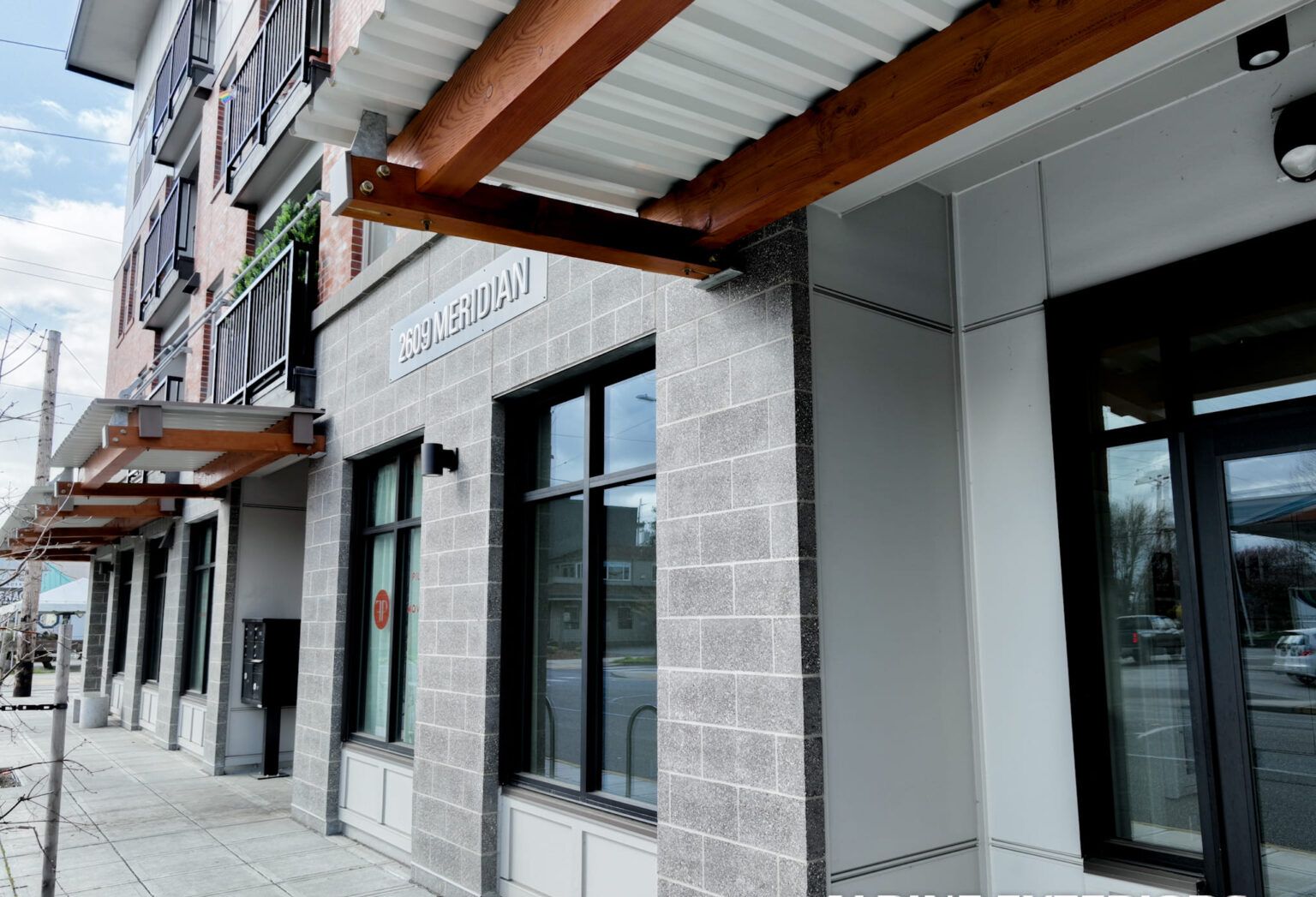
Water intrusion behind stucco is a bigger deal here than in drier climates because of what happens after the water gets in, not just how it gets in. A few things compound it in Tampa, Wesley Chapel, Lutz, Land O' Lakes, New Port Richey, Plant City, and Zephyrhills specifically:
All of this is also why any exterior cladding installed or replaced here has to meet Florida Building Code requirements and carry a valid Florida Product Approval, or Miami-Dade NOA where applicable, for wind resistance. It is not optional paperwork, it is the difference between a wall system rated for local wind loads and one that is not. Alpine Exteriors specs siding and fastening schedules to the product approval for the specific line being installed, not a generic install pattern pulled from a different climate.
Start with the moisture, not the cosmetics. If a stucco leak has been confirmed, visible staining, a soft spot when you press on the wall, a musty smell inside near an exterior wall, or a moisture meter reading from a contractor or adjuster, the framing and sheathing behind it need to be opened up and inspected before any decision about the finish gets made. Covering a wet wall with new siding without drying it out and replacing rotted sheathing just relocates the problem.
Next, document everything before demolition starts: photos of the visible damage, the adjuster's scope of loss, and any moisture readings. That paper trail matters if the claim gets disputed or if you later decide to convert more of the house than the original claim covered.
Then get a real comparison, not just a patch quote. Ask a contractor to price both options against each other, stucco repair in kind versus converting the affected walls to fiber cement siding with a proper drainage plane, so you can weigh the actual cost difference against the fact that one of those options addresses the underlying drainage failure and one does not. If you are only converting part of the exterior, talk through how the transition will look and whether it is worth extending the siding to a full elevation or corner for a cleaner line rather than stopping mid-wall.
Finally, if the whole house eventually gets new siding and improved flashing details, ask about updating your wind mitigation inspection. Florida's OIR-B1-1802 wind mitigation form documents things like roof-to-wall connections and opening protection that can affect windstorm insurance premiums, and while siding replacement itself is not usually the trigger for a new form, it is worth checking with your insurer if other wind mitigation features are being touched at the same time.
Alpine Exteriors works through this sequence with homeowners across the Tampa Bay area regularly, inspecting the actual extent of the damage first, giving a straight answer on whether patching is realistic or whether the wall needs to come off, and pricing both paths so the homeowner is the one making the call, not the contractor.
It depends on the policy and the adjuster. Most homeowners' policies cover repair or replacement in kind, meaning they will pay to restore the wall to a comparable condition with stucco, not necessarily to upgrade it to a different cladding material. Some adjusters will approve a material change if the contractor can show it is a reasonable, cost-comparable repair method for the type of damage found, but that is a negotiation, not a guarantee. Many homeowners end up paying the difference between the stucco repair estimate and the siding conversion out of pocket.
You do not have to redo the whole exterior, a single wall or elevation can be converted to siding while the rest stays stucco. The tradeoff is appearance: a mismatched material change on one side of the house is more noticeable on some architectural styles than others. Some homeowners split the difference by converting the most exposed elevation now and planning the rest as a future phase.
For a single affected wall, the work itself, removing damaged stucco, addressing wet or rotted sheathing and framing, installing a new weather-resistive barrier and siding, typically runs from a few days to a couple of weeks depending on how much sheathing replacement is needed. The bigger variable is usually the insurance side: getting the claim scoped, approved, and any supplement requests resolved often takes longer than the physical installation.
Fiber cement is the most common choice for stucco conversions in this area because it holds up to humidity, UV, and wind-driven rain without the moisture-trapping behavior that caused the original failure, and it is available in Florida Product Approved profiles rated for local wind loads. Engineered wood and vinyl siding are also used depending on budget and the look a homeowner wants, but each has different moisture and wind-rating tradeoffs worth discussing against the specific wall assembly and exposure.
If stucco on your home has failed and you are weighing a repair against a switch to siding, the wall itself should drive that decision, not a generic estimate. Alpine Exteriors, Florida contractor license RB29003900, inspects stucco water intrusion damage for homeowners throughout Tampa, Wesley Chapel, Lutz, Land O' Lakes, New Port Richey, Plant City, and Zephyrhills, and provides a straight comparison of stucco repair versus siding conversion so you know what you are actually choosing between before work starts.