
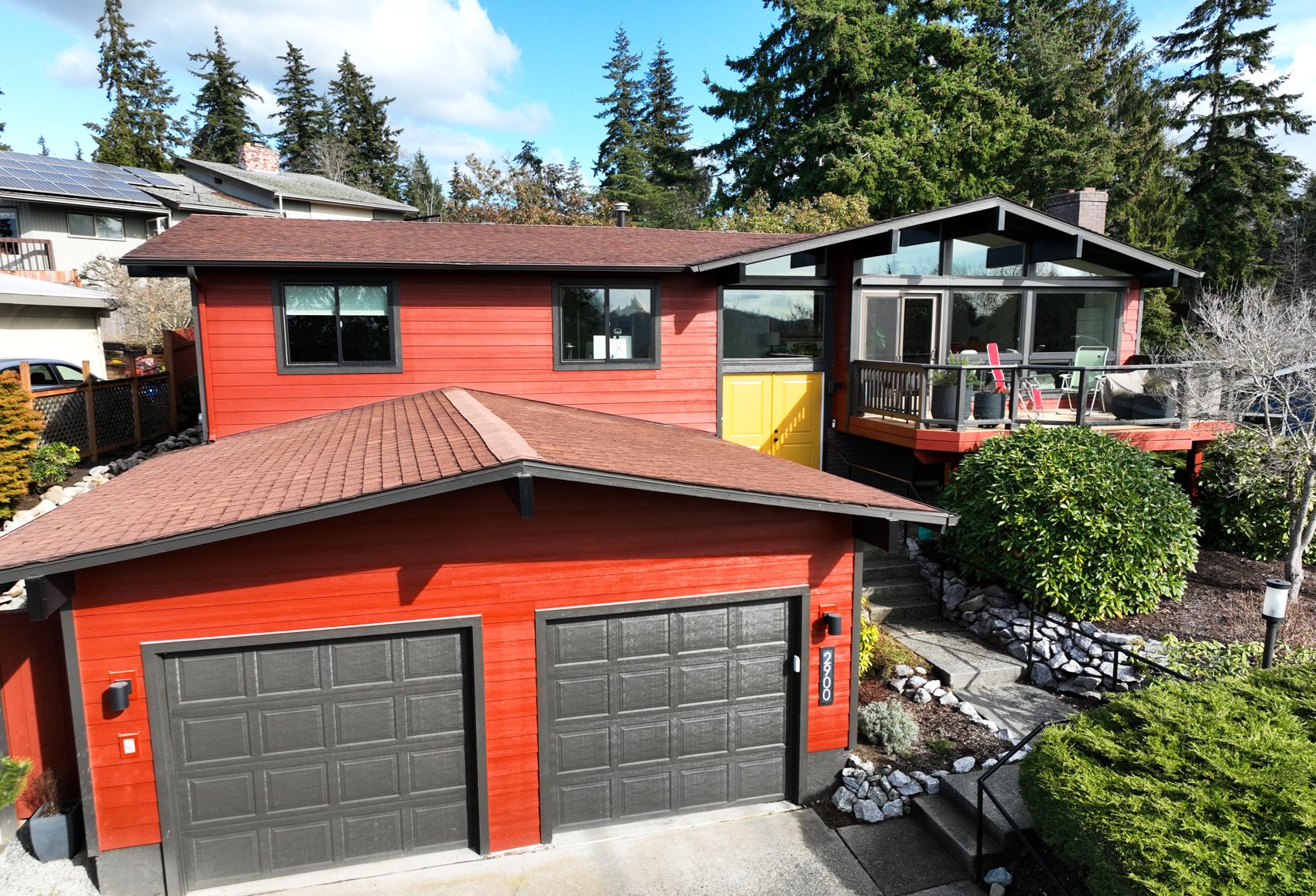
Jasmine Estates sits in that stretch of Pasco County where Gulf humidity, summer thunderstorms, and the occasional tropical system all take turns working on a house's exterior. Siding here does a lot of quiet, unglamorous work — shedding wind-driven rain, holding paint against relentless UV, and keeping moisture out of wall cavities in a climate where wood framing and sheathing don't get much of a break to dry out. When siding starts to fail, it rarely announces itself with a dramatic collapse. It shows up as small, easy-to-dismiss details: a slightly wavy panel, a streak that keeps coming back after you power-wash it, a seam that feels a little too soft under a thumb. Catching those details early is the difference between a patch repair and a full re-side, and in a storm-prone area like Jasmine Estates, it can also be the difference between siding that stays put in a summer squall and siding that ends up in your neighbor's yard.
Vinyl and some fiber-cement products expand and contract with temperature, and Jasmine Estates gets a wide daily swing — cool, humid mornings followed by surface temperatures on a sun-facing wall that can climb well past 120°F by mid-afternoon. Siding is engineered to move slightly within its fastening system to handle that cycling. When it was nailed too tightly during the original install, or when panels have absorbed moisture behind them, that expansion has nowhere to go and the panel bows or ripples instead of sliding smoothly. A few isolated waves after a heat wave aren't automatically an emergency, but widespread buckling across a wall usually means the fastening pattern or the substrate underneath needs a real look, not just a reset.
This is one of the more storm-relevant signs on this list. Florida Building Code requires siding products to carry a Florida Product Approval rating for wind resistance, and installers are supposed to follow the fastening schedule tied to that approval and the home's specific wind zone. Over time, though, fasteners back out, clips fatigue, or an earlier repair used the wrong nailing pattern. The result is a panel that flexes visibly in a stiff breeze or has already separated slightly from the wall. In a region that sees tropical storm and hurricane-force wind events, a loose panel is a future flying panel — and it's also an open invitation for wind-driven rain to get behind the cladding during the next heavy squall.
Cracks usually trace back to one of two causes here: impact damage from wind-thrown debris — palm fronds, tree limbs, patio furniture — during a storm, or long-term UV embrittlement that makes older siding brittle enough to crack from something as minor as a ladder brushing against it. Either way, a crack is a breach in what's supposed to be a continuous water-shedding surface, and it tends to get worse with every freeze-thaw-adjacent contraction cycle and every heavy rain that finds its way into the gap.
Press gently on a seam, a butt joint, or the bottom corner near grade. If it gives slightly or feels damp compared to the surrounding wall, water has likely been getting behind the siding for a while — often through a failed seam, an under-flashed window, or a gap where two courses meet. Given how much of the year Jasmine Estates spends at high humidity, moisture that gets trapped behind siding doesn't dry out quickly. That's exactly the environment wood rot and mold need, and it's also the kind of damage that's invisible from the driveway until the siding itself starts to sag.
Some surface mildew after a rainy stretch is normal for almost any exterior in this part of Florida, particularly on shaded north- and east-facing walls or spots that get sprinkler overspray. What's worth paying attention to is streaking or dark growth that returns quickly after cleaning, or that appears in a consistent spot year after year. That pattern usually means water is lingering somewhere it shouldn't — behind a panel, under a poorly lapped seam, or at a joint where caulk has failed — and the visible mold is just the symptom showing up on the surface.
Central Florida's UV load is intense for most of the year, and pigments in siding, paint, and caulk break down under that exposure faster than they would in a milder climate. A light, even fade across a whole wall is mostly cosmetic and expected over the life of a siding system. Heavy chalking — a powdery film that rubs off on your hand — is a sign the surface coating has broken down more seriously and is losing its ability to protect the material underneath, particularly on darker colors that absorb more heat and UV energy.
Caulk and sealant are the first line of defense at every window, corner post, hose bib, and vent penetration. In this climate, sealants dry out and shrink faster than in cooler regions, and once a bead cracks or pulls away, that joint becomes a direct path for wind-driven rain during the next storm. This is a small, cheap thing to fix when caught early and a much bigger one once water has already tracked behind the trim.
Pasco County sees regular subterranean termite pressure, and any wood trim, fascia, or wood-based siding component near grade is a potential entry point. Mud tubes running up a foundation wall toward the siding line, wood trim that sounds hollow when tapped, or small piles of frass near the base of a wall are all signs worth acting on quickly, since termite damage to structural framing behind the siding is far more expensive to fix than the siding itself.
| Act now | Can be scheduled |
|---|---|
| Active water intrusion, visible interior staining, or soft/spongy wall sections | Light, even chalking or fading across a wall |
| Loose, flapping, or storm-damaged panels heading into hurricane season | Minor surface scuffs or small cosmetic dents |
| Confirmed or suspected termite activity near or behind siding | A single hairline crack that hasn't gone through the panel |
| Exposed sheathing, felt, or house wrap after a panel has come off | Caulk that's still intact but starting to look tired |
The general rule: anything that's currently letting water or pests into the wall assembly is urgent, and anything that's purely cosmetic can be planned for on a normal maintenance timeline. When in doubt, especially with June through November on the calendar, it's worth having someone take a closer look rather than guessing.
Start by walking the exterior and photographing anything from the quick list above, including a wide shot of the wall and a close-up of the specific issue — that documentation is useful whether you're calling a contractor or filing an insurance claim. If a storm caused the damage, or if you're evaluating whether your policy's wind mitigation credits still reflect your home's actual condition, it's also worth having your OIR-B1-1802 Uniform Mitigation Verification Inspection Form on hand or updated, since insurers use it to price wind coverage on Florida homes.
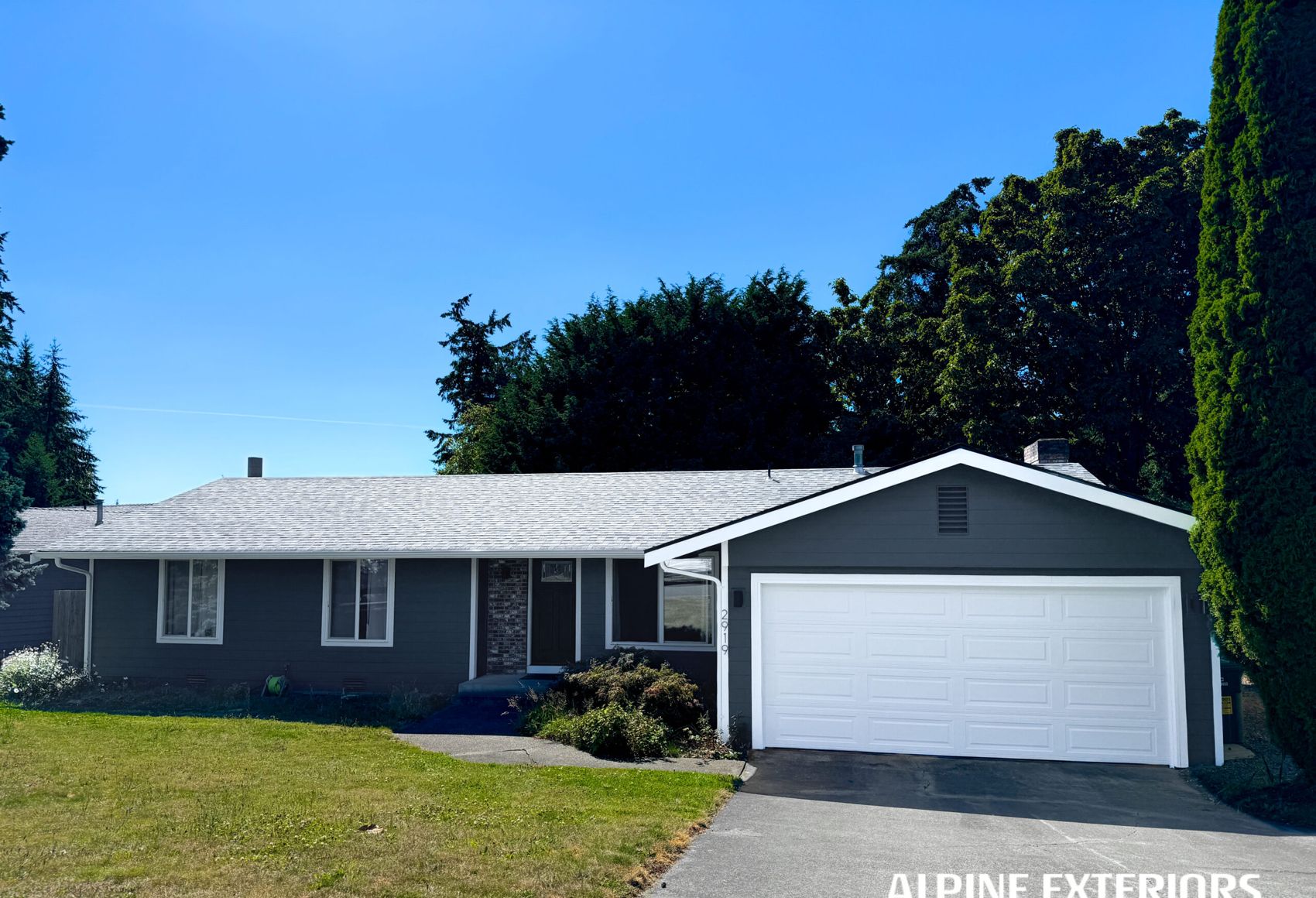
From there, get a professional inspection rather than trying to diagnose seam-level moisture damage from the ground. A contractor should be able to tell you whether you're looking at an isolated repair — a few panels, a resealed seam, refreshed caulk — or a sign that the siding system as a whole is past its useful life. If replacement is on the table, make sure whatever goes back up carries a current Florida Product Approval rated for your wind zone; that approval, plus correct fastening, is what actually keeps siding attached in a tropical storm rather than just looking good on a calm day. Timing matters too: scheduling repairs or replacement before the heart of hurricane season, rather than during or right after a storm when every contractor in Tampa Bay has a full board, generally means more choice in materials and a less rushed installation. Alpine Exteriors serves Jasmine Estates and the surrounding New Port Richey area and can walk a homeowner through which category their siding falls into before committing to a full project.
Cosmetic issues tend to be uniform and don't change texture — even fading, light chalking, or a small ding that doesn't go through the panel. Real problems usually involve a change in feel or shape: softness when pressed, a panel that's visibly separated from the wall, or staining that reappears after cleaning. When you're not sure which category something falls into, a hands-on inspection is worth more than guessing from the ground.
It depends on the cause and your specific policy. Wind and storm-related damage is often covered subject to your deductible, while damage from long-term neglect, humidity, or gradual wear typically is not, since most policies treat that as a maintenance issue rather than a sudden loss. Photo documentation from before and after a storm event, along with an up-to-date wind mitigation form, generally makes any claim easier to support.
There's no single perfect answer, but the materials that tend to perform well here share a few traits: a current Florida Product Approval for wind resistance, good resistance to moisture and rot at seams, and a finish that holds color under heavy UV exposure. Fiber-cement and higher-grade vinyl systems both have a track record in this market when they're installed with the correct fastening schedule and flashing details — the installation quality often matters as much as the material choice itself.
For an average single-family home, a full re-side is usually measured in days to a couple of weeks rather than months, depending on the home's size, how much of the substrate needs repair once the old siding comes off, and weather delays, which are a real factor during Florida's rainy season. Costs vary widely based on material choice, home size, and the condition of what's underneath, so a full re-side can range from a modest project to a more substantial five-figure investment — an on-site estimate is the only way to get a number that actually reflects your house.
If any of these signs sound familiar on your Jasmine Estates home, it's worth getting an honest, no-pressure assessment before the next storm system makes the decision for you. Alpine Exteriors, Florida contractor license RB29003900, works throughout Tampa Bay — including Jasmine Estates, New Port Richey, Wesley Chapel, Lutz, Land O' Lakes, Plant City, and Zephyrhills — and can tell you plainly whether you're looking at a targeted repair or a full replacement, with product options suited to this climate. Reach out to schedule an inspection and get a clear, written picture of where your siding actually stands.