
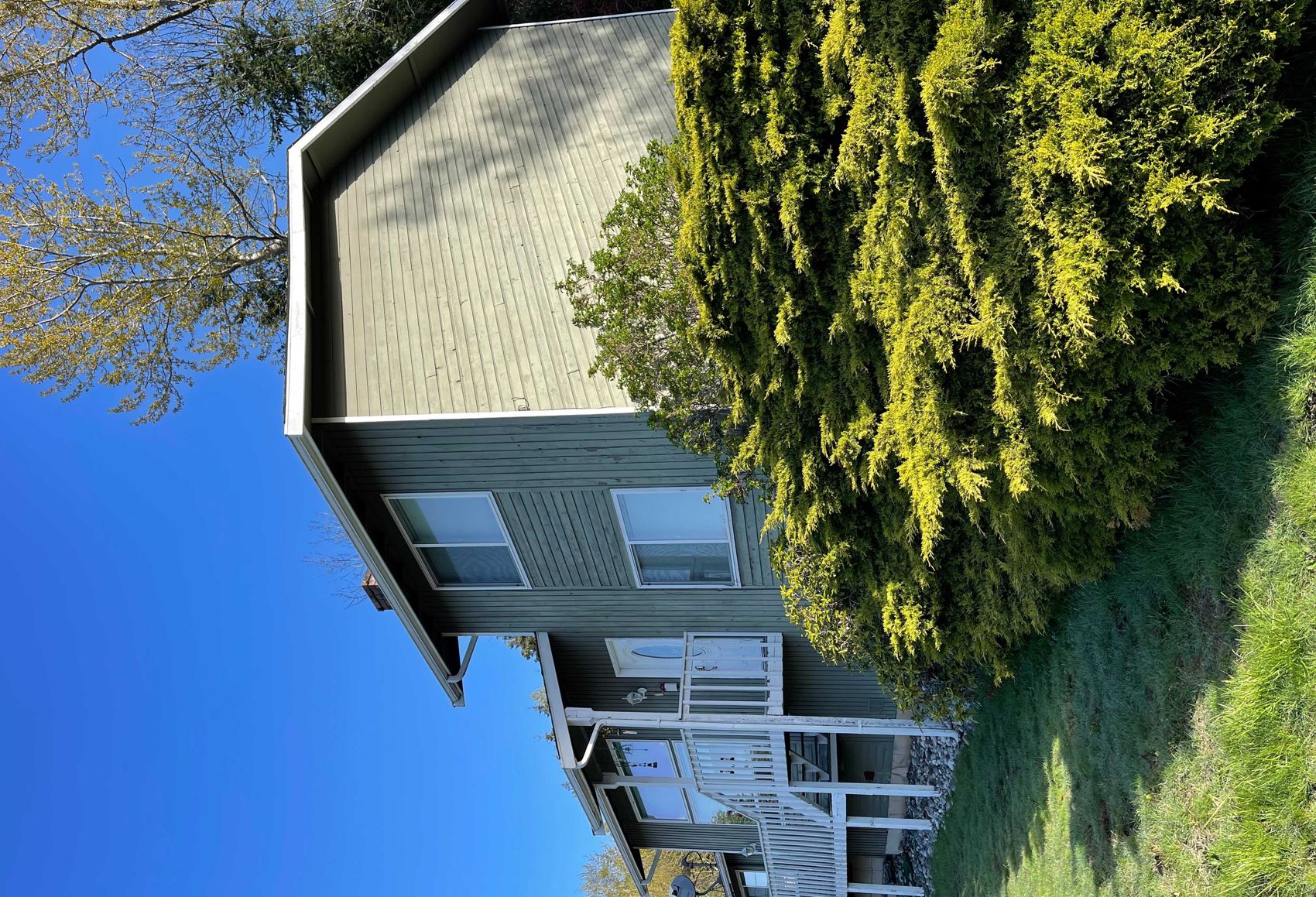
Starkey Ranch is one of the newer master-planned communities in Pasco County, and most of its homes are still well inside the first decade of life. That doesn't mean the siding is immune to trouble. Homes here sit through the same Tampa Bay summer pattern every year: intense UV exposure at midday, a fast-moving afternoon thunderstorm that drives rain sideways into walls, then a stretch of heavy humidity that never really lets the wall assembly dry out before the next storm arrives. Add the wind loads a tropical system or a strong squall line can put on a wall, and even siding installed correctly a few years ago can start showing stress. This page walks through what to look for, what's actually causing it in this part of Pasco County, and how to tell an urgent problem from one you can plan around.
If siding no longer sits flat and instead has a visible wave running along a section of wall, the material is expanding and contracting more than it should. In Starkey Ranch, this usually traces back to one of two things: panels that were nailed too tightly during installation, which doesn't leave room for normal thermal movement, or repeated cycles of intense daytime heat followed by a sudden downpour that cools the surface fast. Vinyl and some fiber cement products are especially sensitive to this if the fastening wasn't done to the manufacturer's specified reveal and nailing pattern. A little bit of movement is normal; a wall that ripples every time the sun hits it is not.
Corners, trim boards, and the areas right around nail heads take the most stress during wind events, because that's where the panel is held rigid while the rest of the wall flexes. During a tropical storm or a strong summer squall, wind-driven rain finds any crack like this and pushes moisture behind the panel rather than letting it run off the surface. Once water gets behind siding in a humid climate like ours, it rarely dries out fully between storms, which sets up the wall for rot or mold long before the crack itself looks serious.
Press on a suspect area with your palm. If it gives more than the surrounding wall, or you see a bubble under paint or finish, water has already gotten into the substrate. This is one of the more serious signs on this list, because by the time it's visible from outside, the sheathing or framing behind it may already be compromised. It shows up most often near ground level, under windows, and anywhere a gutter or downspout has been dumping water against the wall during our heavier rain months.
Look closely at where two pieces of siding meet, or where siding meets a window or door trim. A small, consistent gap designed for drainage is normal. A gap that has visibly widened, or one where you can see daylight or house wrap behind it, is not. These openings are a direct path for wind-driven rain, and they're also where subterranean termites — common throughout Pasco County — will often find their way to wood trim or sheathing if the gap goes unaddressed.
Florida's UV load is hard on exterior finishes, full stop. Vinyl siding will fade over the years no matter the brand, and painted fiber cement or wood trim will chalk as the finish breaks down. This one is mostly cosmetic and not urgent on its own, but heavy chalking is worth noting because it means the protective top layer is thinning, and the material underneath will start absorbing more moisture and UV going forward.
Subterranean termites are active year-round in this part of Florida and will exploit any wood trim, fascia, or OSB sheathing that siding is supposed to be protecting. Watch for pinholes, a honeycombed texture when you tap the wood, or the fine sawdust-like frass termites leave behind, especially in the lower few feet of wall closest to soil, mulch beds, or foundation planting. This is a sign that needs a licensed pest inspection in addition to any siding repair, since sealing over active termite damage doesn't solve the underlying problem.
A little green or black staining on the north side of a house, in a shaded area with poor airflow, is common in our humidity and isn't automatically a siding failure. What matters is how fast it comes back after cleaning. If a section is re-staining within a few weeks, that usually means moisture is being trapped behind the panel rather than just sitting on the surface, and the siding or the water-resistive barrier behind it may no longer be doing its job.
Sometimes the clearest sign isn't outside at all. Peeling interior paint, a musty smell in a closet on an exterior wall, or trim that's swelled and warped can all point to long-term water intrusion working from the outside in. By the time interior finishes are affected, the problem has usually been developing for a while.
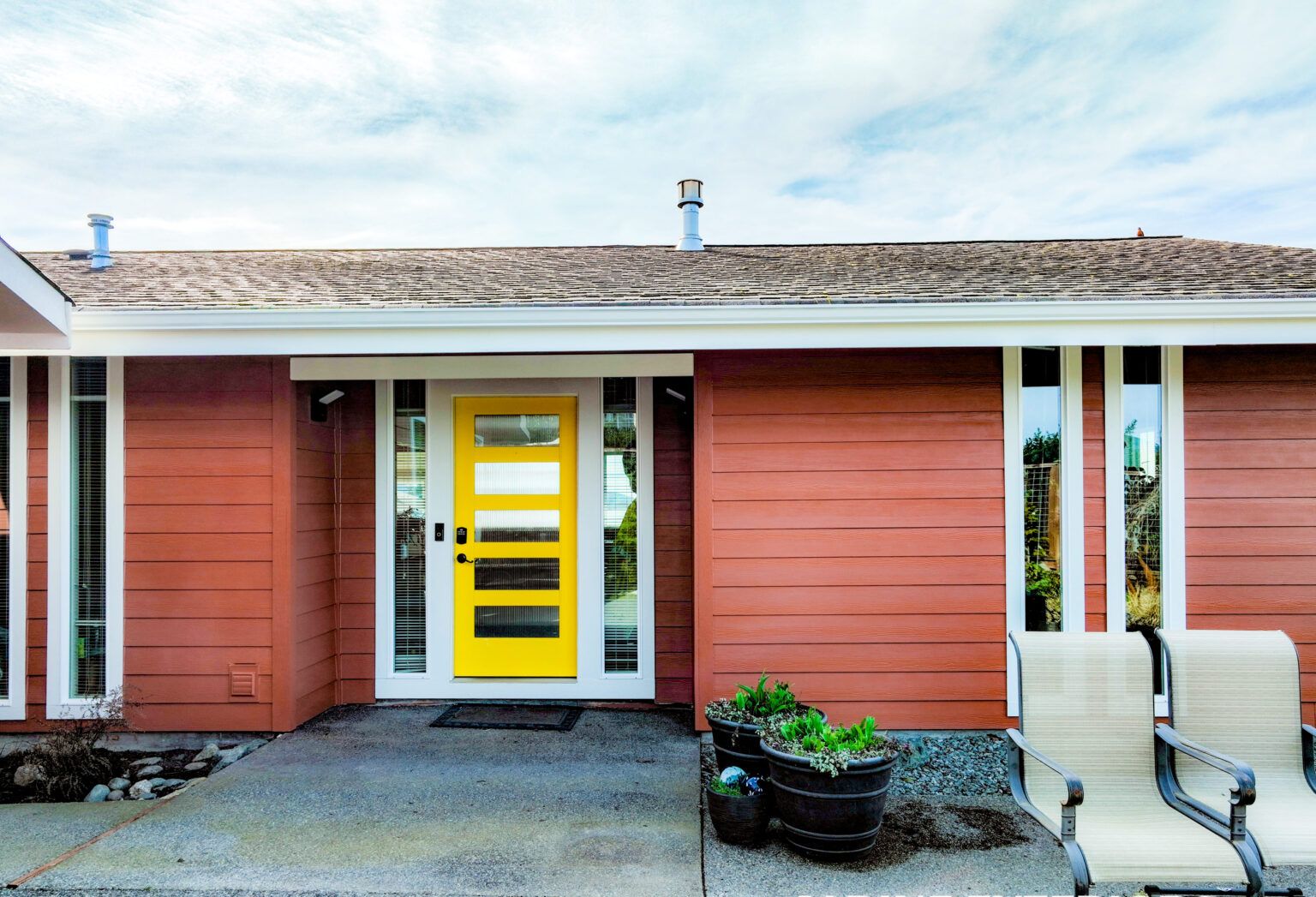
Not every item on this list needs an emergency call. It helps to separate what should be addressed now from what can be scheduled during a normal maintenance window.
Treat as urgent: soft or spongy sheathing, siding that has pulled away far enough to expose the house wrap, visible storm damage before another named system is forecast, active water intrusion during rain, or any sign of termite activity. These situations tend to get worse quickly in our humidity, and waiting through another rainy season adds real risk to the framing underneath.
Can be scheduled, not emergencies: fading or chalking with no cracking, small hairline cracks in areas that don't sit in a direct water path, and cosmetic gaps that aren't letting water or pests through. These are worth putting on a repair list and having evaluated at the next convenient opportunity, particularly if you're also planning other exterior work.
Start by documenting what you're seeing — photos from a few angles, and a note of which side of the house and roughly when you noticed it. If you have interior access to that wall, take a look for staining or a musty smell while you're at it. From there, an in-person assessment from a licensed contractor is the only reliable way to know whether you're looking at a surface issue, a fastening problem, or something already affecting the wall assembly. Alpine Exteriors, Florida contractor license RB29003900, evaluates siding across the Tampa Bay area, including Starkey Ranch, Wesley Chapel, Lutz, Land O' Lakes, New Port Richey, Plant City, and Zephyrhills, and can tell you honestly whether a section needs repair, a partial reside, or a full replacement.
If the damage followed a storm, it's also worth pulling your homeowner's insurance wind mitigation inspection report, form OIR-B1-1802, since it documents the construction features insurers use to rate storm risk and can be relevant when you're filing a claim or comparing repair options. Any replacement siding installed in Florida also needs to carry a valid Florida Product Approval (or Miami-Dade NOA where applicable) matching the wind zone for your address, and the work itself needs to meet current Florida Building Code requirements — a contractor pulling the proper permit should be handling that as a matter of course, not an extra step you have to ask for.
One honest note: siding repair and replacement in this area is best scheduled outside of the heaviest part of the summer storm pattern when possible, since open wall sections need dry weather to protect the substrate during the work. It's not always avoidable, but if your issue falls into the "can wait" category, timing the project for a drier stretch is worth discussing with whoever you hire.
It depends heavily on how much of the wall is affected and whether the sheathing underneath is sound. A small section of cracked or gapped siding with no water damage behind it is often a modest repair, while soft sheathing, widespread buckling, or termite damage usually pushes the job toward a larger reside. Costs for Tampa Bay area siding work commonly range from a few hundred dollars for a small patch repair up into the tens of thousands for a full-home reside, so an in-person estimate is really the only way to get a number that applies to your house.
Coverage depends on your specific policy, your deductible, and whether the damage is classified as sudden storm damage versus gradual wear or lack of maintenance. Insurers will often want documentation, including photos and a contractor's assessment, and may reference your wind mitigation form when evaluating the claim. It's worth calling your agent before repairs begin so you understand what documentation they'll need.
Lifespan varies by material and by how exposed a given wall is to sun and wind-driven rain. Vinyl and fiber cement products are generally rated for multiple decades by their manufacturers, but a wall that faces prevailing storm winds, gets full afternoon sun, or sits close to sprinkler overspray will typically show wear sooner than a sheltered, shaded wall on the same house. Regular inspection matters more here than in drier climates, simply because problems progress faster once moisture gets behind the panel.
In most cases, yes — siding replacement in Florida typically requires a permit and inspection under the Florida Building Code, and the installed product needs a valid Florida Product Approval for the applicable wind zone. Permit requirements can vary by scope of work and jurisdiction, so it's worth confirming with your contractor that they're pulling the correct permit before work starts rather than assuming it's been handled.
A list of warning signs can tell you what to watch for, but it can't tell you what's actually happening behind your walls. If you're seeing any of the signs above on a Starkey Ranch home, or anywhere else in the Tampa Bay area Alpine Exteriors serves, reach out for an in-person evaluation. Getting an honest look now, while an issue is still a repair rather than a full reside, is usually the difference between a manageable project and a much bigger one.