
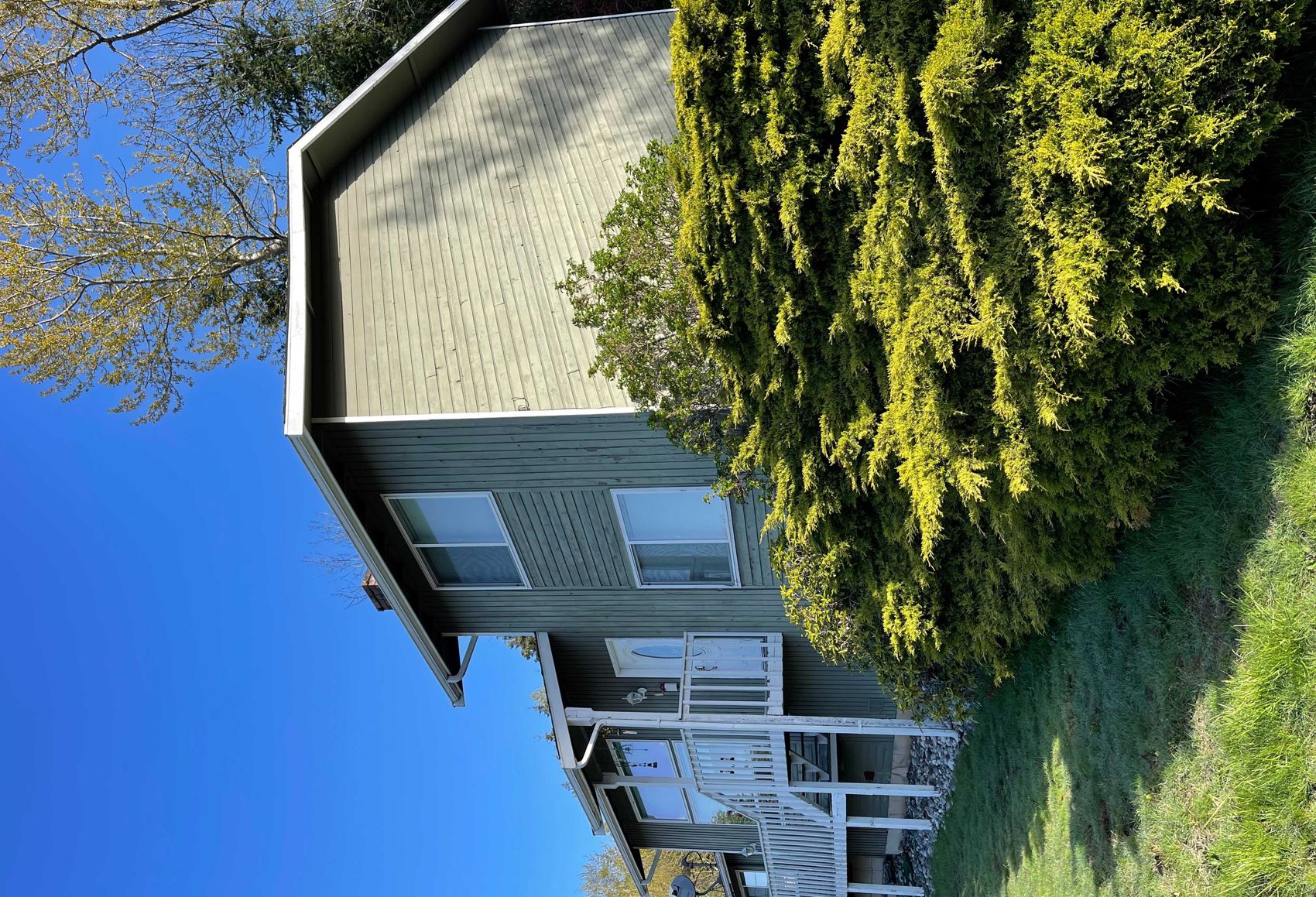
Moon Lake sits in unincorporated Pasco County between Land O' Lakes and New Port Richey, where homes see a mix of older block construction with wood or aluminum siding and newer frame construction that's due for its first re-side. A siding replacement here is rarely a one-day job, and any contractor who tells you otherwise is skipping steps. For an average single-story home, plan on roughly one to two weeks of active work once material is on site and the crew starts tear-off. Larger two-story homes, homes with a lot of trim detail, or homes where the sheathing needs repair after tear-off can run closer to three weeks.
What stretches the calendar in this part of Pasco County isn't usually the installation itself — it's what happens before the crew ever shows up: permitting, HOA review if your section of Moon Lake has a governing association, and material lead time. Summer afternoon thunderstorms are also a real scheduling factor from June through September, since siding crews can't safely work with an open wall or wet substrate during a lightning cell, so expect a few weather-driven pauses if your project falls in storm season. Alpine Exteriors builds those pauses into the schedule up front rather than promising a date that gets missed the first time it rains.
Siding replacement in Pasco County almost always requires a building permit, since it involves removing exterior wall covering down to the sheathing and re-installing a new weather-resistive system. Pasco County Building Construction Services reviews the permit application against the Florida Building Code, which sets minimum wind-load and fastening requirements for exterior wall coverings based on the wind speed map for your address. Moon Lake's location means your project will be reviewed against the applicable design wind speed for that part of the county, and any siding, trim, and fastening schedule submitted has to carry a valid Florida Product Approval showing it was tested to meet that load. This isn't paperwork for its own sake — it's what keeps siding attached to the wall in a tropical storm instead of becoming debris in the yard next door.
Permit review timelines vary with the county's workload, so build in one to three weeks before a permit is issued, longer if plan revisions are requested. If your property in Moon Lake falls under a homeowners' association, check your covenants before you pick a color or material — some HOAs restrict siding types, colors, or require architectural review committee sign-off before work begins. Skipping that step can mean a stop-work situation later even after the county permit is in hand.
Material lead time is the other variable. Fiber cement siding (such as James Hardie products) is popular in this climate for its resistance to moisture and termites, but factory lead times can run two to six weeks depending on the profile and color ordered. Vinyl siding is often quicker to source but has its own tradeoffs discussed below. Alpine Exteriors orders material as soon as the permit is submitted so the crew isn't standing idle waiting on a truck, but a homeowner should still expect the material lead time to be the longest single stretch on the whole project.
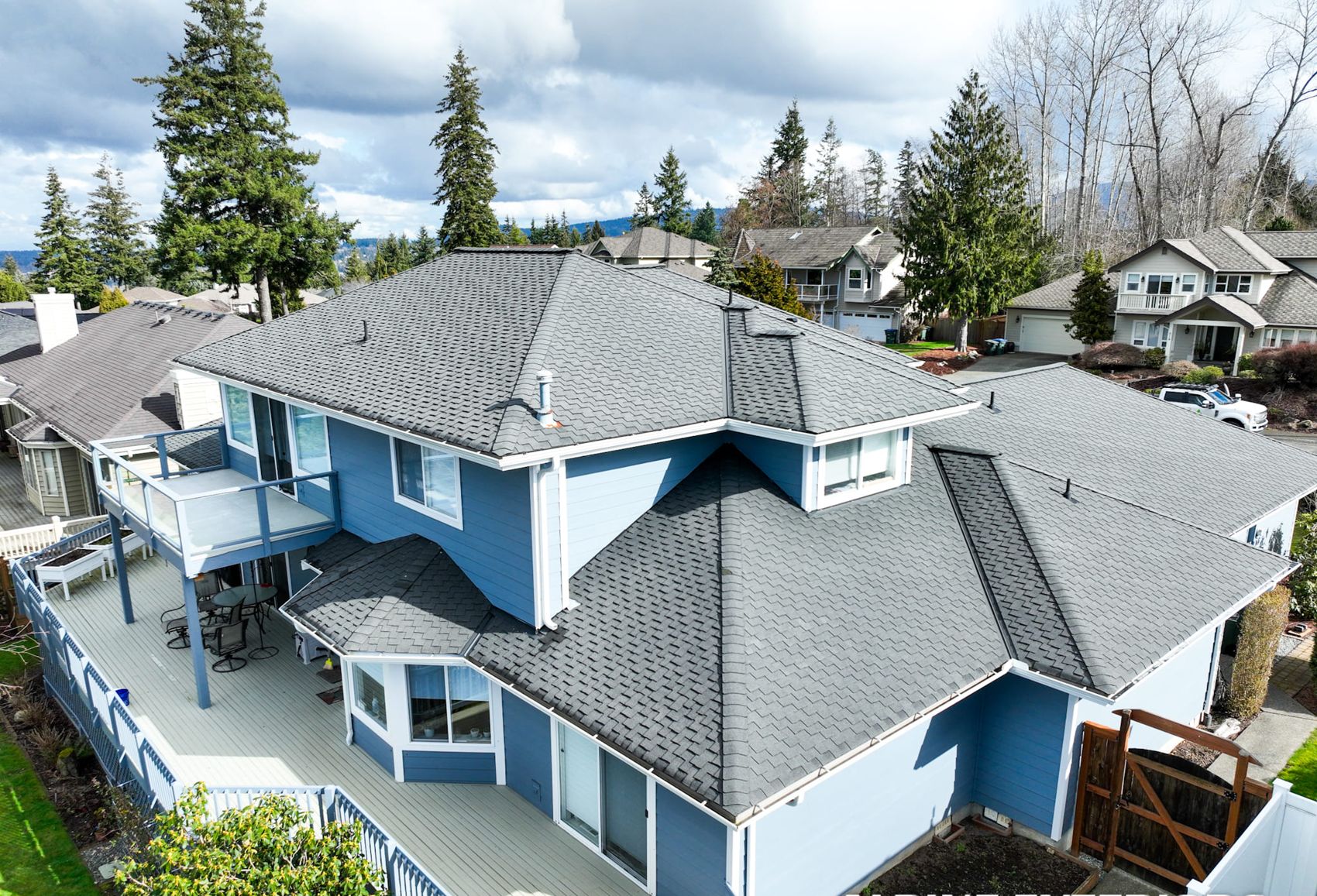
Once the permit is issued and material has arrived, the physical work generally follows this sequence:
A few things on your end make the project go faster and protect your property during the work:
Pasco County typically requires at least one inspection during the process — often at the dry-in or sheathing stage before siding covers it up — and a final inspection once the job is complete. These inspections confirm the work matches what was permitted and meets the applicable Florida Building Code wind and weather-protection requirements. Don't let a contractor skip the county inspection or cover work before it's signed off; that inspection record is also what protects you if you ever file an insurance claim tied to storm damage.
After the final inspection passes, cleanup includes a magnetic sweep of the yard for stray nails and screws, removal of all old siding debris and packaging material, and a check that landscaping and any removed fixtures are restored. The final walkthrough with your Alpine Exteriors project lead is your chance to look closely at trim lines, caulking, color match on any patched areas, and confirm every fixture that came down went back up correctly. Bring a list of anything you noticed during the process — this is the time to raise it, not after the crew has moved to the next job.
New siding in this climate still needs a small amount of ongoing attention. Rinse the exterior periodically to clear pollen, mildew film, and airborne salt that can drift inland during onshore winds, since staying ahead of surface grime is easier than trying to remove it once it's set in under intense Florida UV. Walk the exterior once a year, ideally before hurricane season, and look at caulking joints, corner trim, and any spots where a fastener might have backed out — small gaps are far cheaper to reseal now than to let become a moisture path into the wall assembly. If your property has ever had termite activity, keep your pest control inspections current even after new siding goes up, since siding replacement addresses the wall covering, not soil-level termite pressure.
Material manufacturers back their products with their own warranties (fiber cement products commonly carry multi-decade limited warranties on the substrate, with separate and often shorter terms on factory finish; vinyl products vary by manufacturer and profile). Alpine Exteriors also stands behind the installation itself with a workmanship warranty, and we'll walk you through exactly what's covered by the manufacturer versus what's covered by us before you sign anything, because that distinction gets confusing and homeowners deserve a straight answer rather than vague warranty language.
For a typical single-story home in the Moon Lake area, active installation runs about one to two weeks after material has arrived on site, with larger homes, extensive trim work, or sheathing repairs adding time. Summer thunderstorm activity can add a few days of weather delay, particularly June through September, and that's separate from the permitting and material ordering time that happens before the crew ever arrives.
Yes, in nearly all cases. Removing exterior siding down to the sheathing and installing new material is reviewed by Pasco County Building Construction Services against the Florida Building Code, including the wind-load and product approval requirements that apply to your address. If you're part of an HOA, check your covenants as well, since association approval is separate from and in addition to the county permit.
New siding installed with a proper weather-resistive barrier, correct flashing at windows and doors, and quality sealant will meaningfully reduce the moisture getting behind your walls, which is what drives mold and wood decay in this climate. It won't fix interior humidity problems caused by HVAC sizing or ventilation, so if you're dealing with condensation or mustiness indoors, that's worth having evaluated separately from the exterior work.
Fiber cement is a strong option in this region because it resists moisture absorption, doesn't attract termites, and holds paint and color well under intense UV exposure, though it costs more upfront and takes longer to source. Vinyl siding is more budget-friendly and widely available, but lower-grade profiles can fade or become brittle faster under years of Florida sun and are more prone to wind damage in strong storms if not rated and fastened correctly for the wind loads in this area. The right choice depends on your budget, how long you plan to stay in the home, and the specific wind-speed requirements for your property.
If you're weighing a siding replacement in Moon Lake, Wesley Chapel, Lutz, Land O' Lakes, New Port Richey, Plant City, or Zephyrhills, Alpine Exteriors can walk your property, explain what the Florida Building Code and your specific wind-speed zone require, and give you a realistic timeline and cost range before any contract is signed. Alpine Exteriors holds Florida contractor license RB29003900 and handles the permitting, material ordering, and county inspections as part of the job rather than leaving that on the homeowner. Reach out to schedule a walkthrough and get a written scope for your home.