
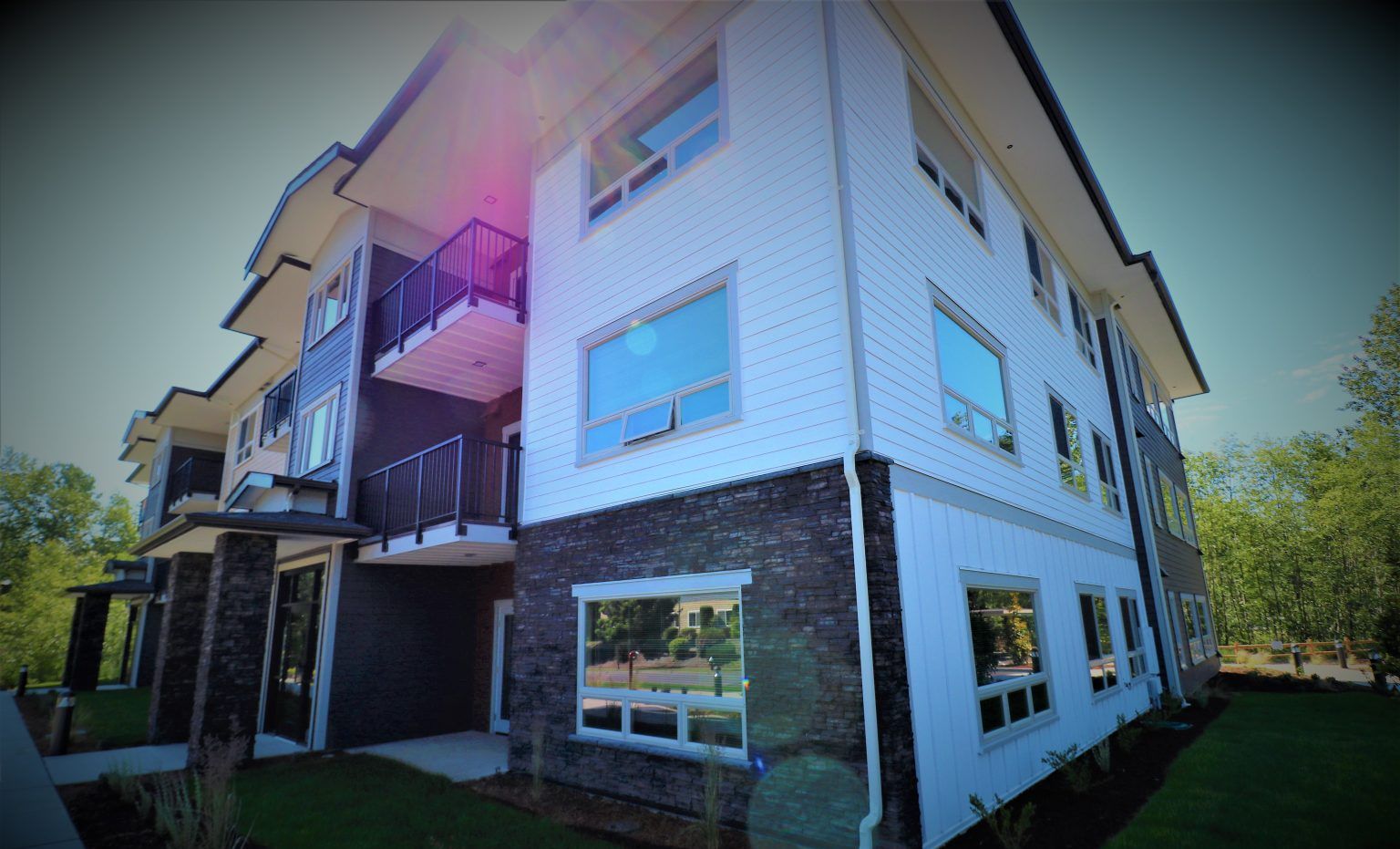
If you're re-siding a home in Balm, you're choosing materials for a specific kind of place: open pasture and strawberry fields mixed with newer rooftops, long unobstructed wind fetch across cleared land, thick subtropical humidity most of the year, and a sun that doesn't let up from April through September. Two products dominate the conversation for Hillsborough County homeowners — James Hardie fiber cement siding and vinyl siding — and both can be installed to meet the Florida Building Code when a licensed contractor pulls the right permit and uses a product with current Florida Product Approval. But they behave very differently over a 20- or 30-year ownership window. This page walks through both options honestly, including where each one falls short, so you can decide with your own home and budget in mind rather than a sales pitch.
For a primary residence in Balm that will spend decades absorbing full sun, open-field wind gusts, and the wind-driven rain that rides in ahead of summer storms and tropical systems, James Hardie fiber cement is generally the stronger long-term match. It holds paint color and profile detail through UV exposure better than vinyl, and higher-wind-rated Hardie assemblies are commonly specified on homes that sit on open, exposed lots like many in the Balm area. Vinyl siding still has a legitimate place here — it costs less to install, requires less upkeep in the near term, and a quality impact- or high-wind-rated vinyl product can perform well on a detached garage, workshop, guest structure, or an investment property where the owner is optimizing for upfront budget rather than a 30-year hold. The honest answer is that neither product is wrong for Balm; the right one depends on how exposed your specific lot is, how long you plan to own the house, and what you're willing to maintain along the way.
James Hardie fiber cement is a blend of cement, sand, and cellulose fiber pressed into planks, panels, or shingle-style pieces and, in most cases, factory-finished with Hardie's ColorPlus baked-on coating. Because it's an inorganic material, it isn't a food source for the subterranean termites that are common across inland Hillsborough County's wooded and agricultural lots, and it doesn't soften, swell, or rot the way untreated wood siding does under Florida's humidity load. It's also heavy and rigid compared to vinyl, which is a real advantage once it's fastened to the wall: correctly installed fiber cement resists wind-driven rain intrusion at the lap joints better than lighter claddings, and it stands up to flying debris in a summer thunderstorm or hurricane outer band without puncturing the way thinner vinyl panels can.
The drawbacks are real, too. Fiber cement is considerably heavier to handle and cut, which means more labor time and a higher installed cost. Cutting it dry produces silica dust, so a competent crew wet-cuts or uses dust-collecting saws — worth asking about when you're vetting a contractor. Even with a factory finish, the caulked joints, trim, and any field-painted cuts will eventually need attention, and full repainting is usually on the table at some point over a multi-decade lifespan, even though it's spaced out far longer than a typical vinyl repaint cycle would be if vinyl could be repainted at all. It's also a poor DIY material; this is a job for an experienced, properly licensed crew.
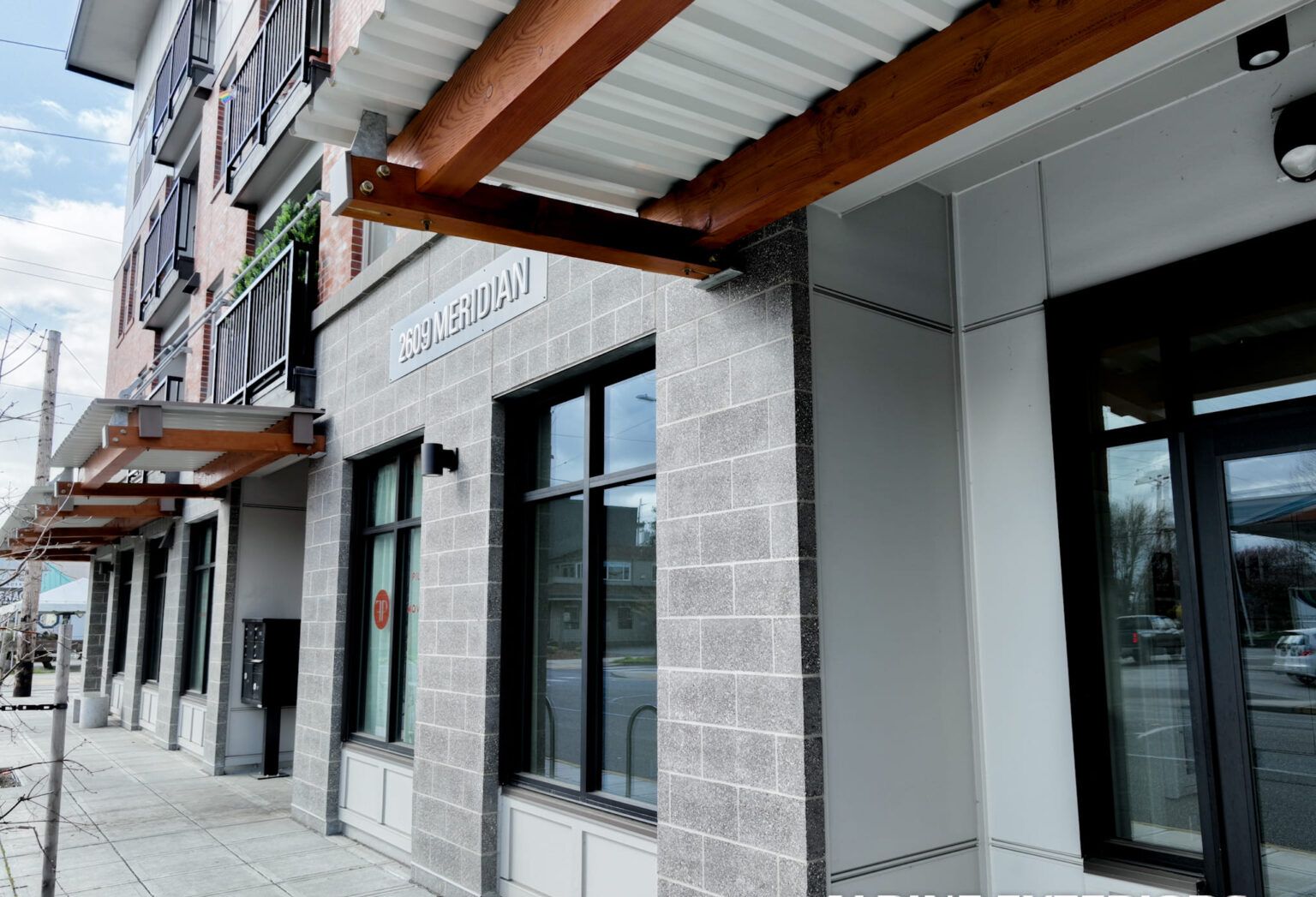
Vinyl siding is an extruded PVC product available in a wide range of profiles and colors, installed as overlapping panels over a water-resistive barrier. Its biggest appeal is straightforward: it costs less to buy and install than fiber cement, it never needs painting, and modern products include UV inhibitors that have meaningfully improved fade resistance compared to vinyl from decades past. For a budget-conscious project, a rental property, or a secondary structure, that combination is genuinely attractive.
The tradeoffs show up over time in a climate like this one. Standard vinyl softens in heat and can warp near south- and west-facing walls that bake in direct Tampa Bay-area sun, and reflected heat off low-E windows or nearby grills has been known to deform panels in the wrong spot. Years of intense UV exposure eventually leave darker colors chalky or faded, and because vinyl isn't paintable in the way fiber cement is, a faded or cracked section is harder to blend in later — you're often hunting for a discontinued color rather than repainting to match. Standard-grade vinyl also has a lower wind resistance rating than heavier-gauge or impact-rated product lines, so on an open, wind-exposed lot it's worth confirming exactly which vinyl product and Florida Product Approval number a contractor is quoting, rather than assuming all vinyl performs the same in a storm.
| Factor | James Hardie Fiber Cement | Vinyl Siding |
|---|---|---|
| Installed cost | Higher upfront — heavier material, more labor-intensive install and cutting | Lower upfront — lighter material, faster installation |
| Typical lifespan | Multiple decades; Hardie's published limited warranty runs far longer than most vinyl warranties, especially with a factory ColorPlus finish | Roughly two to three decades under Florida sun before fading, chalking, or warping becomes noticeable |
| Maintenance | Occasional caulk and joint upkeep; eventual repainting on a long cycle, even with a baked-on finish | Periodic washing to remove mildew and pollen film; no painting, but panel replacement can be hard to color-match once older stock fades |
| Appearance | Crisp lap lines, authentic wood-grain and shake profiles, holds detail and color well over time | Wide color and style selection at a lower price point; can look less substantial up close and shows warping or seam lines more readily |
| Wind and impact resistance | Rigid, heavy panels resist wind-driven rain and flying debris well when installed to Florida Building Code wind load requirements | Adequate in standard grades; higher-wind or impact-rated product lines exist and matter more on open, exposed lots |
Balm's building stock skews toward homes on larger, more open parcels — pasture, former agricultural land, and newer subdivisions carved out of it — which means less tree cover breaking up wind and more direct, unfiltered sun hitting exterior walls for most of the day. That combination is exactly where fiber cement tends to earn its higher upfront cost: less color fade over the years you actually live in the house, better resistance to wind-driven rain intrusion during the thunderstorm-heavy summer months and hurricane season outer bands, and a rigid panel that isn't as easily deformed by radiant heat off a metal roof or open field. For a primary residence you intend to own for the long haul, that durability curve generally outweighs the lower sticker price of vinyl.
Vinyl remains a sound choice in narrower situations here — a detached garage, barn conversion, or workshop where wind exposure and appearance matter less than the budget; a rental or short-hold investment property where you're not the one living with a decade of UV fade; or a full remodel where the budget genuinely can't stretch to fiber cement and a higher-wind-rated vinyl product with current Florida Product Approval is specified rather than the cheapest grade available. Alpine Exteriors installs both products across Tampa Bay and can walk your specific Balm lot — its sun exposure, tree line, and orientation — before recommending one over the other, because the right answer really does vary house to house.
In most side-by-side comparisons for this climate, yes. Fiber cement's rigidity and factory finish resist the heat-driven warping that can affect vinyl on sun-exposed walls, and its weight and lap design generally shed wind-driven rain and resist wind-borne debris better than standard vinyl panels, which matters during Hillsborough County's summer thunderstorm season and any tropical system that pushes through.
It can, particularly on south- and west-facing walls with little shade and on darker colors, which absorb more heat. Modern vinyl with UV inhibitors handles this better than older generations of the product, but on an open, tree-sparse lot it's a real factor to weigh, and it's worth asking specifically about the product's heat and UV rating rather than assuming all vinyl performs the same.
Your siding does need to meet the wind load requirements of the Florida Building Code for your location, and any product installed should carry a current Florida Product Approval covering that use. Hillsborough County isn't in the High-Velocity Hurricane Zone that governs Miami-Dade and Broward, but open, exposed lots like many in Balm still benefit from choosing a higher-wind-rated assembly rather than the minimum the code allows — the same storm-hardening thinking that shows up on a wind mitigation inspection (OIR-B1-1802) for your roof and openings is worth applying to your walls, too.
Vinyl typically holds up reasonably well for two to three decades in this climate before fading, chalking, or warping become hard to ignore, and repair often means hunting for a matching discontinued color. James Hardie fiber cement, especially with a factory ColorPlus finish, is built for a longer service life and a longer published warranty, though it will eventually need caulk maintenance and, further down the road, repainting.
Every lot in Balm carries its own mix of sun exposure, tree cover, and wind fetch, and that's exactly what should drive the choice between James Hardie fiber cement and vinyl siding — not a generic rule of thumb. Alpine Exteriors is a licensed Florida contractor (RB29003900) serving Balm and the rest of Hillsborough and Pasco Counties, including Tampa, Wesley Chapel, Lutz, Land O' Lakes, New Port Richey, Plant City, and Zephyrhills. If you'd like a straightforward, no-pressure look at both options for your specific home, reach out to Alpine Exteriors for an on-site evaluation and a written estimate comparing fiber cement and vinyl side by side.