
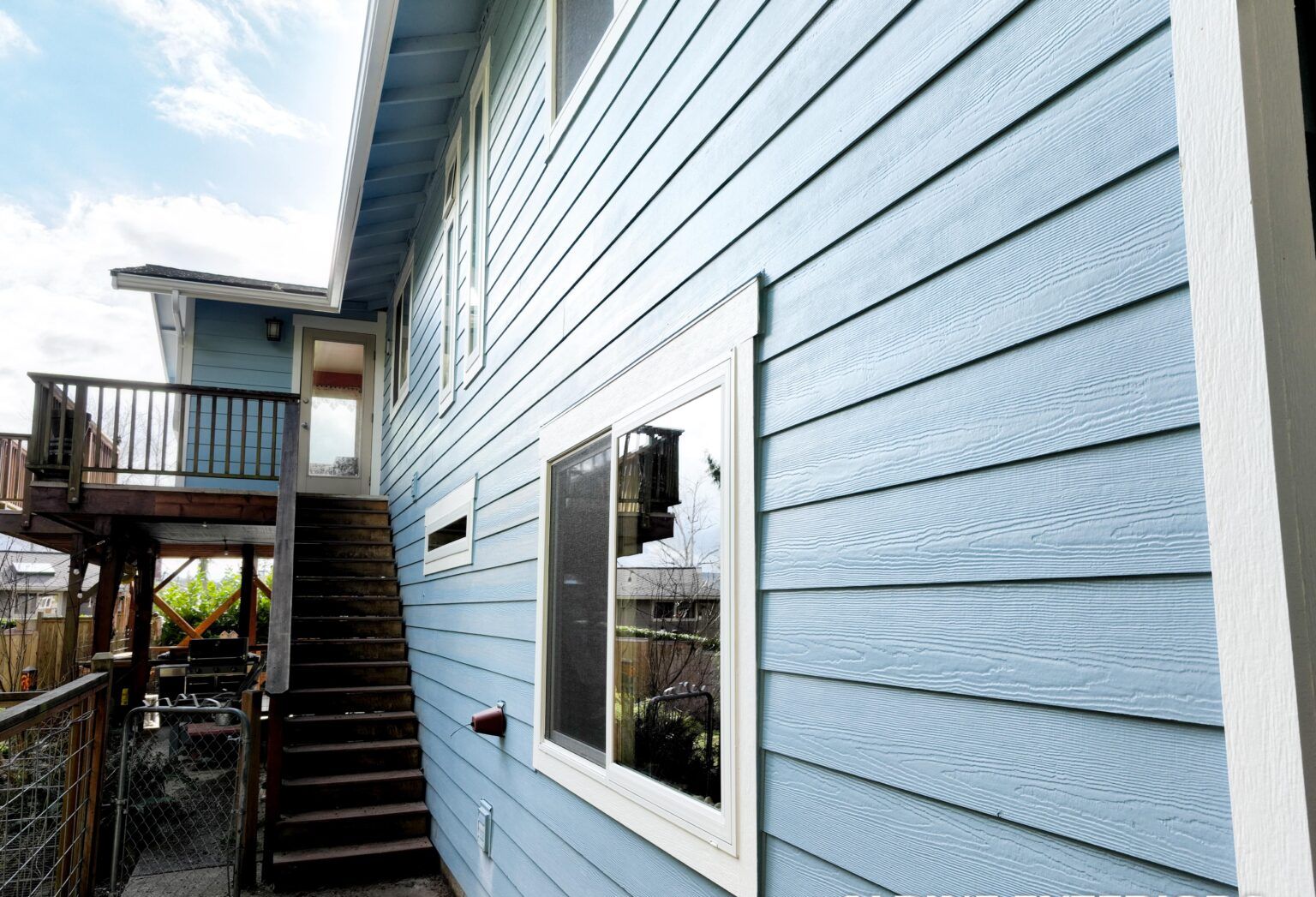
In Shady Hills, siding isn't just a look — it's a wind-rated building assembly regulated under the Florida Building Code, and it has to be installed with a specific, documented fastening pattern to pass inspection. The product, the fasteners, and the way the panels are attached to the wall all have to match a Florida Product Approval (or an accepted alternative) rated for the wind pressures that apply to your house.
That sounds bureaucratic, but the practical upshot for a homeowner is simple: the siding on your house is part of what keeps wind-driven rain out of your walls during a tropical storm or hurricane, and Pasco County's inspectors are checking for exactly that when they sign off on the job.
Florida doesn't let siding manufacturers sell a product into the state without proof it can handle the wind pressures common here. That proof is a Florida Product Approval (an "FL number"), issued through the state's product approval system, or in some cases a Miami-Dade Notice of Acceptance that's been accepted statewide as meeting or exceeding Florida's requirements. Every vinyl, fiber cement, or composite siding product installed in Pasco County should carry one of these approvals, and the approval documentation specifies exactly how the product has to be fastened — nail size, nail type, spacing along the field of the panel, and tighter spacing at corners and around openings where wind pressure concentrates.
Pasco County sits in an area of Florida's wind speed maps that requires siding rated for meaningful hurricane-force wind pressures — not the extreme "high-velocity hurricane zone" requirements that apply only in Miami-Dade and Broward counties, but still well above what most siding sold in non-coastal states is rated for. The Florida Building Code ties the required wind pressure rating to your home's exposure category (how open the surrounding terrain is), the height of the wall, and how close a given section of wall is to a corner, where suction loads are highest. A house on an open lot near the edge of a subdivision in Shady Hills can have a higher wind pressure requirement on its corners than a similar house tucked into a mature, tree-shaded neighborhood — the code accounts for that.
Fastening matters as much as the product rating. Siding that's simply nailed loosely "to allow for expansion," the old rule of thumb from cooler climates, will not hold to Florida's wind pressure ratings if the nails aren't driven to the manufacturer's specified depth and spacing. Florida Product Approval installation instructions are typically stricter than a manufacturer's generic national installation guide, because they're written to the pressures the state actually requires. An installer following a big-box installation pamphlet instead of the Florida-specific instructions is a common way jobs fail inspection or, worse, fail during an actual storm.
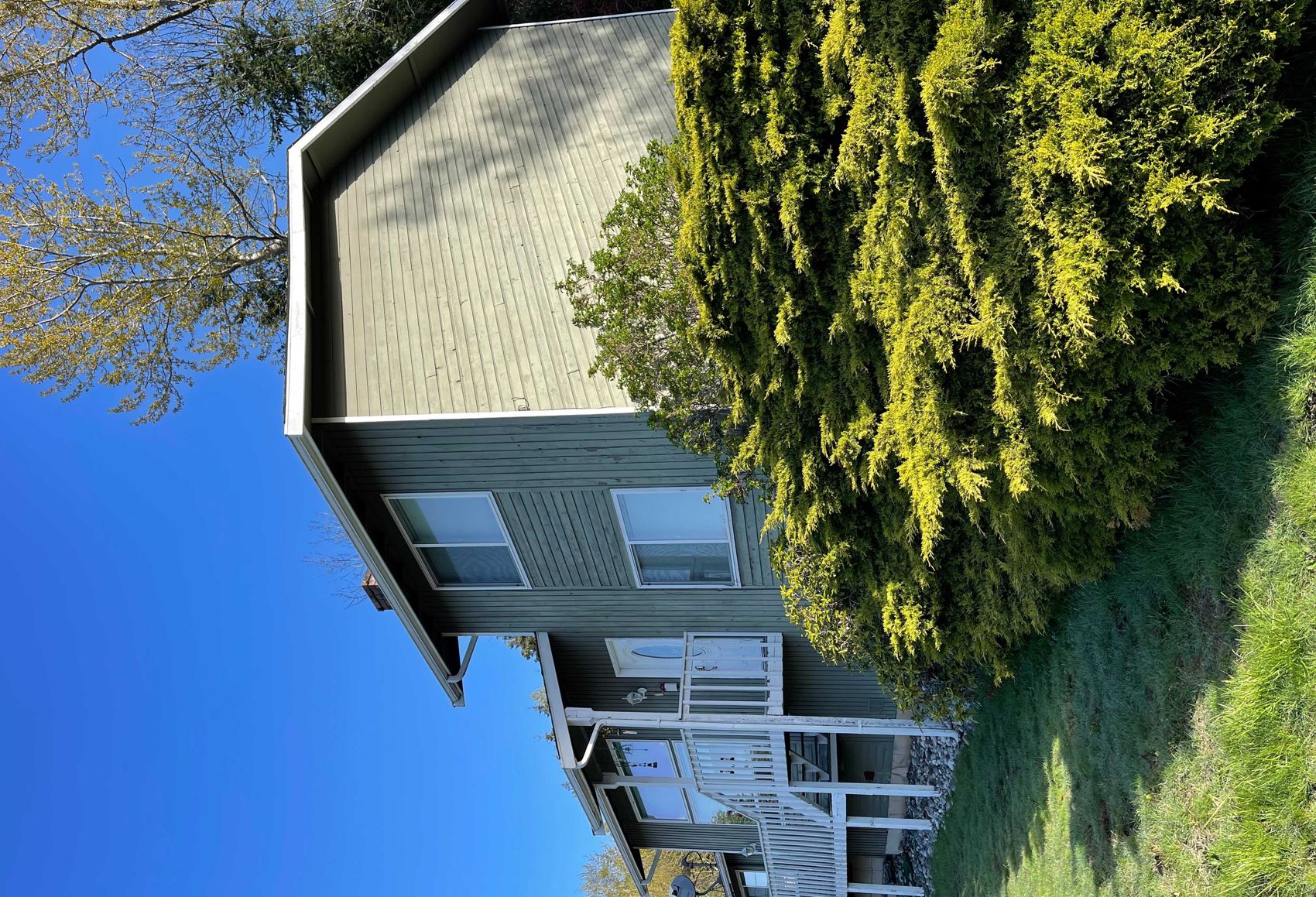
Shady Hills and the surrounding Pasco County communities deal with a specific combination of conditions that shapes how siding should be chosen and installed, and it's worth being clear about which conditions actually apply here and which don't.
Two conditions that get mentioned for other parts of Florida genuinely don't apply the same way in Shady Hills. It's inland, well away from the coast, so salt air corrosion on fasteners and trim — a real concern for homes near the Gulf in Pasco's western coastal communities — is a much smaller factor here. And Pasco County is not in Florida's high-velocity hurricane zone, so the extremely strict HVHZ testing and installation requirements that apply in Miami-Dade and Broward counties don't govern Shady Hills jobs, even though the wind pressure requirements here are still substantial.
You don't need to become a building-code expert to get this right, but a few concrete steps protect you.
It's also fair to know the honest tradeoffs. Wind-rated fiber cement siding generally costs more up front than standard vinyl and is heavier to install, which affects labor time and price. Higher-end vinyl products rated for stronger wind pressures cost more than economy vinyl that may be rated for lower pressures than your house actually needs — checking the rating against your requirement, not just the price tag, is the only way to know which you're buying. None of this is a reason to avoid siding work; it's a reason to ask specific questions before signing a contract.
Yes, in almost all cases. Pasco County requires a building permit for siding replacement because the work has to be inspected against Florida Building Code wind pressure and fastening requirements, and the permit is also what generates a paper trail you may need later for insurance or resale. Small, isolated repair patches are sometimes handled differently, but a full re-side should go through the permit process.
Ask your contractor for the product's Florida Product Approval number and confirm it's rated for a wind pressure equal to or greater than what your home's exposure category and wall location require — corners typically need a higher rating than the flat field of the wall. This isn't something you have to calculate yourself; a licensed contractor should be able to walk you through it and show you the documentation rather than just asserting the product is "hurricane rated."
It can, in that many insurers ask for an updated wind mitigation inspection (the OIR-B1-1802 form) after significant exterior work, and that inspection looks at more than siding — roof covering, roof-to-wall connections, and opening protection all factor into the discount. Siding itself isn't usually a line item on that form, but keeping your permit and product approval paperwork from the siding job makes it easier to have a fresh wind mitigation inspection done afterward if you choose to.
Both can be manufactured and rated to meet Florida's wind pressure requirements, but the products and their approvals differ — fiber cement is heavier and more rigid, with its own Florida Product Approval and fastening schedule, while vinyl relies more heavily on correct fastener spacing and proper "hanging" (not nailing too tight) to perform under wind load without buckling or blowing off. Vinyl is generally less expensive and lighter to install; fiber cement costs more and takes longer but holds paint and resists impact differently. Neither is automatically the "wind-safe" choice — the rating and the installation quality matter more than the base material.
If you're planning a siding project in Shady Hills or anywhere else in Pasco County, it's worth having someone walk your house, look at its exposure and wall corners, and tell you plainly what wind pressure rating and fastening schedule your project actually needs — before you're comparing quotes that may not be quoting the same job. Alpine Exteriors is a licensed Florida contractor (FL license RB29003900) serving Tampa Bay homeowners, including Shady Hills and the surrounding Pasco County communities of Land O' Lakes, New Port Richey, Wesley Chapel, Lutz, Zephyrhills and Plant City. Contact Alpine Exteriors for a straightforward, code-focused siding assessment and a written estimate that spells out the product's Florida Product Approval rating and fastening plan for your home.