
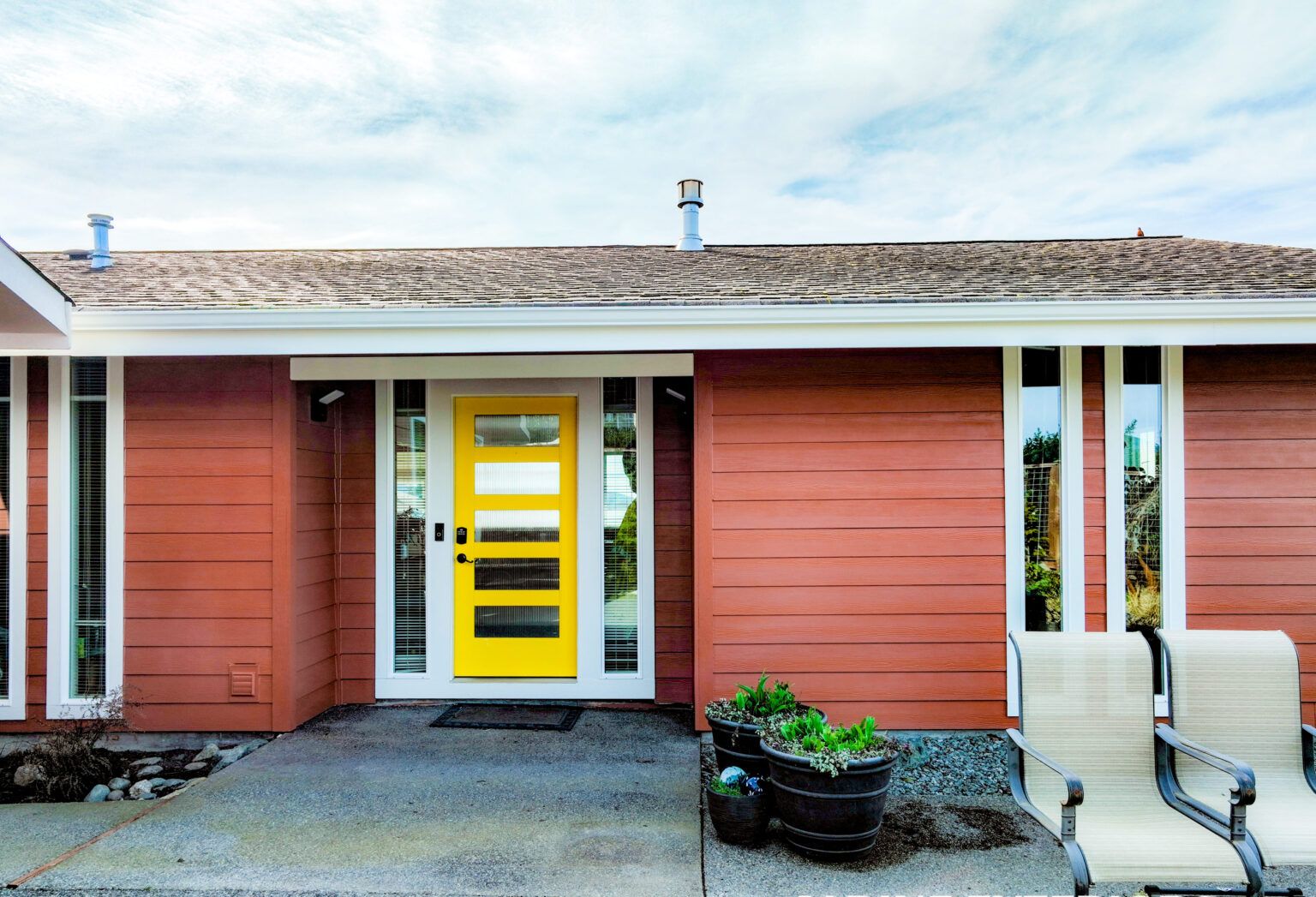
Keystone sits inland in northwest Hillsborough County, a leafy, lake-dotted pocket of the greater Tampa Bay area where older oak and pine canopy meets newer construction along Racetrack Road, Gunn Highway, and the shores of Lake Keystone and Lake Calm. That combination creates a specific set of stresses on exterior siding that a homeowner in a drier, cooler climate would rarely think about. Summer is long, wet, and humid, which means siding here spends more hours per year at high moisture content than siding almost anywhere in the continental United States. Add in the intense, nearly year-round UV exposure of the Florida sun, the wind loads that come with tropical storms and hurricanes moving through the Gulf and across the peninsula, and the constant low-grade pressure from subterranean and drywood termites active in this soil and climate, and you have a building envelope that ages differently than the marketing brochures for most siding products assume.
A siding inspection checklist built for this region has to account for those realities. Wind-driven rain during a tropical system does not behave like a normal thunderstorm — it can be forced sideways and even slightly upward under soffits and around trim by sustained gusts, finding gaps that would never leak in calm weather. Humidity does not just sit on the surface of a wall; it drives moisture into seams, fastener holes, and any place the water-resistive barrier has been compromised, where it can sit against sheathing and framing for days before it evaporates. And because Hillsborough County falls under the Florida Building Code, any siding product installed or replaced on a home here should carry a valid Florida Product Approval or Miami-Dade Notice of Acceptance rating appropriate to the design wind speed for the site — a detail that matters more than most homeowners realize until it's time to file an insurance claim or sell the home. This checklist walks a homeowner through what to look for, in plain language, twice a year and after any significant storm.
None of this is meant to alarm anyone. Most siding in Keystone performs well for many years when it was installed correctly and maintained reasonably. The goal here is to catch small problems — a lifted seam, a cracked caulk line, a soft spot near grade — while they are still small, inexpensive fixes rather than structural repairs. Alpine Exteriors put this checklist together from years of walking siding jobs across Tampa Bay, and it reflects what actually fails here, not a generic list written for a different climate.
Panels, Seams & Field of Siding
Trim, Flashing & Penetrations
Soffit, Fascia & Roofline Transition
Base, Foundation & Grade Line
Fasteners, Panel Movement & Storm Damage
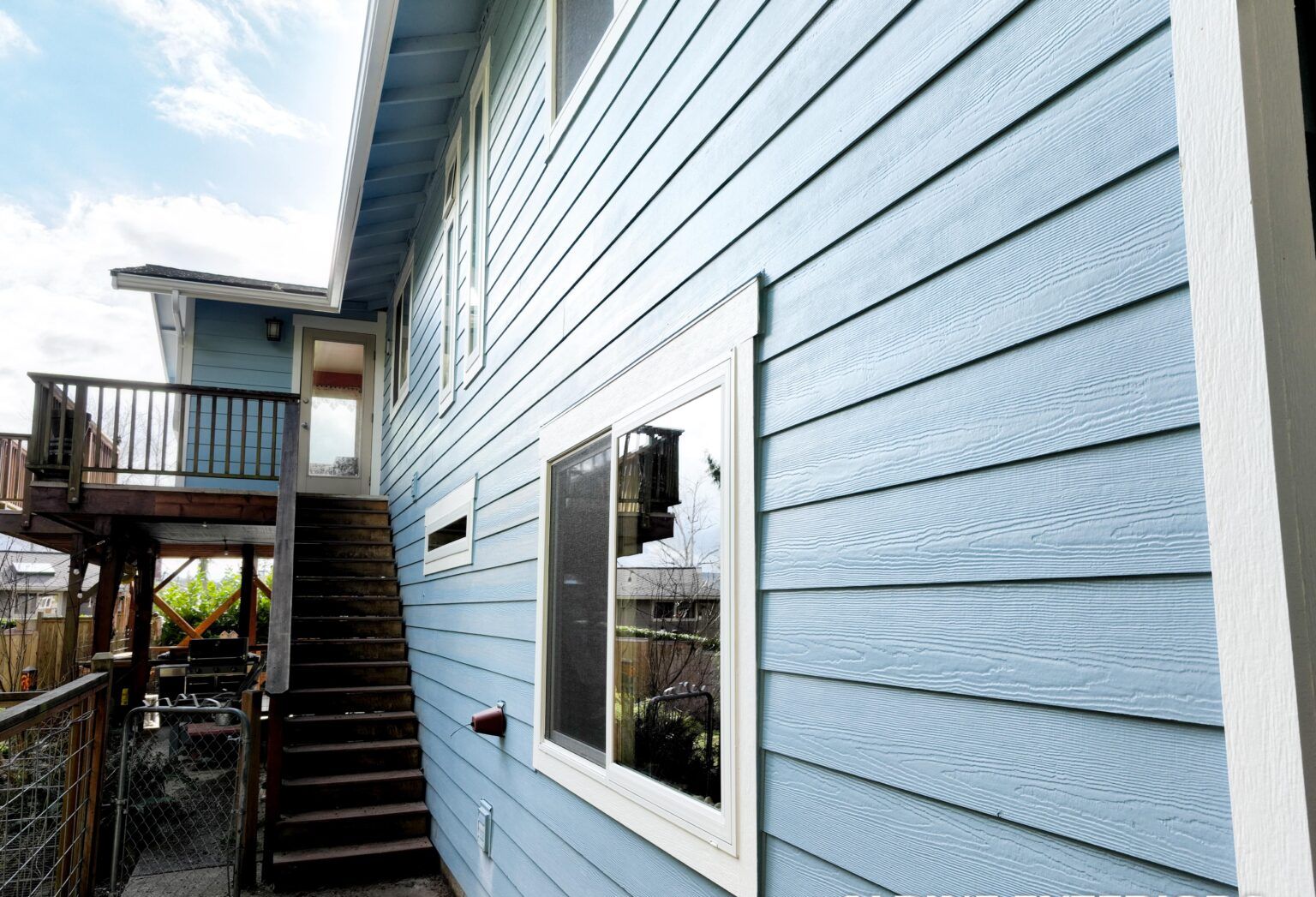
Not every item on this list means a full siding replacement, and it is worth resisting the urge to assume the worst the moment something looks off. The right response depends on scale and location. A single cracked caulk joint around one window, a popped fastener on an otherwise sound wall, or light chalking on a sun-exposed elevation are all things a homeowner can document with a phone photo, note the date, and either address directly or flag for a professional at the next scheduled service. Re-caulking a joint or resetting a fastener is inexpensive and, done promptly, prevents the moisture intrusion that turns a five-minute fix into a rotted stud.
If the issue involves a soft or spongy panel, staining that traces back toward the wall cavity, a musty odor, or any sign of active pest activity near the base of a wall, treat it as more urgent. Moisture that has already reached the sheathing or framing does not resolve itself with caulk — it needs to be opened up, assessed, and dried out before anything is resealed, or the repair simply traps the problem behind a new surface. Similarly, if a storm has left multiple panels cracked, misaligned, or missing, resist the temptation to simply caulk over the gaps as a stopgap; exposed sheathing and open seams need to be covered or repaired promptly, especially heading into the next round of Gulf-driven weather, because every additional rain event compounds the damage underneath.
Keep a simple log — even a folder of dated photos on a phone works fine — for anything beyond routine caulk touch-up. That record is useful for tracking whether a problem is stable or getting worse over successive inspections, and it becomes valuable documentation if a warranty claim, insurance claim, or professional repair estimate is ever needed.
Some findings are reasonable for a homeowner to handle directly, and others genuinely call for a licensed contractor who can assess what is happening behind the siding, not just on the surface. It is time to call a professional when there is soft or spongy siding anywhere on the home, when staining suggests water has been tracking behind the cladding for a while rather than a single recent event, when there is any confirmed or suspected termite activity, when storm damage affects more than a panel or two, or when a section of siding needs to come off to inspect the water-resistive barrier and sheathing underneath. A professional inspection is also the right move before a home sale or insurance renewal, since an unaddressed siding issue can complicate both.
Licensed contractors working under the Florida Building Code understand what wind speed rating a given product needs to meet for this part of Hillsborough County, how to verify a Florida Product Approval, and how to detail flashing and fastening so a repair performs as well as — or better than — the original installation. Alpine Exteriors holds Florida contractor license RB29003900 and works throughout Tampa Bay, including Keystone, Wesley Chapel, Lutz, Land O' Lakes, New Port Richey, Plant City, and Zephyrhills, and can walk a homeowner through exactly which findings from this checklist warrant a closer look versus which ones are cosmetic.
A walk-around twice a year — once before hurricane season ramps up in late spring and once in the fall after the wettest months — catches most developing issues while they are still minor. Add an extra check after any storm that brought sustained winds or heavy debris, since impact damage and wind-loosened trim are easy to miss from the ground until you are specifically looking for them.
Yes, if it is being newly installed or replaced. Hillsborough County enforces the Florida Building Code, and siding products must carry a Florida Product Approval (or an accepted equivalent) rated for the design wind speed at the specific site, which varies somewhat depending on exposure category and proximity to open terrain. Existing siding installed under an older code cycle may not need to be replaced simply because the code has since changed, but any repair or replacement work should be brought up to current standards.
Tampa Bay's combination of high humidity, frequent rain, and shaded, tree-covered lots like many in Keystone creates conditions where organic growth returns faster than in drier climates, especially on north-facing walls or areas with limited airflow and sun exposure. Regular gentle cleaning helps, but recurring mildew in the same spot after cleaning often points to a moisture or airflow issue — overgrown landscaping against the wall, a shaded low-airflow corner, or a leak feeding the area — that cleaning alone will not resolve.
It can, particularly where siding is installed too close to grade, where mulch or soil has built up against the bottom edge, or where a moisture-softened panel gives subterranean termites an easier path than untreated soil alone. The siding itself is rarely the termites' food source unless it is a wood product, but it can create the bridge and the moist, hidden environment that lets an infestation reach framing undetected for longer than it otherwise would.
This checklist is a solid starting point, but there is no substitute for a trained eye walking your specific property, especially on a home with mature tree canopy, lake-adjacent humidity, or siding that has already been through a few hurricane seasons. Alpine Exteriors, FL contractor license RB29003900, offers siding inspections and repair estimates across Tampa Bay — Keystone, Tampa, Wesley Chapel, Lutz, Land O' Lakes, New Port Richey, Plant City, and Zephyrhills. If any item on this list gave you pause, reach out to schedule a walk-through before the next storm season adds to the problem.