
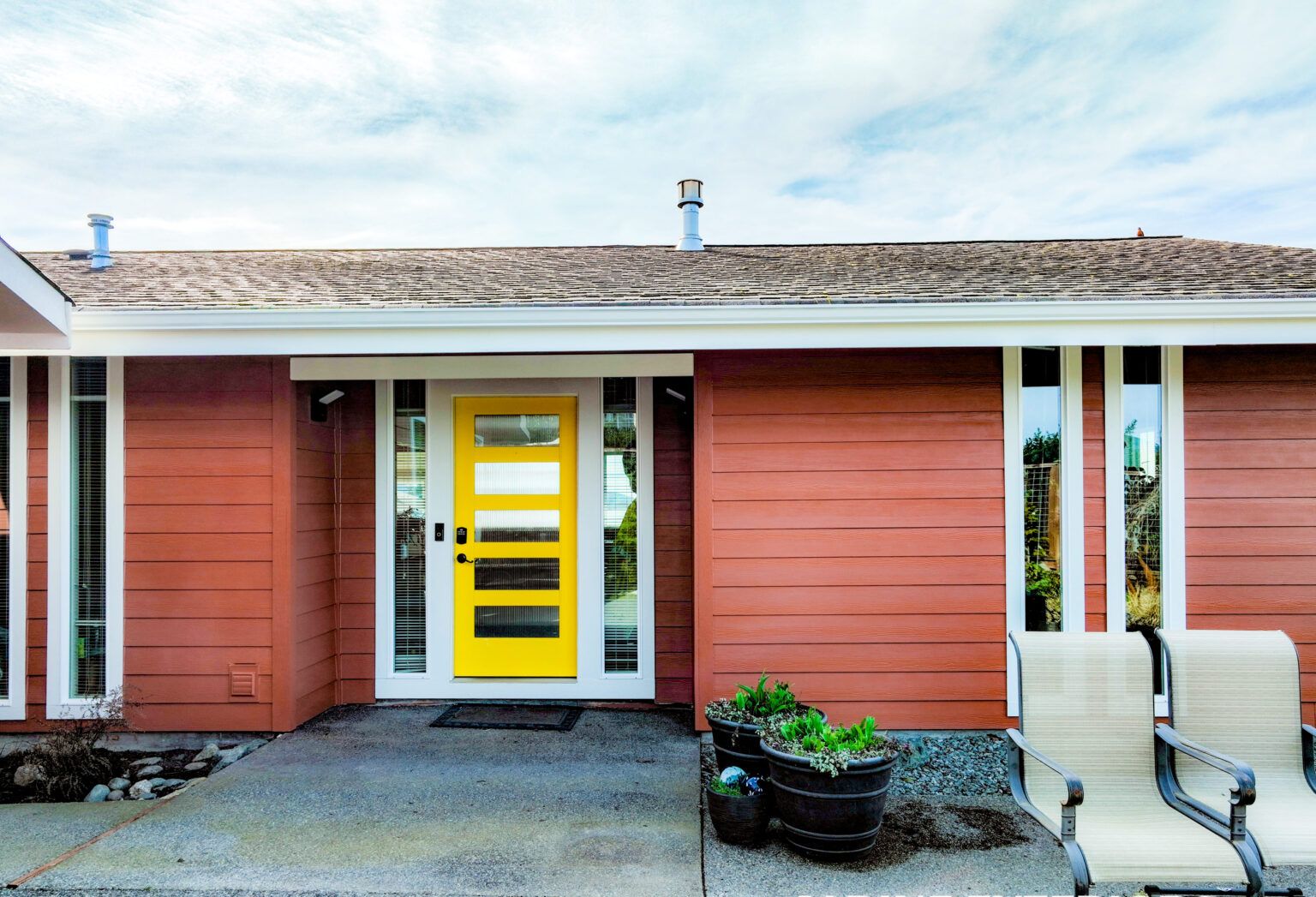
Trinity sits a short drive inland from the Gulf, but the area still falls inside the wind-borne debris region defined by the Florida Building Code, and every siding system installed here has to hold up to conditions that a lot of national "how to inspect your siding" checklists were never written for. Hurricane season brings sustained wind loads and wind-driven rain that gets pushed sideways and even upward under panel edges, not just straight down the way rain behaves in most other climates. Between storms, Pasco County's humidity stays high enough, year-round, to keep moisture pressure on exterior walls even when there's no rain in the forecast, which is exactly the environment mold and mildew need. Add in some of the most intense UV exposure in the continental United States, subterranean termite colonies that are active in the sandy soils typical of this part of Pasco County, and the Gulf's salt-tinged air occasionally reaching this far inland on a sea breeze, and you have a short list of stresses that combine in ways a single glance at your house won't reveal.
Most siding failures in Trinity don't happen all at once during a named storm. They build for months or years — a loosened fastener here, a gap at a J-channel there, a patch of trapped moisture nobody notices until there's a stain on the drywall inside. A once- or twice-a-year walk-around, done with intention, catches most of these problems while they're still a caulk tube and an afternoon instead of a wall reconstruction. This checklist is built around what actually goes wrong on homes in this specific part of Tampa Bay, not a generic list that happens to mention Florida in passing.
Panels, Seams, and Surface
Fasteners, Flashing, and Attachment
Moisture and Ventilation Signs
Storm Readiness and Wind Resistance
Ground-Level and Pest Checks
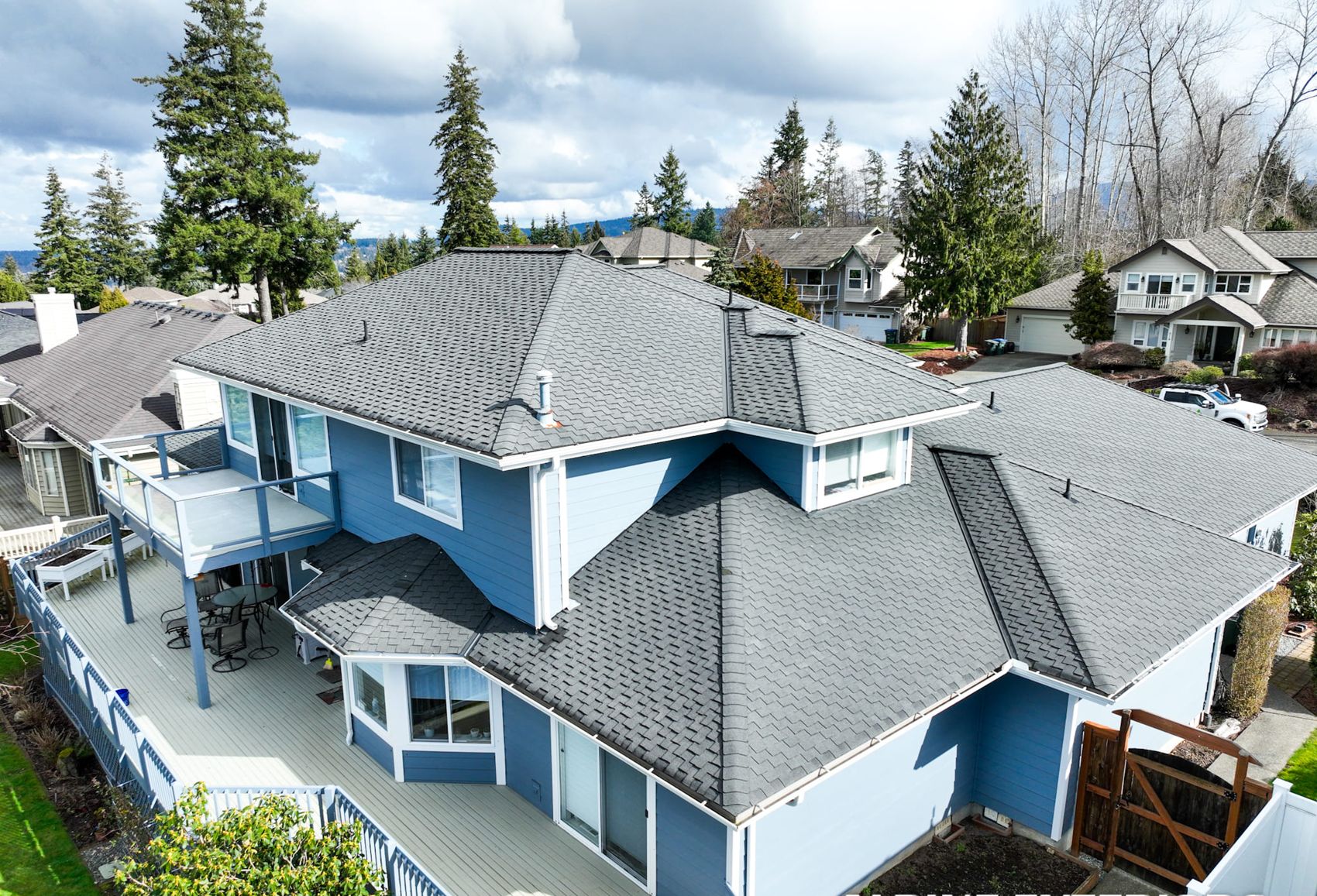
Start by photographing the problem area and noting exactly where it is on the house — which elevation, how high up, and roughly how large. That record is useful whether you end up handling the repair yourself, hiring a contractor, or filing an insurance claim after a storm. For small, isolated issues — a single loose fastener, a hairline crack, a small gap at a seam — a UV-rated exterior sealant can serve as a reasonable stopgap, but treat it as temporary. Caulk and sealant break down under this region's sun faster than most people expect, and papering over a symptom doesn't fix whatever let moisture in to begin with.
For anything involving suspected moisture behind the wall, visible mold, pest activity, or damage after a named storm, it's worth getting a professional opinion before doing more than a temporary patch. Siding problems in a humid climate rarely stay small on their own, and what looks like a cosmetic issue from outside can already involve wet sheathing or insulation underneath. If the item in question relates to your wind mitigation form, keep any documentation from the repair — updated attachment methods or replaced sections can be relevant the next time that form is reviewed.
Some findings are reasonable for a homeowner to monitor or handle with basic materials. Others are worth bringing in a licensed contractor for, both for safety and because misdiagnosing the cause can mean paying for the same repair twice. Call a professional if you see cracking or warping spread across an entire sun-exposed elevation rather than an isolated panel, any indication of moisture inside the wall assembly, visible mold growth, mud tubes or other termite evidence, or damage following a tropical storm or hurricane. It's also worth a professional assessment if you're not sure whether your current siding carries valid Florida Product Approval, or if you're weighing a full re-side and want an honest read on what condition the wall sheathing is actually in underneath. Alpine Exteriors, FL license RB29003900, performs these kinds of assessments for homeowners throughout Tampa Bay, including Trinity, Wesley Chapel, Lutz, Land O' Lakes, New Port Richey, Plant City, and Zephyrhills, and can walk through exactly which items on this checklist need attention now versus which can be monitored.
Twice a year is a reasonable baseline for this area — once in spring before hurricane season ramps up, and again in the fall once the wettest months have passed, so you can catch anything the summer's storms and humidity left behind. After any named storm that produces sustained winds near your property, it's worth a quick additional look regardless of when your last scheduled check was.
Permit requirements depend on the scope of the work and can change, so the honest answer is to check with Pasco County's building division or ask your contractor before work starts — small patch repairs are often treated differently than a full re-side. What doesn't change is that any full siding replacement should use products with current Florida Product Approval for this wind zone, permitted or not, since that's what the material was actually tested to withstand.
It can, indirectly. Insurers use the OIR-B1-1802 wind mitigation inspection form to determine certain premium credits, and the condition and attachment method of your exterior wall covering is one of several factors that form considers. An inspection won't automatically lower your premium, but knowing the actual condition of your siding — and fixing anything that's failing — puts you in a better position when that form is reviewed or renewed.
It can be, but it's worth going in with realistic expectations. Vinyl is lower-maintenance and generally more budget-friendly than fiber cement, but it's also more prone to fading, chalking, and heat-related warping on the sun-hit sides of a house in a climate this intense, and thinner or older vinyl products can be more vulnerable in high wind if not installed and fastened correctly. Fiber cement holds color and wind resistance somewhat better over time but weighs more, costs more upfront, and needs its paint or finish maintained. Neither option is wrong — it depends on your budget, how much upkeep you want to do, and which elevations of your home take the harshest sun and wind.
A checklist can tell you what to look for, but it can't tell you what's happening inside the wall assembly or whether a given product still meets current Florida Building Code wind requirements for your specific house. Alpine Exteriors, FL license RB29003900, inspects and repairs siding for homeowners across Tampa Bay — Trinity, Tampa, Wesley Chapel, Lutz, Land O' Lakes, New Port Richey, Plant City, and Zephyrhills — and can give you a straightforward assessment of what needs attention now, what can wait, and what your options actually cost. If anything on this checklist raised a question you can't answer from the ground, that's a reasonable reason to schedule a visit rather than guess.