
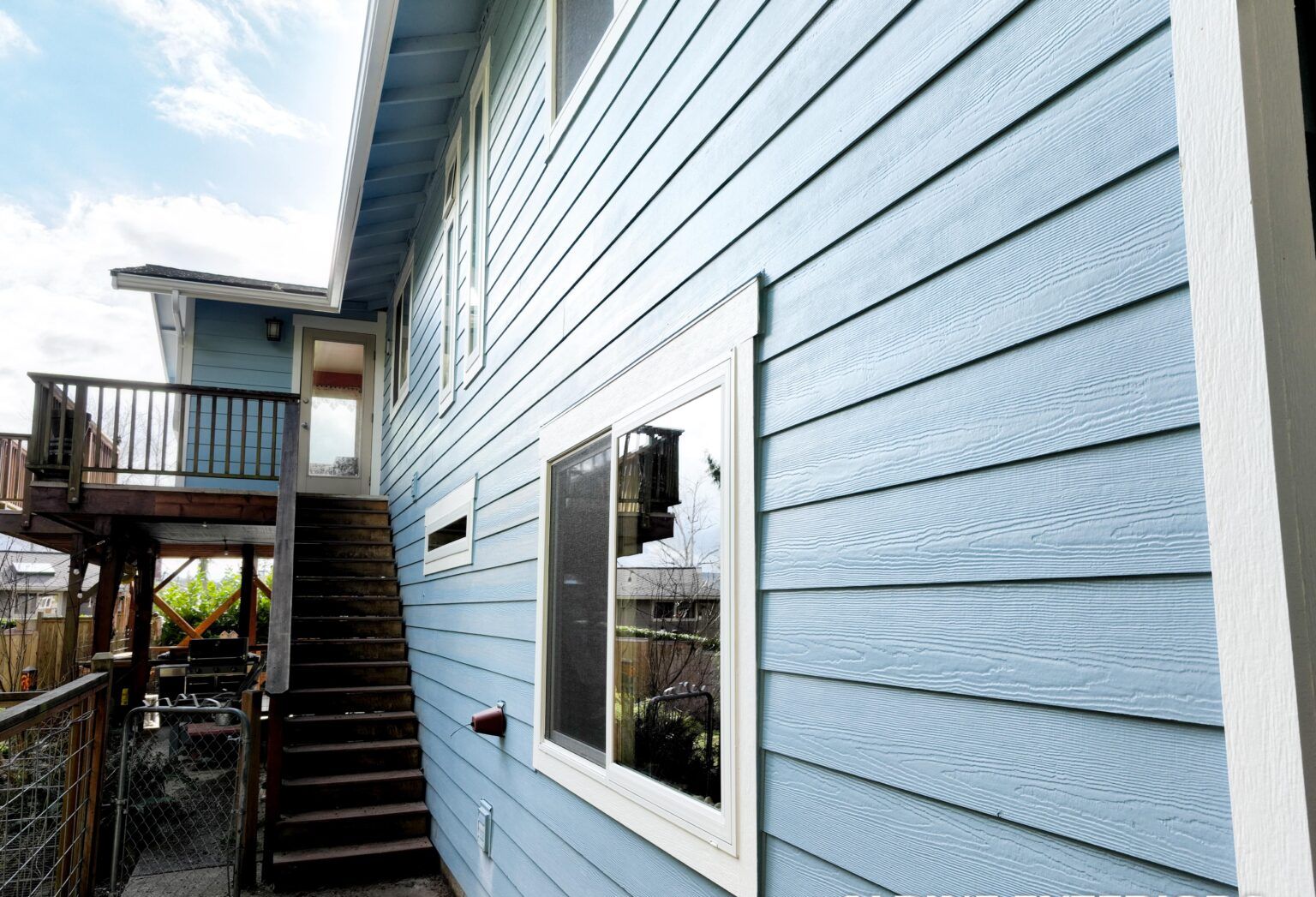
Plant City sits inland from Tampa Bay, but inland in Hillsborough County does not mean sheltered. Tropical systems that come ashore anywhere along the Gulf Coast or track up from South Florida still carry damaging, sustained wind and heavy rain bands well past the coastline, and Plant City homes take that wind and rain directly on their siding. The Florida Building Code accounts for this by setting wind speed and wind-borne debris requirements for Hillsborough County construction, and any replacement siding installed here should carry a valid Florida Product Approval showing it was tested to those loads. A panel that looks fine from the driveway can still be under-fastened, under-flashed, or simply the wrong product for the wind zone, and none of that shows up until a storm finds it.
Between storms, the bigger day-to-day threat is moisture. Central Florida's humidity sits high for most of the year, and Plant City's mix of open farmland and mature tree cover keeps yards and foundation lines damp longer after rain than you might expect. That moisture load, combined with intense subtropical UV exposure, is hard on siding finishes and on anything hidden behind them, including sheathing and framing that can develop mold or rot without ever being visible from outside. Add in the termite pressure that comes with Central Florida's climate, particularly subterranean termites that travel through soil contact points at the base of a home, and you have three separate reasons to look closely at siding at least once a year rather than only after a storm. This checklist walks through what to look for, group by group, so a homeowner can do a meaningful first pass before deciding whether a professional inspection is warranted.
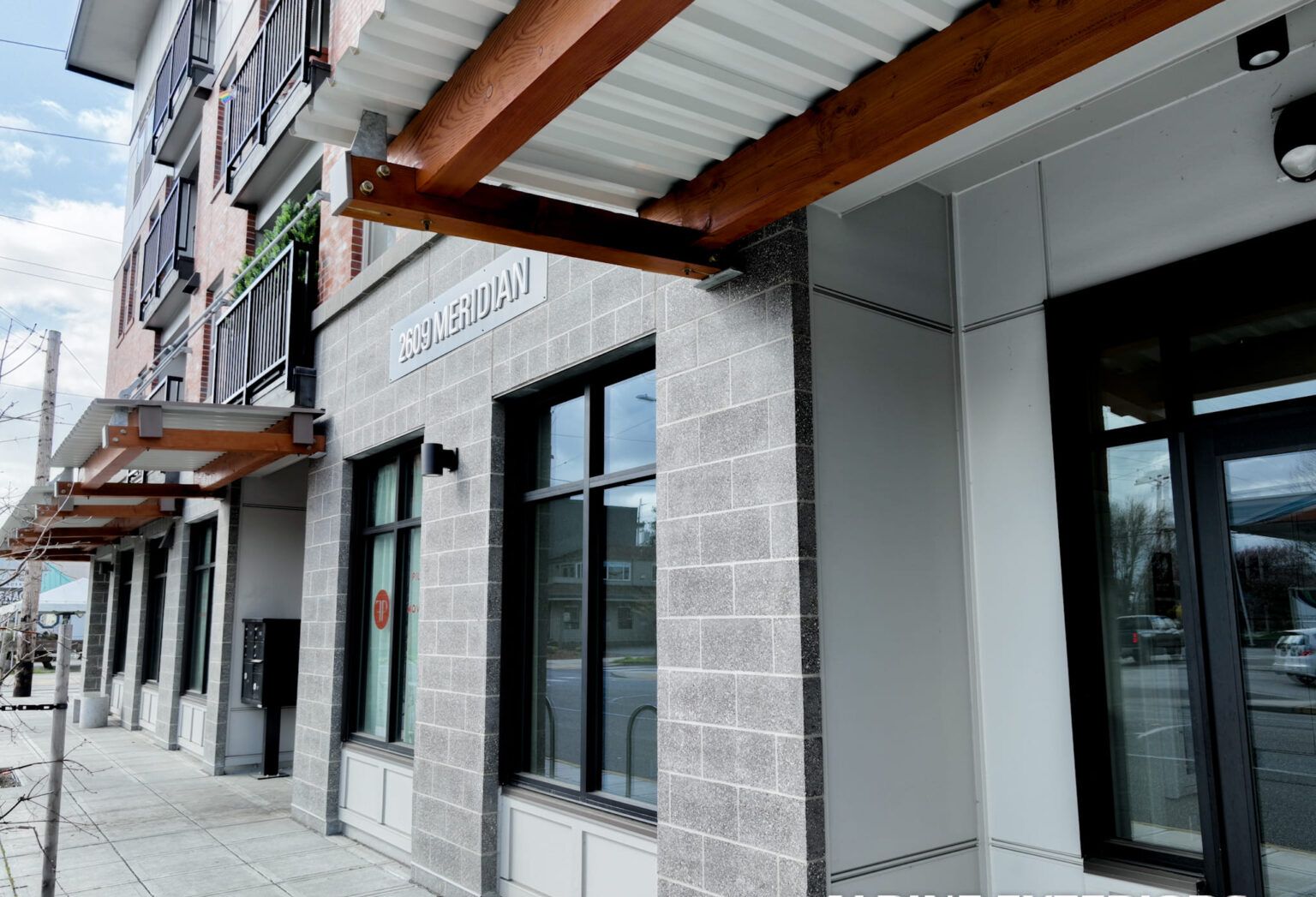
Not every failed item on this list is an emergency, but none of them should be ignored either. Start by separating active water intrusion from cosmetic wear. Anything involving a gap, crack, or missing seal that lines up with a stain, soft spot, or odor on the interior side of the wall should be treated as a priority, since Florida's humidity means hidden moisture problems tend to escalate quickly rather than dry out on their own. Photograph the issue, note its location, and if it is a small, isolated gap or crack, a temporary bead of quality exterior sealant can buy time until it is properly addressed — but treat that as a stopgap, not a fix.
For termite evidence such as mud tubes, do not disturb them before a licensed pest control provider has assessed the extent of activity; disturbing a tube can just send the colony to a new entry point rather than solve the problem. For soil-to-siding contact, regrading or pulling mulch back from the foundation is a reasonable homeowner task and one of the more effective low-cost steps you can take between inspections. For anything structural — soft fascia, panels that move by hand, or wide gaps at the roofline — it's worth getting a professional opinion before the next named storm rather than after, since pre-storm timing gives you more options and generally more contractor availability than an emergency call during hurricane season.
Some findings are reasonable for a homeowner to monitor; others call for a licensed contractor who can evaluate what's happening behind the panel, not just on the surface. Bring in a professional if you see repeated fastener failure across multiple panels rather than an isolated spot, since that pattern often points to an installation or substrate issue rather than normal wear. The same goes for any combination of exterior gaps with interior staining, musty odors, or soft drywall — tracing and correcting hidden moisture damage is not a DIY-friendly job in a humid climate where mold can establish quickly. Confirmed or suspected termite activity should always go to a licensed pest control professional first, with any resulting wood or siding repair handled separately once the pest issue is under control.
It's also worth having a contractor look at your siding before a wind mitigation inspection for the OIR-B1-1802 form, since insurers care about many of the same details this checklist covers — secure attachment, intact flashing, and code-compliant materials. If you're planning a partial or full siding replacement, make sure whatever goes up carries a current Florida Product Approval rated for Hillsborough County's wind zone; older or mismatched replacement panels are a common reason a home fails a later inspection even when the original siding was installed correctly. Alpine Exteriors, FL license RB29003900, works with Plant City homeowners on exactly this kind of evaluation, distinguishing between cosmetic wear that can wait and issues tied to water intrusion, wind resistance, or termite access that shouldn't.
A full walk-around at least once a year is reasonable for most homes, ideally done before the start of hurricane season each June so any issues can be addressed while contractors still have availability. Homes with mature trees close to the structure, known moisture history, or prior termite treatment may benefit from checking twice a year, since shade and root activity near the foundation can accelerate several of the issues on this list.
Siding condition isn't usually scored on its own, but it can factor into a broader wind mitigation inspection, which Florida insurers use to determine certain premium credits documented on the OIR-B1-1802 form. Secure, properly flashed siding and intact water management details support a stronger overall inspection result, even though the form's primary focus is roof and opening protection.
Most of this checklist is well within reach for a homeowner doing a careful walk-around, with a ladder for roofline and soffit areas. Where it's worth bringing in a professional is anything you can't fully assess from the outside — suspected moisture behind the wall, termite activity, or whether existing siding actually meets current Florida Product Approval and wind-load requirements for a planned repair or replacement.
There's no single answer that fits every home or budget, and each material has real tradeoffs. Fiber cement resists moisture and pests well but is heavier and costs more upfront; vinyl is lower-cost and low-maintenance but can soften or distort in extreme heat if it's a lower-grade product; engineered wood products need consistent sealant maintenance to hold up against Florida humidity. The right choice depends on your home's exposure, budget, and how much ongoing maintenance you're willing to take on — worth a conversation with a licensed contractor rather than deciding from a product label alone.
If this checklist turned up more than a cosmetic issue, or if it's simply been a while since your Plant City home's siding was looked at by someone other than a homeowner on a ladder, Alpine Exteriors serves Plant City and the surrounding Tampa Bay area, including Wesley Chapel, Lutz, Land O' Lakes, Zephyrhills, and New Port Richey. Reach out for an on-site inspection that covers wind resistance, water management, and pest-access points together, so you get a clear, honest picture of what needs attention now and what can reasonably wait.