
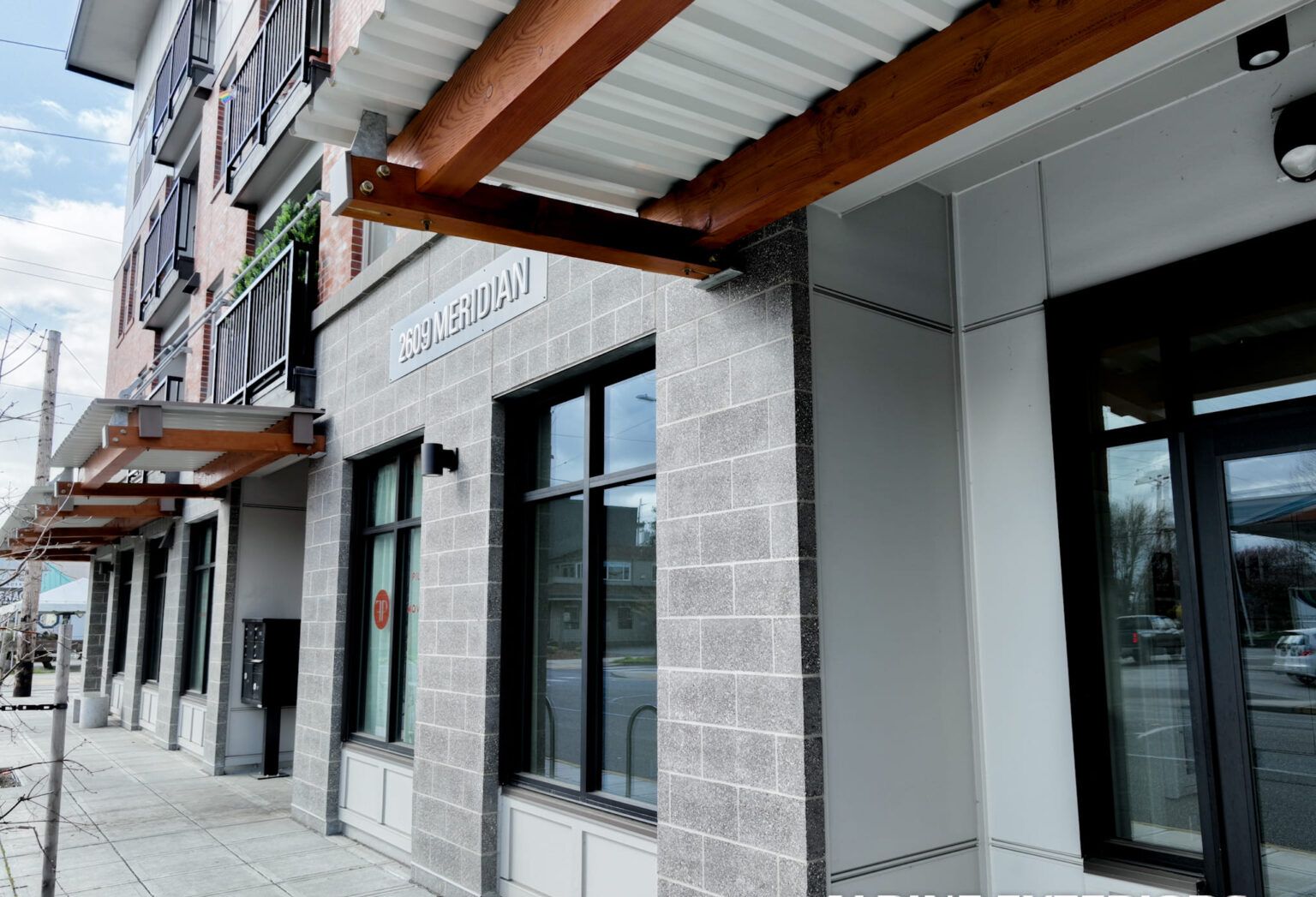
If you own a home in Meadow Pointe or elsewhere in Wesley Chapel and plan to stay put for a decade or more, James Hardie fiber cement is usually the better long-term fit for Pasco County's combination of summer storms, year-round humidity, and intense sun. If you're working with a tighter renovation budget, siding a rental property, or re-covering a detached structure like a shed or workshop, vinyl siding is a reasonable, lower-cost option as long as you go in aware of its shorter service life here. Neither product is a bad choice on its own — the mismatch happens when a homeowner picks vinyl expecting Hardie-level durability, or pays for Hardie on a property they plan to sell in two years. This page walks through both products with Pasco County conditions specifically in mind, not generic siding advice that could apply anywhere in the country.
James Hardie siding is made from a mix of Portland cement, sand, and cellulose fiber, pressed and cured into planks, panels, or shingle-style pieces. Hardie manufactures a version of its product line, HardieZone HZ10, engineered specifically for humid, high-UV climates like Florida's, with a formulation intended to resist moisture-related swelling and cracking better than the standard-zone product sold in drier states. That matters in Meadow Pointe, where afternoon thunderstorms roll through most of the summer and the air stays heavy with moisture for months at a time.
Because it's cement-based rather than wood, fiber cement doesn't give termites anything to eat — a real consideration in Central Florida, where subterranean and drywood termites are common enough that most pest control companies in the Tampa Bay area treat for both. Fiber cement also holds up well against wind-driven rain when it's installed with the correct flashing, house wrap, and fastening pattern, and Hardie products carry Florida Product Approval documentation confirming they meet the wind pressure and impact requirements in the Florida Building Code for the specific wind speed zone a home sits in. Pasco County isn't in the state's High-Velocity Hurricane Zone (that designation applies to Miami-Dade and Broward), but every home here still has to meet FBC wind pressure requirements for its design wind speed, and having documented product approval on file matters if a permit inspector or an insurance adjuster ever asks for it.
The trade-offs are real. Fiber cement is heavier than vinyl, so it takes longer to install and generally costs more in labor as well as material. Factory-applied ColorPlus finishes hold color longer than field-applied paint, but the material still isn't maintenance-free forever — expect to repaint or recoat on a longer cycle than you would with wood, but a cycle that eventually comes due. It also has to be cut, primed at cut edges, and fastened according to Hardie's published specifications and the Florida Building Code's fastening schedule for the wind zone; skipping those steps is a common source of callbacks on fiber cement jobs, which is why installation quality matters as much as the product itself.
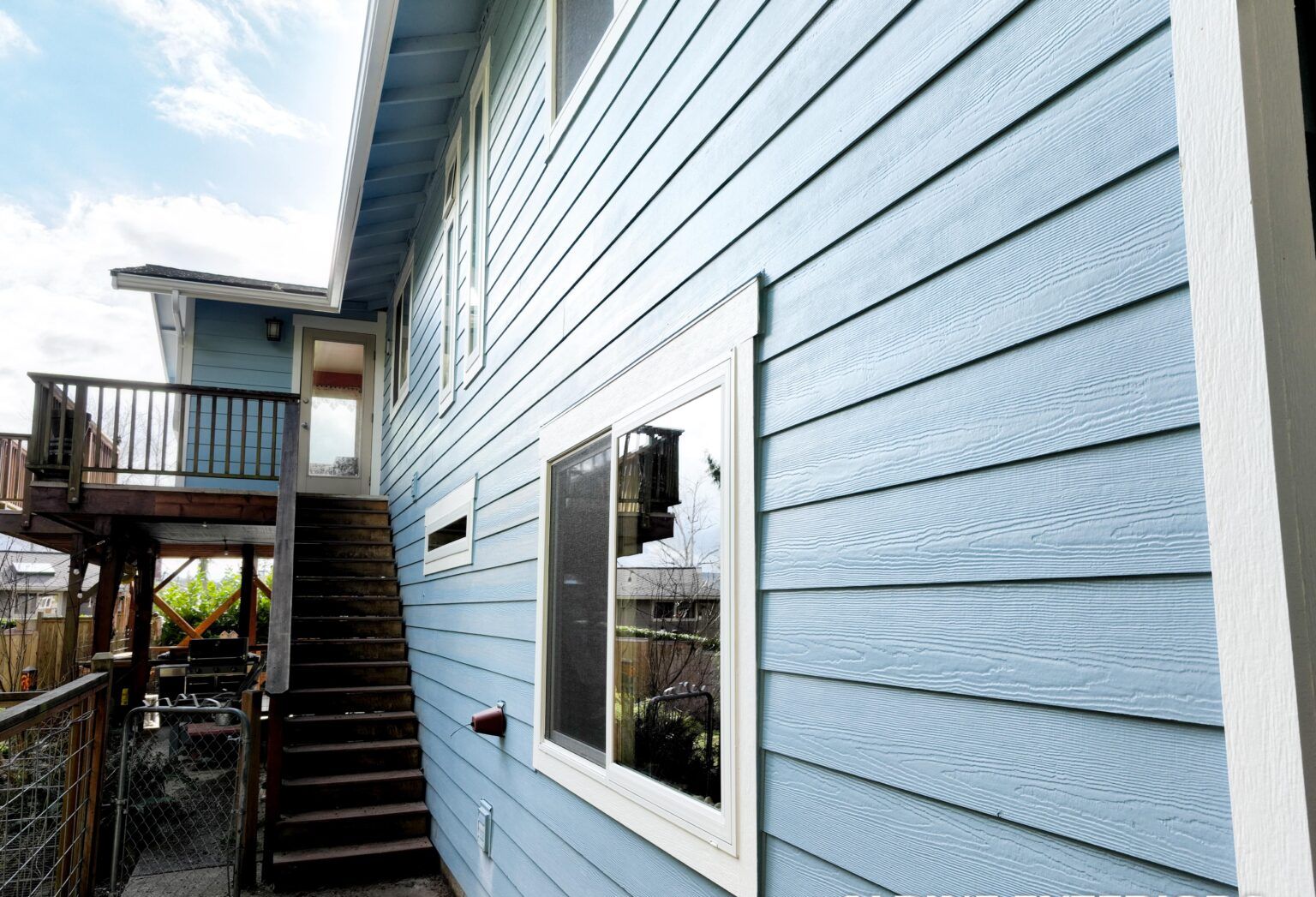
Vinyl siding is an extruded PVC panel product, sold in a range of profiles and colors, and it remains one of the most common re-siding choices nationally because of its lower material and labor cost. In Pasco County, vinyl can be a sound choice for secondary structures, budget-driven renovations, and situations where the home won't be owned long enough to make a longer-lifespan product pay off. Quality vinyl siding rated for Florida's wind zones will also carry Florida Product Approval, it doesn't rot, and it sheds rain well when properly lapped and flashed.
The drawbacks show up mostly under Florida's specific conditions. Vinyl panels expand and contract with heat more than fiber cement does, and darker colors absorb more solar heat, which can lead to visible warping or buckling over time — a known issue with dark vinyl anywhere it gets strong, sustained sun, and Pasco County's UV exposure is intense for most of the year. Vinyl is also more vulnerable to wind-driven debris impact than fiber cement; a lawn chair or tree limb in a strong thunderstorm gust is more likely to crack or puncture a vinyl panel than dent fiber cement. And because vinyl panels aren't a water barrier by themselves — they rely on the house wrap and flashing behind them to actually keep water out — a poor installation in a humid climate can trap moisture against the wall sheathing where it isn't visible until mold or rot shows up on the interior side. That's an installation-quality risk more than an inherent flaw in the material, but it's one worth naming honestly.
| Factor | James Hardie Fiber Cement | Vinyl Siding |
|---|---|---|
| Installed cost | Higher upfront — roughly in the mid-to-upper range per square foot installed, driven by material weight and labor time | Lower upfront — generally the more budget-friendly option per square foot installed |
| Typical lifespan in this climate | Often several decades with proper installation and periodic repainting; general expectation, not a guarantee | Shorter general expectation, especially with dark colors in full sun; varies by panel thickness and installation quality |
| Maintenance | Occasional repainting or recoating over its life, plus caulking checks at joints and trim | Low routine maintenance — periodic washing — but individual cracked or warped panels need replacement, and matching older color runs can be difficult |
| Appearance | Available in wood-grain lap, shingle, and board-and-batten profiles; paintable to any color, including custom HOA-matched shades | Limited to manufactured colors and profile depth; look is flatter and less like real wood or masonry up close |
Meadow Pointe is a mature, deed-restricted community, and many of the homes built there are now old enough that original siding — vinyl in a lot of cases — is reaching the point where panels are fading unevenly, warping near dryer vents and grills, or simply looking dated next to newer construction nearby. For a primary residence you intend to keep for years, fiber cement generally makes more financial sense over the ownership period: fewer full re-siding cycles, better resistance to the wind-driven rain that comes with Central Florida's summer storm pattern, and no termite food source in a region where termite pressure is a genuine, ongoing concern rather than a rare event.
There are still legitimate reasons to choose vinyl here. If you're re-siding a detached garage, a rental property with a shorter planned hold, or working within a hard renovation budget, vinyl rated for your home's wind zone and installed correctly is a defensible choice — just go in knowing you may be replacing individual panels or repeating the project sooner than you would with fiber cement. HOA architectural guidelines in some Meadow Pointe sections also specify approved siding colors and profiles, so it's worth checking your community's standards before ordering material either way.
Alpine Exteriors installs both James Hardie fiber cement and vinyl siding for homeowners throughout Wesley Chapel, Lutz, Land O' Lakes, New Port Richey, Plant City, Zephyrhills, and greater Tampa, and we'll walk your property specifically rather than default to one product. That includes checking what your current wind mitigation inspection form shows, confirming the correct Florida Product Approval for the siding you choose, and installing to the Florida Building Code's fastening and flashing requirements for your home's wind zone — because on siding, the installation detail work is often what determines whether either product performs the way it's supposed to.
Siding material itself isn't typically the primary factor insurers weigh — the OIR-B1-1802 wind mitigation inspection form that Florida insurers use focuses mainly on roof shape, roof-to-wall connections, opening protection, and roof covering age. That said, siding condition can come up during a general four-point or wind mitigation inspection, and a home with cracked, missing, or visibly failing siding can draw questions from an underwriter. It's worth asking your insurance agent directly how they weigh siding condition, since practices vary by carrier.
Ambient Florida heat alone usually isn't enough to warp vinyl siding, but reflected or radiant heat can be. The more common culprits are dark vinyl colors absorbing direct sun over time, and heat reflected off low-E windows or a grill positioned too close to the wall, both of which concentrate more heat on one spot than the sun alone typically produces. Choosing a lighter color and keeping heat sources like grills away from vinyl walls reduces the risk.
Yes — the installation details matter as much as the product. That means correct house wrap, proper flashing at windows and doors, primed and sealed cut edges, and fastening according to both the manufacturer's specifications and the Florida Building Code's schedule for your wind zone. Alpine Exteriors follows Hardie's published installation guidance and local code requirements rather than treating fiber cement as a drop-in replacement for whatever siding was on the house before.
Yes. Fiber cement siding removes one potential termite entry point on the exterior wall, but it doesn't protect the rest of the structure — framing, trim, and other wood components are still vulnerable. Termite pressure in Pasco County is significant enough that most homeowners carry a separate termite treatment or bond regardless of what siding is on the house; siding choice is one factor among several, not a substitute for pest control.
If you're weighing James Hardie fiber cement against vinyl for a home in Meadow Pointe or anywhere else in the Tampa Bay area, Alpine Exteriors can walk your property, review your home's wind zone and current siding condition, and put together a written estimate for both options so you're comparing real numbers instead of guesswork. Alpine Exteriors is a licensed Florida contractor (RB29003900) serving Tampa, Wesley Chapel, Lutz, Land O' Lakes, New Port Richey, Plant City, and Zephyrhills. Contact us to schedule a siding evaluation and get a straight answer on which product fits your home, your budget, and how long you plan to stay in it.