
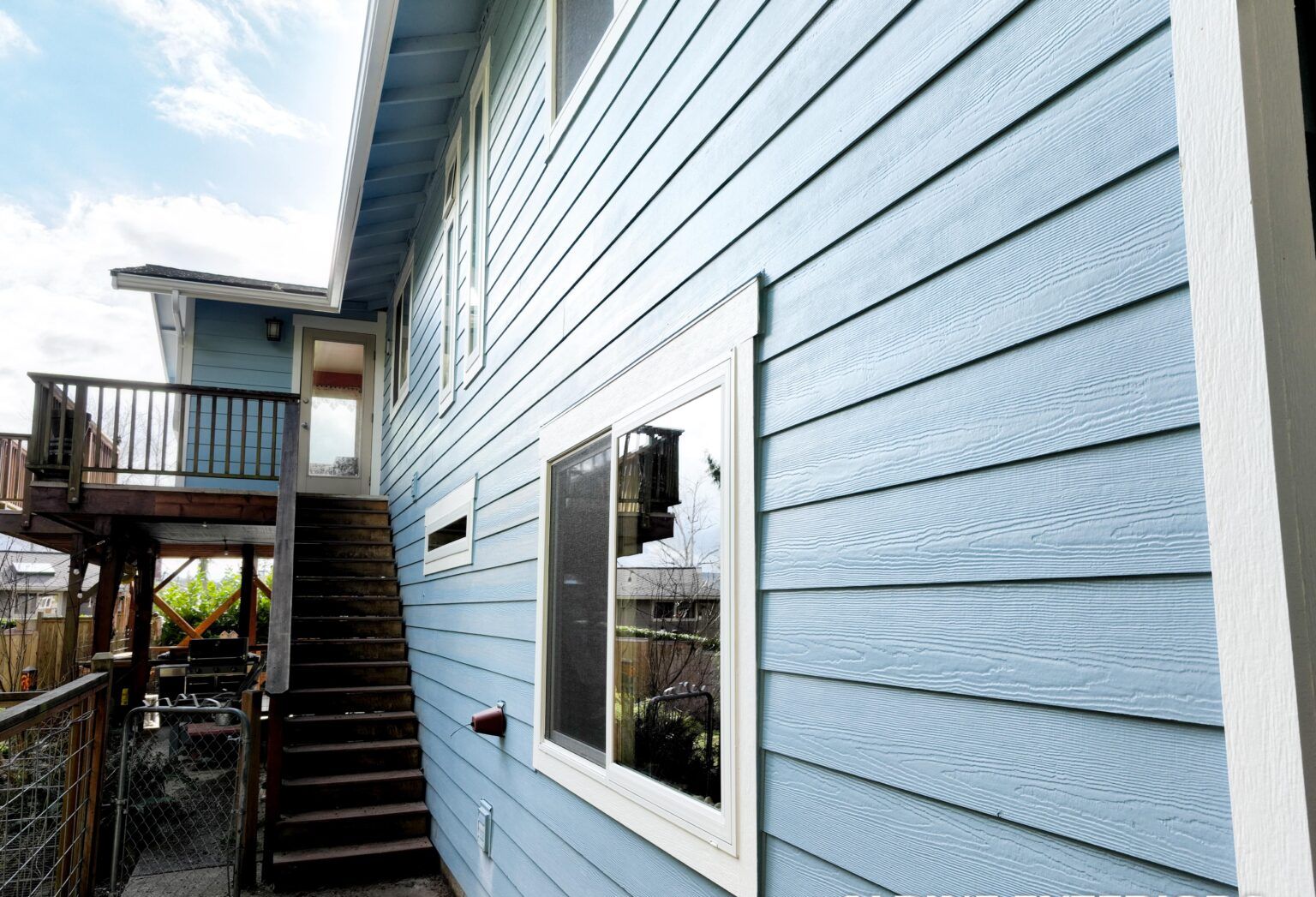
For most homes around Moon Lake, James Hardie fiber cement siding is the stronger long-term choice because it stands up better to wind-driven rain, humidity, and the intense Gulf Coast sun that ages exterior materials faster here than in a lot of the country. Vinyl siding still has a place — it costs less up front and can be a reasonable option for a rental property, a smaller outbuilding, or a homeowner who plans to sell within a few years and wants a clean, budget-friendly refresh. The right answer comes down to how long you plan to own the home, which elevation you're covering, and how much of your decision is driven by upfront price versus lifetime cost. Both materials are used successfully on homes throughout Pasco County, but they perform very differently once a Florida storm season gets underway.
James Hardie siding is made from a mix of Portland cement, sand, and cellulose fibers pressed into planks, panels, or shingle-style pieces and then cured. Because it's cement-based rather than plastic-based, it doesn't soften in heat, doesn't become brittle the way some materials can after years of UV exposure, and won't provide a food source for termites or wood-boring insects — a real consideration in a wood-frame home anywhere in central Florida. Hardie's HZ5 product line is formulated specifically for high-humidity, high-moisture climates like ours, which is a meaningful difference from a generic national product; the material is engineered with Gulf Coast and Southeast weather in mind rather than treating Florida as an afterthought.
In terms of storm performance, fiber cement's weight and rigidity work in its favor. It's less prone to being peeled off the wall in sustained high wind when it's installed correctly, and it holds up well against the kind of horizontal, wind-driven rain that Tampa Bay sees during tropical storms and hurricane outer bands — moisture intrusion behind the cladding is one of the more common causes of hidden rot and mold problems in this region, and a well-installed Hardie system with correct house wrap and flashing detailing reduces that risk. The factory-applied ColorPlus finish also resists fading better than field-applied paint, which matters given how much UV exposure a south- or west-facing wall takes in a Florida summer.
The tradeoffs are real, though. Fiber cement costs more to buy and more to install than vinyl, largely because it's heavier, requires specific fasteners and blade types to cut, and needs a crew with fiber cement experience to install correctly — poor installation is where most of Hardie's field failures actually come from, not the material itself. It also needs to be caulked and, if you choose primed boards instead of factory-finished ColorPlus, periodically repainted, so it isn't entirely maintenance-free the way it's sometimes made out to be.
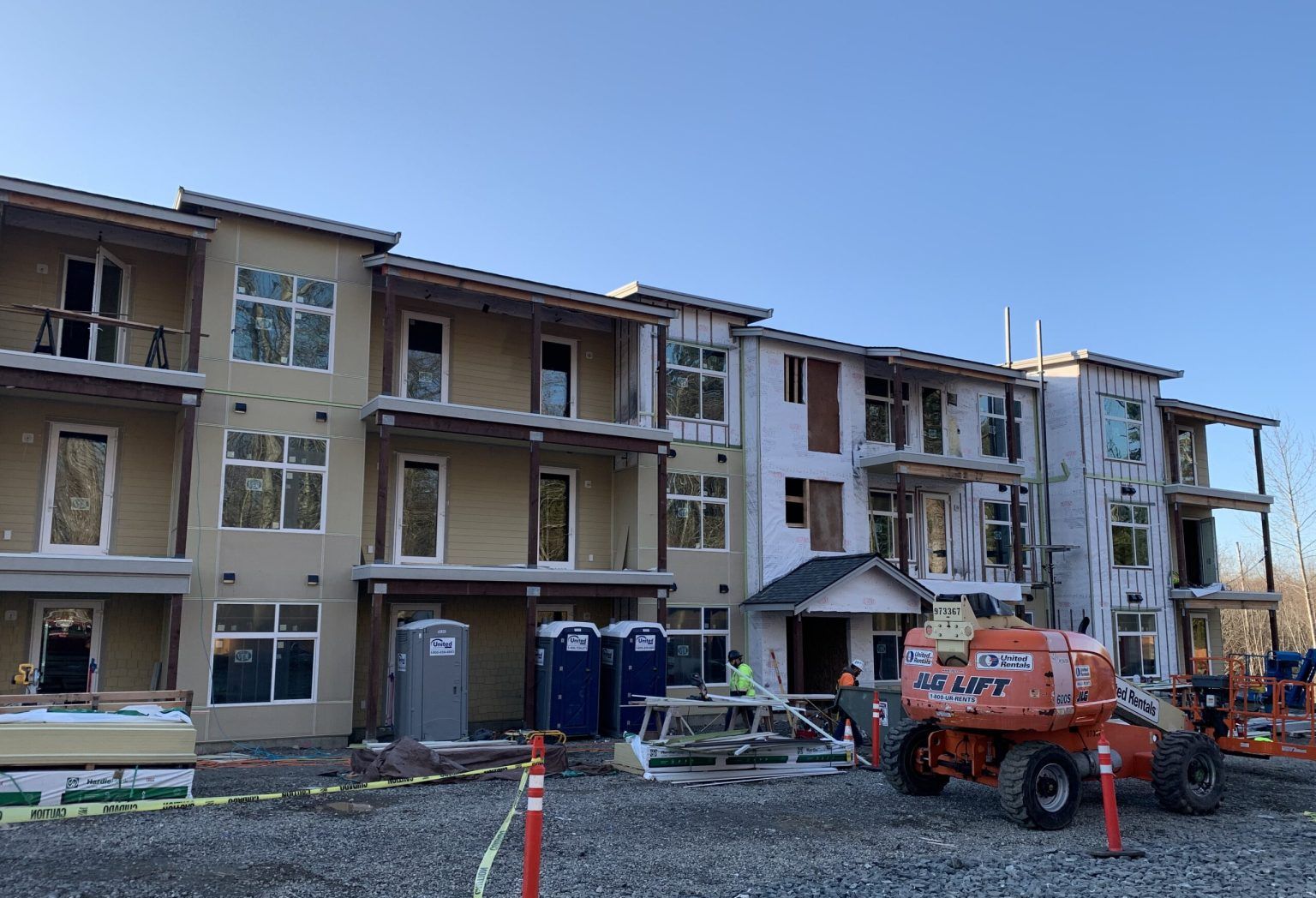
Vinyl siding is a PVC plastic product formed into interlocking panels, and its main appeal is straightforward: it costs less to buy, it's lighter to handle, and it's generally faster to install, which keeps labor costs down as well. Vinyl never needs painting, it doesn't rot, and it sheds water off its surface rather than absorbing it, which is a genuine advantage in a humid climate. Modern vinyl also comes in a wide range of colors, textures, and profiles, including insulated versions that add some rigidity and a modest bump in energy performance.
Where vinyl runs into trouble in this part of Florida is wind and heat performance, and the two are related. Not all vinyl siding is rated the same — wind resistance varies significantly by manufacturer, panel thickness, and how tightly the panels lock together, and any product installed here needs a valid Florida Product Approval covering the wind speeds required under the Florida Building Code for this part of Pasco County. Cheaper, thinner vinyl can flex, crack, or blow off in sustained wind events even when the rest of the house is undamaged, and once a few panels are missing, the wall assembly behind them is exposed to wind-driven rain. Vinyl also expands and contracts more than fiber cement with heat, which over years of intense Florida sun can lead to visible waviness, especially in darker colors that absorb more heat, and it can grow more brittle with age, making it easier to crack during storm cleanup or routine yard work.
None of this makes vinyl a bad product — a properly rated, well-installed vinyl system from a reputable line can perform reasonably well on a Moon Lake home. But the range of quality inside the broad category of "vinyl siding" is wide, and the installation details that keep water out at the seams, corners, and penetrations matter just as much as the panel itself.
| Factor | James Hardie Fiber Cement | Vinyl Siding |
|---|---|---|
| Upfront cost | Higher material and labor cost; the premium reflects the material's weight, cutting requirements, and skilled installation | Lower material and labor cost; typically a faster install timeline |
| Lifespan | Generally the longer-lived option when installed and maintained correctly, backed by a manufacturer limited warranty | Can last many years but is more sensitive to UV embrittlement and heat-related warping over time under intense Florida sun |
| Maintenance | Occasional caulk touch-ups and repainting if not factory-finished; otherwise low maintenance | No painting needed; periodic washing to remove mildew film, plus checking for cracked or loosened panels after storms |
| Appearance | Authentic wood-grain or smooth textures, crisp panel lines, factory color options that resist fading | Wide color and profile selection, but can read as more plastic up close, with darker colors limited by heat-absorption concerns |
Moon Lake is an unincorporated lake community, and much of the housing stock here is older wood-frame construction that has already been through more than one re-siding decision over the decades. That history matters: homes near the lake and the surrounding low-lying areas deal with consistently high ambient humidity, which creates real mold and mildew pressure on any exterior surface, and central Florida's termite population means anything that reduces food sources and moisture pockets around the wall assembly is worth prioritizing. Because Moon Lake sits several miles inland from the Gulf rather than directly on the coast, salt-air exposure isn't the dominant factor it would be on a beachfront property in Pinellas County, but onshore flow during storms can still carry some salt-laden moisture this far inland, which is one more reason to favor a material that resists corrosion at the fasteners and doesn't trap water against the substrate.
Wind is the bigger factor for this location. Pasco County isn't in Florida's High-Velocity Hurricane Zone — that designation applies to Miami-Dade and Broward — but every home here is still designed to the wind speed requirements set out in the Florida Building Code for this region, and any siding product installed needs a current Florida Product Approval covering that wind speed rating. For full or partial re-sides, especially on elevations most exposed to prevailing wind and driving rain, fiber cement's added rigidity and weight give it an edge in actually staying attached and keeping water out during a tropical storm or hurricane's outer bands, which is where a lot of the storm damage in this area actually originates — not the eye of the storm, but the sustained wind-driven rain on the leading edge.
If budget is the deciding factor, a higher-tier, storm-rated vinyl product installed correctly — proper starter strip, a nailing pattern that allows for expansion, sealed penetrations — can still be a defensible choice for a secondary structure, a rental, or a home where the owner plans a shorter hold period. What we'd steer people away from is the lowest-cost, thin-gauge vinyl on a primary residence in this area; the savings on the front end tend to get eaten up by more frequent repairs after storm seasons. Alpine Exteriors works with homeowners throughout Tampa Bay, including Moon Lake and the surrounding Pasco County communities, to look at the specific exposure of each elevation and recommend a product and installation approach that fits both the budget and the realistic wind and moisture conditions of the site, rather than a one-size-fits-all answer.
Fiber cement doesn't absorb and swell with moisture the way wood does, and because it's inorganic, it doesn't feed mold growth the way some organic materials can; vinyl also sheds water well since it's a solid plastic panel, so both materials handle everyday humidity reasonably well. The bigger difference shows up at the seams, fasteners, and installation details, where a correctly installed Hardie system with proper flashing tends to keep wind-driven rain out of the wall assembly more reliably over time than a lower-grade vinyl installation.
It depends heavily on the specific product and the quality of the installation. Higher-tier vinyl lines carrying a Florida Product Approval for the wind speeds required in this part of Pasco County can perform well, but thinner, budget-grade panels are more prone to flexing, cracking, or detaching in sustained high wind, which then exposes the underlying wall to wind-driven rain. Fiber cement's added weight and rigidity generally give it an edge for wind performance on the elevations most exposed to storms.
That depends on which finish is chosen. Factory-applied ColorPlus finishes are formulated to resist fading and chalking from intense Florida UV exposure for years longer than a standard field-applied paint job on primed boards, though even ColorPlus boards eventually need attention at trim, cut edges, and caulk joints. Primed boards that are field-painted will generally need repainting sooner, particularly on south- and west-facing walls that take the most direct sun.
Vinyl siding doesn't attract termites or other wood-boring pests since it isn't a food source, and the same is true of fiber cement. Vinyl is a combustible plastic and can soften or melt if exposed to significant heat, such as from a grill or fire pit placed too close to the house, while fiber cement doesn't support combustion the same way; for most Moon Lake homeowners this is a minor factor compared to wind and moisture performance, but it's worth keeping outdoor heat sources a reasonable distance from either material.
Choosing between James Hardie fiber cement and vinyl siding isn't just a materials decision — it's a decision about how your specific home, elevation exposure, and budget line up with Pasco County's wind and moisture realities. Alpine Exteriors, Florida contractor license RB29003900, serves homeowners across Tampa Bay — including Moon Lake, Tampa, Wesley Chapel, Lutz, Land O' Lakes, New Port Richey, Plant City, and Zephyrhills — and can walk your property, explain what the Florida Building Code and product approval requirements mean for your specific address, and put together a straightforward cost comparison between fiber cement and vinyl for your home. Reach out to schedule an on-site evaluation and get a written estimate for both options before you decide.