
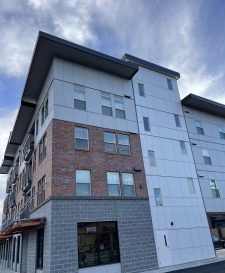
For most homeowners in Northdale, the choice between James Hardie fiber cement and vinyl siding comes down to how long you plan to own the home, how much upfront budget you have, and how much weight you put on resisting Tampa Bay's humidity, storm-driven debris, and intense sun. If you're budget-constrained, tackling a rental or flip property, or your home has straightforward wall lines without a lot of trim detail, a quality vinyl product rated for our local wind speeds is a legitimate, code-compliant option that will look good and hold up reasonably well. If you're renovating a long-term home under Northdale's mature oak canopy, want a material that shrugs off humidity swings and doesn't soften or distort in our summer heat, and you care about resale appearance in a neighborhood where a lot of homes already show their age, James Hardie fiber cement is the stronger long-term investment even though it costs more to install. Neither product is wrong, they're built for different priorities, and the rest of this page lays out exactly where each one wins so you can match the decision to your situation.
James Hardie siding is made from a mixture of Portland cement, sand, and cellulose fibers, pressed into planks or panels and cured. It isn't wood, and it isn't plastic — it behaves more like a masonry product, which is exactly why it performs the way it does in a climate like ours. Hardie manufactures a version of its product line, marketed as HZ5, specifically engineered for higher-humidity, higher-moisture regions that include the Gulf Coast and the Southeast, and Hillsborough County falls squarely in that category. Because the material is cement-based, it doesn't absorb moisture and swell the way engineered wood products can, and it isn't a food source for termites, which matters in a county where subterranean termite pressure is a routine part of home maintenance, not an edge case.
The factory-applied ColorPlus finish is baked on and warrantied against fading in a way that field-applied paint isn't, which matters under Florida's intense, nearly year-round UV exposure. Fiber cement is also non-combustible and, because it's dense and rigid, it resists denting and puncture from wind-driven debris — a real consideration on a street with large, older oaks that drop limbs during summer thunderstorms and tropical systems. The tradeoffs are real too: the boards are heavy, installation is more labor-intensive and requires correct fastener spacing and blind- or face-nailing per the manufacturer's instructions, and the material and labor cost more than vinyl. It also still needs the joints and butt seams caulked and inspected periodically, and while the factory finish lasts a long time, it isn't maintenance-free forever.
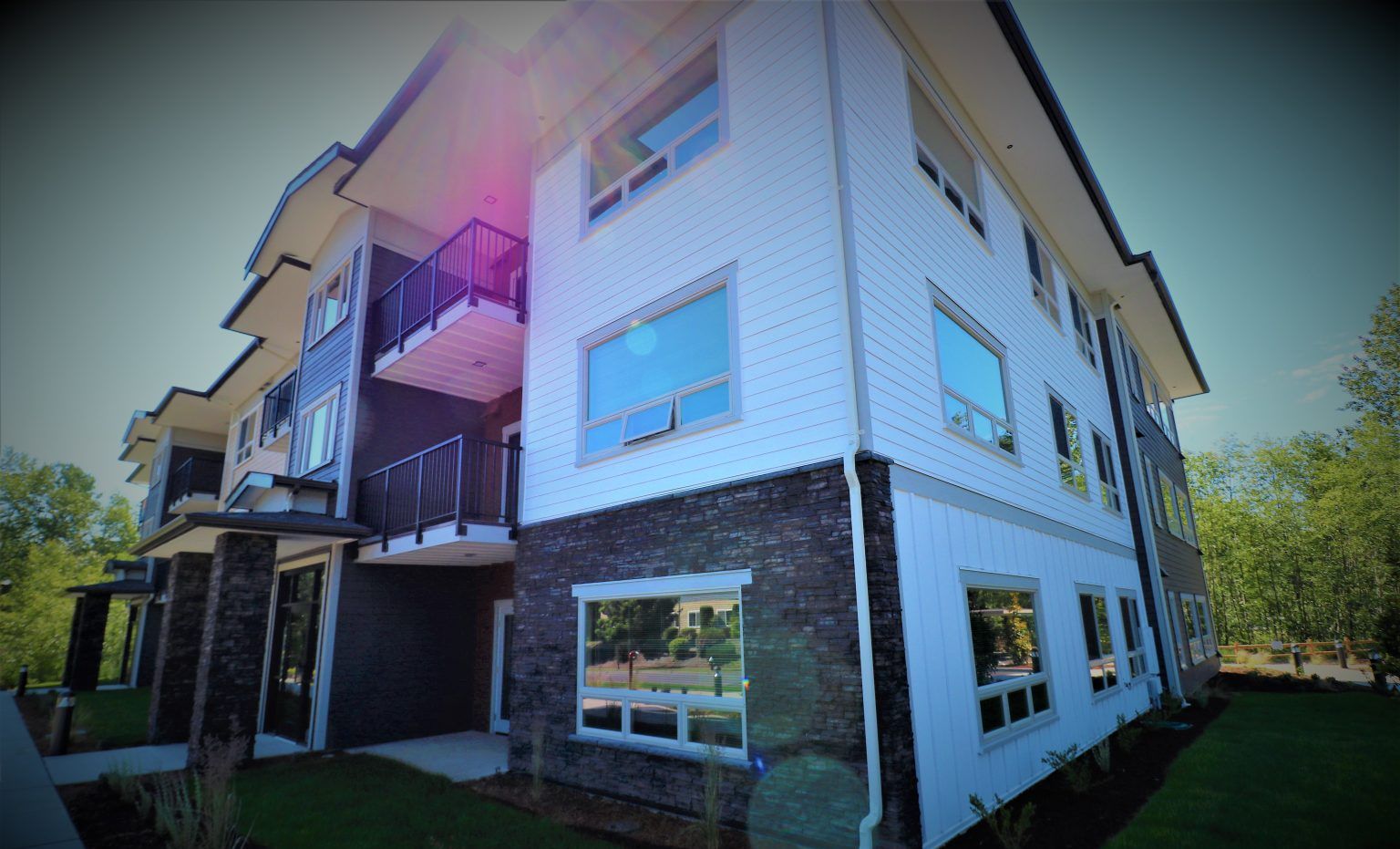
Vinyl siding is a PVC-based product formulated with UV stabilizers and, in better-quality lines, additional impact modifiers. It's lighter than fiber cement, which generally translates into a faster, less labor-intensive installation and a lower total project cost. Color runs through the material rather than sitting on top of it, so light scuffs and scratches are less visible than they'd be on a painted surface. Like fiber cement, vinyl is inorganic, so it doesn't rot and it isn't a termite food source, which removes one of the traditional arguments against it in a termite-pressure state like Florida.
Where vinyl shows its limits here is heat and impact. Darker vinyl colors absorb more solar energy, and on a west- or south-facing wall in a Tampa Bay summer, dark panels can soften, bow, or oil-can enough to be visible, especially on lower-quality or thinner-gauge product. Standard vinyl is also more prone to cracking or shattering on direct impact from wind-driven debris than fiber cement is, and in a strong storm a panel that isn't locked in correctly can be pried loose at the bottom lock or blown off outright. Any vinyl siding installed here needs to carry a current Florida Product Approval demonstrating it's been tested under ASTM E330 to the wind pressures mapped for this part of Hillsborough County under the Florida Building Code, and it needs to be installed to the manufacturer's fastening pattern for that rating — an unrated product, or a rated product installed loosely 'for looks,' is where vinyl gets its bad reputation in hurricane country.
| Factor | James Hardie Fiber Cement | Vinyl Siding |
|---|---|---|
| Upfront Cost | Higher material and labor cost; heavier product, more installation time | Lower material and labor cost; lighter, faster install |
| Lifespan | Long-service material; factory finish is warrantied against fading for an extended period when properly installed and maintained | Long-service material, but panels can distort, crack, or fade sooner in intense heat and UV, especially lower-grade product |
| Maintenance | Periodic inspection and re-caulking of joints and trim; occasional repainting eventually, but far less often than wood | Occasional washing; minimal repainting since color is through-body, but cracked or warped panels must be replaced, not patched |
| Appearance | Authentic wood-look profiles, crisp trim details, wide color range with factory-baked finish; reads as a higher-end upgrade | Wide style and color range, but can look and feel less substantial up close; profile options are more limited on premium textures |
Northdale is an established, tree-shaded Hillsborough County community, and that combination — mature oak canopy plus decades-old housing stock — is the specific context that tips this decision for a lot of homeowners here. Falling limbs and wind-driven debris during our summer thunderstorm season and any tropical systems that track through Tampa Bay are a real, recurring risk to exterior walls, and fiber cement's density gives it a meaningful edge in resisting punctures and dents from that kind of impact compared to standard vinyl. Humidity is the other constant: Hillsborough County sits in a genuinely humid subtropical climate almost year-round, and siding here is dealing with moisture-laden air, afternoon storms, and intense UV in the same season. Hardie's HZ5 product line was built for exactly that combination, which is part of why so many replacement projects in this area lean toward fiber cement even at the higher upfront cost.
That said, vinyl remains a sound, code-compliant choice for a lot of Northdale homes, particularly on rental properties, homes going up for sale where the seller isn't planning to be here long-term, or budgets where the price gap with fiber cement doesn't pencil out. The key is not treating vinyl as an afterthought: it needs to be a properly rated product under the current Florida Building Code with documented Florida Product Approval for our wind zone, installed to the manufacturer's fastening schedule rather than hung loose the way some lower-bid crews will do it to save time. Whichever direction a homeowner goes, the county's permitting and inspection process applies the same way, and getting that step done correctly protects both the warranty and, down the line, a home sale. Alpine Exteriors installs both materials across Tampa, Wesley Chapel, Lutz, Land O' Lakes, New Port Richey, Plant City, and Zephyrhills, and can walk a Northdale homeowner through product approval documentation, wind-rating requirements, and a real cost comparison based on the specific home rather than a generic quote.
For most homeowners planning to stay in the house for years rather than flip it quickly, yes — the combination of humidity resistance, UV-stable factory finish, and better impact resistance against storm debris tends to offset the higher upfront price over the life of the siding. If the home is a short-term hold or the budget genuinely doesn't allow for it, a properly rated vinyl product is still a reasonable, code-compliant alternative rather than a compromise you'll regret immediately.
It can, particularly darker colors on walls that get direct afternoon sun and lower-grade or thinner panels. Higher-quality vinyl with UV stabilizers and lighter color choices holds up noticeably better than budget product, and correct installation — allowing for expansion rather than fastening panels too tightly — matters just as much as the product grade itself.
Not directly through the state's wind mitigation inspection form (OIR-B1-1802), which focuses on roof shape, roof-deck attachment, roof-to-wall connections, and opening protection rather than wall cladding. That said, insurers do consider overall exterior condition and storm resilience during underwriting, and durable, properly installed siding is part of a home that's less likely to generate a water-intrusion or debris-impact claim after a storm.
It depends heavily on the size and complexity of the home, how much of the existing wall sheathing or moisture barrier needs attention once the old siding comes off, and whether it's fiber cement or vinyl. A realistic range for a single-family home runs from under a week for a straightforward vinyl re-side to a couple of weeks or more for a full fiber cement installation with trim work, though weather and any hidden sheathing repairs can extend either timeline.
If you're weighing James Hardie fiber cement against vinyl for a home in Northdale or anywhere else in the Tampa Bay area, Alpine Exteriors can walk the property with you, point out where storm debris exposure or sun orientation should factor into the decision, and provide a written comparison with real cost ranges for both materials — not just a single quote. Alpine Exteriors holds Florida contractor license RB29003900 and handles the Hillsborough County permitting that goes with a siding replacement, so the finished project is documented correctly for your insurance file and for resale down the road. Reach out to schedule a walk-through and get straight answers on which material actually fits your home.