
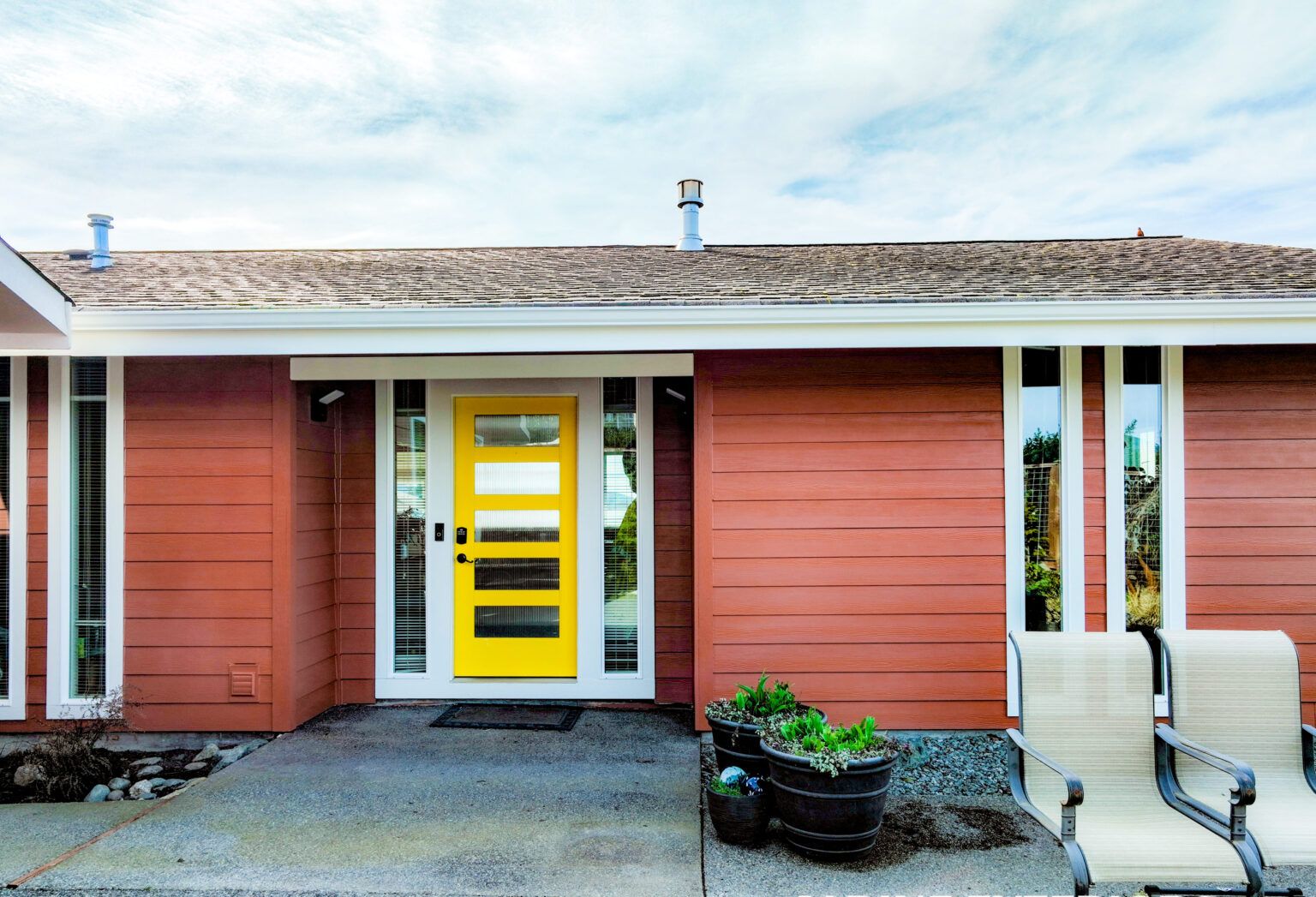
In Thonotosassa, siding isn't just a look — it's a wind-rated building component, and the Florida Building Code treats it that way. Every product installed here has to carry a valid Florida Product Approval matching your home's design wind speed, and it has to be fastened exactly the way that approval specifies, not "close enough."
Hillsborough County sits inside the wind-borne debris region under the Florida Building Code, which means siding is engineered and tested to a specific design pressure before it can legally go on a house here — it isn't just sold by style and color. Every vinyl, fiber cement, or engineered wood siding product has a Florida Product Approval number (or a Miami-Dade Notice of Acceptance that's also accepted statewide) that documents the wind pressures it was tested to withstand, the fastener type and spacing required to hit that rating, and the substrate it's approved over. A siding panel that's perfectly good in a low-wind Midwest county can fail a Hillsborough inspection outright if its approval doesn't cover local wind speeds, or if it's nailed up with a fastener schedule pulled from the box's generic instructions instead of the approval document itself.
Fastening is where most of the real engineering lives, and it's also where corners get cut. The Florida Building Code approval for a given siding product specifies fastener type (ring-shank nails or screws, in most cases, not smooth-shank), fastener length long enough to achieve full penetration into structural sheathing or framing, and maximum spacing along the panel — typically tighter at corners and around openings, where wind pressure concentrates. Wider-than-approved spacing, undersized fasteners, or nailing into foam backer board without hitting the studs behind it are the three most common ways a siding job looks fine on installation day and then fails in the first real windstorm. Alpine Exteriors fastens to the manufacturer's tested pattern for the specific product and wind zone, not a generalized "typical install" spacing, because that's the difference between a code-compliant job and one that just looks like one.
Water management matters just as much as wind resistance here. Florida Building Code requires a water-resistive barrier behind siding, properly lapped and flashed at every penetration, window, and door, because wind-driven rain during tropical systems and summer storms doesn't just fall — it gets pushed sideways and upward under lap joints that aren't detailed correctly. A siding system can meet its wind-pressure rating and still let water into the wall assembly if the housewrap, flashing tape, and weep details weren't installed to the drainage plane the product's approval assumes. Once water gets behind siding in this climate, humidity and heat keep the wall assembly damp for weeks, and that's how mold and rot problems start well before anyone notices a stain on the inside wall.
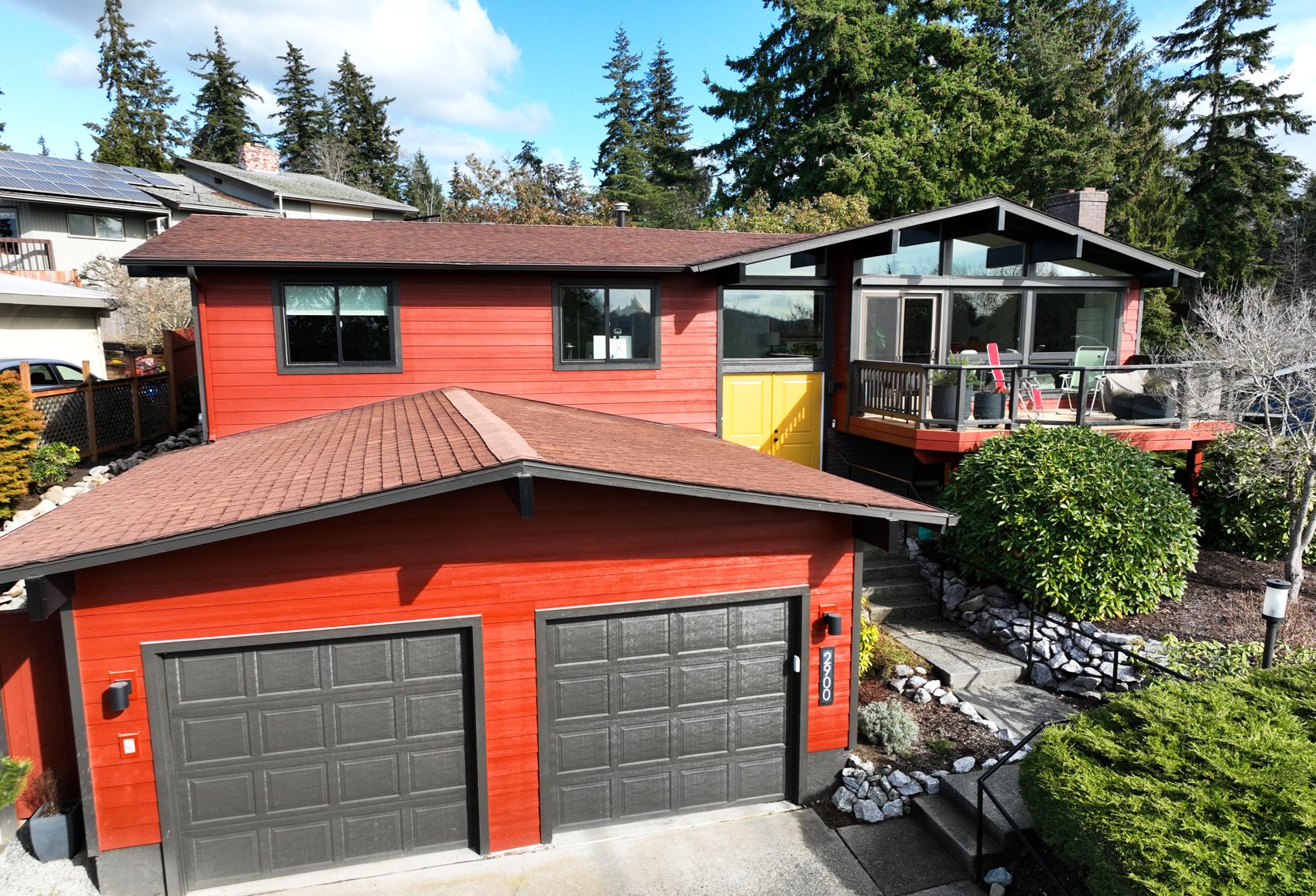
Thonotosassa isn't a coastal barrier island, but it's still inside Hillsborough County's wind-borne debris region, so the same product-approval and impact-consideration rules that apply closer to Tampa Bay apply here too — homeowners sometimes assume being inland exempts them, and it doesn't. The design wind speed used for product selection is set by the county's adopted wind map, not by how far a lot sits from open water, and Alpine Exteriors checks that speed against a home's specific location before recommending a siding product rather than assuming one number fits every job in the service area.
Humidity is the other factor that changes the calculus. Tampa Bay's combination of high humidity, heavy summer rainfall, and long stretches of heat creates sustained moisture pressure on wall assemblies that drier climates never see. That's why the water-resistive barrier and flashing details behind the siding matter as much as the siding itself — a wall that stays damp for extended periods after every summer storm is a wall where mold and wood rot get a foothold, siding rated or not. UV exposure here is also intense and year-round, which accelerates fading and embrittlement in lower-grade vinyl and some coatings faster than it would in a more temperate market, so material selection has to account for sun exposure on top of wind and water.
Termites are a practical consideration too, even though they're a pest issue rather than a code requirement. Subterranean termites are active throughout Hillsborough County, and any wood-based trim, fascia, or fiber cement product installed too close to grade or without proper flashing separation gives them an easier path into the structure. It's not a Florida Building Code line item, but it's a real regional condition that affects material choice and detailing around the base of the wall.
Salt air is worth mentioning honestly: Thonotosassa is inland enough that direct salt-spray corrosion on fasteners and trim isn't the daily concern it is for homes right on Tampa Bay's shoreline. It's not zero — Gulf-influenced weather still reaches this far inland during storms — but it's a lesser factor here than it would be for a house in South Tampa or on the Pinellas beaches, and it shouldn't be oversold as a reason to upgrade every fastener to marine-grade hardware.
Start by finding out your home's design wind speed and confirming it against any siding product a contractor proposes — ask for the Florida Product Approval number in writing and check that its tested pressure rating meets or exceeds what your address requires. A reputable contractor will hand this over without hesitation; reluctance to produce it is a red flag.
Budget-wise, expect fiber cement to run higher than vinyl per square foot given material and labor differences, with the tradeoff being greater impact resistance and a longer service life against Florida's sun and storms; vinyl remains a reasonable, lower-cost option when it's a rated product installed to its approval, not a bargain panel installed loosely. Neither material is maintenance-free here — expect periodic washing to manage mildew growth in this humidity regardless of what you choose. Alpine Exteriors walks homeowners through that tradeoff product by product rather than defaulting to whatever has the best margin, because the right call depends on the specific home's exposure and the owner's priorities.
Yes. Thonotosassa falls inside Hillsborough County's wind-borne debris region under the Florida Building Code, and the product approval and fastening requirements apply based on the county's adopted design wind speed for your location, not on proximity to the shoreline. Being inland changes some regional risk factors, but it doesn't exempt a home from the code's product-approval and installation rules.
Inspectors typically check that the installed product's Florida Product Approval matches what's on the permit, that fasteners are the correct type, length, and spacing called out in that approval, that the water-resistive barrier is properly lapped and flashed at penetrations and openings, and that starter strips, corners, and terminations follow the manufacturer's tested details. They're verifying the installation matches the approval on file, not just checking that siding is present.
Sometimes, but it depends on the condition of the substrate underneath and whether the new product's approval allows installation over existing material. Covering damaged sheathing, hidden moisture, or termite activity without addressing it first is a common way problems get sealed in rather than solved, so Alpine Exteriors evaluates what's underneath before recommending a re-side over a full tear-off.
Wind mitigation inspections (documented on the OIR-B1-1802 form) primarily assess roof-to-wall connections, roof shape, and opening protection rather than siding directly, but a siding project is a reasonable time to have that form updated, especially if other envelope work happened alongside it. Siding itself isn't usually a rated line item on the form, but keeping documentation current after any exterior work helps avoid confusion with your insurer later.
If you're planning a siding project in Thonotosassa or anywhere else in the Tampa Bay area, Alpine Exteriors can walk your property, check it against the wind speed and code requirements that actually apply to your address, and lay out product options with honest tradeoffs on cost and durability. Contact Alpine Exteriors, Florida contractor license RB29003900, for a straightforward assessment before you commit to a product or a contractor.