
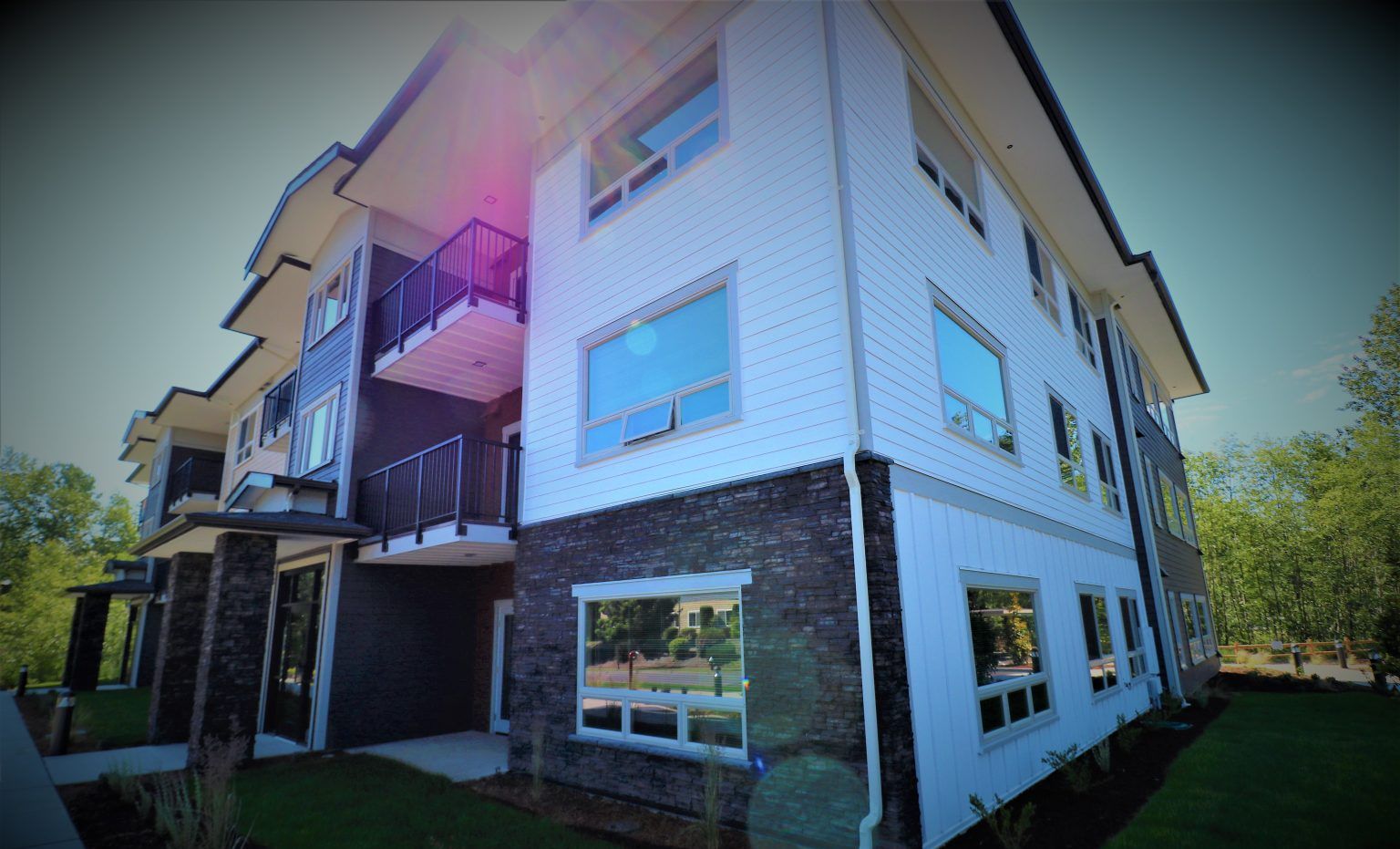
If you want a quick answer before the details: for most homes in Seffner, a warm light neutral (soft ivory or warm white), a greige or light warm gray, or a muted sandstone/tan tone will give you the best mix of curb appeal, UV durability, and HOA compatibility in this part of Hillsborough County. These three families of color show up again and again in the neighborhoods around Sydney Road, Kingsway Road, and the pockets near Gibsonton and Mango because they hold their look through intense subtropical sun, they don't fight with the red-clay brick and mature oak canopy common to older Seffner lots, and they almost always fall inside the \"approved palette\" range that area HOAs and deed restrictions allow. Darker, cooler, or more saturated colors can look great in a photo, but they carry real tradeoffs once you account for Florida's heat, humidity, and storm exposure, which we walk through below.
We are not telling you there is one correct color. We are telling you which categories of color perform well here and why, so you can pick something you'll still like in ten years, not just ten months.
Seffner sits inland in Hillsborough County, east of Tampa along the I-4 corridor. That location shapes which conditions actually matter for exterior color choices, and which ones don't. We weighed each option against these factors:
Pros: A warm white or ivory reflects more solar heat than darker tones, reads as timeless rather than trendy, and pairs cleanly with the brick, pavers, and greenery common on Seffner lots. It is close to universally accepted by area HOAs and tends to help rather than hurt resale appeal.
Cons: Bright white shows algae streaking and dirt more visibly than a warm neutral, especially on shaded elevations under tree canopy where humidity keeps surfaces damp longer. It needs periodic soft-washing to stay looking clean, and a stark, cool white can look harsh against Florida's green landscape compared with a softer ivory or warm-white undertone.
Pros: Gray and greige, a gray-beige blend, are popular for good reason: they hide pollen dust well during Florida's heavy spring pollen season, they read as current without being trendy, and they sit comfortably next to the reddish brick found on many older Seffner homes.
Cons: Cooler, blue-leaning grays can clash with warm brick or tan block foundations rather than complementing them, so undertone matters more than the swatch name suggests. In strong midday sun, some gray pigments look washed out or take on an unintended blue cast, which is worth checking against a large sample panel outdoors, not just a chip indoors.
Pros: Earthy tans and sandstone shades work naturally with the palms and shell or paver driveways common in this part of Hillsborough County. They hide road dust and pollen well, and they're a near-automatic approval in most HOA color books because they read as conservative and low-risk.
Cons: A beige with too much yellow in it can look dated quickly, and lighter tan pigments not rated for high-UV exposure can chalk or fade unevenly across sun-exposed versus shaded walls over several years. A manufacturer's premium, UV-stabilized color line matters more here than the exact shade name.
Pros: A muted, gray-leaning blue gives a home a distinct \"old Florida\" or cottage look that stands out on a street full of neutrals, and it pairs well with white trim and a dark front door.
Cons: Many Hillsborough County HOAs restrict blue as a primary body color to muted, grayed tones rather than anything bright or saturated, so check the community's color book before falling in love with a swatch. Deeper or more saturated blues also absorb more heat and, if the pigment isn't a fade-resistant grade, can lose vibrancy faster under intense UV than a neutral would. It's also a less resale-neutral choice than a true neutral, which matters if you expect to sell within a few years.
Pros: Charcoal or navy on shutters, a front door, gable accents, or a garage door gives a home real contrast and a current look without putting the whole exterior under a dark, heat-absorbing color.
Cons: As a full-body siding color, dark tones absorb significantly more solar heat under Florida's summer sun. On vinyl siding in particular, that added heat load can push some panels toward warping or buckling during prolonged extreme heat, and it raises surface temperatures that stress caulking and trim over time. Dark colors also fade less evenly than lighter ones, since sun-exposed elevations bleach out faster than shaded ones, making the mismatch more noticeable years down the road. If you want a dark look, reserving it for accents and trim is the more durable path in this climate.
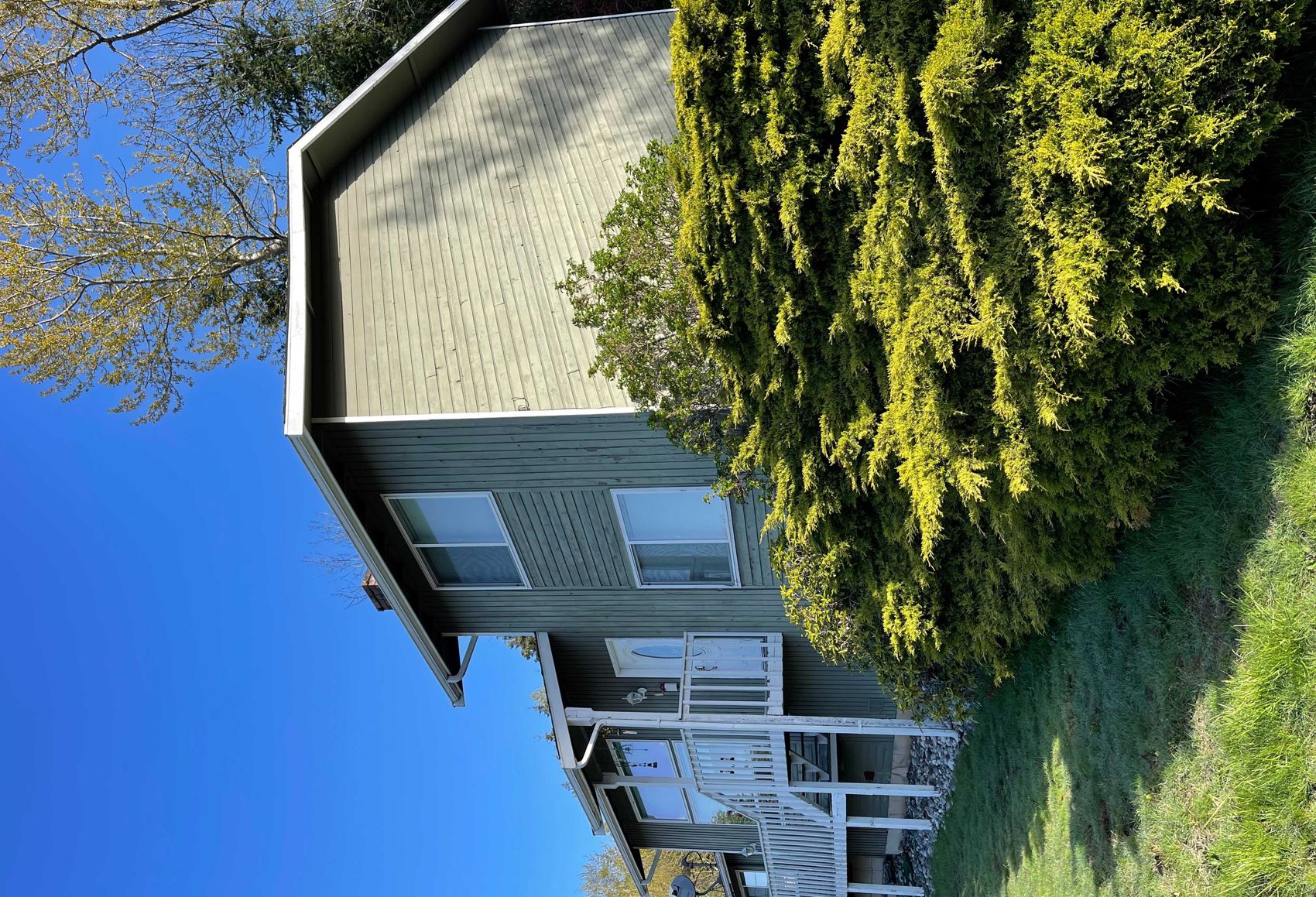
Pros: A soft sage or muted green blends naturally with the mature oak canopy and landscaping found in Seffner's older, established neighborhoods, and it's uncommon enough to make a home stand out without looking out of place.
Cons: Bright or saturated greens are frequently restricted by HOA architectural guidelines to earth-tone families rather than approved outright, so a muted, grayed-down green clears review far more often than a vivid one. Green pigments can also be prone to visible fading unless the manufacturer backs the color with a genuinely UV-stable formulation, so ask specifically about that before committing.
Yes, to a real degree. Darker colors absorb more heat from Florida's intense sun, which can accelerate fading and, on some vinyl products, add enough surface heat to affect the panel over time. Lighter and mid-tone colors also tend to hide the humidity-driven mildew and algae streaking common in shaded or tree-covered areas better than stark white or very dark tones do. The siding material's wind rating and Florida Building Code compliance are separate from color, but color does influence long-term appearance and, on some materials, heat performance.
Many communities in and around Seffner operate under an HOA or deed-restricted architectural review process with an approved color palette, and even some non-HOA streets carry restrictions. Neutral tones like warm white, greige, and tan almost always clear review, while saturated or unusual colors are the ones most likely to need extra approval or get rejected outright. Check your community's covenants or architectural guidelines before finalizing a color, and keep documentation of the approval for your records.
That depends heavily on the material and the quality of the color pigment, not just the shade itself. A UV-stable, manufacturer-baked color on fiber cement or vinyl siding will generally outlast a comparable field-applied paint job, and lighter neutral tones tend to show wear more gradually than dark or highly saturated colors. Periodic soft-washing to remove pollen, dust, and algae growth will extend the life of any color's good appearance regardless of material.
Lighter colors reflect more of Florida's intense solar heat than dark colors absorb, which can modestly reduce heat gain on exterior walls during our long, hot season. It's a smaller factor than insulation, window performance, or attic ventilation, but it's a real, cumulative effect that favors lighter and mid-tone colors over very dark full-body colors in this climate.
Picking a siding color for a Seffner home means balancing what looks good with what actually performs under Hillsborough County's sun, humidity, and storm exposure, plus whatever your community's architectural guidelines allow. Alpine Exteriors works with homeowners throughout Seffner and the greater Tampa Bay area, including Wesley Chapel, Lutz, Land O' Lakes, New Port Richey, Plant City, and Zephyrhills, to walk through real siding samples against your home's brick, roofline, and landscaping before you commit. As a licensed Florida contractor, RB29003900, Alpine Exteriors can also confirm that whatever color and material you choose carries the Florida Product Approval and Florida Building Code compliance your home needs. Contact Alpine Exteriors to schedule an on-site color consultation and see samples against your own home, in your own light.