
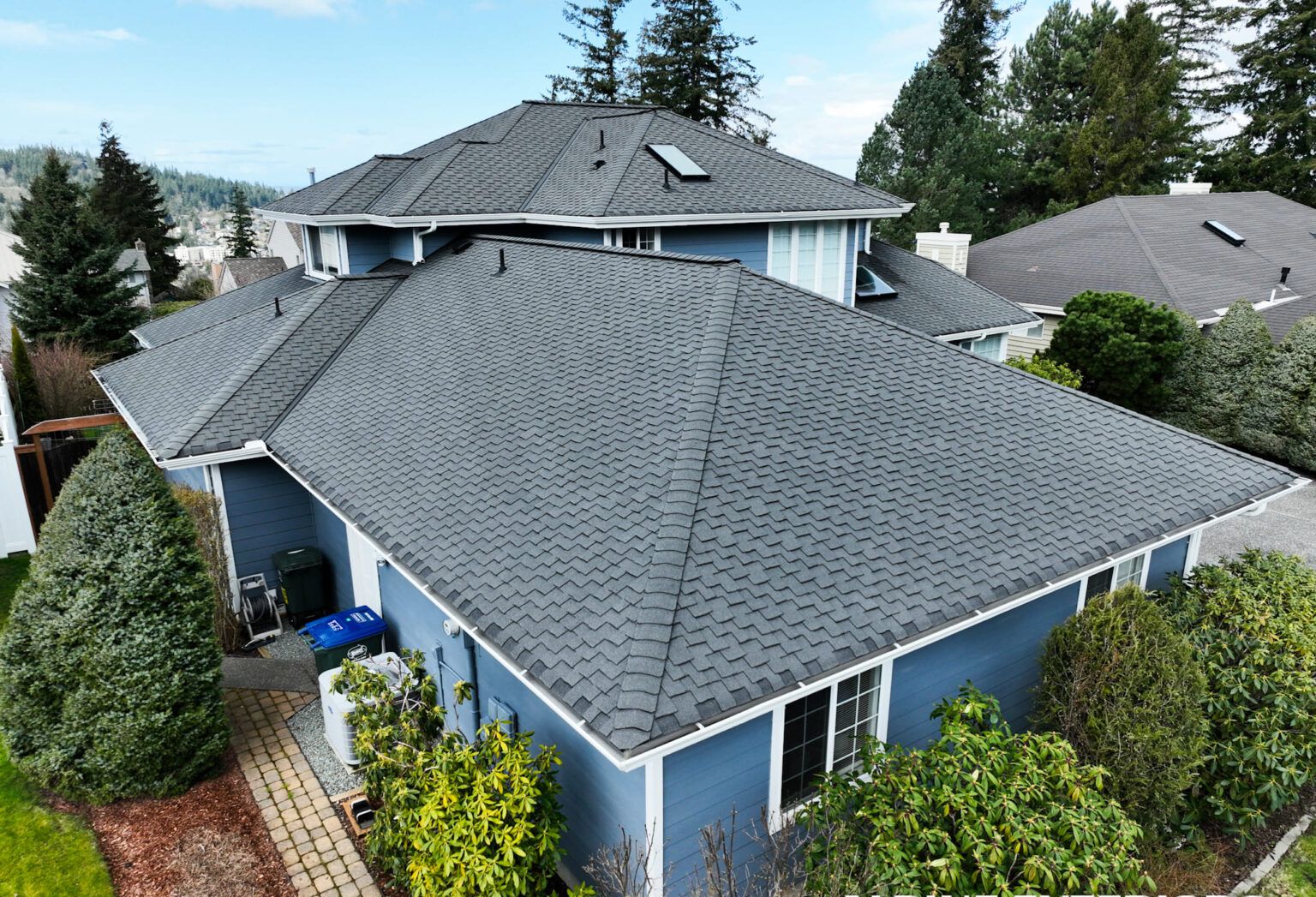
Homeowners in Port Richey and the surrounding Pasco County communities usually narrow a siding decision down to two finalists: James Hardie fiber cement and vinyl. Both show up on plenty of houses along US-19 and in the neighborhoods around the Pithlachascotee River, and both can be installed to meet Florida Building Code wind requirements when the crew details them correctly. The honest answer is that neither material is wrong for this climate — but they perform differently once you factor in Gulf-adjacent salt air, wind-driven rain during tropical storms, and the relentless summer humidity that pushes mold and mildew growth on anything with a seam or a soft spot. This page walks through both options plainly, including the tradeoffs, so you can weigh cost against durability for your own situation rather than take a sales pitch at face value.
If your top priorities are impact resistance in wind-driven rain, long-term color and shape stability under intense Florida UV, and a material that holds up well close to brackish water and salt air, James Hardie fiber cement is the stronger long-term performer, and it typically carries a longer service life before a full replacement is needed. If your priority is the lowest upfront cost and a faster install with less initial expense, quality vinyl siding — installed correctly with the right fastening for Pasco County wind zones — is still a reasonable, functional choice for many homes, particularly rentals, flip properties, or homes on a tighter renovation budget. Neither choice is automatically "better" in the abstract; it depends on how long you plan to own the home, your budget today versus your maintenance budget over the next 15–20 years, and how close your lot sits to open water or salt spray.
James Hardie siding is a cement-based composite — a mix of Portland cement, sand, and cellulose fiber — engineered to resist moisture intrusion, hold paint, and stay dimensionally stable in heat and humidity. It's manufactured with a dedicated HZ5 formulation for hot, humid, high-moisture climates like ours, which matters in Pasco County because generic fiber cement without climate-specific engineering can absorb moisture differently and perform worse in exactly the conditions we get every summer. Hardie products carry Florida Product Approval and are rated for the wind loads mapped under the Florida Building Code, so when a crew installs them with the manufacturer's specified fastening pattern and clearances, the assembly is built to shed wind-driven rain rather than let it wick behind the panel.
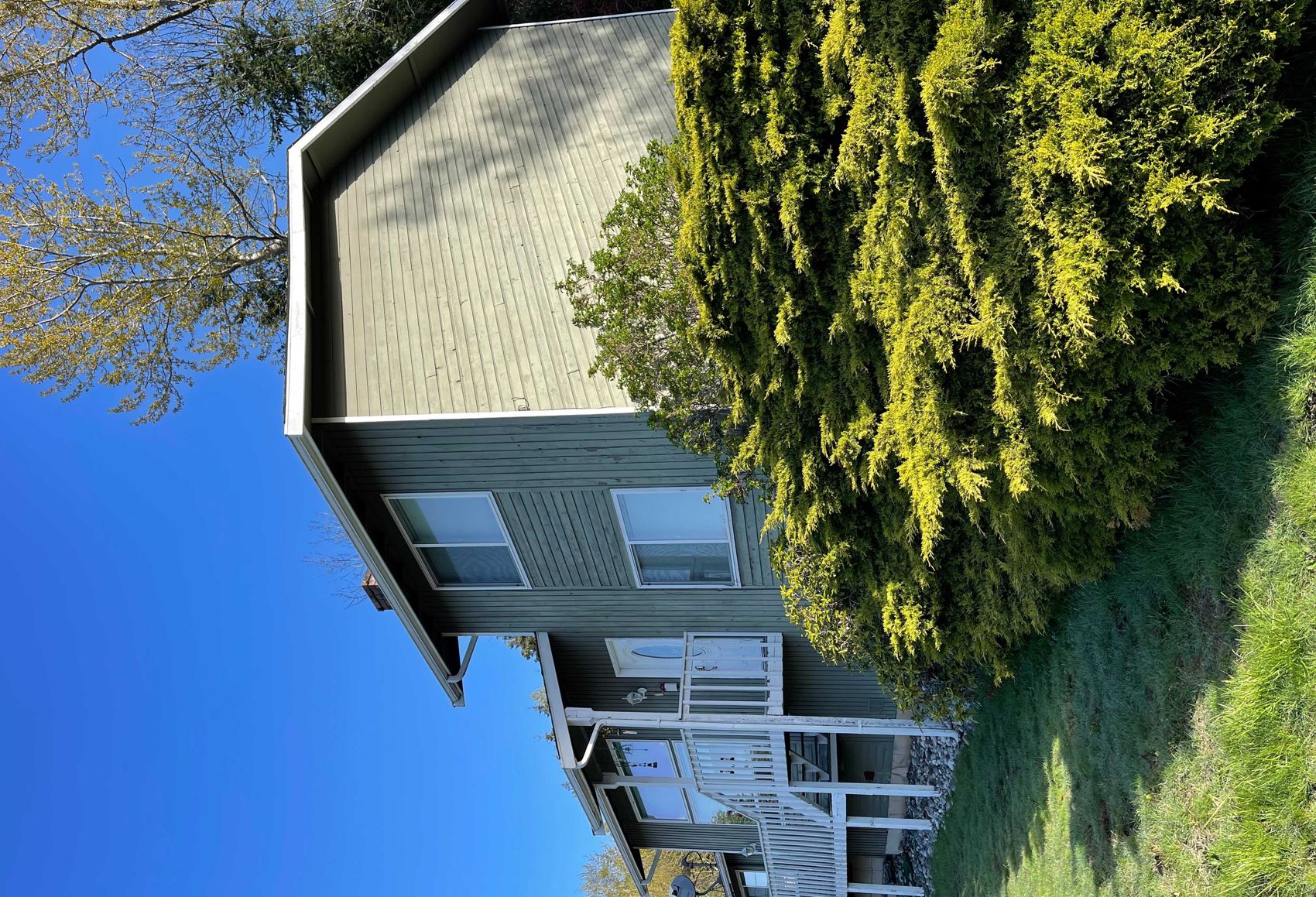
Vinyl siding is a PVC-based panel that interlocks in horizontal courses. It's been used on Florida homes for decades because it's relatively inexpensive, comes pre-colored (no painting), and installs quickly compared to fiber cement. Quality has improved over the years, and thicker, impact-modified vinyl products with proper Florida Product Approval can meet code wind requirements for most of Pasco County when installed with the correct nailing schedule and starter strip detailing. That said, vinyl is a plastic product, and plastics respond to heat, UV, and impact differently than cement-based products — which is where most of its regional drawbacks come from.
| Factor | James Hardie Fiber Cement | Vinyl Siding |
|---|---|---|
| Upfront cost | Higher material and labor cost; typically a mid-to-upper range investment per square foot installed | Lower material and labor cost; generally the more budget-friendly option per square foot installed |
| Typical lifespan in this climate | Often several decades of service when properly installed and maintained, with strong resistance to Gulf-area humidity and UV | Can last a couple of decades, but intense sun and storm exposure on this coast can shorten the realistic service life versus cooler, drier climates |
| Maintenance | Occasional caulking and repainting or touch-up over the long run (ColorPlus finishes reduce how often); rot- and pest-resistant by composition | Low routine maintenance — mainly washing — but panels that warp, crack, or fade generally can't be spot-repaired invisibly and need section replacement |
| Appearance over time | Holds color and a wood-grain or smooth finish well; resists chalking; widely viewed as a more premium, higher-resale look | Looks clean when new; more prone to visible fading, waviness from heat, or a slightly plastic appearance as it ages |
| Storm/wind-driven rain performance | Rigid, heavier panel with strong resistance to wind-driven rain intrusion when flashed and installed to Florida Building Code detailing | Can meet code wind ratings with quality products and correct installation, but is more prone to flexing, popping, or debris puncture in high wind |
For most owner-occupied homes in Port Richey, New Port Richey, and the surrounding Pasco County area — especially anything within a mile or two of the Gulf, the back bays, or the canal neighborhoods — James Hardie fiber cement is the choice that holds up best against the specific stresses this area sees year after year: salt-laden air, sustained high humidity that feeds mold and mildew on shaded or damp walls, intense summer UV that fades and softens weaker materials, and the wind-driven rain that comes with every tropical system that brushes this coast. It costs more today, but for a home you plan to keep for the long haul, the reduced repainting frequency, better color retention, and stronger wind performance tend to offset that gap over the ownership period.
Vinyl still has a legitimate place here. If you're renovating a rental property, working within a firm budget ceiling, or planning to sell within the next several years rather than settling in long-term, a quality, properly-rated vinyl product installed correctly can meet Florida Building Code wind requirements and give you a clean, functional exterior without the higher upfront cost of fiber cement. The key word is "quality" — thin, bargain vinyl is where most of the warping, fading, and storm-damage complaints in this climate come from, not vinyl as a category.
One thing that matters more than the material itself, honestly, is the installation. Both products depend on correct house wrap, flashing at windows and doors, proper fastening schedules for the local wind zone, and attention to how water is meant to drain out from behind the siding rather than pool against the sheathing. A well-installed vinyl job will outperform a poorly-installed fiber cement job in this climate every time. Alpine Exteriors, FL license RB29003900, installs both materials to manufacturer specifications and Florida Building Code requirements, and we'll walk your specific lot, orientation, and sun/wind exposure with you before recommending one over the other rather than pushing a single product line.
Neither James Hardie fiber cement nor vinyl siding is a food source for termites, which is an advantage over older wood lap siding still found on some Pasco County homes. That said, siding choice doesn't eliminate termite risk to the structure behind it — the framing and sheathing underneath still need proper flashing and moisture management, since termites are drawn to damp wood, and either siding type installed with poor water management can contribute to that risk over time.
Both James Hardie fiber cement products and quality-rated vinyl siding products carry Florida Product Approval and can be installed to meet the wind loads mapped for this part of Pasco County under the Florida Building Code, provided the installer uses the manufacturer-specified fastening pattern, clearances, and flashing details for the product. The material itself matters less for code compliance than whether the specific product has the right approval and is installed exactly to spec.
Fiber cement's cement-based composition and baked-on finish generally tolerate salt-laden coastal air better over the long run than vinyl, which can become more brittle over time when it's repeatedly exposed to salt spray combined with intense UV. Homes closer to the Gulf, the Cotee River, or the canal systems around Port Richey tend to see this difference show up sooner than homes further inland.
No — it's not a bad choice, but it is a tradeoff. Quality, impact-modified vinyl installed correctly can perform well and meet code, and it costs less upfront. The honest drawback is that in sustained heat, intense UV, and storm-force wind, vinyl generally shows wear — fading, minor warping, or storm damage — sooner than fiber cement does, so it may mean a shorter interval before you're looking at replacement or section repairs compared to a fiber cement installation.
If you're weighing James Hardie fiber cement against vinyl for a home in Port Richey, Wesley Chapel, Lutz, Land O' Lakes, New Port Richey, Plant City, or Zephyrhills, Alpine Exteriors can walk your property, look at your sun exposure and proximity to the water, and give you a straightforward comparison for your specific house rather than a generic recommendation. Reach out to schedule a free on-site estimate and get a real cost comparison between both materials before you decide.