
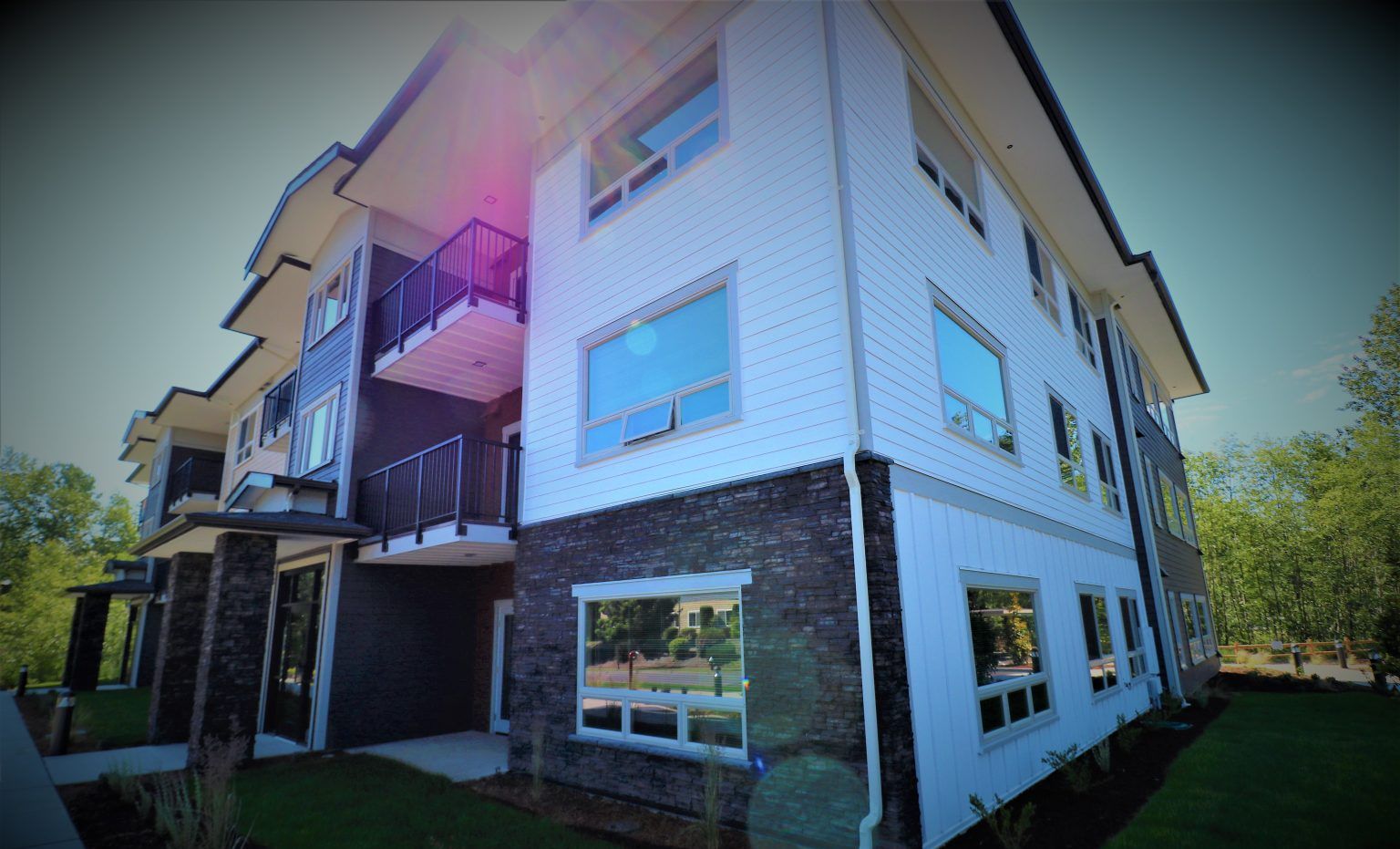
Homeowners across Tampa, Wesley Chapel, Lutz, Land O' Lakes, New Port Richey, Plant City, and Zephyrhills ask the same question before they call a contractor: what does HardiePlank lap siding actually cost around here? There's no single honest number, because the price depends on the size and shape of the house, the condition of what's underneath the old siding, and how the job is engineered to survive a Florida summer. What follows is a realistic range and an explanation of what moves it, from a licensed Florida contractor's perspective rather than a marketing pitch.
For a typical single-story home in the Tampa Bay area, full HardiePlank lap siding replacement generally lands in a broad mid-range per square foot of siding once labor, materials, trim, and disposal are included. Larger two-story homes, homes with a lot of architectural detail (dormers, bump-outs, multiple gables), or homes that need significant sheathing repair after the old siding comes off will land toward the higher end of any range you're quoted. Simple ranch-style footprints with few obstructions tend to land toward the lower end. Because HardieZone products are engineered specifically for the humid Gulf Coast climate, and Alpine Exteriors specs HZ5-rated panels for this region, the material cost itself is fairly consistent between contractors — most of the spread you'll see between bids comes from labor scope, prep work, and what's included versus billed as an "extra" later.
The table below breaks out the factors that most commonly move a Tampa Bay HardiePlank quote up or down. Treat these as directional ranges, not quotes — every home is different, and a contractor should walk your property before giving you a real number.
| Cost Factor | Low End | High End |
|---|---|---|
| Home size / total siding square footage | Smaller single-story footprint | Large two-story or complex roofline |
| Existing wall condition | Sound sheathing, no rot or moisture damage | Rotted sheathing, mold remediation, or termite damage requiring rebuild |
| Siding profile and finish | Standard smooth or cedarmill lap, factory ColorPlus | Board-and-batten accents, custom trim details, premium ColorPlus colors |
| Removal and disposal | Single layer of existing siding | Multiple layers, or hazardous old materials requiring special handling |
| Wind/rain detailing | Standard house wrap and flashing | Upgraded weather-resistive barrier, additional flashing at penetrations for wind-driven rain protection |
| Access and site conditions | Easy ground-level access, standard lot | Tight lots, tall walls, landscaping or fencing requiring extra labor |
| Permitting and code requirements | Standard Florida Building Code permit | HOA design review, historic district, or additional wind-load engineering |
Beyond the table above, a few Tampa Bay-specific realities tend to push a siding project's cost in one direction or another, and it's worth understanding them before you start comparing bids.
Wind load is the biggest one. Homes in this region need siding installed to meet the wind resistance requirements in the Florida Building Code, and the product itself has to carry a valid Florida Product Approval for the wind zone your address falls in. That's not optional paperwork — it affects nailing patterns, fastener spacing, and sometimes the trim and flashing details a crew uses. A contractor cutting corners on fastening schedule to save labor time isn't actually saving you money; they're setting up a callback after the next tropical storm.
Moisture and humidity are the second driver. Tampa Bay's combination of high humidity and heavy seasonal rain means wall assemblies that trap moisture behind the siding are a real risk for mold growth and wood rot, especially on older homes with wood or aging vinyl siding that's been patched over the years. When old siding comes off a house that's had a slow leak for years, the sheathing repair can add real cost to a project that looked simple from the outside. This is also why a proper weather-resistive barrier and correctly lapped, sealed flashing at windows, doors, and penetrations matters more here than in drier climates — it's the difference between siding that lasts and siding that hides a problem.
UV exposure plays a role in long-term cost even if it doesn't show up on the initial invoice. Florida sun is hard on paint film, which is one reason factory-applied ColorPlus finishes tend to outperform field-painted siding here — less repainting over the life of the product. Termites are another regional factor: fiber cement itself isn't a food source for termites, but any wood trim, furring strips, or sheathing behind it can be, so a contractor should be checking for termite activity and treating or replacing compromised wood framing as part of the tear-off, not ignoring it.
For homes closer to the Gulf, salt-laden air can accelerate corrosion on fasteners and metal trim components. Using corrosion-resistant fasteners and flashing in those coastal pockets costs a little more up front but avoids streaking and premature failure of hardware years down the line.
A complete HardiePlank quote for this region should spell out more than just a total price. Look for these line items or clear statements in writing:
If a bid is missing several of these, that's not necessarily a red flag on its own, but it's worth asking the contractor to fill in the gaps before you sign anything. A written scope like this is what keeps change orders and disputes from showing up later.
The lowest number on paper is rarely the best value once you account for what's actually included. When you're holding two or three bids side by side, check that each one is quoting the same siding thickness, the same HardieZone product designation, and the same scope of removal and prep work. A quote that's noticeably cheaper is often leaving out sheathing repair, using a lighter fastening schedule than the wind zone calls for, or substituting a lower grade of trim.
Confirm each contractor is licensed to work in Florida and ask for their license number directly — Alpine Exteriors holds Florida contractor license RB29003900, and any legitimate siding contractor should be able to produce theirs without hesitation. Verify general liability and workers' compensation coverage, and ask whether the crew doing the actual installation is employed directly or subcontracted, since that affects accountability if something goes wrong. It's also reasonable to ask for a few recent addresses in Tampa Bay where the contractor has completed similar siding work, so you can see the finished product in person rather than relying on photos.
Finally, read the warranty language carefully. Manufacturer warranties on the siding material itself are separate from a contractor's workmanship warranty, and the two don't always match in length or coverage. Ask what happens if a wind or storm event causes damage during the warranty period, and get the answer in writing.
Many Tampa Bay homeowners pursue siding replacement alongside other exterior upgrades, and it's worth understanding how financing and insurance intersect with the project. Some contractors offer financing options to spread project cost over time — ask about terms, interest structure, and whether there's a penalty for paying off early before committing.
On the insurance side, replacing older siding with a wind-rated HardiePlank system can sometimes affect your homeowner's insurance premium, particularly if the work is documented alongside other wind mitigation improvements. If you already have a current wind mitigation inspection on file (the OIR-B1-1802 form used by Florida insurers), it's worth sharing it with your contractor and asking whether the new siding installation should be noted for an updated inspection once the project is complete. This isn't guaranteed to lower your premium — that depends on your carrier and overall policy — but it's a conversation worth having with your insurance agent rather than assuming either way.
If a storm has already damaged your existing siding and you're filing an insurance claim, get a written scope and cost estimate from your contractor before your adjuster visits, and keep any correspondence in writing. Contractors who pressure you to sign over your claim check or skip the adjuster process entirely are a warning sign, not a shortcut.
Fiber cement siding generally costs more upfront than vinyl, but it holds up differently in this climate — it doesn't soften or warp in intense heat the way vinyl can, and it carries Florida Product Approval ratings suited to regional wind loads. Whether the added upfront cost is "worth it" depends on how long you plan to stay in the home and how much you value lower long-term maintenance versus the lowest possible install price.
Timeline depends heavily on home size, how much sheathing repair is needed once old siding comes off, and weather, since Tampa Bay's rainy season and hurricane season can cause delays. A straightforward single-story home with sound sheathing moves faster than a larger or more complex home, and any contractor should give you a realistic timeline range rather than a fixed promise, since exterior work is always weather-dependent here.
Yes. Removal and disposal of existing siding is a real cost, and it's also when hidden problems like rotted sheathing, moisture damage, or termite-damaged wood framing get discovered. A contractor who quotes tear-off work without inspecting what's underneath is guessing, and reputable bids should include a stated process, and often a stated unit price, for handling repairs found during removal.
Properly installed HardiePlank siding, fastened to meet Florida Building Code wind requirements and paired with correctly detailed flashing and a sound weather-resistive barrier, is more resistant to wind-driven rain intrusion than older, deteriorated siding. It's not a substitute for other storm preparation like impact-rated windows or a sound roof, but it is one part of a wall assembly that's built to handle the wind and rain this region sees.
Ranges are useful for planning, but the only way to know what your specific home will cost is a walk-through and a written scope. Alpine Exteriors serves Tampa, Wesley Chapel, Lutz, Land O' Lakes, New Port Richey, Plant City, and Zephyrhills, and can walk your property, check the condition of what's under your current siding, and put together a detailed, itemized quote so you know exactly what you're paying for before any work begins.