
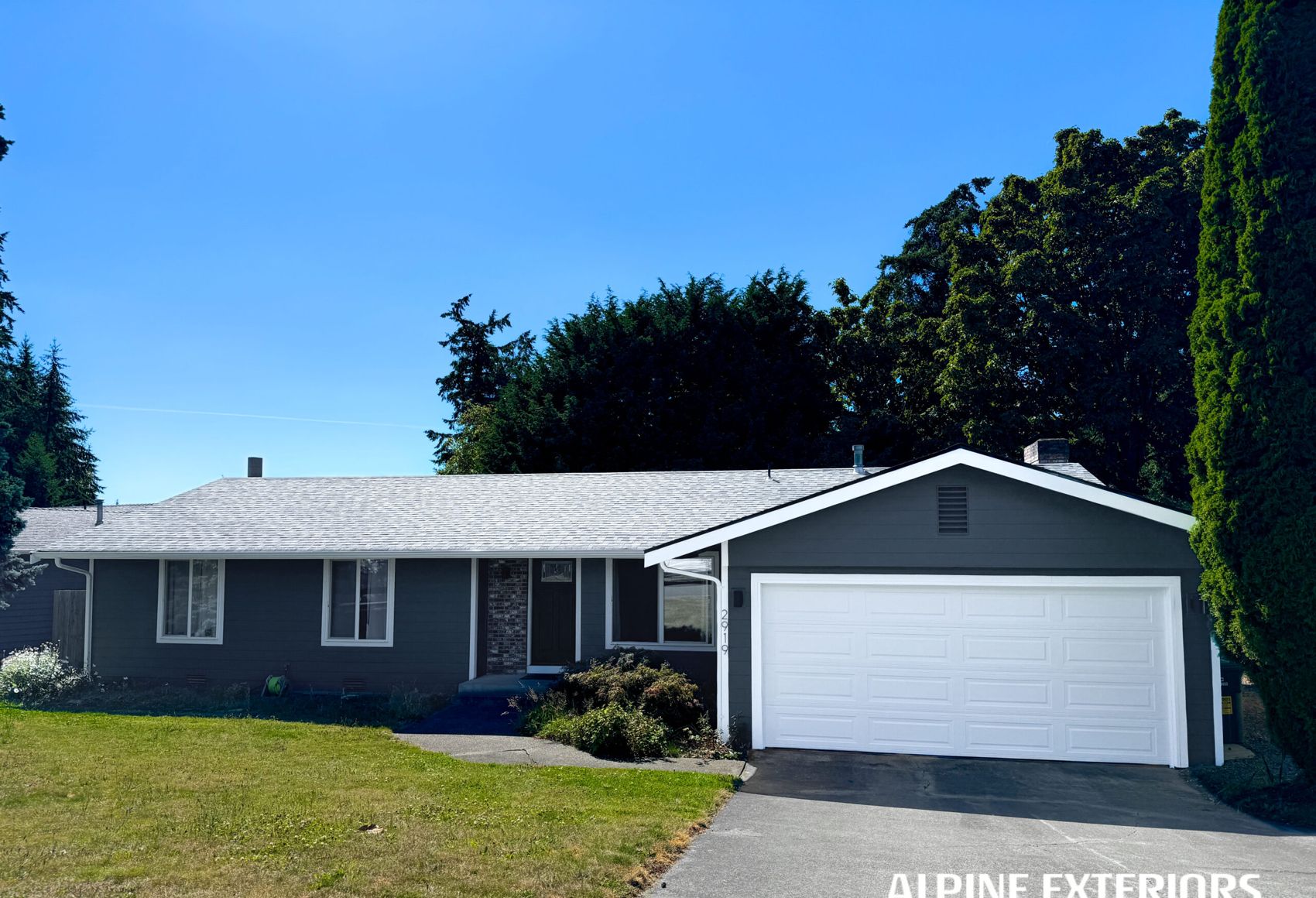
Dade City sits inland in eastern Pasco County, away from the immediate coastline but still squarely inside Florida's demanding building climate: long stretches of high humidity, intense summer UV, seasonal tropical storms and hurricanes with wind-driven rain, and year-round termite pressure on wood-based materials. Homeowners here often start pricing James Hardie fiber cement siding after noticing wood or vinyl siding that has warped, faded, or taken on moisture damage. Alpine Exteriors fields cost questions from Dade City almost every week, and the honest answer is that there is no single number that applies to every home — but there is a realistic range, and a clear list of what pushes a project toward the low end or the high end of it.
Fiber cement siding is a mid-to-upper-tier exterior product, priced above vinyl and generally below full masonry or high-end architectural stone veneer. For a typical single-story or two-story home in the Dade City area, most full siding replacement projects land in a broad range once tear-off, materials, trim, and labor are all included. Smaller homes, simple rooflines, and straightforward lap siding sit at the lower end of that range. Larger homes, cut-up facades with lots of corners and dormers, upgraded trim packages, and premium ColorPlus finishes push toward the higher end. Because every home's square footage, story count, and existing condition differ, treat any number you see online — including the ranges below — as a starting point for a conversation, not a quote.
| Cost Factor | Typical Low End | Typical High End |
|---|---|---|
| Overall home size / total wall area | Smaller single-story footprint | Large two-story with complex massing |
| Hardie product line | Standard HardiePlank lap siding | HardieShingle, Board & Batten, or Artisan collections |
| Trim, fascia & soffit in Hardie Trim | Minimal trim, existing soffit reused | Full Hardie Trim package on all corners, windows, doors |
| Tear-off & disposal of existing siding | Single layer of vinyl or hardboard | Multiple layers, water-damaged sheathing repair |
| Weather-resistive barrier / underlayment | Standard house wrap | Upgraded drainage wrap or rainscreen detailing |
| Finish | Standard ColorPlus color | Premium ColorPlus tone or field-painted custom color |
| Story height & accessibility | Single story, easy ground access | Multi-story, steep lot, or tight side-yard access |
| Permitting & inspection | Standard Pasco County residential permit | Additional engineering or code-driven upgrades |
These ranges describe cost drivers, not a formula you can add together — a real quote from Alpine Exteriors will price your specific home based on measured wall area, the product line you choose, and the condition found once old siding comes off.
A handful of Florida-specific and home-specific factors do most of the work in moving a Dade City siding project from the low end of the range to the high end:
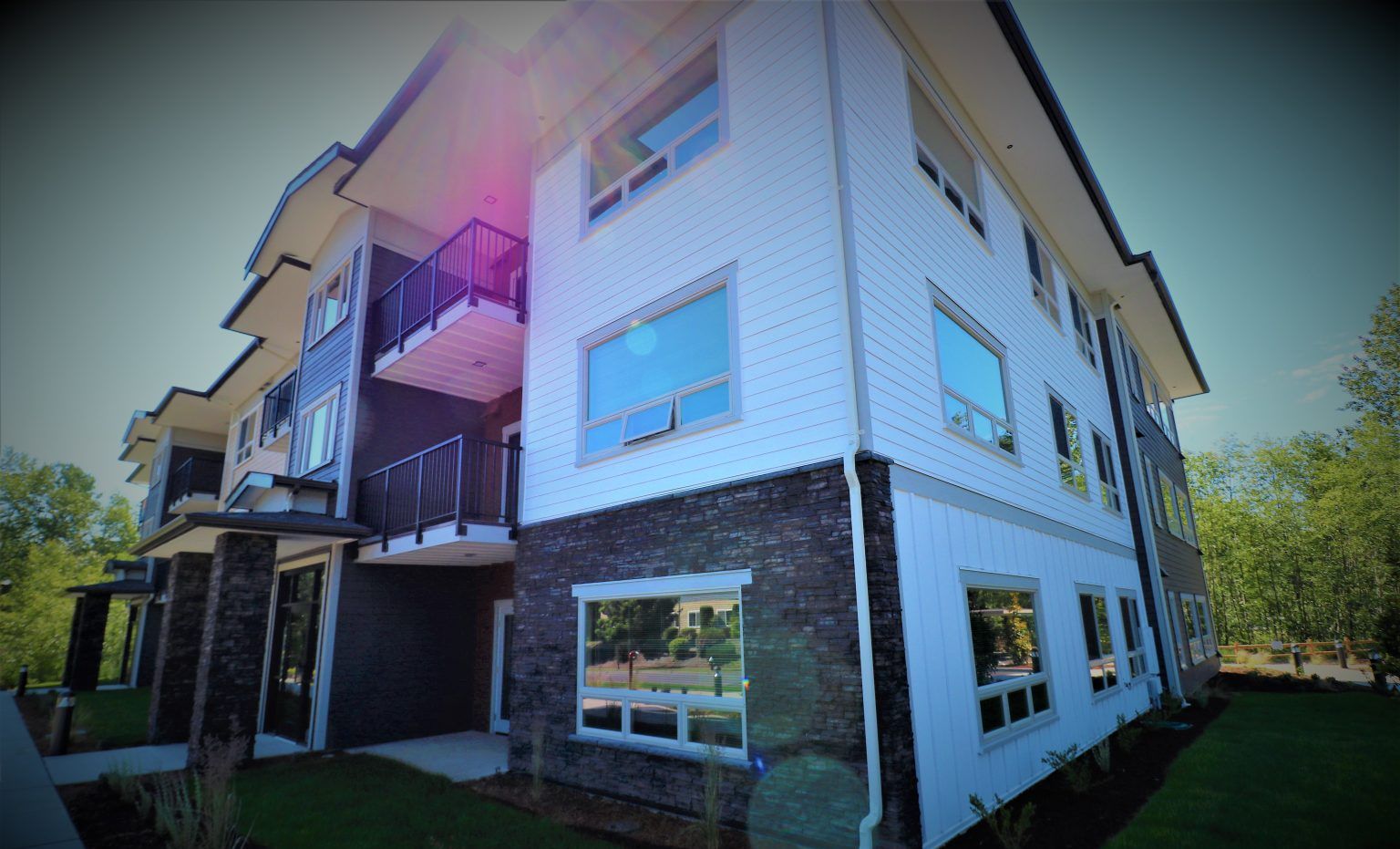
A siding number is only meaningful if you know exactly what it covers. A complete, honest quote for James Hardie siding in the Dade City area should spell out:
If any of these items is missing from a bid, ask directly whether it's included or excluded — it is one of the most common places two quotes that look similar on the total price actually differ substantially in scope.
Because siding bids can vary in what they include, comparing the bottom-line number alone is misleading. Line up quotes side by side on these points before deciding on price:
Siding replacement is a significant expense, and most homeowners in the Dade City area don't pay for it entirely out of pocket. Ask any contractor you're considering, including Alpine Exteriors, what financing programs they offer or partner with — options and terms vary by lender and change over time, so get current details in writing rather than relying on general assumptions.
On the insurance side, Florida homeowners policies commonly use the OIR-B1-1802 Uniform Mitigation Verification Inspection Form to document wind-resistant features of a home, which can affect premium credits. Fiber cement siding's wind and impact performance, properly installed and documented with its Florida Product Approval, may be relevant to that inspection. It is not a guarantee of a specific discount — that determination is made by your insurance carrier and inspector — but it's worth asking your agent how a siding upgrade could factor into your next wind mitigation inspection, and keeping your installation paperwork and product approval documentation on file in case it's needed.
For many Dade City homeowners, yes, largely because of how the two materials hold up to Florida's specific conditions over time. Fiber cement resists the warping and heat distortion that vinyl can experience under intense summer sun, doesn't provide a food source for termites the way wood-based siding does, and holds paint or factory finish longer under sustained UV and humidity exposure. The tradeoff is a higher installed cost and a heavier product that takes more labor to install correctly, so the right choice depends on your budget, how long you plan to stay in the home, and how much long-term maintenance you want to avoid.
Timelines depend heavily on home size, roofline complexity, and how much sheathing repair is needed once old siding comes off, so it's best treated as a range your contractor should walk through with you rather than a fixed number. Weather is also a real factor in Florida — summer storm patterns can pause exterior work for safety reasons, and a contractor who builds that possibility into your schedule upfront is being realistic rather than overly cautious.
Yes. Any siding installed in Florida has to comply with the Florida Building Code, and James Hardie products carry Florida Product Approval documentation that specifies approved fastening patterns for different wind exposure conditions. Pasco County is not in the state's High-Velocity Hurricane Zone, but the standard Florida Building Code wind provisions still apply, and a contractor pulling permits should be installing to the fastening schedule that matches your home's wind exposure, not a generic national standard.
Fiber cement itself is not a food source for mold and resists moisture damage far better than wood siding, but the assembly behind it — house wrap, flashing, and any repaired sheathing — is what actually determines whether trapped moisture becomes a problem in Florida's humid climate. Correct lapping and sealing of the weather-resistive barrier, and proper flashing at windows, doors, and roof-wall intersections, matter as much as the siding material itself, which is why installation detail should be part of any quote you evaluate.
Every Dade City home is different, and the only way to move from a general range to a real number is to have the home measured and inspected. Alpine Exteriors provides written, itemized quotes for James Hardie siding projects throughout Tampa Bay, including Dade City, Wesley Chapel, Lutz, Land O' Lakes, New Port Richey, Plant City, and Zephyrhills, with the product line, trim scope, and code-compliant installation details spelled out before any work begins. If you're weighing siding options for a Pasco County home, reach out for an on-site assessment and a quote you can compare confidently against any other bid.