
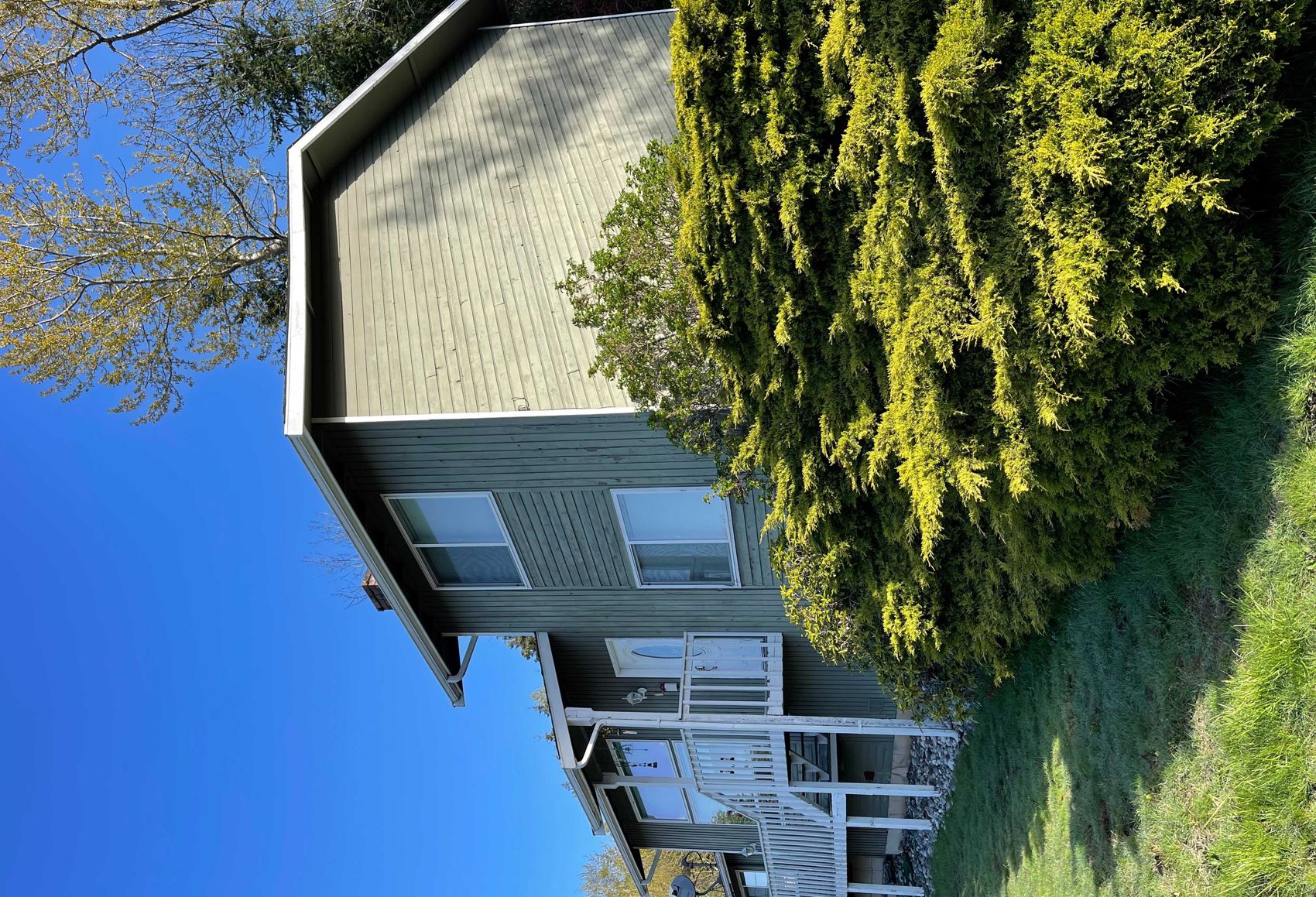
Ridge Manor sits in the rolling, oak- and pine-covered part of eastern Hernando County, where lots tend to run larger, homes sit farther back from the road, and the housing stock is a mix of older site-built ranch homes and newer construction on acreage. When homeowners here start pricing James Hardie fiber cement siding, the range they find online rarely matches what a real quote for their specific house looks like, because so much of the cost is driven by conditions on the property itself rather than the material alone. This page walks through a realistic price range for the Ridge Manor area, the factors that push a project toward the low or high end of that range, and what a trustworthy quote should actually contain.
Fiber cement siding is typically priced by the square foot of wall coverage, installed. For most homes in the Ridge Manor and greater Hernando County area, a full re-side with James Hardie products tends to fall somewhere in the neighborhood of nine to sixteen dollars per square foot installed, once tear-off, trim work, and finish are factored in. For a typical single-family home in the 1,800 to 2,800 square foot range common in this part of the county, that generally works out to a total project cost somewhere between roughly twenty thousand and fifty thousand dollars or more, depending on scope. Homes with simple footprints and sound existing substrate land toward the lower end; larger two-story homes, homes needing extensive rot repair, or homes choosing the full HardieShingle or board-and-batten treatment with heavy trim detail land toward the higher end. These are broad planning ranges, not a quote — the only way to know what your project costs is a site visit and a written proposal.
| Cost Factor | Pushes Toward the Lower End | Pushes Toward the Higher End |
|---|---|---|
| Siding profile and style | Standard HardiePlank lap siding in a smooth or cedar-mill finish | HardieShingle staggered-edge or board-and-batten with layered reveal detail |
| Finish | Site-painted after installation | Factory-applied ColorPlus finish with matching fasteners and touch-up kit |
| Existing siding removal | Single layer of wood or vinyl lap siding, easy to strip | Stucco removal, furring-out over block, or multiple layers to tear off |
| Substrate condition | Sound sheathing and framing behind the old siding | Rotted wood, moisture damage, or termite damage requiring rebuild before siding goes on |
| Trim and accessories | Minimal trim, simple corners and window returns | Extensive HardieTrim boards, decorative banding, custom fascia or soffit work |
| Home size and complexity | Single story, rectangular footprint, few penetrations | Two-story homes, dormers, multiple gables, cut-up wall planes |
| Site access | Cleared, easy-access lot near the road | Wooded acreage, long driveways, septic fields, or wells that limit staging and equipment access |
| Code-required fastening and documentation | Standard fastening schedule under current Florida Product Approval | Enhanced fastening or bracing needed to meet the applicable Florida Building Code wind provisions for the site |
A few conditions particular to this part of Hernando County matter more than generic national averages suggest. First, wind: the Florida Building Code sets wind-load requirements by location, and even though Ridge Manor is well inland from the coast, homes here still fall under design wind speed requirements that dictate fastener type, spacing, and the Florida Product Approval documentation a contractor must reference when pulling the permit. Siding nailed off to a lighter, out-of-code schedule may look identical to correctly installed siding for years, then fail exactly when a storm's wind-driven rain tests it. Correct installation costs more in labor time than a quick nail-and-go job, and that labor is part of what you're paying for.
Second, humidity and moisture. Central Florida's combination of heat and humidity creates real mold and moisture pressure on wall assemblies, especially on older Ridge Manor homes where the original siding may have trapped water against wood sheathing for years without anyone noticing. Because fiber cement is installed over a water-resistive barrier and requires proper flashing and gapping to perform correctly, a contractor who opens up the wall and finds soft sheathing or hidden rot has to price that repair before the new siding goes up — skipping it just seals the problem behind a new surface.
Third, UV exposure. Florida sun is intense and constant, which is one reason fiber cement is popular here in the first place: it holds up to sustained UV without the warping or fading issues that plague some other siding materials over time. A factory-applied ColorPlus finish is engineered for that exposure and costs more up front than field paint, but it also reduces how soon the home will need repainting.
Fourth, termites. Ridge Manor's wooded lots and mature tree cover mean subterranean termite pressure is a real consideration for any home with wood-based siding or trim. Fiber cement itself is not a food source for termites, which is an advantage, but if termites have been active in the wall framing or original wood siding, that damage has to be addressed as part of substrate repair before new siding goes on — and that inspection and repair work is a legitimate line item, not padding.
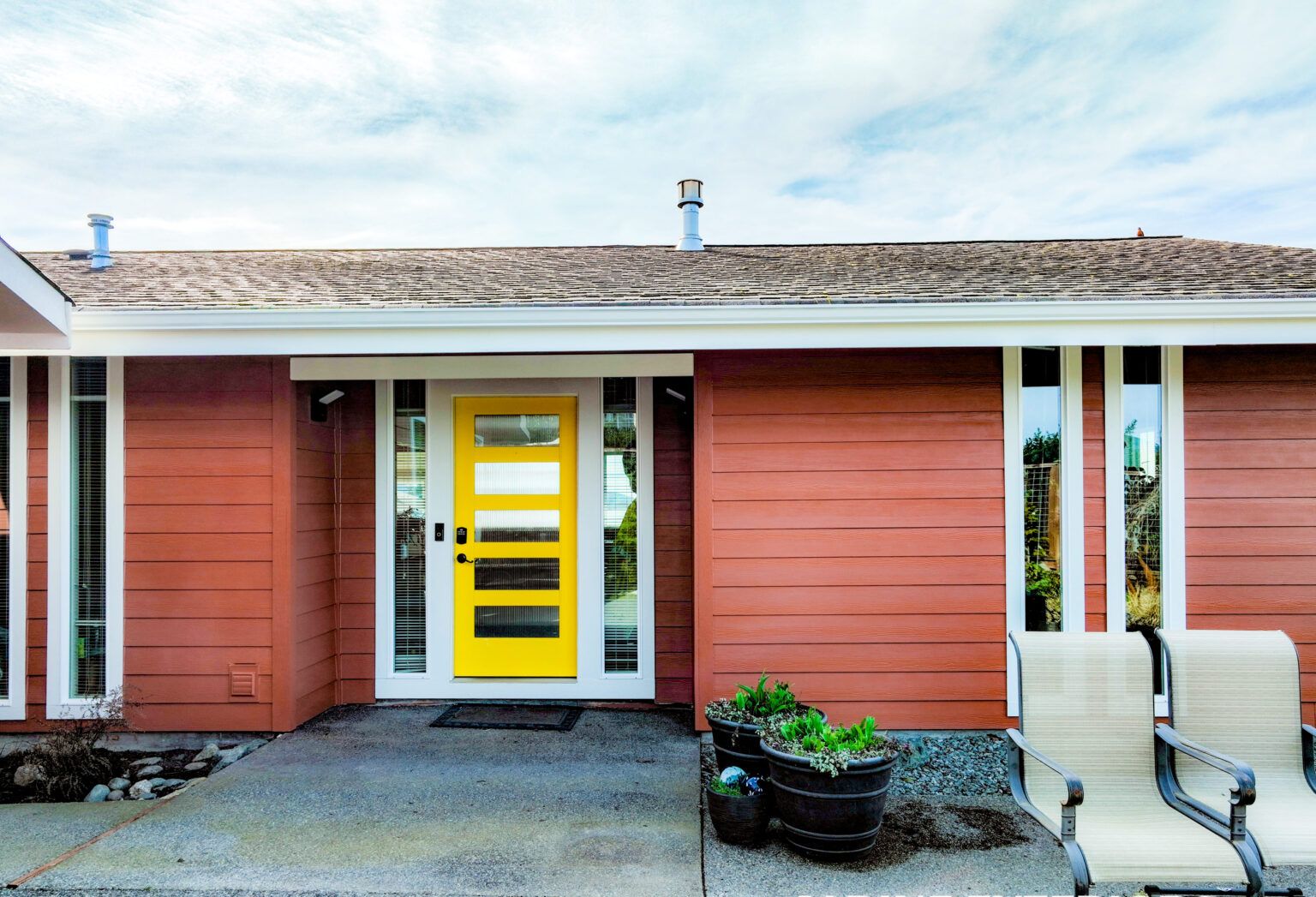
A quote that's actually useful for comparison should spell out, in writing, the specific James Hardie products and profiles by name rather than just \"fiber cement,\" the finish (ColorPlus or field paint, and if field paint, what primer and topcoat system), the fastening schedule and how it satisfies the applicable Florida Building Code wind requirements and Florida Product Approval for the products used, what happens with the existing siding and any sheathing or framing repair, house wrap or water-resistive barrier details, flashing at windows, doors, and roof lines, trim scope, and a start-to-finish timeline. It should also spell out who pulls the permit and who is responsible for scheduling inspections. Vague line items that just say siding installation with no breakdown are a signal to ask more questions before signing anything.
Because so much of the total is driven by scope rather than material price per square foot, the most common mistake homeowners make is comparing two bottom-line numbers without checking whether they include the same work. A lower bid that excludes rot repair, uses a lighter fastening schedule than the site's wind requirements call for, or swaps in a cheaper trim package will look attractive until the gaps show up later. Ask each contractor for the same breakdown: product line and profile, finish, tear-off scope, substrate repair allowance, trim package, and code compliance approach. When Alpine Exteriors provides a proposal, we itemize these so a Ridge Manor homeowner can set it side by side with another bid and see exactly where the numbers diverge, rather than guessing why one number is lower.
It's also worth asking directly whether a bid assumes the substrate is sound or includes an allowance for repair if it isn't. A contractor who won't commit to an allowance, or who insists everything will be fine before ever opening up a wall, is giving you a number that's likely to change once work starts.
Most siding contractors, Alpine Exteriors included, can point homeowners toward financing options for a project this size — whether a home equity line, a contractor financing partner, or a manufacturer promotion tied to specific product lines — and terms and availability change, so ask what's currently offered when you get your quote rather than relying on outdated information. On the insurance side, Florida homeowners policies commonly use the wind mitigation inspection form, OIR-B1-1802, to document features like opening protection and roof-to-wall connections, which can translate into a premium credit. Re-siding a home with correctly installed, code-compliant fiber cement won't automatically lower a premium, but it's worth asking your insurance agent whether the work you're planning affects your wind mitigation report, and keeping the permit and inspection paperwork from the job in case it's needed later.
It depends on priorities. Fiber cement generally costs more upfront than vinyl, but it holds paint and color longer under intense Florida sun, doesn't soften or distort in sustained heat the way some vinyl products can, and isn't a termite food source. Vinyl can still be a reasonable choice for budget-conscious projects; the right answer depends on how long you plan to stay in the home and how much long-term maintenance you want to take on.
Almost always it comes down to scope, not markup. Differences in substrate condition, whether stucco or multiple layers of old siding had to come off, trim complexity, finish choice, and whether the fastening schedule meets current Florida Building Code wind requirements for the site can all shift a quote significantly even between two houses of similar square footage.
Full siding replacement typically requires a permit, and the installation has to reference the applicable Florida Product Approval for the specific James Hardie products being used along with the correct fastening schedule for the site's wind requirements. A licensed contractor pulling the permit and scheduling inspections is part of what you're paying for, and it protects you if questions come up later, including at resale.
Timelines vary with home size, how much substrate repair is needed, weather, and permitting turnaround, so it's not something to pin down without a site visit. A straightforward single-story home with sound substrate moves faster than a larger or more complex home, or one where hidden rot or termite damage is found once the old siding comes off.
The only reliable way to know what James Hardie siding will cost for your specific home is a site visit and a detailed, written proposal — not a generic square-foot estimate. Alpine Exteriors is a Florida-licensed contractor (RB29003900) serving Ridge Manor and the rest of Hernando County and the greater Tampa Bay area, and we're glad to walk your property, look at what's actually under your existing siding, and put together an itemized quote you can compare against any other bid you get. Reach out to schedule a visit and see what your project really involves before you commit to a number.