
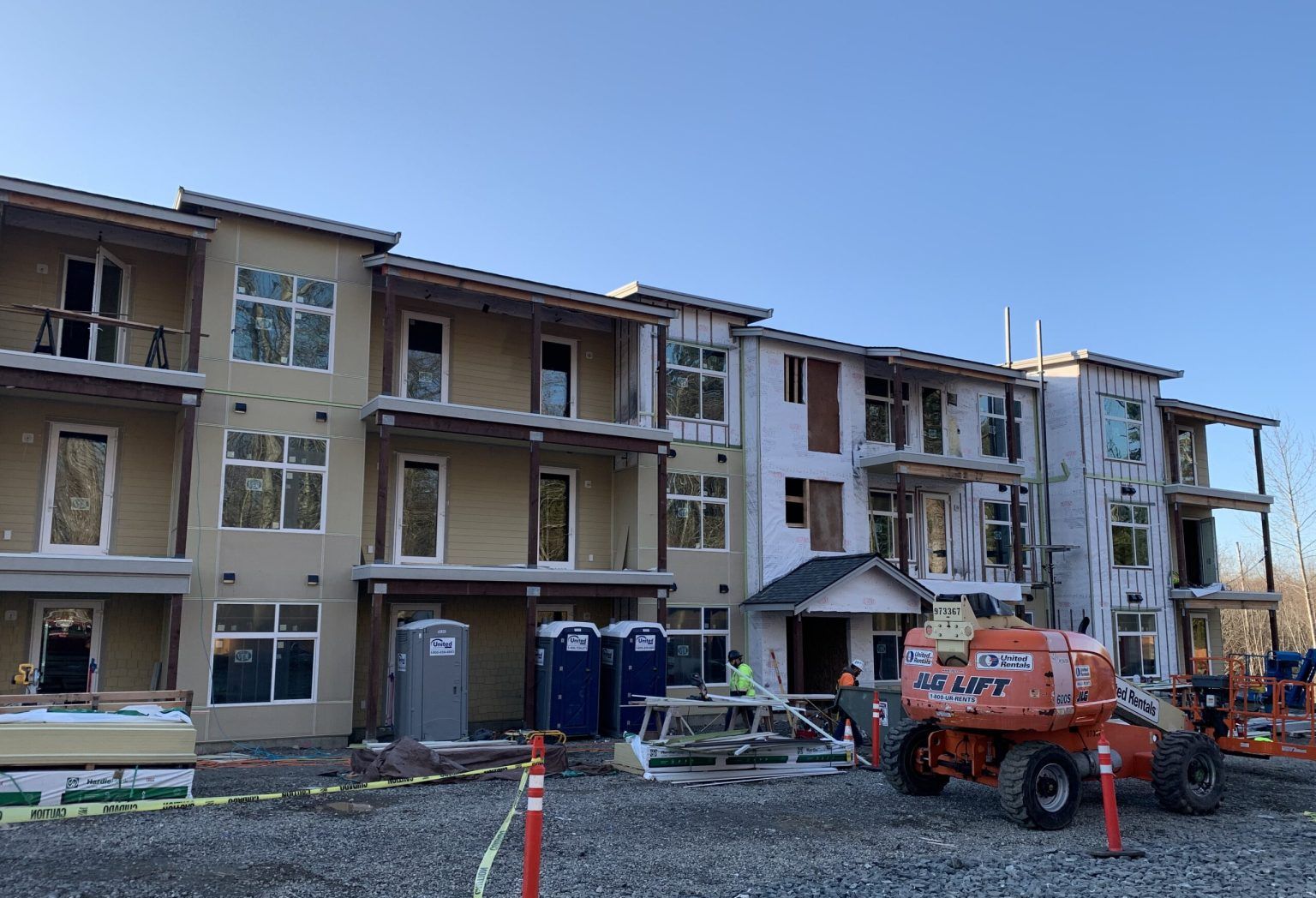
Homeowners in Shady Hills and the surrounding Pasco County communities — Land O' Lakes, Wesley Chapel, New Port Richey, Zephyrhills, Lutz, and Plant City — ask us the same question almost every week: what does James Hardie fiber cement siding actually cost once you're done shopping around? The honest answer is that there is no single number, because the price depends on your home's size, its current condition, the trim details you choose, and how the crew handles the moisture, wind, and pest issues that come standard with living in west-central Florida. Below we walk through realistic price ranges, the factors that push a project toward the low or high end, what should be spelled out in any quote, and how to compare bids from different contractors without getting burned. Alpine Exteriors has priced and installed fiber cement siding across Pasco County long enough to know where the real cost drivers hide, and this guide reflects that experience rather than a generic national average.
Fiber cement siding installed in the Shady Hills area typically runs in a mid-range band compared with vinyl on the low end and true masonry or high-end architectural products on the high end. Most full siding replacements on a single-family home in this part of Pasco County land somewhere between a modest whole-house project and a considerably larger investment once you factor in trim, moisture barriers, and any wood rot repair uncovered during removal. Rather than quote a single figure that would be meaningless without knowing your home, the table below breaks the total into the categories that actually move the price, with a low-to-high range for each.
| Cost Factor | Typical Low End | Typical High End | Why It Varies |
|---|---|---|---|
| Material tier (lap siding vs. shake/panel accents) | Standard HardiePlank lap | HardieShingle or HardiePanel accents | Textured and specialty profiles cost more per square foot than plain lap boards. |
| Home size and story count | Single-story, simple footprint | Two-story with multiple gables/dormers | Steep pitches, tall walls, and extra staging add labor hours. |
| Substrate and moisture barrier condition | Sound sheathing, quick house-wrap swap | Rotted OSB/plywood requiring replacement | Florida humidity and past leaks often hide damage until old siding comes off. |
| Trim, fascia, and soffit scope | Reuse existing trim where sound | Full trim, fascia, soffit, and frieze board replacement | Matching Hardie trim to new siding adds material and labor. |
| Removal and disposal of old siding | Single layer, easy removal | Multiple layers or older layered siding history | Older homes sometimes have layered siding history that slows tear-off. |
| Color and finish | Factory ColorPlus standard palette | Custom color-matched or specialty finish | Custom colors and field-painting add cost versus stock ColorPlus options. |
| Wind-rated fastening and flashing detail | Standard fastening schedule per approval | Enhanced fastening/flashing for exposed elevations | Wind-load requirements can call for tighter nailing patterns and extra flashing at penetrations. |
These ranges assume a typical Shady Hills residential home rather than a large custom build or a small addition, and they assume the crew is following the fastening and clearance details required for the product's Florida Product Approval. A quote that ignores these variables and simply gives you a flat number per square foot without inspecting your home in person is usually guessing, not estimating.
Several conditions specific to this part of Florida push a project toward the higher end of the range, and it's worth understanding them before you get quotes so you're not surprised later.
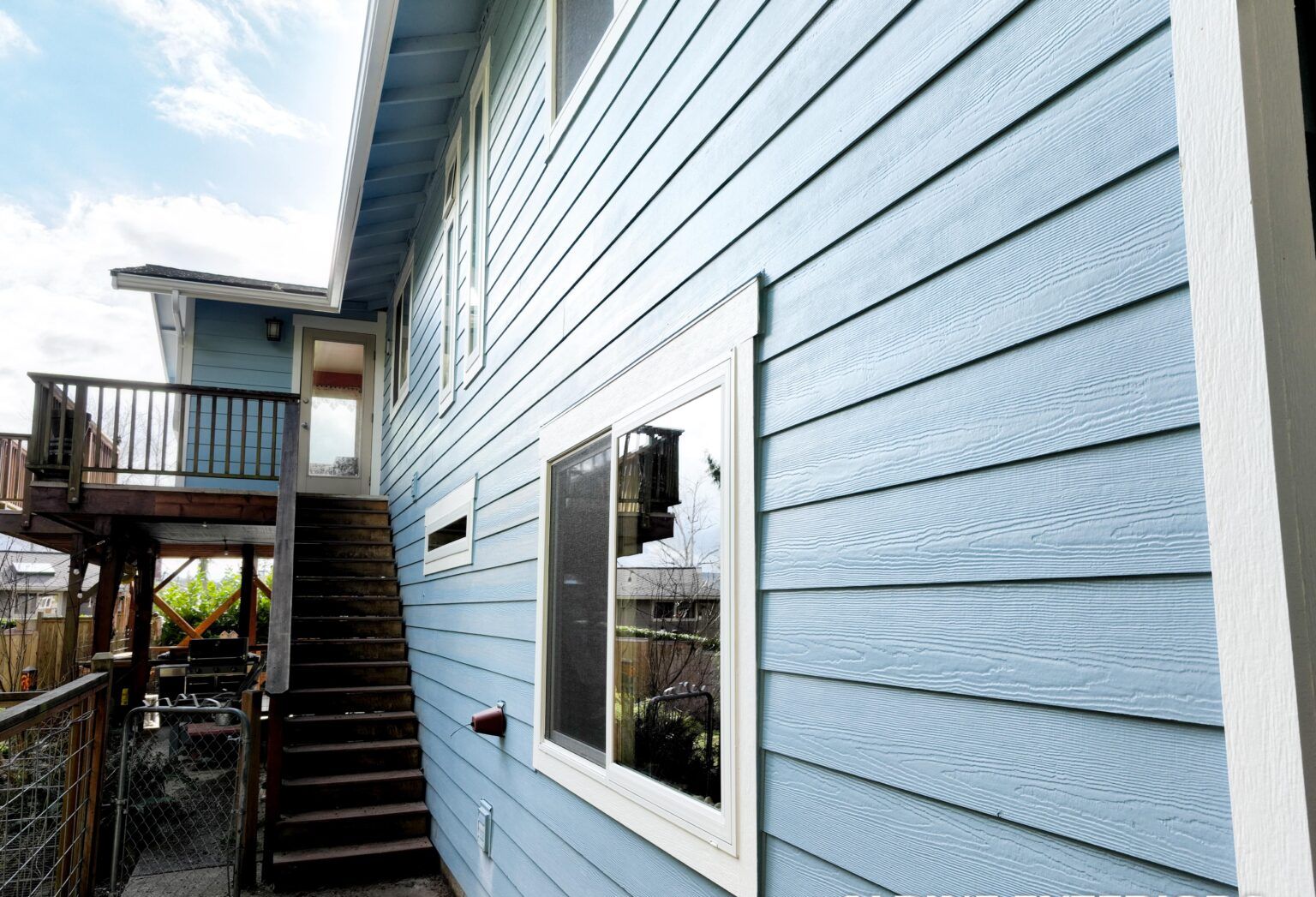
A written estimate that's worth comparing to others should spell out, at minimum: the exact Hardie product line and profile (lap width, panel style, or shingle pattern), the finish (ColorPlus versus field paint and the color), the scope of trim, fascia, and soffit work, whether existing siding removal and disposal is included, what happens if rotted sheathing is found once the old siding is off (and at what rate), the type of weather-resistive barrier and flashing details being used, the fastening schedule being followed, and a payment and warranty schedule covering both material and labor. If a proposal is missing several of these, ask for them in writing before signing. Alpine Exteriors builds every estimate around these line items specifically so homeowners can see where their money is going rather than accepting a single lump-sum figure.
The temptation with any home exterior project is to line up three numbers and pick the middle or the lowest. That approach works poorly with fiber cement siding because two contractors can quote wildly different totals for reasons that have nothing to do with markup. Before comparing dollar figures, confirm each bid is quoting the same product line and profile, the same finish type, the same trim scope, and the same fastening and flashing approach. A bid that's noticeably lower often means thinner trim, field-painted boards instead of ColorPlus, reused old flashing, or a fastening pattern that doesn't match the product's Florida Product Approval. Ask each contractor directly whether their crew follows the manufacturer's fastening schedule for this wind zone, and ask to see their Florida contractor license number — ours is RB29003900, and any licensed contractor should provide theirs without hesitation. It's also reasonable to ask how the contractor handles unexpected rot discovered during tear-off, since that's the most common source of change orders on older Pasco County homes.
Many homeowners spread the cost of a full siding replacement over financing rather than paying in a single lump sum; ask any contractor you're considering whether they offer financing options directly or work with a third-party lender, and read the terms before committing. On the insurance side, replacing worn or damaged siding with a wind-rated, code-compliant product can be worth documenting for your insurer. Florida's OIR-B1-1802 Uniform Mitigation Verification Inspection Form is what insurers use to credit wind-mitigation features on a homeowners policy, and while siding itself isn't always a scored line item on that form, related improvements made during the same project — such as upgraded flashing, opening protection, or roof-to-wall connections your contractor may flag — sometimes are. It's worth asking your insurance agent what documentation they'd want after the work is complete, and keeping your product data sheets, Florida Product Approval numbers, and final invoice on file in case you need them.
For most Shady Hills homeowners, yes, because fiber cement holds up better against the combination of high humidity, intense sun, and wind-driven rain that this region sees regularly, and it doesn't soften or warp in high heat the way vinyl can. That said, vinyl is a legitimate lower-cost option for homeowners on a tighter budget, and the right choice depends on how long you plan to stay in the home and how much long-term maintenance you want to take on.
The most common reason is hidden sheathing or trim damage from years of moisture intrusion or termite activity that wasn't visible until the old cladding was removed. A contractor who builds a contingency or a clear per-board replacement rate into the original quote, rather than surprising you with it later, is doing this correctly — ask about that policy before work starts.
Yes, to a meaningful degree. Factory-applied ColorPlus finishes cost more upfront than unfinished boards that get field-painted on site, but they typically hold color better under Florida's UV exposure and come with a separate finish warranty, which can offset the higher initial cost over time.
Timelines vary with home size, trim scope, and weather delays, which are common during Florida's rainy season. A straightforward single-story home generally moves faster than a two-story home with extensive trim work or substrate repair, so ask your contractor for a project-specific timeline rather than a generic industry average.
The only way to know what your specific home will cost is an in-person inspection that accounts for its size, trim details, current substrate condition, and the wind and moisture detailing your project needs. Alpine Exteriors serves Shady Hills and the rest of Pasco County under Florida contractor license RB29003900, and we're glad to walk your home, point out anything we find during the initial look, and put together a detailed, itemized estimate you can compare against any other bid you're considering. Reach out to schedule a walkthrough and get a real number for your home rather than a rough guess.