
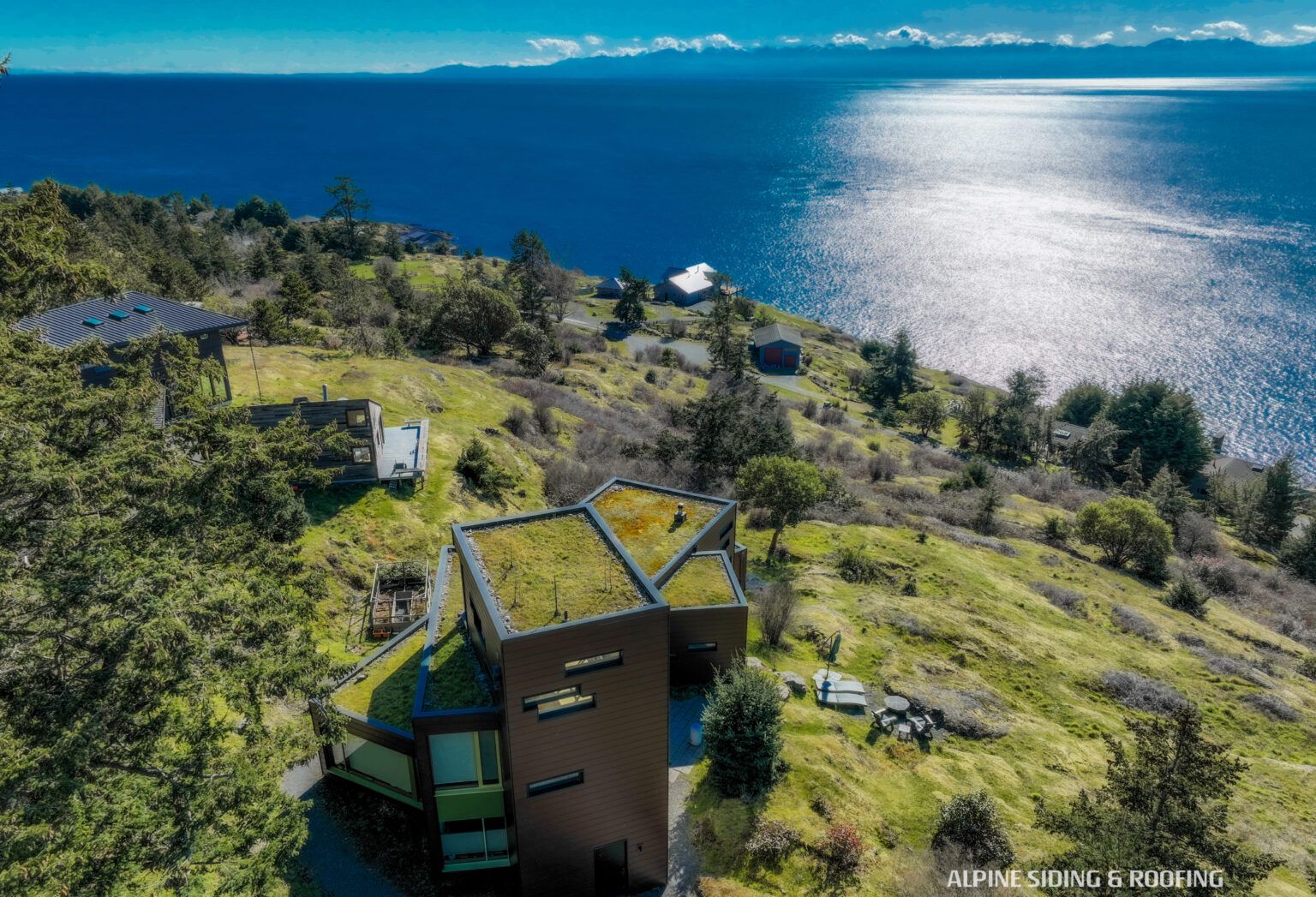
Metal siding has become a serious option for homeowners across Tampa, Wesley Chapel, Lutz, Land O' Lakes, New Port Richey, Plant City and Zephyrhills — not because it's trendy, but because it holds up to the specific punishment Gulf Coast weather delivers. Before you request bids, it helps to understand the real price range for this region, what pushes a project toward the low end or the high end, and what separates a complete quote from a lowball one. Alpine Exteriors put this guide together to help homeowners walk into estimate conversations informed, not guessing.
For a typical single-family home in the Tampa Bay area, installed metal siding generally runs in the range of roughly $9 to $18 per square foot of wall area, with basic ribbed steel or aluminum panel systems toward the lower end and premium concealed-fastener standing-seam profiles toward the upper end. Homes with extensive trim work, multiple stories, or difficult access (steep pitches, tight side yards common in older Tampa neighborhoods) tend to land higher in that range. A modest single-story home might fall well under that band on total project cost, while a larger two-story home with complex rooflines will land well above it. These are broad planning ranges, not quotes — the only way to get an accurate number is a site-specific estimate.
| Cost Factor | Low-End Impact | High-End Impact |
|---|---|---|
| Home size / total wall square footage | Smaller single-story footprint | Large two-story or sprawling ranch footprint |
| Panel type and gauge | Standard ribbed steel or aluminum panel | Heavier-gauge standing seam or architectural profile |
| Removal of existing siding | New construction or simple overlay-eligible wall | Full tear-off of old vinyl, wood, or stucco-backed siding |
| Wall prep and moisture barrier | Sound sheathing, minimal repair | Rotten sheathing, water intrusion repair, new house wrap |
| Trim, flashing, and accessories | Simple rectangular elevations | Multiple gables, dormers, bump-outs, extensive J-channel and corner work |
| Fastener and coating upgrades | Standard coastal-rated fasteners | Marine-grade stainless fasteners and heavier coil coatings for near-Gulf exposure |
| Wind/code compliance requirements | Standard Florida Building Code wind zone for the property | Higher design wind speed zones requiring engineered attachment and documented Florida Product Approval |
| Access and roofline complexity | Single story, open lot | Multi-story, steep pitches, limited equipment access |
A handful of Tampa Bay-specific realities push metal siding projects up or down in price more than almost anything else, and they're worth understanding before you compare bids.
Wind load and the Florida Building Code. Every county in the Tampa Bay footprint falls under the Florida Building Code's high-velocity wind provisions, and siding materials, fasteners, and attachment patterns have to carry a documented Florida Product Approval showing they meet the wind pressure requirements for that specific site. Homes closer to open water or on higher elevations may fall into steeper design wind speed categories, which can mean tighter fastener spacing, upgraded underlayment, or engineered details — all of which add labor and material cost. This isn't optional paperwork; it's what keeps panels on the wall in a tropical system and what a permit inspector will check.
Wind-driven rain and moisture management. Tampa Bay's storms don't just bring wind — they drive rain sideways into wall assemblies. A quote that skips proper flashing, weep details, and a continuous water-resistive barrier behind the panels is cutting a corner that won't show up until the next heavy system pushes water behind the wall. Correct moisture management adds labor time but is not something to shop away.
Humidity and mold pressure. Year-round humidity in this region means anything trapped behind siding stays wet longer than it would in a drier climate, which accelerates sheathing rot and mold growth if the assembly isn't ventilated and sealed correctly. This is part of why tear-off and inspection of the wall beneath old siding matters here more than it might in other parts of the country — hidden moisture damage is a real and common find once old siding comes off.
Salt air near the Gulf. Properties nearer to the coastal side of the region — Tampa Bay's shoreline areas and communities toward New Port Richey — see more airborne salt, which accelerates corrosion on lower-grade fasteners, trim screws, and unprotected cut edges. Homes in this exposure zone often warrant upgraded coatings or stainless fasteners, which is a legitimate reason a coastal-adjacent quote can run higher than one inland in Plant City or Zephyrhills.
Intense UV exposure. Florida's sun is hard on painted finishes. Cheaper coil coatings can chalk or fade noticeably within a handful of years under this level of UV exposure, while better-grade finishes (heavier PVDF-type coatings, for example) hold color longer. This is a place where paying more up front for a better coating package is often the more economical decision over the life of the siding.
Termite resistance as a genuine upside. Unlike wood-based siding products, metal siding gives termites nothing to eat — a real advantage in a region where subterranean termites are a routine concern for homeowners. It doesn't remove the need for standard termite protection on the structure overall, but it does take the siding itself out of the equation.
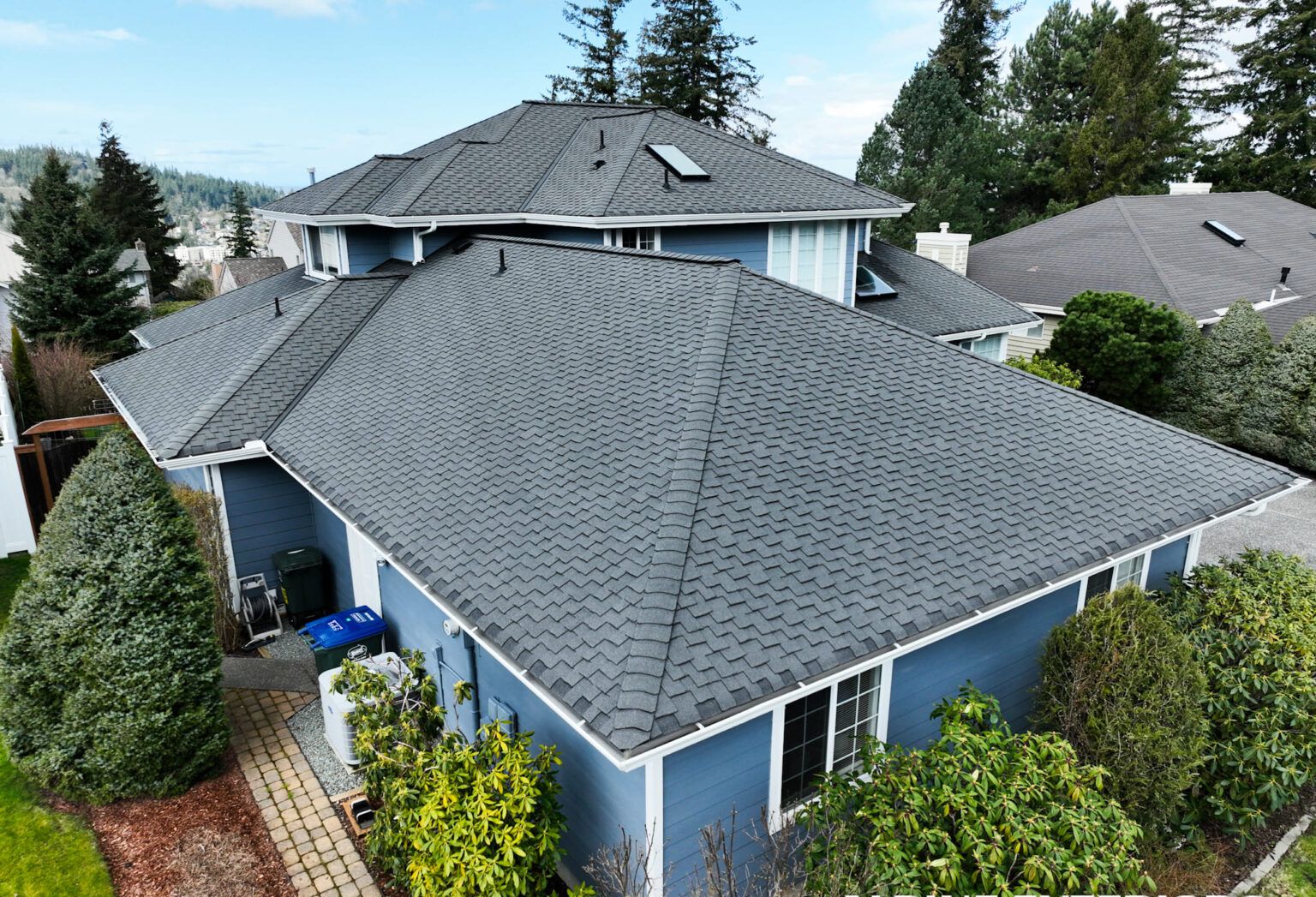
A complete, trustworthy metal siding quote for this region should spell out more than a single total number. Look for these components clearly itemized:
If a bid is a single lump sum with none of this broken out, ask for it in writing before signing anything. Alpine Exteriors itemizes each of these on every proposal so homeowners can see exactly what they're paying for.
The lowest number on paper is not automatically the best value, and the highest isn't automatically the most thorough. When you're lining up two or three bids side by side, compare them on the same terms:
A short conversation with each contractor about how they'd handle a hidden moisture problem behind the old siding tells you more about their honesty than the number on the page.
Many siding contractors, including Alpine Exteriors, offer financing options for homeowners who'd rather spread a siding project over monthly payments than pay the full cost at once — ask what terms are available when you get your estimate, since options and qualification vary by lender and by homeowner.
On the insurance side, it's worth knowing that Florida's wind mitigation inspection process — documented on the OIR-B1-1802 form — can sometimes translate into homeowners insurance premium credits when a home has verified wind-resistant features. Whether new siding itself qualifies for a credit depends on the overall wind mitigation package for your home (roof-to-wall connections, opening protection, and more), so this is a conversation to have with your insurance agent rather than an assumption to make going in. It's a reasonable question to raise once your project is complete, since a fresh wind mitigation inspection afterward may be worthwhile.
Generally, yes — metal siding tends to cost more upfront than standard vinyl siding, largely because of material cost and the heavier-duty fastening required to meet Florida Building Code wind provisions. Many homeowners weigh that higher initial cost against metal's durability in storms, resistance to termites, and longer expected service life before deciding which material fits their budget and priorities.
It can. Properties in higher design wind speed zones may require tighter fastener spacing, upgraded attachment hardware, or specific engineered details tied to a Florida Product Approval, and all of that adds labor and material cost compared to a lower wind zone installation. Your contractor should be able to tell you which wind zone your property falls into and how that affects the scope.
Full tear-off generally costs more than an overlay because it involves extra labor, disposal, and often exposes sheathing that needs repair before new siding goes on. In this region, tear-off is frequently the better long-term choice anyway, since it lets the crew check for hidden moisture or rot that humidity and wind-driven rain can cause behind older siding — problems that would otherwise get sealed up and hidden again.
Sometimes a lower quote is legitimate — a smaller home, simpler roofline, or a contractor with lower overhead can all produce an honest lower number. But a bid that's dramatically below others in the same scope is worth questioning closely: check whether it includes proper wind-rated fastening, adequate moisture barrier work, and documented product approval, since skipping those is the most common way a quote gets artificially cheap.
Every home in Tampa, Wesley Chapel, Lutz, Land O' Lakes, New Port Richey, Plant City, and Zephyrhills carries its own combination of wind zone, sun exposure, and wall condition, and that combination is what actually determines your number — not a generic average. Alpine Exteriors can walk your property, check the wall assembly underneath your current siding, and put together an itemized estimate that reflects your home's real conditions rather than a rough guess. Reach out to schedule a site visit and get a straightforward, written breakdown of what your metal siding project would actually involve.