
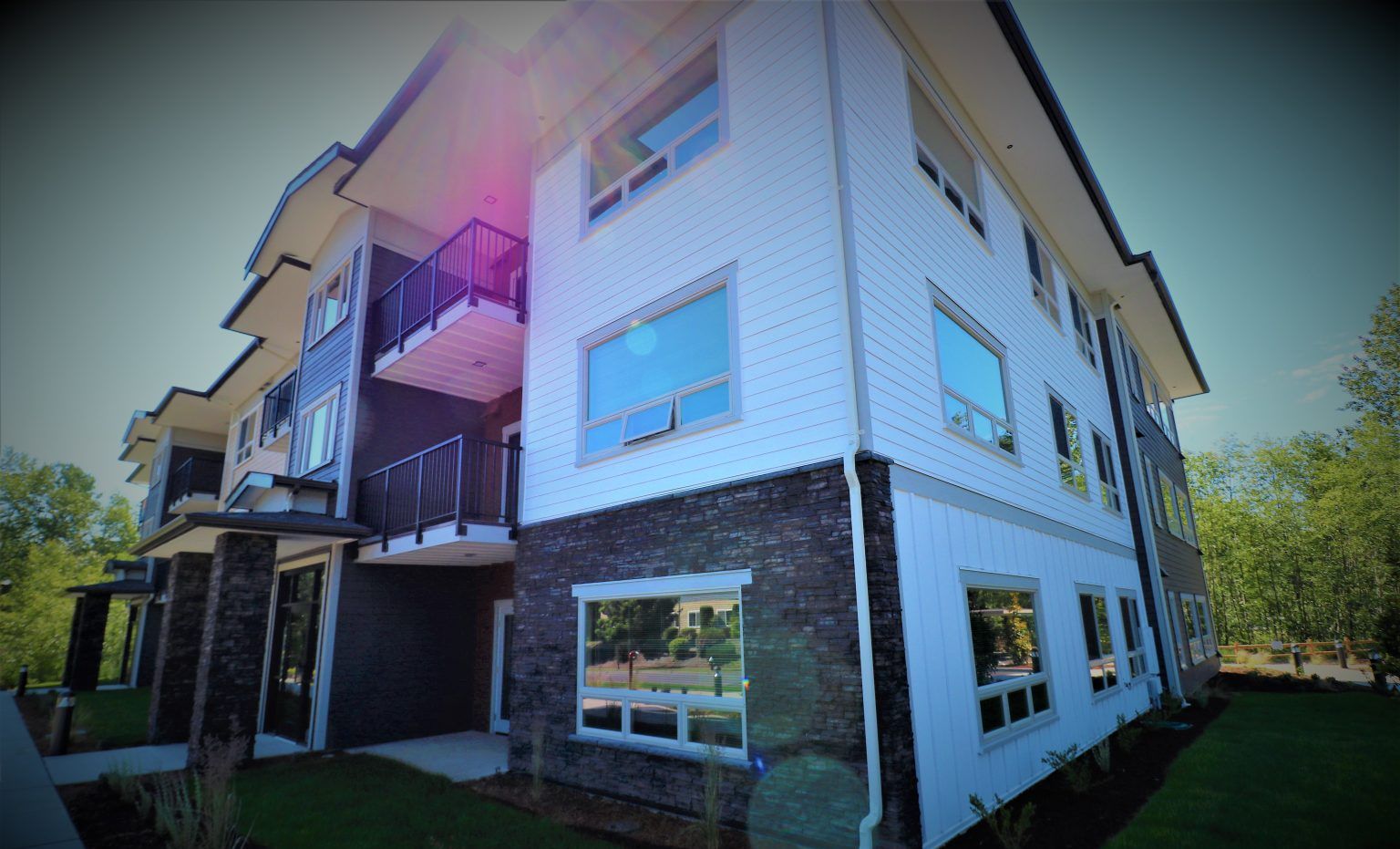
For most Meadow Pointe homes, fiber cement lap siding is the strongest all-around choice, with insulated vinyl as a solid budget-friendly runner-up on gable ends and accent walls. Meadow Pointe was built out mostly from the late 1990s through the mid-2000s, and the community's stucco-over-block exterior look is baked into the HOA's design guidelines. That means most houses here aren't candidates for a full lap-siding replacement of the main walls at all — the real decision homeowners face is what to do with gable peaks, rear additions, lanai enclosures, soffit and fascia trim, and the occasional wood-framed second story or bonus room that stucco doesn't cover well. Fiber cement holds paint, resists the moisture that Pasco County's humidity throws at every exterior surface, and carries the wind ratings needed for Florida Building Code compliance. Vinyl costs less up front and never needs repainting, but only the heavier, storm-rated products are worth installing here. Alpine Exteriors sees both materials perform well in Wesley Chapel when they're specified correctly and installed to the right nailing and fastening schedule — the failures we get called out to fix are almost always installation shortcuts, not the material itself.
We weighed each option against the conditions that actually show up in Meadow Pointe and the surrounding Wesley Chapel, Lutz, and Land O' Lakes area, not generic siding advice written for a different climate. The criteria that mattered most:
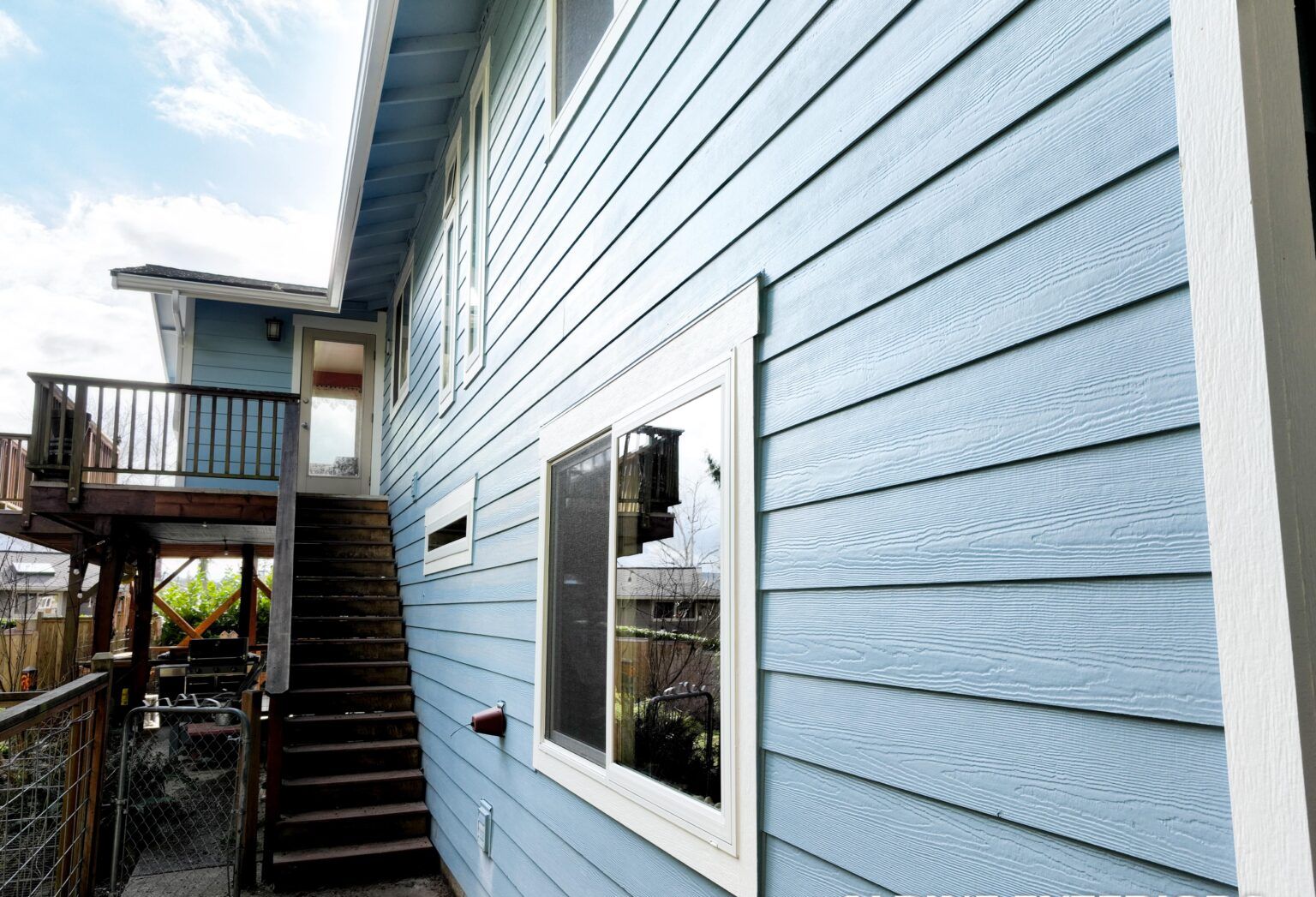
Fiber cement (the category that includes James Hardie's HardiePlank and similar products) is cement, sand, and cellulose fiber pressed into planks, then factory-primed or pre-finished. It's noncombustible, doesn't rot, and doesn't feed termites, which removes two of the bigger long-term risks homeowners in this area worry about.
Pros: Handles humidity and wind-driven rain far better than wood-based products because it doesn't absorb water the way engineered wood does. Holds paint for a long service life before repainting is needed. Available with Florida Product Approval documentation for the wind speeds required here. Doesn't provide termites anything to eat. Looks convincingly like painted wood lap siding, which reads well on the wood-sided gable ends and second-story additions that are common on the larger Meadow Pointe floor plans.
Cons: Heavier and more labor-intensive to install than vinyl, so labor cost runs higher. It still needs repainting eventually — factory finishes are durable but not permanent under this UV load. It has to be cut, primed on cut edges, and fastened to a documented schedule to keep its wind rating and warranty intact; installer skill matters more here than with most products.
Standard vinyl gets a mixed reputation, but insulated vinyl — panels with rigid foam backing laminated to the vinyl — is a genuinely different product. The foam backing stiffens the panel so it resists the oil-canning and impact damage that thin vinyl shows, and it adds a modest amount of R-value to whatever wall assembly it's over.
Pros: Never needs painting, which matters under Florida's UV load and is a real maintenance savings over 15 to 20 years. Won't rot, and termites have no interest in it. The heavier insulated products carry Florida Product Approval ratings suitable for the wind speeds in Pasco County when installed with the correct fastener spacing. Costs less installed than fiber cement in most cases.
Cons: Color is baked in, not painted, so it fades gradually over years of Florida sun exposure and can't be refreshed with a repaint — eventually the whole run has to be replaced to change the look. Lower-grade vinyl (thin, non-insulated panels) will warp, crack, or blow off in wind long before it wears out cosmetically, so the product tier matters enormously — this is the category where cutting corners shows up fastest during storm season. It also doesn't match Meadow Pointe's stucco look on primary walls, so it's realistically a fit for gables, accent sections, and non-primary elevations rather than a whole-house replacement in this community.
Since most Meadow Pointe homes are stucco over concrete block or a stucco-clad wood frame, a lot of "siding" projects here are really stucco repair, recoating, or crack remediation rather than a switch to a different material.
Pros: Matches the existing architecture and HOA standards without a variance request. Concrete block underneath is inherently termite-proof and handles wind loads well when the stucco itself is properly attached and the lath is sound. A quality elastomeric recoat renews UV and moisture protection and can meaningfully extend the life of an aging exterior.
Cons: Stucco that has hairline cracking or has trapped moisture behind it needs real diagnosis, not just a cosmetic patch — painting over active moisture intrusion just hides a growing problem. On wood-framed stucco sections, common on additions and some second stories, improperly detailed synthetic stucco systems have a well-documented history of trapping moisture against the sheathing in humid climates, so any wood-backed stucco section deserves a careful moisture inspection before recoating rather than an assumption that it's fine.
Engineered wood products — wood strand composites with a resin binder and factory coating — are a lower-cost alternative to fiber cement that shows up in some newer subdivisions.
Pros: Lighter and easier to install than fiber cement, with lower labor cost. Can look similar to painted wood lap from a distance.
Cons: This is the option we're most cautious about recommending in Pasco County. Engineered wood is more moisture-sensitive than fiber cement, and in a climate with Florida's humidity and heavy seasonal rain, edge swelling and delamination at butt joints and corners is a real long-term risk if flashing and caulking aren't maintained. It's also a wood-based product, which puts it back in the category termites are drawn to if moisture ever compromises the factory coating. We don't refuse to install it, but we tell every homeowner asking about it that fiber cement carries less long-term risk for a comparable cost in this specific climate.
A few materials and shortcuts come up often enough in Wesley Chapel and Land O' Lakes remodels that they're worth calling out directly:
Yes. Meadow Pointe isn't a coastal community, so salt air corrosion isn't a significant concern here the way it is for homes closer to Tampa Bay, but wind load is a statewide building code requirement, not a coastal-only one. The Florida Building Code sets wind-speed and exposure requirements for Pasco County based on location and terrain, and any siding product installed on your home needs a Florida Product Approval rating that matches those requirements, regardless of how far you are from the water.
It can, indirectly. Siding itself isn't usually the line item insurers focus on, but wind-resistant construction and documented storm protection upgrades can affect the credits calculated on the state's wind mitigation inspection form. If you're doing exterior work anyway, it's worth asking your contractor whether the products and installation method used will support an updated wind mitigation inspection, and getting that documentation to your insurance agent afterward.
Hairline surface cracking that hasn't spread and shows no soft spots, staining, or bubbling is usually cosmetic and can be addressed with a proper elastomeric recoat. Warning signs of a deeper problem include cracks that follow a consistent pattern near windows or corners, soft or spongy areas when pressed, dark staining, or a musty smell near an exterior wall from inside the house — any of those warrant a moisture inspection before painting over the surface.
Yes, and it's actually the most common project we see in Meadow Pointe. Most homes here already combine stucco block walls with wood-framed gable ends, dormers, or rear additions that were built or finished differently, so replacing just those sections with fiber cement or insulated vinyl — matched in color and trim profile to the stucco — is a normal, HOA-friendly approach rather than an all-or-nothing siding replacement.
Every Meadow Pointe home is a slightly different mix of stucco, trim, and wood-framed sections, so the right material often varies wall by wall rather than being a single answer for the whole house. Alpine Exteriors is a licensed Florida contractor (RB29003900) serving Tampa, Wesley Chapel, Lutz, Land O' Lakes, New Port Richey, Plant City, and Zephyrhills, and we're happy to walk your property, point out which sections are due for attention, and give you options at a few different price points before you commit to anything. Reach out to schedule a walk-through and get a straight answer about what your home actually needs.