
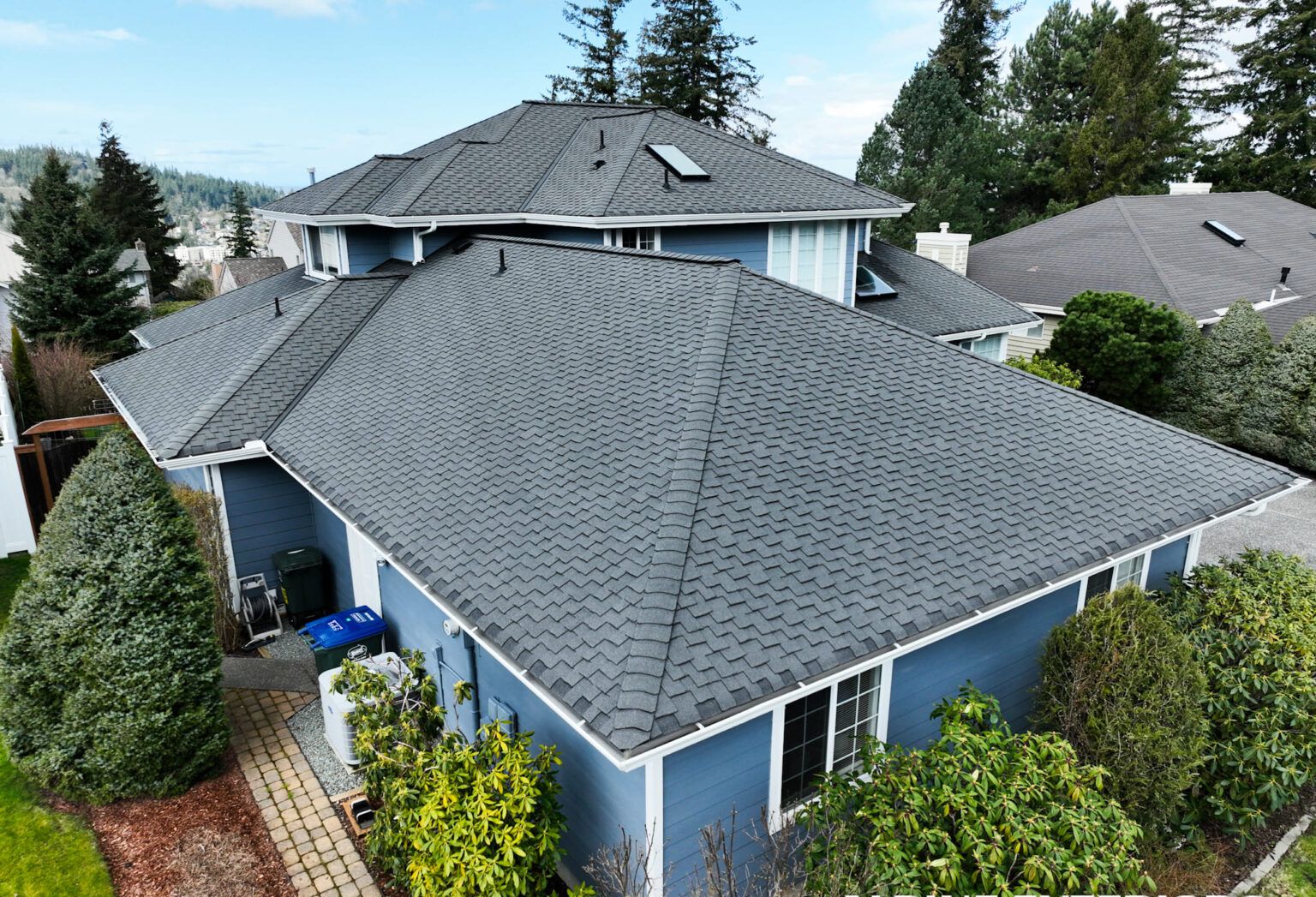
Homeowners across Tampa, Wesley Chapel, Lutz, Land O' Lakes, New Port Richey, Plant City, and Zephyrhills are asking more contractors about rainscreen assemblies behind their siding, and for good reason. A rainscreen isn't a siding product by itself — it's a drainage and ventilation gap, typically built with vertical furring strips, a crinkled or channeled drainage mat, or a specialty pleated house wrap, installed between the back of the siding and the weather-resistive barrier on the wall sheathing. In a region that sees wind-driven rain during tropical systems and afternoon storms, near-constant humidity for much of the year, and long stretches of direct UV exposure, that gap gives incidental moisture a path to drain and dry instead of sitting against the sheathing. This page lays out realistic cost ranges for the Tampa Bay market, what pushes a project toward the low or high end, what a legitimate quote should include, and how to compare bids so you aren't just comparing the bottom-line number.
Rainscreen assembly pricing in Tampa Bay is almost always bundled into a siding replacement or re-side project rather than sold as a standalone line item, since the assembly has to be installed correctly for the siding above it to perform and to keep any product warranty intact. As a rough guide, adding a proper rainscreen detail to a siding project in this market typically adds a modest premium over a standard direct-applied installation, and the total installed cost of siding-plus-rainscreen on an average Tampa Bay home tends to land in a broad mid-to-upper range compared with the cheapest direct-to-sheathing siding jobs and well below a full structural wall rebuild. Where a given project falls in that range depends heavily on the siding material chosen, the condition of the existing sheathing and wall assembly, the complexity of the roofline and wall penetrations, and the number of stories being wrapped. Coastal and near-Gulf homes in areas like New Port Richey often see costs trend toward the higher end because of added corrosion-resistant fastener and flashing requirements.
| Cost Factor | Low End Driver | High End Driver |
|---|---|---|
| Rainscreen material choice | Basic furring strip system on a simple gable home | Engineered drainage mat with integrated mesh on a complex multi-gable roofline |
| Existing sheathing condition | Sound, dry sheathing found at tear-off | Rot, termite damage, or mold requiring sheathing replacement before assembly install |
| Siding material over the rainscreen | Vinyl or standard fiber cement lap | Board-and-batten fiber cement, engineered wood, or metal panel systems |
| Wall height and access | Single-story, easy ground-level access | Two-story or three-story walls requiring scaffolding or lift equipment |
| Flashing and penetration detailing | Few windows, simple soffit and eave lines | Numerous windows, dormers, chimneys, and roof-to-wall transitions |
| Fastener and hardware spec | Standard galvanized fasteners for inland homes | Stainless or coated corrosion-resistant fasteners for near-Gulf salt exposure |
| Wind load and product approval requirements | Lower design wind speed zone inland | Higher design wind speed zone closer to the coast, requiring heavier fastening schedules |
A handful of site-specific realities in Tampa Bay tend to move a rainscreen job's cost more than anything printed on a brochure. The first is what's actually behind the existing siding once it comes off. Florida's humidity load, combined with decades of intermittent roof or flashing leaks, means it isn't unusual to find soft sheathing, old termite damage, or mold staining once the original siding is removed. None of that is visible in a walk-around estimate, which is why a written quote should always separate the base rainscreen-and-siding price from a per-panel or per-square-foot allowance for sheathing repair, sized in a range rather than a fixed number, so there are no surprises mid-project.
The second driver is wind design. Under the Florida Building Code, exterior wall coverings and their attachment have to be engineered or product-approved for the wind speed zone the home sits in, and Tampa Bay spans a range of design wind speeds depending on distance from the coast. A rainscreen assembly changes how siding is fastened back to the structure, so the furring, mat, and cladding all need to carry a valid Florida Product Approval for the assembly as installed, not just for the siding material in isolation. Homes closer to the water, including parts of New Port Richey and coastal Tampa, generally need tighter fastening schedules and heavier-duty hardware, which adds labor and material cost over an inland home in Plant City or Zephyrhills built to a lower design wind speed.
Third, termite pressure in this region matters for the substrate choice behind the rainscreen. Furring strips and any wood blocking used to create the drainage gap should be pressure-treated or otherwise rated for ground and moisture exposure, since untreated wood behind a wall in Florida's climate is an invitation for wood-destroying organisms. That's a small cost difference on paper but it's one of the details worth confirming rather than assuming.
Finally, roof and wall complexity has an outsized effect on labor hours. A simple rectangular single-story home with few windows is straightforward to wrap in a rainscreen assembly. A home with multiple gables, dormers, chimneys, and a mix of wall heights requires far more flashing, cutting, and detail work around penetrations, and that labor time is usually the single biggest swing factor in the final price.
A complete rainscreen and siding quote from Alpine Exteriors, or from any contractor you're vetting, should spell out more than a single lump sum. Look for a written scope that names the specific drainage mat or furring system by product, the fastener type and spacing schedule, and whether that assembly carries a current Florida Product Approval for the wind speed zone your home falls in. The quote should also state what happens if the crew finds damaged sheathing at tear-off, ideally with a pre-agreed per-panel repair range rather than an open-ended change order. Flashing details around windows, doors, and roof-to-wall intersections deserve their own line, since these are the areas most likely to leak if rushed. Cleanup, disposal of old siding, and the manufacturer's and contractor's warranty terms round out a scope that protects you if something goes wrong later.
The temptation with any exterior project is to line up three bids by their bottom-line number and pick the lowest one. That approach breaks down fast with rainscreen work, because two quotes with similar totals can represent very different scopes. Before comparing dollar figures, confirm that every bid includes an actual drainage gap and not just a "rainscreen-rated" house wrap applied directly against the sheathing, which is a common substitution that skips the ventilated cavity entirely. Ask each contractor to state the design wind speed they're building to and whether their fastening schedule and product approvals match it, since a bid that's missing this detail may be underbuilt for your zone even if the price looks attractive. Compare the sheathing-repair terms line by line, since an unusually low bid sometimes hides a plan to bill repairs as costly change orders later. It's also worth asking each contractor for their Florida contractor license number, verifying it's active, and confirming they're pulling a permit for the work, since permitted work gets inspected against the Florida Building Code and unpermitted work does not. Alpine Exteriors is licensed under Florida contractor license RB29003900 and provides that detail as part of every written proposal.
Most contractors offering rainscreen and siding work in the Tampa Bay area, including Alpine Exteriors, can point homeowners toward third-party financing options that spread the cost over monthly payments rather than requiring the full amount up front. Terms, rates, and approval vary by lender, so it's worth comparing more than one offer before signing.
On the insurance side, a wind-resistant exterior can influence your homeowner's insurance premium. Florida insurers use the Office of Insurance Regulation's OIR-B1-1802 Uniform Mitigation Verification Inspection Form to document wind mitigation features on a home, and an inspector completing that form after a rainscreen and siding upgrade may note improved wall covering attachment and secondary water resistance, which can factor into premium discounts depending on the carrier. This isn't guaranteed and the exact discount is set by your insurer, not your contractor, so ask your agent what documentation they'll want and keep copies of your product approvals, permit, and final inspection paperwork in case a wind mitigation inspection is scheduled later.
The Florida Building Code doesn't mandate a ventilated rainscreen gap for every siding type in every situation, but it does require an approved water-resistive barrier and, for many siding materials and wind zones, a product-approved attachment system. Some manufacturers now require a drainage gap to keep their product warranty valid, so whether a true rainscreen is required often comes down to the specific siding product and wind speed zone for your address rather than a blanket code rule.
A properly built drainage gap gives any moisture that gets past the siding, whether from wind-driven rain or condensation, a path to drain out and air to circulate and dry the cavity. That reduces the amount of time moisture sits against the sheathing, which is one of the conditions that allows mold and wood decay to take hold. It doesn't make a wall assembly waterproof on its own; flashing details and correct installation still matter as much as the gap itself.
Yes, modestly. Installing furring strips or a drainage mat, along with the additional flashing work around windows and penetrations, adds labor days compared with siding installed directly over the weather barrier. On most Tampa Bay homes the difference is measured in days, not weeks, but it's reasonable to ask your contractor for a specific schedule estimate once they've assessed your home's complexity.
In most cases, no. Retrofitting a rainscreen gap behind siding that's staying in place isn't practical, since the assembly has to be installed against the sheathing before the siding goes back on. Rainscreen upgrades are almost always done as part of a full siding tear-off and replacement, which is also the point at which any hidden sheathing damage from humidity or past leaks gets found and addressed.
If you're weighing a siding project in Tampa, Wesley Chapel, Lutz, Land O' Lakes, New Port Richey, Plant City, or Zephyrhills and want to know whether a rainscreen assembly makes sense for your home, Alpine Exteriors can walk your property, look at what's driving your specific cost factors, and put together a written scope with real ranges instead of a vague number. Reach out to schedule a walk-through and get a quote you can actually compare against others line by line.