
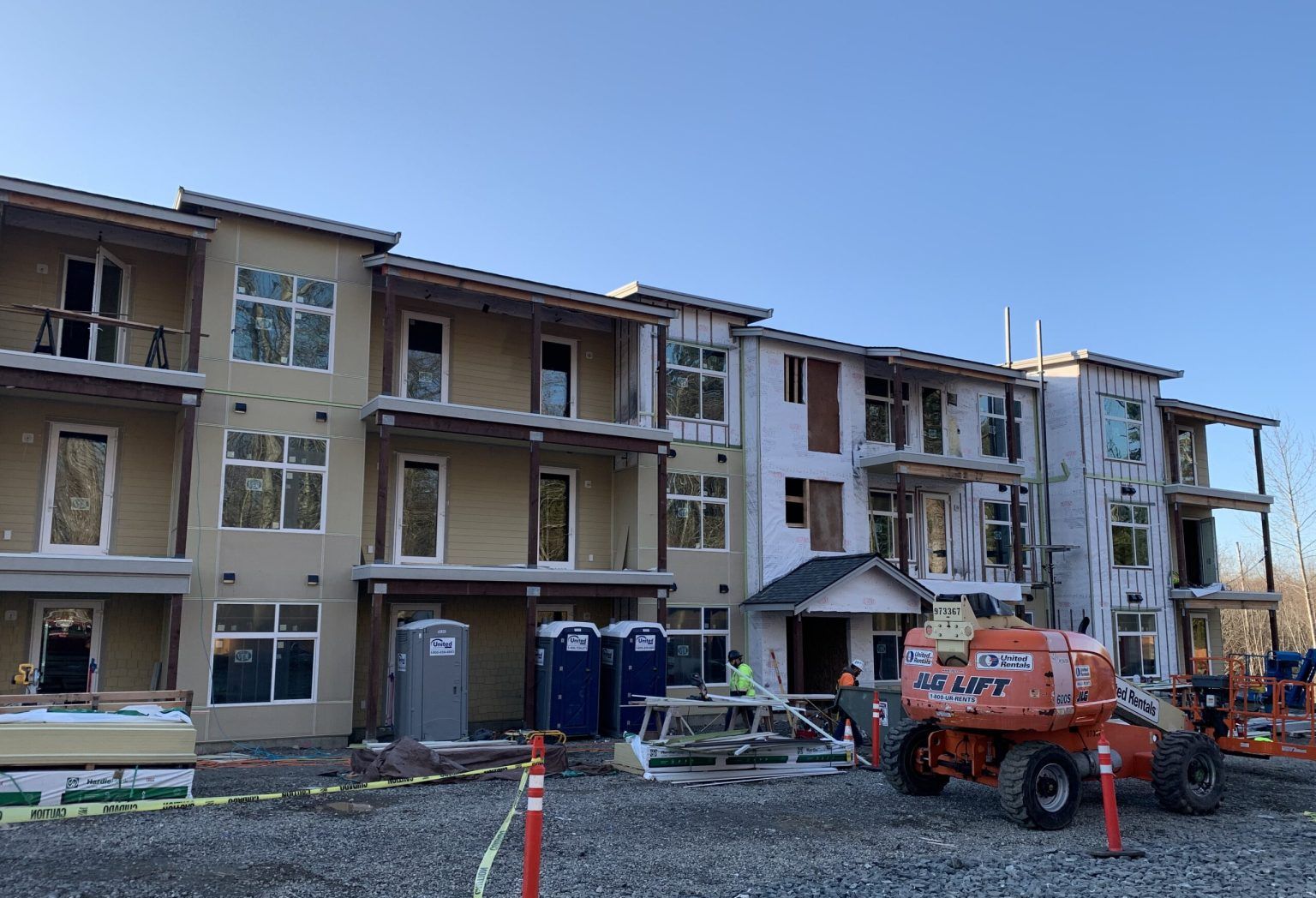
In Elfers, which is unincorporated, siding permits are issued by Pasco County Building Construction Services, not by a city hall — Elfers has no city government of its own. Almost any siding job beyond a small cosmetic patch — full replacement, recover over existing material, or repair of storm damage — requires a permit before work starts, because siding is part of the building envelope the county regulates for wind resistance and water intrusion.
Pasco County's Building Construction Services Department reviews and issues permits for all unincorporated areas, and Elfers falls squarely in that category — it sits between New Port Richey and Holiday along the Pithlachascotee River, close enough to the Gulf that county reviewers pay close attention to wind-borne debris exposure. When a contractor applies for a siding permit, the county checks the submitted product data against the Florida Building Code and against the specific product's Florida Product Approval number (or, in some cases, an accepted third-party evaluation report). This isn't paperwork for its own sake — it's how the county confirms that the siding, the fasteners, and the underlying weather-resistive barrier were actually engineered to survive the wind speeds this part of Pasco County is mapped for, and to shed wind-driven rain rather than let it track behind the cladding. A permit also creates a public record tied to the property, which matters later if a homeowner sells the house or files an insurance claim after a storm.
What counts as permit-triggering work is broader than most homeowners expect. Full tear-off and replacement obviously needs one. So does installing new siding over existing siding. Even repairing a damaged section — say, after a limb comes down in a summer thunderstorm — generally needs a permit once the repair goes beyond a very small, isolated area, because the replacement material and fastening pattern still have to meet current wind-load requirements even if the original siding predates them. The one thing that typically does not require a permit is minor cosmetic work that doesn't breach the weather barrier, like cleaning or caulking a seam. When in doubt, it's worth a call to the county or to a licensed contractor before assuming a job is small enough to skip the process.
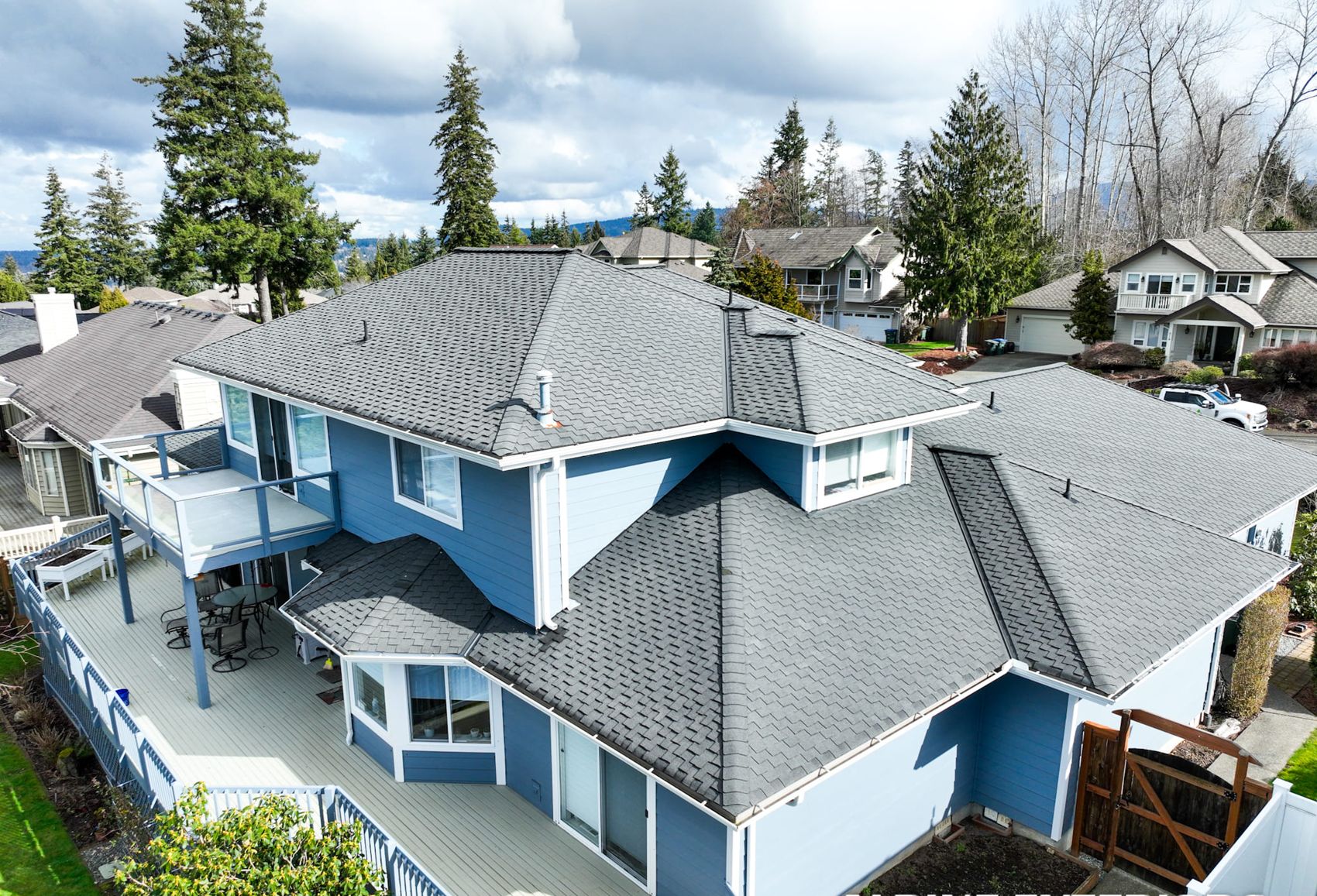
Elfers' location shapes the permit review in ways that inland parts of Florida don't deal with. The area's proximity to the Gulf means the county's wind maps assign it a meaningfully high design wind speed, and homes close enough to the coastline fall inside the wind-borne debris region, which affects what siding assemblies and fastening schedules will pass review. Salt-laden air off the Gulf also accelerates corrosion on fasteners and metal trim, so plans that spec the wrong hardware can get flagged or simply fail early. Beyond wind, Pasco County's climate brings sustained humidity for much of the year, and that moisture pressure is exactly why the county cares so much about the house wrap and flashing details underneath the visible siding — trapped moisture behind an improperly lapped weather barrier leads to mold and rot that isn't visible until it's already a structural problem. Intense, near year-round UV exposure also factors into which products hold their color and don't become brittle within a few years, though that's more a durability consideration than a code one. Subterranean termites are active throughout this part of Florida as well, and while termite treatment itself isn't part of a siding permit, a full re-side is a natural point to inspect and address any wood-to-soil contact or existing damage the removed siding was hiding — homeowners who skip that step sometimes find they've resided over a problem instead of fixing it.
Start by confirming the property is unincorporated Elfers rather than inside the boundary of a neighboring city like New Port Richey, since that determines which office actually issues the permit — Pasco County's Building Construction Services for unincorporated parcels, or the applicable city building department otherwise. From there, the practical path looks like this:
Alpine Exteriors handles the permit application and inspection scheduling as part of a siding project in Elfers and throughout Pasco County, so homeowners aren't the ones tracking down product approval paperwork or coordinating inspection windows.
No. Elfers is unincorporated, so it doesn't have a separate city building department — permits for siding work on Elfers properties go through Pasco County's Building Construction Services Department, the same office that handles permitting for most of unincorporated Pasco County.
In most cases, yes. Even a partial repair or single-wall replacement typically requires a permit in Pasco County once it goes beyond minor cosmetic patching, because the replacement material and installation still have to meet current Florida Building Code wind and water-resistance requirements, regardless of how much of the house it covers.
Most Pasco County siding permits call for an inspection of the underlying weather-resistive barrier and flashing before the new siding covers it, followed by a final inspection once installation is complete. Scheduling the in-progress inspection on time avoids having to expose finished work later if an inspector needs to see something that's already been covered.
It can, depending on what's installed and how it's documented. Some siding and envelope upgrades are relevant to the OIR-B1-1802 wind mitigation inspection insurers use to set windstorm premiums, so it's worth asking your insurance agent whether an updated inspection makes sense after the work is permitted and finaled.
Alpine Exteriors is a Florida-licensed siding contractor, RB29003900, serving Elfers as part of our Tampa Bay coverage area alongside New Port Richey, Tampa, Wesley Chapel, Lutz, Land O' Lakes, Plant City, and Zephyrhills. If you're weighing a full re-side, a storm-damage repair, or just want a straight answer on whether your project needs a Pasco County permit, contact Alpine Exteriors for a consultation and we'll walk you through the product options, the paperwork, and the inspection timeline before any work begins.