
If you own a home in Plant City, you already know this stretch of eastern Hillsborough County plays by its own rules. Summers bring long stretches of high humidity and sudden downpours, hurricane season pushes wind-driven rain sideways against exterior walls for hours at a time, and the Florida sun is intense enough to chalk and fade cheap siding well before its warranty runs out. All of that shapes what a siding replacement actually costs and what it should include. This guide lays out realistic ranges for Plant City, the local factors that move the number up or down, and what to look for so you can compare bids with confidence.
Siding replacement costs vary by material, the size and shape of the house, how much of the existing wall assembly needs repair once the old siding comes off, and how the project is priced. In Plant City, most full-house siding replacements land somewhere between a modest mid-range vinyl job and a full fiber cement re-side with structural repairs included. The table below breaks down the main cost drivers homeowners in this area typically weigh, shown as ranges rather than fixed figures, since every house and scope is different.
| Cost Factor | Typical Low End | Typical High End |
|---|---|---|
| Standard vinyl siding, wind-rated | Budget-friendly | Mid-range |
| Insulated vinyl siding | Mid-range | Upper-mid-range |
| Fiber cement siding (plank or panel) | Mid-range | High |
| Tear-off and disposal of old siding | Modest add-on | Significant add-on for multiple layers |
| Sheathing or rot repair (per affected area) | Small if isolated | Substantial if widespread |
| Trim, soffit, and fascia replacement | Modest | Considerable on ornate or two-story homes |
| Permitting and inspection fees | Small, set by the county | Small, set by the county |
Treat this as a way to understand where the money goes, not as a quote. The only way to get an actual number is a walk-through of your specific house, because two homes of the same square footage in Plant City can price out very differently depending on what's hiding under the existing siding.
A few conditions specific to this region consistently push estimates higher or lower than what homeowners see in national averages or in siding calculators built for other climates.
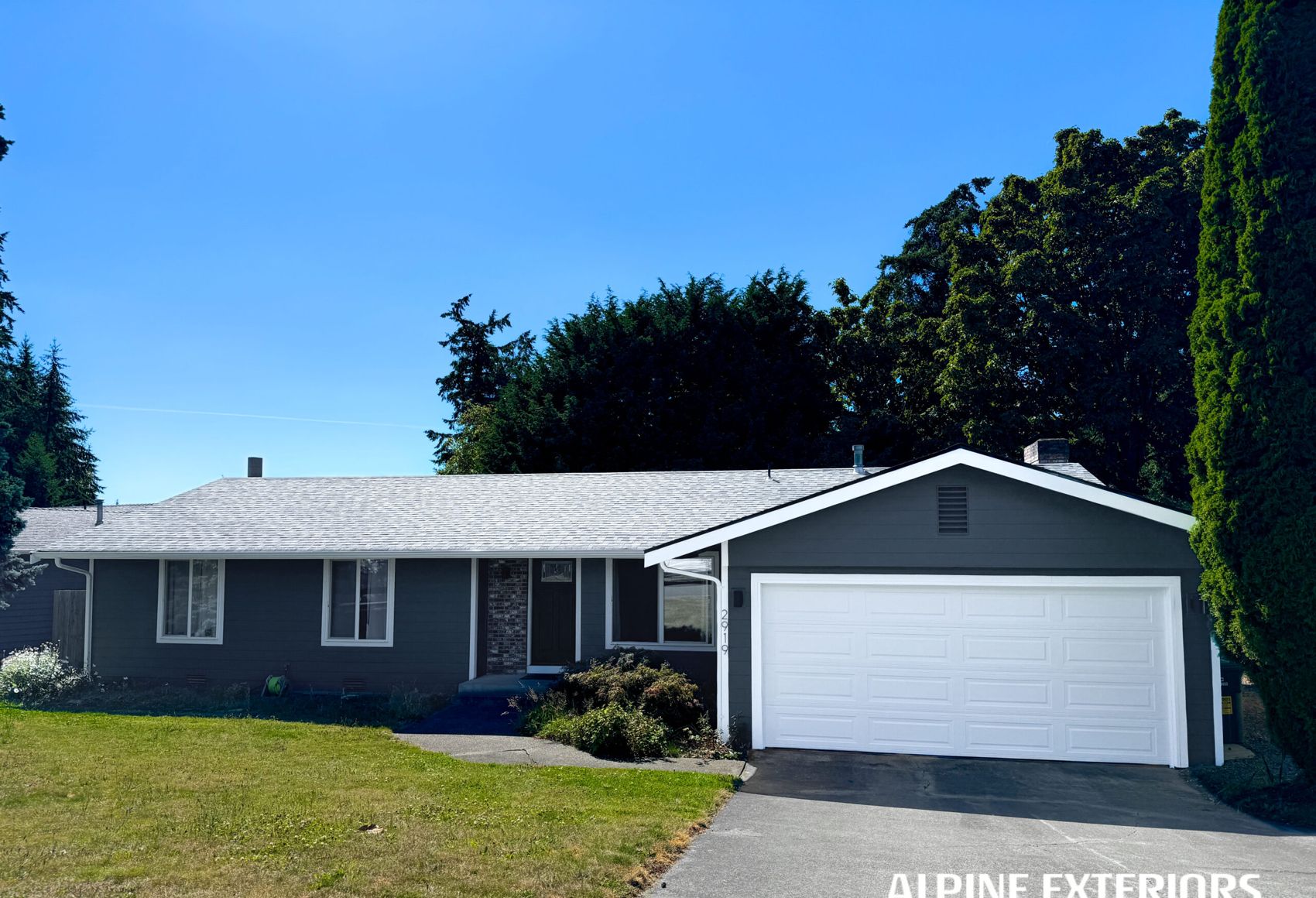
A complete, honest siding quote in this market should spell out more than just a material and a total price. Look for a written scope that covers:
Alpine Exteriors builds every Plant City proposal around this structure so homeowners can see exactly what they're paying for before work starts, rather than discovering gaps once the crew is on the roofline.
The biggest mistake homeowners make when shopping siding bids is comparing bottom-line totals from proposals that aren't scoped the same way. Before comparing price, line up the material brand and thickness, whether tear-off and disposal are included, whether repair work is a real allowance or an unstated assumption, and whether the fastening schedule meets the wind-rated product approval required in this part of Hillsborough County. A lower number that skips tear-off, uses an unrated product, or has no repair allowance isn't actually a lower price — it's a different and riskier scope.
It's also worth confirming state licensing directly. Florida contractors performing this kind of work should hold an active state license, which you can verify through the Florida Department of Business and Professional Regulation. Alpine Exteriors operates in Plant City under Florida contractor license RB29003900, and any legitimate contractor should be able to give you their license number without hesitation. Be cautious of anyone who can't produce one, who wants full payment before starting, who won't put the scope in writing, or who pressures you to sign the same day they knock on your door — a pattern that tends to show up after storms in this region.
Many homeowners finance a siding replacement rather than paying the full amount up front. Options generally include contractor-arranged financing plans, home equity lines of credit, and personal loans, and terms vary by lender and credit profile, so it's worth comparing more than one option rather than accepting the first offer.
On the insurance side, Florida homeowners' policies are closely tied to wind mitigation features, documented on the OIR-B1-1802 Uniform Mitigation Verification Inspection form. Siding itself isn't usually the headline item on that form the way roof shape or opening protection is, but code-compliant installation with proper product approval and fastening can matter if a wind claim is ever filed, since insurers may scrutinize whether exterior cladding was installed to the approved specification. Keep copies of your product approval documentation, permit, and final inspection paperwork with your insurance records — they're useful both for a mitigation review and for any future storm-related claim.
Most single-family homes take a range of days to a couple of weeks from tear-off to final trim, depending on house size, how much sheathing repair is needed, and weather delays, which are common during Florida's wet season. Homes with extensive rot repair or complex rooflines take longer than a straightforward ranch-style re-side.
It can play a role, but siding alone rarely drives a large premium change the way roof age or opening protection does. What matters more to insurers is documented, code-compliant installation, so keep your permit, product approval paperwork, and final inspection on file in case your insurer requests them during a policy review or after a wind mitigation inspection.
Yes, siding replacement typically requires a permit under the Florida Building Code, and the work must meet the wind-load requirements for this zone. A licensed contractor pulls the permit and schedules the required inspections, which protects you if there's ever a dispute over whether the work was done to code.
There isn't a single right answer for every home. Fiber cement tends to resist moisture, pests, and UV fading well but costs more and weighs more on the structure, while wind-rated vinyl and insulated vinyl are more budget-friendly and still perform well when installed to the correct product approval and fastening schedule. The right choice depends on your budget, your home's structure, and how long you plan to stay in the house.
Ranges are useful for planning, but the only way to know what your Plant City home will actually cost to re-side is a hands-on inspection that accounts for your home's size, current siding condition, and any hidden repair needs. Alpine Exteriors serves Plant City and the rest of Hillsborough County under Florida license RB29003900 and can walk your property, explain what's driving your specific estimate, and put the full scope in writing before any work begins. Reach out to schedule a no-pressure assessment and get a straightforward, itemized quote for your home.