
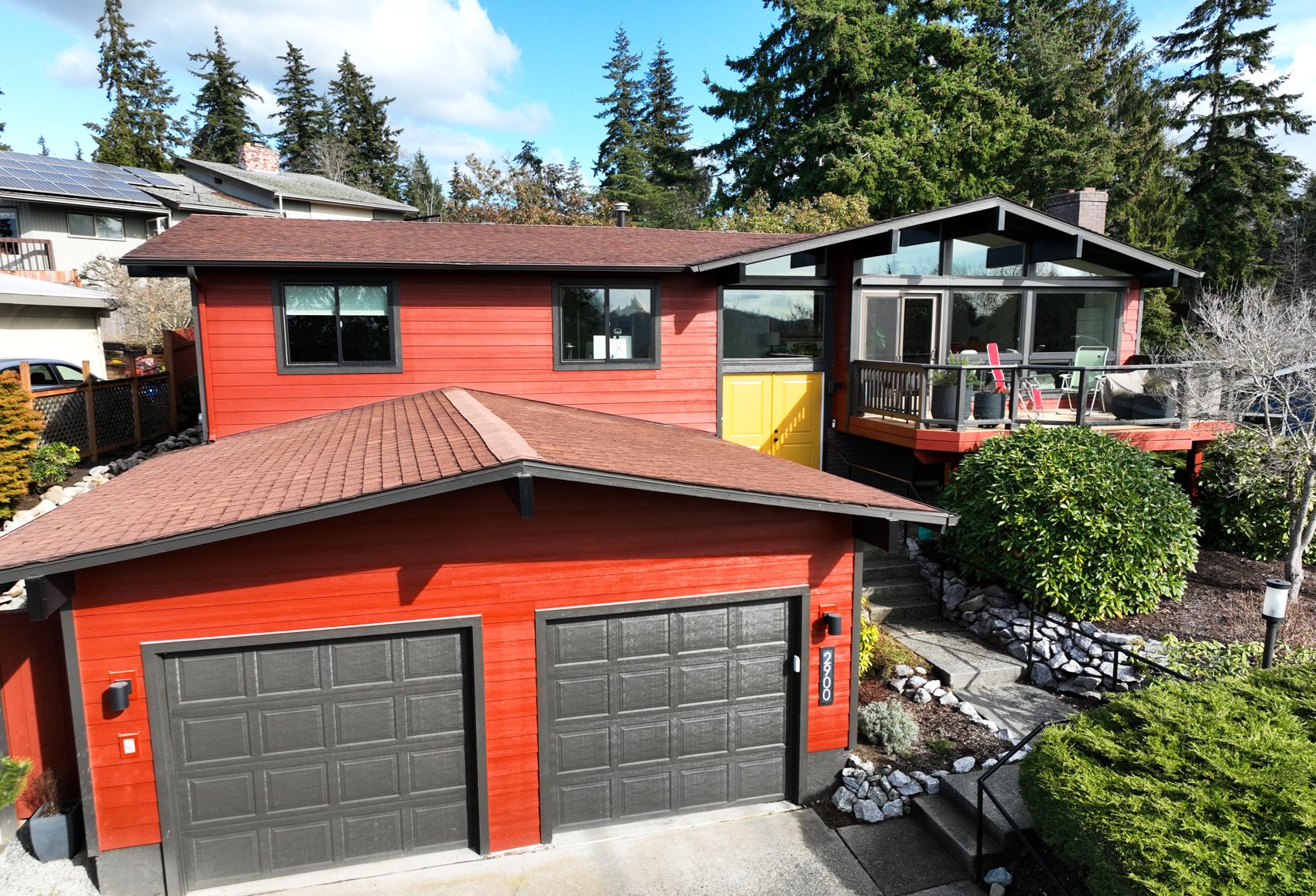
Stucco is one of the most common exterior finishes on Tampa Bay homes, from older bungalows in Plant City to newer construction in Wesley Chapel and Land O' Lakes. It handles our humidity better than some claddings when it's installed and maintained correctly, but it is not a low-maintenance, install-it-and-forget-it product in this climate. Between wind-driven rain during tropical storms, year-round humidity, and intense UV exposure, stucco systems here take a beating that stucco in a drier climate never sees. That affects both what a proper installation costs and how often repairs come up. Below are realistic ranges for Tampa Bay, what actually moves the number up or down, and how to read a quote so you're comparing apples to apples.
Stucco pricing in Tampa Bay varies more than most homeowners expect, mainly because "stucco" can mean a patch job, a full re-stucco over existing lath, or a complete tear-off and rebuild with a new drainage plane. House size, substrate condition, and how much of the old system has to come off before new material goes on all swing the total. The table below breaks out the main cost drivers with low and high regional ranges. Treat these as planning ranges, not a quote — every house is different once a contractor gets eyes on the walls.
| Cost Factor | Typical Low | Typical High | Notes |
|---|---|---|---|
| Traditional 3-coat stucco (new install, per sq ft) | $7 | $12 | Scratch, brown, and finish coat over new lath and drainage plane |
| Synthetic/EIFS-style finish system (per sq ft) | $8 | $14 | Foam-backed system; pricing depends on insulation thickness and detailing |
| Stucco repair / patch work (per repair area) | $300 | $1,500+ | Cost climbs fast if hidden rot or moisture damage is found once opened up |
| Full re-stucco of an average single-story home | $15,000 | $35,000+ | Includes tear-off, new lath/paper, and finish; larger or two-story homes run higher |
| Lath, paper, and drainage plane replacement | $3 | $6 | Per sq ft, when the substrate underneath needs to be rebuilt, not just the finish coat |
| Color/finish coat refresh (over sound existing stucco) | $3 | $6 | Per sq ft; only viable when the substrate has no cracking or water damage |
Most homeowners calling about stucco cost in Tampa Bay fall into one of two buckets: a targeted repair after storm damage or a stress-crack inspection, or a full re-stucco because the existing system has failed in multiple spots. The per-square-foot numbers above assume typical wall complexity — a home with lots of window trim, arches, or multi-story walls that need scaffolding will land toward the higher end regardless of which category it falls into.
A handful of region-specific factors push Tampa Bay stucco pricing around more than generic national estimates account for:
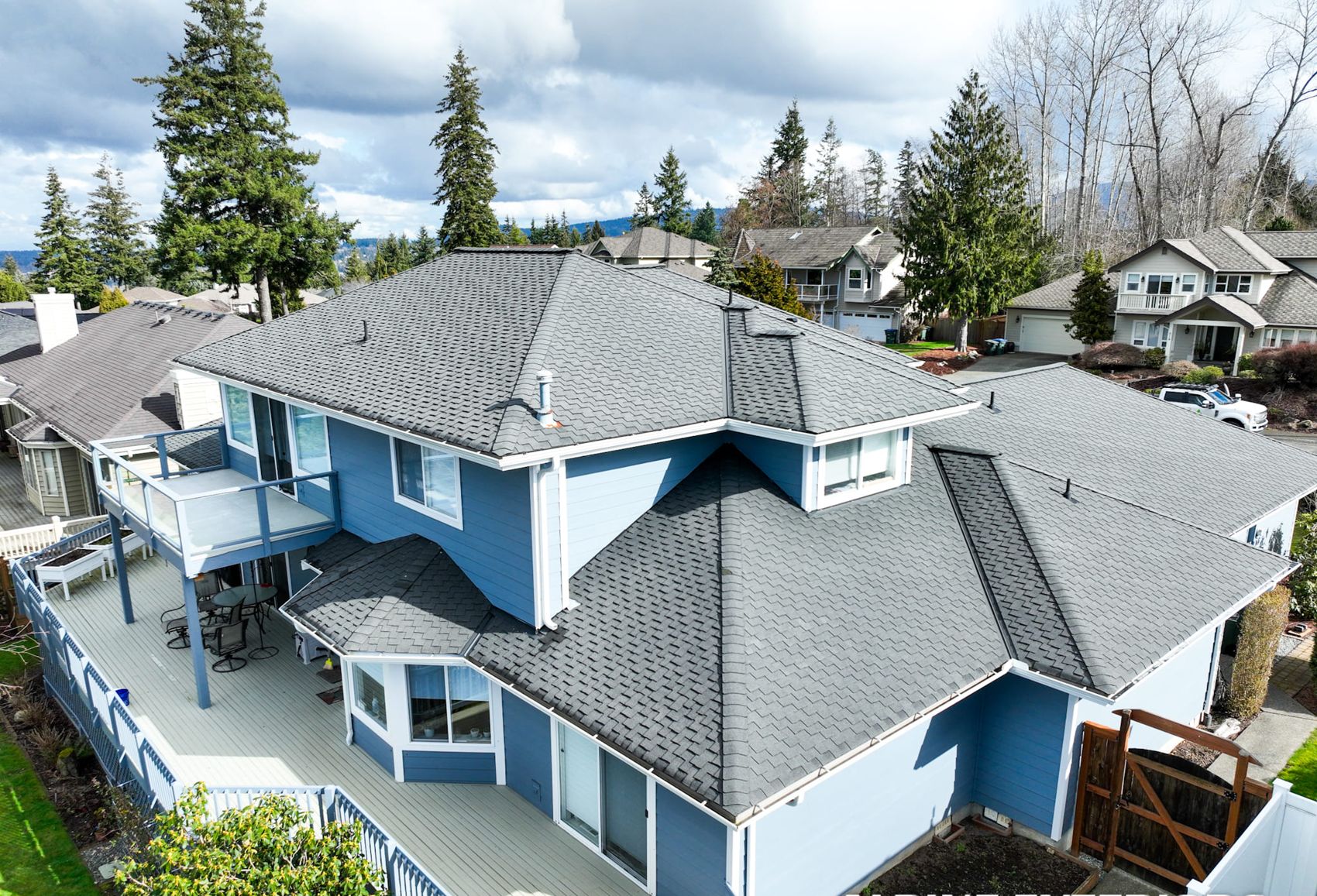
A stucco quote that's actually usable for comparison should spell out more than a bottom-line number. At minimum, look for:
The biggest mistake homeowners make with stucco quotes is comparing bottom-line totals without checking what's actually included. A quote that's several thousand dollars lower than the others is worth a second look — it usually means fewer coats, a thinner or uninsulated system, no drainage plane replacement, or fasteners and trim that skip the corrosion resistance this climate calls for. None of those show up on the surface of a finished wall, but they show up in how the wall performs during the next few storm seasons.
Ask each contractor to walk you through their scope line by line, not just their price. Get every quote in writing with the material brands and product lines named, not just "stucco system." And ask what happens if hidden damage is found once the old stucco comes off — a contractor who has a clear, pre-agreed process for change orders is more trustworthy than one who says "we'll figure it out." Alpine Exteriors builds that process into every proposal up front so there are no surprises mid-job.
Stucco work is a significant exterior investment, and most contractors, Alpine Exteriors included, can point homeowners toward financing options for larger re-stucco projects so the cost can be spread out rather than paid in one lump sum. Terms and availability vary by lender and by the homeower's credit profile, so ask for specifics during your estimate rather than assuming a particular rate or term.
On the insurance side, stucco condition can factor into a homeowner's windstorm coverage and premium in Florida. If your policy involves a wind mitigation inspection, the OIR-B1-1802 Uniform Mitigation Verification Inspection Form is the document insurers use to record wall construction type, opening protection, and other wind-resistance features — a well-documented stucco install with proper product approval paperwork can be relevant to that form. It's worth asking your insurance agent whether recent exterior work should be reported, since it sometimes affects premium calculations. Keep your contractor's invoices, product data sheets, and any Florida Product Approval numbers on file; they're the documentation an adjuster or agent will ask for if storm damage or a coverage question ever comes up.
Stucco can perform well here when it's installed as a complete system — sound substrate, an intact drainage plane, correctly detailed flashing, and, for synthetic systems, components carrying current Florida Product Approval for wind and water resistance. It is not inherently more or less storm-resistant than other claddings; performance comes down to installation quality and ongoing maintenance, particularly around windows, doors, and roof-to-wall transitions where wind-driven rain most often finds a way in.
This is common in our climate. A quote based on a visual inspection can only account for what's visible on the surface — cracking, staining, or bulging. Once a crew removes the damaged section, it's not unusual to find that humidity and past water intrusion have compromised the lath, paper, or wood sheathing underneath over a larger area than expected. A contractor should explain this possibility up front and have a clear process for pricing any additional repair before proceeding, rather than surprising you with a final invoice.
There's no fixed schedule that applies to every home — sun exposure, wall orientation, and the quality of the original finish coat all affect how long a stucco finish holds up before it needs recoating or mold/mildew treatment. Walls that face north or sit in heavy shade tend to show mildew growth sooner due to persistent humidity, while south- and west-facing walls tend to show UV fading first. Periodic inspection for hairline cracking is a better guide than a calendar date, since small cracks are far cheaper to seal than the water damage they can lead to if ignored.
It depends on the scope and the local jurisdiction — cosmetic patching of small cracks is often exempt, while larger repairs, full re-stucco, or work involving the wall's drainage plane or structural sheathing commonly require a permit under the Florida Building Code. Permit requirements and inspection processes vary by city and county across the Tampa Bay area, so it's worth confirming with your contractor which permits apply to your specific project rather than assuming based on a prior job.
Every stucco job in Tampa Bay is a little different once you account for the age of the house, the substrate underneath, and how much sun and rain that particular wall has taken over the years. The ranges above are a starting point for planning, not a substitute for someone looking at your actual walls. Alpine Exteriors serves homeowners throughout Tampa, Wesley Chapel, Lutz, Land O' Lakes, New Port Richey, Plant City, and Zephyrhills, and can walk your property, point out what's driving your specific cost, and put together a detailed written quote — so you know exactly what you're paying for before any work begins.