
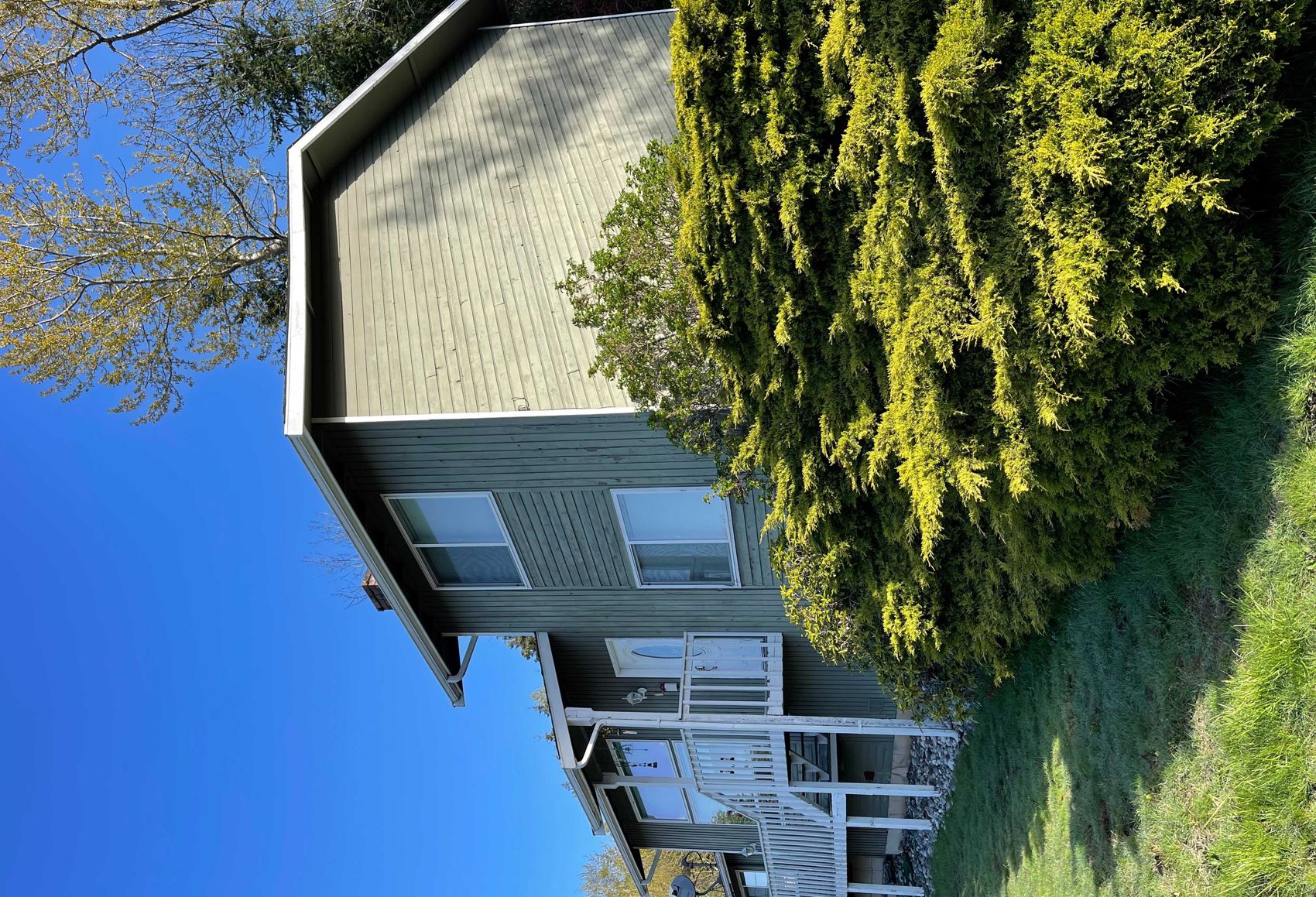
Avalon Park sits in the fast-growing corridor of Wesley Chapel, in Pasco County, where new construction and older ranch-style homes stand side by side under a climate that is genuinely hard on exterior siding. Summers here run long, hot, and humid, with afternoon thunderstorms that build almost daily from June through September. Those storms bring sudden gusts and heavy rain that drives sideways into wall assemblies, not just straight down onto the roof. During an active named storm, sustained wind pressure combined with wind-driven rain is the single biggest threat to a home's exterior envelope, and siding is the first line of defense.
Florida's building code addresses this directly. Siding products installed in this region are required to carry Florida Product Approval, which documents that a given panel, fastening pattern, and installation method has been tested to resist the wind loads assigned to the area under the Florida Building Code. That approval only protects a home, though, if the siding was actually installed to the tested specification and has been maintained since. A panel that is correctly rated on paper but loose at the nailing flange, gapped at a seam, or missing flashing at a window can still let water and wind pressure into the wall.
Beyond wind, this region's near-constant humidity keeps moisture in play year-round. Any water that gets behind siding does not dry out quickly, and that damp environment is exactly what supports mold and mildew growth on wall sheathing, as well as wood rot in fascia, trim, and furring strips. Central Florida is also home to established subterranean termite populations that are drawn to damp, wood-framed wall cavities behind siding, often doing damage that is invisible from the outside until a panel is removed. On top of all that, Pasco County's intense, nearly year-round UV exposure accelerates the breakdown of vinyl siding color and flexibility and dries out caulking and sealants faster than in milder climates. None of these conditions individually are dramatic, but together they mean siding here needs to be checked more often, and more carefully, than the same product would need in a cooler, drier part of the country.
Panels and surface
Fasteners, seams, and laps
Trim, corners, and flashing
Soffit, fascia, and eaves
Foundation line and bottom edge
Interior and attic signs

Not every failed item on this list means a full siding replacement, and it helps to sort what you find before deciding on next steps. Take photos of anything questionable, and note which side of the house it's on — south- and west-facing walls in this region tend to take the worst combination of UV exposure and afternoon storm wind, so problems there often need attention sooner. A single hairline crack in one panel or a bit of surface chalking is usually cosmetic and can be monitored. Loose fasteners, gapped seams, missing flashing, soil contact at the base of the wall, or any sign of mud tubes or interior staining should be treated as active issues, not items to revisit next season.
Resist the urge to simply caulk over a suspected leak point without understanding where the water is actually getting in — sealant applied over the wrong spot can trap moisture behind it and make hidden rot or mold worse rather than better. Ahead of an approaching storm, temporary measures like clearing soffit vents, trimming vegetation away from siding, and re-securing any obviously loose panels can reduce the odds of storm-driven water intrusion, but they are not a substitute for a proper repair once the weather clears. Any sign of pest activity, no matter how small, is worth acting on quickly given how established subterranean termites are throughout Pasco County.
A few isolated cosmetic items are often fine to keep an eye on yourself. It's time to bring in a licensed contractor when you find multiple failed items in the same area, any evidence of moisture inside the home, soft or rotted sheathing, or termite activity anywhere near the siding. Storm damage after a named tropical system or severe thunderstorm outbreak should also get a professional look promptly, both for the repair itself and because documentation matters if you file an insurance claim — many Florida homeowners insurance policies reference the OIR-B1-1802 wind mitigation inspection form, and keeping siding and flashing in good repair helps protect the standing of that documentation over time.
Repairs also need to match the original installation's Florida Product Approval and be fastened to the pattern the Florida Building Code requires for this area's wind loads — mismatched panels or improvised fastening can quietly undo the wind resistance the rest of the wall still has. Alpine Exteriors, FL contractor license RB29003900, inspects and repairs siding for homeowners throughout Wesley Chapel, Lutz, Land O' Lakes, New Port Richey, Plant City, Zephyrhills, and the greater Tampa area, and can tell you honestly whether a section needs a targeted repair or whether age and UV exposure mean full replacement is the more cost-effective path.
A walk-around inspection twice a year is a reasonable baseline for this area, once in late spring before hurricane season ramps up and once in late fall after the wettest months have passed. Homes with older siding, heavy tree cover, or a history of moisture issues may benefit from checking more often, since humidity and UV exposure here work on siding continuously rather than seasonally.
Yes. Before hurricane season, focus on fasteners, seams, and flashing since those are what typically fail first under wind-driven rain, and make sure nothing near the siding could become storm debris. After a storm or a period of sustained high wind, re-check the same areas along with the foundation line, since heavy rain can wash mulch or debris against the bottom edge and create new moisture-prone contact points.
Most of this checklist is designed for a homeowner to walk through without special tools — a visual check from the ground, a hand test on a few panels, and a look in the attic covers a lot of ground. Where it makes sense to bring in a professional is when you find something ambiguous, like a soft spot you can't fully assess, suspected termite activity, or any sign that water has reached the interior, since those situations often need equipment or experience to properly diagnose.
Well-maintained siding and flashing support the condition your home is in when a wind mitigation inspection is performed for the OIR-B1-1802 form, which Florida insurers use to help set windstorm premium discounts. Siding condition is only one factor among several on that form, so it's not a guarantee of a lower premium, but neglected siding with loose fasteners or open gaps works against you if storm damage is later disputed with an insurer.
If this checklist turned up more than a couple of concerns, or you'd simply rather have a trained eye go over your home before the next storm rolls through Pasco County, Alpine Exteriors is available to help. As a licensed Florida contractor (RB29003900) serving Tampa, Wesley Chapel, Lutz, Land O' Lakes, New Port Richey, Plant City, and Zephyrhills, Alpine Exteriors can walk your property, point out what's cosmetic versus what needs attention, and lay out honest repair or replacement options sized to your budget and your home's actual condition.