
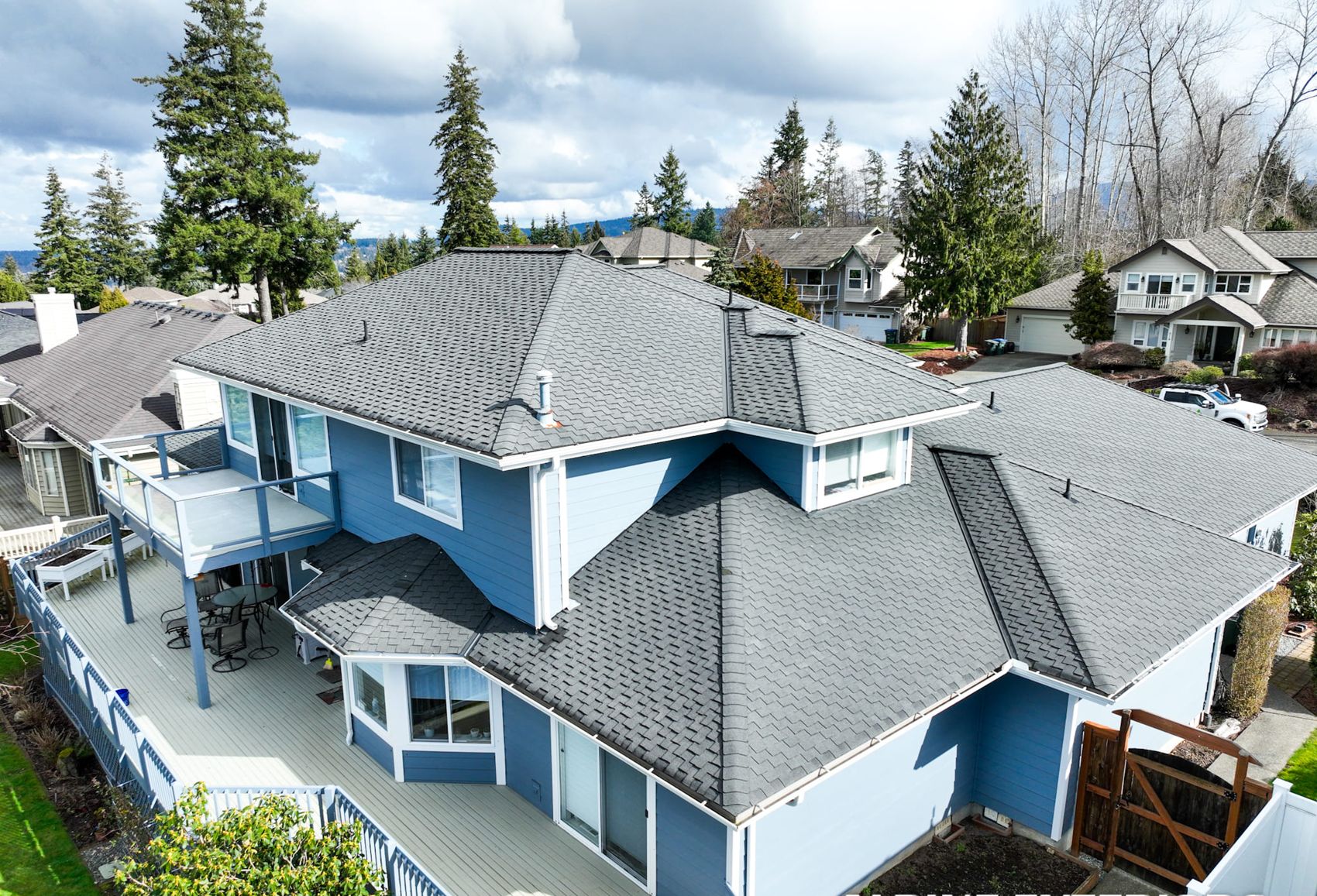
Homeowners in Seffner replacing siding almost always end up weighing the same two products: James Hardie fiber cement and vinyl. Both are sold by reputable installers, both show up on plenty of homes around Hillsborough County, and both can look good on day one. The differences show up over the next ten to thirty years, once Florida's heat, humidity, storm season, and building code requirements have had time to work on the material. This page walks through what actually separates them for a house in Seffner, not a generic national comparison.
If you want the longest service life, the best resistance to wind-driven rain during tropical storms, and a look that holds up to close inspection, James Hardie fiber cement is the stronger long-term choice for most Seffner homes, particularly on street-facing elevations and homes that get direct afternoon sun. If your priority is the lowest upfront cost, a faster install, and you're comfortable with a shorter replacement cycle, vinyl remains a reasonable option, especially on secondary elevations, rental properties, or homes where budget is the deciding factor. Neither product is wrong — the right pick depends on how long you plan to own the home, your budget for this project, and how much maintenance you want to do in the years between now and your next re-siding job.
James Hardie fiber cement siding is a blend of cement, sand, and cellulose fibers formed into planks, shingle-style panels, or vertical board-and-batten profiles. It's engineered specifically for hot, humid climates through the HardieZone system, and Gulf Coast Florida — including Hillsborough County — falls into the HZ5 zone, which is the formulation built to resist moisture intrusion, humidity swings, and pest pressure rather than freeze-thaw cycling that isn't relevant here.
The material itself doesn't burn, doesn't provide a food source for termites (a real consideration in Seffner, where subterranean termites are common in older wood-adjacent construction), and doesn't warp or buckle under direct Florida sun the way some plastics can over time. Because it's noncombustible and dense, it also holds paint and factory-baked ColorPlus finishes far longer than typical siding paint jobs, and it doesn't telegraph waviness or oil-canning under a low afternoon sun angle. The tradeoffs are real, though: fiber cement is heavier and more labor-intensive to install correctly, it must be cut and finished according to manufacturer specifications to keep the warranty intact, and the material cost plus labor puts it above vinyl on a per-square-foot basis.
Vinyl siding is an extruded PVC product, typically installed as overlapping horizontal panels, and it remains one of the most common re-siding choices in Florida because of price and installation speed. Modern impact- and wind-rated vinyl products have improved considerably, and many carry Florida Product Approval numbers that installers can match to a home's wind exposure category under the Florida Building Code.
Vinyl's real advantages are cost and simplicity — it's lighter, faster to install, never needs painting, and a straightforward vinyl job can often be completed in less time than a comparable fiber cement job. The drawbacks matter more in this climate than in milder ones. Intense, sustained Florida UV exposure causes standard vinyl to fade and, over enough years, become brittle, especially on south- and west-facing walls that take the most direct sun. Vinyl also has a lower heat-deflection point than fiber cement, so panels on walls near grills, dark-colored trim, or reflective low-E windows can occasionally warp. In sustained straight-line winds or the wind-driven rain that comes with tropical storms, lower-grade vinyl panels are more prone to losing their fastening at the top lock than fiber cement is to failing outright, which is why wind rating and installation method matter more than the base material grade alone.
| Factor | James Hardie Fiber Cement | Vinyl Siding |
|---|---|---|
| Installed cost | Higher material and labor cost per square foot; wider range depending on profile and trim detail | Lower material and labor cost per square foot; typically the more budget-friendly option upfront |
| Typical lifespan | Often exceeds 30-40 years with proper installation and periodic caulk/paint maintenance | Commonly in the 20-30 year range in Florida's UV and heat exposure, sometimes shorter on sun-heavy elevations |
| Maintenance | Occasional caulk joint inspection and repainting on non-ColorPlus finishes; otherwise low | Very low routine maintenance, but panels can't be spot-repainted, so fading is permanent until replaced |
| Appearance over time | Holds crisp lines and color well; resists warping and sagging under sun and heat | Can show waviness, chalking, or fading after years of intense sun exposure, particularly darker colors |
| Wind/storm performance | Dense material resists wind-driven rain intrusion; installed per code wind-load requirements | Performance varies widely by product grade and Florida Product Approval rating; fastening detail matters |
| Pest/moisture resistance | Not a food source for termites; resists moisture-related rot common in humid climates | Not a termite food source either, but seams and J-channels can trap moisture if not detailed correctly |
Seffner sits inland in Hillsborough County, which means the deciding factors for local homeowners are less about coastal salt exposure and more about sustained summer humidity, intense UV load across long, sunny stretches, subterranean termite pressure, and the wind and wind-driven rain that come through with tropical systems and seasonal severe weather. All siding installed here, vinyl or fiber cement, needs to meet the wind-load and water-intrusion provisions of the Florida Building Code, and the specific product used should carry a Florida Product Approval number appropriate to the home's wind exposure. Homeowners refinancing or shopping insurance should also know that either siding choice can factor into the OIR-B1-1802 wind mitigation inspection, since the underlying wall assembly and opening protection matter as much as the siding itself for that discount.
For a typical Seffner home — one built with a couple of decades of Florida sun already on it, sitting on a standard suburban lot without direct water frontage — Alpine Exteriors generally recommends James Hardie fiber cement for anyone planning to stay in the home for the long term or who wants the siding to still look tight and straight after 20+ Florida summers. The upfront cost premium is real, but it buys a material that isn't fighting the sun and humidity the way vinyl eventually does, and it holds paint and color far longer between refresh cycles. Vinyl remains a legitimate choice for homeowners with a firmer budget ceiling, for secondary structures, or for a home that's likely to be sold or renovated again within a decade or so — in that case, choosing a higher wind-rated vinyl product with proper Florida Product Approval documentation and correct installation detailing goes a long way toward closing the performance gap with fiber cement. Either way, the quality of the install — flashing, fastening pattern, and moisture management behind the panels — affects long-term performance in this climate as much as the base material does.
Yes, fiber cement typically costs more than vinyl both in material and labor, since it's heavier, requires specific cutting and fastening methods, and takes longer to install correctly. The gap varies by home size, trim complexity, and chosen profile, but homeowners should budget for a noticeably higher upfront number in exchange for the longer service life and lower long-term repainting or replacement frequency.
Siding material itself isn't the primary factor in most wind mitigation discounts, but the wall assembly, opening protection, and roof-to-wall connections captured on the OIR-B1-1802 wind mitigation inspection form matter to your insurer. A properly installed, code-compliant siding job with the correct Florida Product Approval rating supports the overall wind resistance of the home, and it's worth asking your installer to confirm the approval documentation for whichever product you choose.
It's not a bad choice outright, but it's more sensitive to Florida's sustained UV exposure and heat than fiber cement is. Higher-grade, thicker vinyl products with proper Florida Product Approval ratings hold up reasonably well, especially on shaded or north-facing elevations, but homeowners should expect more fading and a shorter realistic lifespan than fiber cement, particularly on sun-heavy walls.
Subterranean termites are common in Hillsborough County, and neither vinyl nor James Hardie fiber cement serves as a food source for them, which is a meaningful advantage over older wood lap siding still found on some Seffner homes. The bigger termite-related consideration is what's happening behind the siding — sheathing, trim, and framing — so a proper tear-off and inspection during installation matters more than the siding material itself for pest concerns.
Every Seffner home is different — sun exposure, wall orientation, age of the existing siding, and budget all shift the answer. Alpine Exteriors is a licensed Florida contractor (RB29003900) serving Seffner and the surrounding Tampa Bay area, and we can walk your specific home, point out where wind and moisture exposure matter most, and give you a clear, honest comparison of James Hardie and vinyl options with real cost ranges for your project. Reach out to schedule a siding evaluation and get a recommendation based on your actual house, not a generic average.