
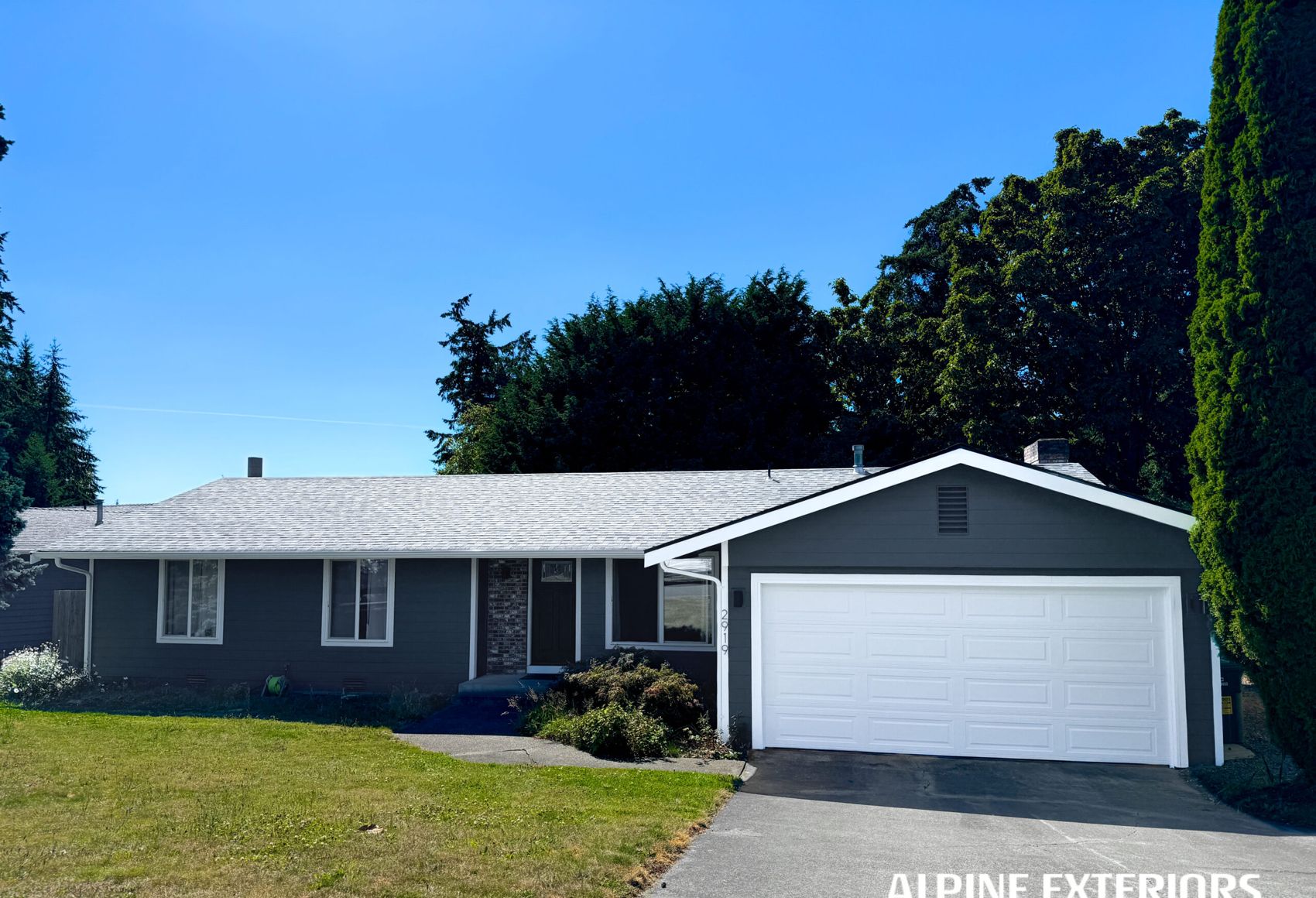
Connerton is one of the more distinctive neighborhoods we work in around Land O' Lakes — a master-planned community built around preserved wetlands, walking trails, and a New Urbanism street grid that puts front porches close to the sidewalk. That layout means your siding color isn't just seen from the street, it's seen up close, from a neighbor's porch thirty feet away, and against a backdrop of natural preserve green rather than tightly manicured turf. Add in a homeowners' association design review, Pasco County's sun and humidity, and Florida's hurricane wind-load requirements, and choosing a siding color here is a slightly different exercise than picking a color out of a fan deck. This guide walks through what actually holds up and looks right in Connerton, based on the projects Alpine Exteriors has installed and repaired across Tampa Bay.
For most Connerton homes, we steer clients toward light-reflective, low-chroma colors: warm whites, light greiges, soft dune tans, and muted blue-grays. These colors do three things well in this specific setting. First, they reflect rather than absorb intense Gulf Coast sun, which keeps vinyl and engineered wood siding dimensionally stable and slows fade. Second, they read as calm and harmonious against Connerton's preserve areas, mature oak canopy, and pastel-leaning streetscape, which tends to align with HOA architectural guidelines built around a cohesive, traditional-neighborhood look. Third, lighter colors are simply easier to get approved quickly, since most Connerton design review committees are matching new siding against an established palette of similar light tones already on the street. Deep charcoal, matte black, and saturated colors can still work as trim, shutters, or a front-door accent, but as a full-field siding color in this neighborhood they tend to create both a heat-absorption problem and an approval problem.
We're not ranking colors by trend or personal taste. The criteria below are the ones that actually determine whether a color choice holds up on a Connerton house five or ten years after installation:
Warm white is the safest, most consistently approved choice in Connerton, and for good reason. It reflects a large share of incoming solar energy, which helps keep panel temperatures down during Pasco County's hottest months, and it pairs naturally with the community's oak canopy and preserve views without competing against them. Warm white also tends to hide the early stages of pollen and light dust better than a stark, cool white, which shows every bit of surface grime in strong sun.
Pros: excellent solar reflectance, broad HOA acceptance, timeless resale appeal, forgiving of trim and roof color changes down the road.
Cons: shows mildew and algae growth more visibly than a mid-tone gray if gutters aren't maintained; can look flat or institutional without enough trim contrast or architectural detail to break it up.
Greige — the gray-beige blend — has become one of the most requested colors we install across Tampa Bay, and Connerton is no exception. It's light enough to perform well thermally and hold color under UV exposure, but it has more visual depth than plain white, which suits the more traditional, porch-forward architecture common in the neighborhood.
Pros: good sun reflectance without looking stark, hides light dirt and pollen better than pure white, tends to photograph and show well for resale, works with both warm and cool trim colors.
Cons: some greige formulations can drift slightly warmer or cooler over years of UV exposure depending on pigment quality, so it's worth asking your installer about the specific manufacturer's color-retention warranty rather than assuming all greiges perform equally.
Muted tan and 'dune' tones sit comfortably with Connerton's natural preserve backdrop and the sandy, native Florida landscaping many homeowners use in place of high-water turf. These tones read as grounded and low-key rather than bright, which some homeowners prefer over stark white.
Pros: blends well with native landscaping and preserve views, good solar reflectance in lighter shades, generally well received by architectural review committees looking for a traditional palette.
Cons: darker tan shades absorb more heat than lighter ones and can trend toward looking dated faster than gray or white if the rest of the exterior isn't updated alongside it; can look slightly monochrome against tan-toned driveways or block if there isn't enough contrast in the trim.
A muted, low-saturation blue-gray gives a Connerton home a slightly more coastal, updated feel without breaking from the neighborhood's overall palette. It works especially well on lots near the community's ponds and green corridors, where it echoes rather than clashes with the water and sky.
Pros: distinctive without being loud, good UV stability in most quality product lines, pairs well with white trim and darker roof tones.
Cons: because it's less common on the street than white or greige, it's worth confirming with the HOA architectural review process before ordering material, since some committees are more conservative about anything read as a 'cool' color; can look gray and flat under overcast light if the undertone is too neutral.
We do install darker colors in Connerton, but almost always as an accent — a front door, shutters, a gable feature, or a small architectural element — rather than as the primary siding field. Used this way, charcoal or black adds contrast and curb appeal without the drawbacks of covering an entire elevation in a heat-absorbing, fade-prone dark tone.
Pros: strong curb-appeal contrast in small doses, works well against light-field siding, doesn't create the heat-load issue that a full dark field does.
Cons: as a full-field color, dark tones absorb significantly more solar heat in Pasco County's climate, which can accelerate thermal expansion and coating wear on vinyl and some engineered products; darker colors also fade and chalk more visibly over time under sustained UV exposure, and they're more likely to draw a longer look during HOA design review in a community built around a lighter, traditional palette.
A few choices consistently cause problems for Connerton homeowners, either functionally or with the design review process:
Yes — like most master-planned communities in Pasco County, Connerton has an architectural review process that typically requires color approval before installation, and many sections work from an established palette of pre-approved or similar tones. We always recommend confirming your specific color with the HOA or architectural review committee before ordering material, and Alpine Exteriors can provide manufacturer color samples and spec sheets to make that submission straightforward.
Generally, yes. Lighter colors reflect more of the sun's energy rather than absorbing it, which keeps surface temperatures lower during Pasco County's long, intense summer sun exposure. That matters most for vinyl siding, where excess heat buildup can lead to expansion issues over time, but it also reduces the thermal stress that speeds up fading and coating breakdown on any siding material.
It depends heavily on the product, the pigment quality, and sun exposure on that particular elevation. South- and west-facing walls take the most direct UV load and will typically show fade first. Quality siding lines with strong UV-stable pigments and a manufacturer color-retention warranty hold their tone considerably longer than budget-grade products, which is one reason we walk clients through product-specific warranty terms, not just color swatches, before installation.
We install several product lines — vinyl, fiber cement, and engineered wood — and the right one depends on your home, budget, and HOA requirements. Whatever material you choose, it needs current Florida Product Approval and a wind-load rating appropriate for our area under the Florida Building Code, and it should be installed with proper flashing and water management details to handle wind-driven rain. Alpine Exteriors can walk you through which products, in which colors, are approved for your specific wind exposure.
Picking the right siding color for a Connerton home means balancing HOA guidelines, Pasco County's sun and humidity, and how a color will actually look against your lot's landscaping five or ten years from now — not just how it looks on a small sample chip. Alpine Exteriors, FL contractor license RB29003900, has installed and repaired siding across Tampa Bay, Wesley Chapel, Lutz, Land O' Lakes, New Port Richey, Plant City, and Zephyrhills, and we're familiar with Connerton's architectural review process and streetscape. Contact Alpine Exteriors for an on-site color consultation, product samples in real Florida daylight, and a straightforward quote before you submit anything to your HOA.