Best Siding Colors for Dover, FL Homes in Hillsborough County
Updated August 2026 · Alpine Exteriors · FL contractor license RB29003900
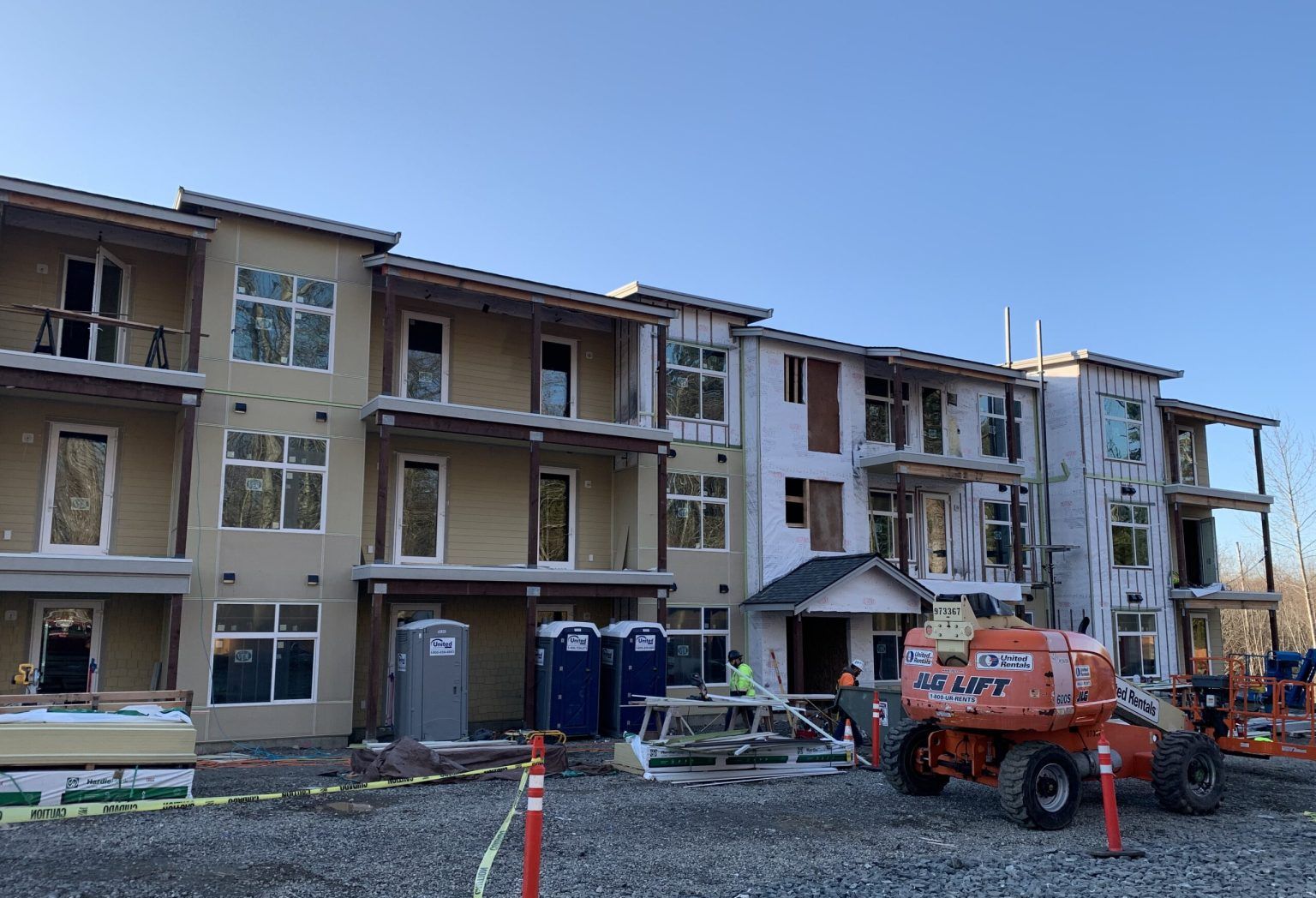
Dover sits in the farmland and oak-canopy stretch of eastern Hillsborough County, between Plant City and the growing subdivisions closer to Tampa. That mix of rural surroundings and newer platted neighborhoods makes color selection a little different here than in a dense subdivision or a downtown Tampa infill lot. The siding on a Dover home has to hold up to long stretches of direct Florida sun, sit comfortably next to pasture, citrus rows, and mature oaks, and in many newer developments still satisfy a homeowners' association or deed-restriction color list. Alpine Exteriors has installed and repaired siding across this stretch of Hillsborough County long enough to have a real opinion on which colors earn their keep here and which ones cause callbacks. This guide lays out our honest picks, the reasoning behind them, and what we'd steer you away from.
The Short Answer: Our Top Picks for This Region
For most Dover homes, we point clients toward warm neutrals and soft mid-tone grays rather than anything at the extreme ends of the light-to-dark spectrum. These families of color reflect enough solar heat to reduce panel stress, hide everyday dust and pollen film between washings, and read as timeless rather than trendy when it's time to sell. Our short list, in order of how often we actually recommend them:
- Warm greige or taupe — the most versatile option for brick, stone, or landscaping accents common in this area.
- Soft sandstone or wheat — pairs naturally with the farmland and oak-shaded lots typical around Dover.
- Classic light gray — clean, modern, and forgiving of pollen and mildew film between cleanings.
- Muted blue-gray — a quieter alternative to gray with a little more personality, without reading as a bold statement color.
- Warm white or linen — works well on farmhouse-style builds, though it needs the most upkeep of this group.
None of these are exotic choices, and that's intentional. In a climate this demanding, the siding color that looks best in year ten is usually the one that wasn't chasing a trend in year one.
How We Judged: The Criteria That Matter Here
We didn't pick these colors off a swatch card. Every recommendation on this page was weighed against conditions that actually affect siding in Dover and the surrounding Tampa Bay area:
- UV exposure and fade resistance. Central Florida sun is intense and consistent nearly year-round. Pigments that hold up in milder climates can visibly fade or chalk here within a few years, especially on south- and west-facing walls with little tree cover.
- Heat absorption and panel performance. Vinyl and other siding profiles carry manufacturer heat-absorption limits tied to color, because dark panels can expand, warp, or bow under direct Florida sun. Some darker colors are only offered on specific reinforced or impact-modified profiles, and using the wrong color on the wrong profile can affect the manufacturer's warranty.
- Humidity and mildew pressure. Florida's humidity supports mildew and algae growth on any exterior surface, siding included. Certain colors show these organic stains faster than others, which matters if you're not planning to pressure-wash annually.
- Wind-rated products and code compliance. Siding installed in Hillsborough County has to meet Florida Building Code wind-load requirements and carry a valid Florida Product Approval for the wind zone. This mostly governs the panel and fastening system rather than color, but it does mean your color choices are sometimes limited to what's available in a wind-rated version of a given profile.
- HOA and deed-restriction norms. Dover has a mix of unrestricted rural parcels and newer platted communities with HOAs or architectural review. Where a review board exists, it typically favors a defined, muted palette — which lines up well with what performs best here anyway.
- Fit with the landscape. Dover's visual character leans rural — oak canopy, pasture, citrus, and open sky — rather than dense urban infill. Colors that read as natural and warm tend to sit better on these lots than stark, high-contrast choices.
Siding Colors We Recommend for Dover Homes
Warm Greige or Taupe
Greige — the gray-beige hybrid — is our most-recommended color for Dover clients, and for good reason. It's light enough to reflect a meaningful amount of solar heat, warm enough to complement brick, tan concrete driveways, and the reddish soil common in this part of the county, and neutral enough to clear almost any HOA color list without debate.
- Pros: Reflects heat well, ages gracefully, pairs with nearly any roof or trim color, holds resale value.
- Cons: Can read as slightly plain or expected; on homes with very little architectural detail it can look flat without contrasting trim or shutters.
Soft Sandstone or Wheat
This warmer tan family echoes the surrounding farmland and pairs naturally with oak canopy shade. It's a strong fit for the more rural, larger-lot properties around Dover.
- Pros: Blends with the natural landscape, hides dust and pollen film longer than gray tones, generally well received by architectural review boards.
- Cons: Can look dated if paired with an outdated roof color; some sandstone tones shift slightly warmer or yellower after several years of UV exposure, so it's worth asking your installer about the fade rating for the specific product.
Classic Light Gray
Light gray remains popular across Hillsborough County subdivisions for a reason — it's clean, contemporary without being trendy, and forgiving of the pollen and organic film that Florida humidity generates between washings.
- Pros: Reflects heat well, pairs easily with white or black trim, doesn't visually date as fast as warmer trend colors.
- Cons: Very light grays can show mildew streaking in shaded, humid areas of the house (typically the north side or under heavy tree cover) faster than warmer tones; requires more regular washing in those spots.
Muted Blue-Gray
A soft, desaturated blue-gray gives a house more personality than a plain gray without venturing into bold territory. It works especially well on farmhouse or craftsman-style builds.
- Pros: Distinctive without being loud, still reflects a reasonable amount of heat if kept in the lighter-value range, generally HOA-friendly since it reads as a neutral rather than an accent color.
- Cons: Deeper or more saturated blue-grays absorb more heat and may push into the darker color tiers that come with panel restrictions; stick to the lighter end of this family in full-sun locations.
Muted Sage or Olive Green
A desaturated, earthy green can look genuinely striking against Dover's oak trees and open fields, and it's a color we're seeing more requests for. We recommend it with more caution than the others on this list.
- Pros: Distinctive, blends with mature landscaping, sets a home apart in a subdivision full of tan and gray houses.
- Cons: Green tones are among the more likely colors to face HOA pushback or require special approval in restricted communities; mid-tone greens can also show fading unevenly on sun-exposed elevations, so it's worth confirming the manufacturer's fade warranty before committing.
Warm White or Linen
A soft, warm white — not a stark, cool white — suits farmhouse-style homes well and is common on newer construction around Dover.
- Pros: Timeless, brightens a shaded lot, pairs well with black or navy accents.
- Cons: Shows dirt, pollen, and mildew streaking faster than any other color on this list in Florida's humidity, and needs the most frequent washing to stay looking clean. Not the right choice if you're not planning to maintain it.
What to Avoid in Dover and Why
Just as important as what to choose is what to steer away from, based on what we actually see fail or draw complaints in this climate.
- True black or very deep charcoal. These colors absorb the most solar heat of any option, and on standard vinyl siding that heat load can contribute to warping or bowing over time even when the product is rated for darker tones. If you want a dark, dramatic look, that's usually better reserved for accents, shutters, or a small architectural feature rather than full-field siding under direct Florida sun.
- Stark, cool-toned white. Beyond the maintenance issue noted above, a very bright white can also create noticeable glare against Dover's open, sunny lots, and it tends to show every streak of red Florida clay or lawn irrigation overspray.
- Ultra-saturated trend colors. Deep navy, bold red, or high-saturation accent colors as a primary siding field often run into HOA or architectural review resistance in the newer Dover-area communities, and they tend to date a home faster than a neutral would. They're also more prone to visible fading on the sun-facing elevations, creating an uneven look between walls.
- Mismatching color tier to product. Not every siding profile is rated for every color, particularly darker ones, because of the heat-absorption issue mentioned earlier. Choosing a color outside what the manufacturer approves for that specific profile can affect your warranty coverage — always confirm the approved color range for the exact product before finalizing a choice.
FAQ
Does siding color actually affect my cooling bills in Dover's heat?
It can play a role, though it's rarely the single biggest factor in your energy bill compared to attic insulation, window performance, and HVAC efficiency. Lighter colors reflect more solar radiation and stay cooler to the touch than dark colors, which can modestly reduce heat transfer into the wall cavity on the sun-facing sides of the house. The effect is real but incremental — choose a color you'll be happy with long-term, and treat heat reflectance as a tiebreaker rather than the deciding factor.
Will a dark siding color void my warranty or violate code in Hillsborough County?
Dark colors alone don't violate the Florida Building Code — code compliance for siding here is mainly about wind rating and having a valid Florida Product Approval for the installed system, not about color. Warranties are a different matter: many siding manufacturers restrict their darkest color options to specific reinforced or impact-modified profiles because of heat-related expansion. If you want a dark color, ask your contractor to confirm it's approved for the exact product being installed, not just offered somewhere in that manufacturer's catalog.
What colors are most likely to clear HOA or deed-restriction review in my Dover neighborhood?
Requirements vary by community, since Dover includes both unrestricted rural parcels and newer platted subdivisions with active architectural review. As a general pattern, greiges, tans, light-to-mid grays, and muted blue-grays are the least likely to draw questions, while bold, highly saturated, or unusual colors like deep green or navy are the most likely to need special approval or be rejected outright. Always check your specific HOA's approved palette before ordering material — it will save you a change order later.
How long before my siding color starts to fade or chalk in this climate?
It depends heavily on the product, the pigment technology used, and how much direct sun a given wall gets — a west-facing wall with no tree cover will always fade faster than a shaded north wall. Quality siding products sold today generally include a fade warranty from the manufacturer, and it's worth reviewing that warranty's specific terms rather than relying on a general estimate, since coverage and expected color-retention timelines vary by product line.
Ready to Choose the Right Siding Color for Your Home?
Picking a siding color in Dover means weighing sun exposure, HOA rules, and how a color will actually hold up against Hillsborough County's climate — not just what looks good on a small paint chip. Alpine Exteriors, Florida-licensed contractor RB29003900, works with homeowners throughout Dover and the wider Tampa Bay area — including Tampa, Wesley Chapel, Lutz, Land O' Lakes, New Port Richey, Plant City, and Zephyrhills — to walk through real, full-size siding samples against your home's actual roof, trim, and lot before you commit. Reach out to Alpine Exteriors for a consultation, and we'll help you land on a color that still looks right in ten years, not just ten days.
Want a straight answer for your home? Alpine Exteriors gives free on-site assessments across Tampa, Wesley Chapel, Lutz, Land O' Lakes, New Port Richey, Plant City and Zephyrhills.
Call (813) 742-6348 or
request an estimate.