
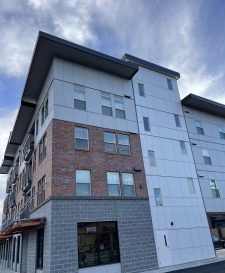
Richland sits in the inland stretch of Pasco County, where new rooftop growth around Zephyrhills and Wesley Chapel butts up against older pasture land, oak hammocks, and citrus groves. That mix creates a specific set of conditions for exterior color: full, unfiltered Florida sun for most of the day, high humidity that feeds mildew and algae on north-facing walls, and a landscape that swings between open agricultural fields and tightly landscaped new-construction subdivisions with their own color rules. A color that looks sharp on a builder's rendering in Ohio does not always hold up the same way once it has spent a few summers baking under a Pasco County sky. Below is our honest read on what works here, what doesn't, and why — based on how siding actually performs in this part of Florida, not just how it looks on a sample chip.
For most Richland homes, the safest and best-performing choices are warm, muted neutrals — light-to-mid greige, soft dove white, and warm taupe — used as the field color, with a slightly deeper tone reserved for shutters, trim, or an accent gable. These colors reflect more heat than dark tones, show dirt and pollen streaking less than stark white, and blend with both the rural, tree-lined lots common around Richland and the coordinated palettes used in newer HOA communities nearby. If you want more personality, a muted sage green or soft blue-gray works well as a full-body color on homes with mature oak canopy, since the shade from the trees reduces some of the fade pressure that direct-sun walls face. What we steer people away from is anything very dark or very saturated as a primary color — not because it looks bad, but because of how Florida sun and humidity treat it over years, which we get into below.
We didn't pick these colors on looks alone. For a Pasco County property, four things matter more than trend or personal taste:
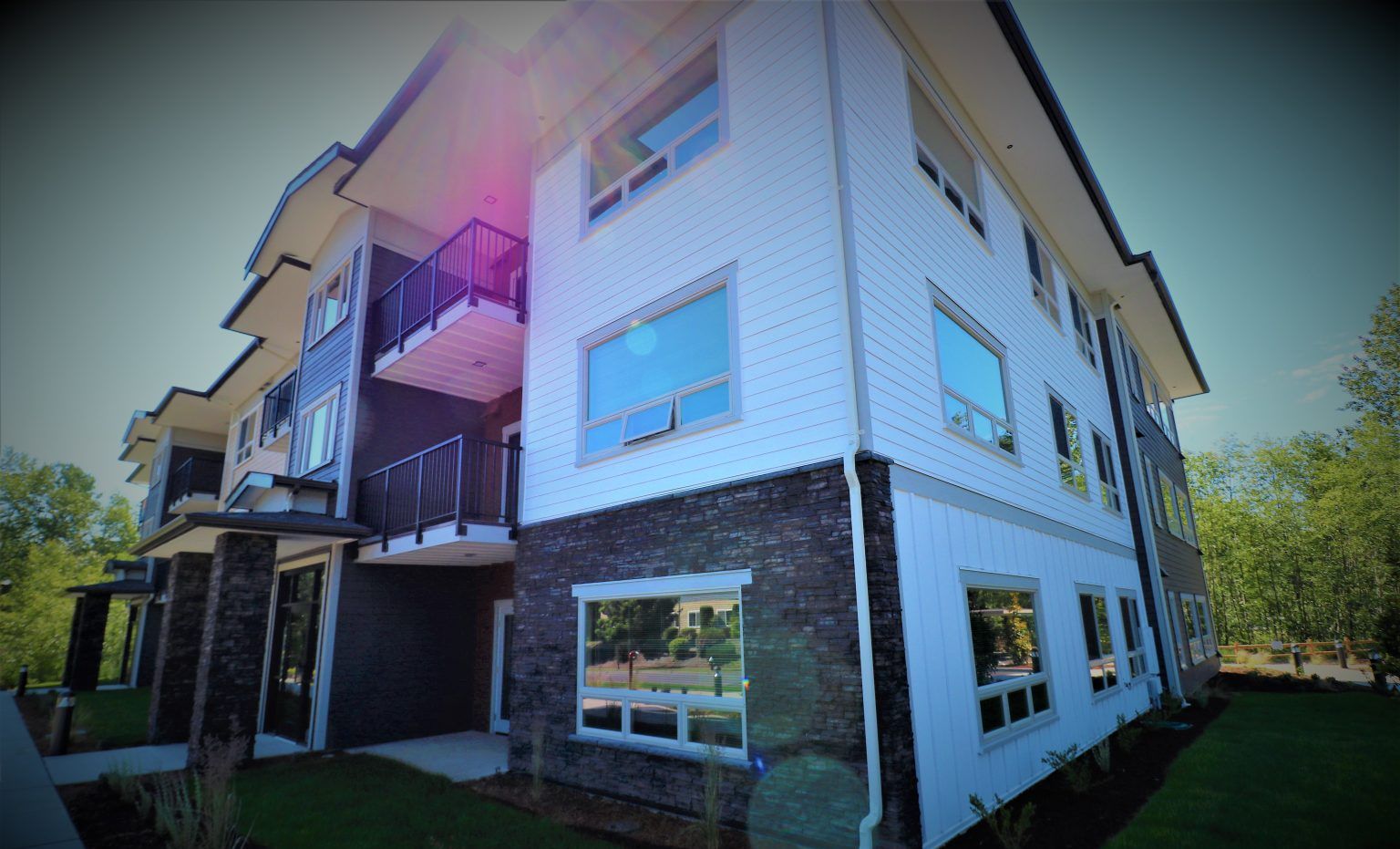
This is the workhorse choice across most of Tampa Bay's suburban growth corridors, and for good reason. Greige (a gray-beige blend) and warm taupe read as neutral without going stark, coordinate easily with brick, stone, or paver accents already on the lot, and tend to hide pollen film and light dust between washes better than pure white.
Pros: Wide resale appeal, forgiving of dirt and pollen, generally within the approved range for most Pasco County HOA palettes, moderate heat absorption compared to darker tones.
Cons: Can look flat without contrasting trim or shutters; in certain light, cheaper greige products can read slightly green or pink depending on the undertone, so it's worth viewing a large sample panel outdoors, not just a paint chip indoors.
Not stark, bright white — a warmer, slightly muted white reads better against Richland's green landscape and doesn't glare under direct sun the way a cool, blue-white can.
Pros: Reflects the most heat of any option here, which can modestly ease attic and wall temperatures on full-sun exposures; classic look that ages well; easy to match trim and accent colors later.
Cons: Shows mildew, algae streaking, and roof runoff staining more visibly than a mid-tone color, especially on shaded north walls — expect to wash it more often to keep it looking clean; can look institutional without enough architectural detail or landscaping to break it up.
On lots with mature oak cover — common in the older, more established pockets around Richland — a muted, grayed-down green can look genuinely at home, echoing the surrounding tree canopy rather than fighting it.
Pros: Distinctive without being loud; the partial shade from tree cover reduces UV load compared to a fully sun-exposed wall, which can help the color hold longer; pairs well with natural wood-tone accents or stone.
Cons: On a lot without much tree cover, a saturated green will fade faster and unevenly across sun-exposed versus shaded elevations; some newer HOA palettes lean more toward neutrals and may not include green as an approved primary color, so this one is worth confirming with the community guidelines before ordering material.
A cooler, desaturated blue-gray gives a clean, current look without going into deep, high-heat-absorption territory.
Pros: Reads fresh and current; performs reasonably well against fade since it's a lighter value even though it carries color; a strong pairing with white trim and black or bronze hardware.
Cons: Blue tones can shift subtly as pigment ages, sometimes drifting slightly gray over years, which matters if you're doing a partial replacement later and trying to match existing panels; not every HOA palette in the newer Pasco developments includes blue as an approved body color, so check first.
We get asked about this one often because it photographs beautifully. As a full-body color on a Richland home, we're honest that it's a harder sell here than in cooler climates.
Pros: Strong, modern curb appeal; excellent as an accent on a garage, gable, front door surround, or shutters where it's a small surface area.
Cons: Absorbs significantly more solar heat than lighter colors, which is exactly the concern manufacturer heat-warranty limits and Florida Product Approval color restrictions are built around for vinyl siding; fiber cement handles the heat load better, but the color itself will still show UV fade and chalking sooner than a lighter tone since dark pigments break down faster under intense sun. As a full field color across large sun-exposed elevations, we generally recommend it only on fiber cement or engineered products rated for it, not as a first choice for most Richland homes.
No — wind rating and Florida Building Code compliance are tied to the siding product, its installation method, and its Florida Product Approval documentation, not the color itself. That said, some manufacturers do limit how dark a color can be within a given product line because of heat-related warping concerns, so the color you want can sometimes narrow which approved products are available to you. It's worth confirming both the wind rating and the color options together before finalizing a choice.
Generally, yes. Darker, more saturated pigments absorb more UV energy and tend to show fading, chalking, or color shift sooner than lighter, muted tones, especially on fully sun-exposed elevations. Homes with heavy tree cover see less of this effect than open lots, but it's still a factor worth weighing if you're set on a deep color as your primary siding tone.
Many of the newer platted communities around Richland, Wesley Chapel, and the surrounding growth corridor do maintain approved exterior color palettes, while older unincorporated lots in the area typically don't have those restrictions. Since this varies by community and can change with amended covenants, we recommend checking your HOA's current architectural guidelines before ordering material, rather than assuming your first-choice color is pre-approved.
Somewhat. Very light colors like stark white show mildew, algae, and pollen staining more visibly and may need washing more often to look clean, while very dark colors show fading and chalking more visibly over time. Mid-tone neutrals like greige and taupe tend to split the difference, hiding light dirt reasonably well while aging more evenly than deeply saturated colors.
Picking a siding color in Richland means weighing sun exposure, tree cover, your lot's HOA guidelines if any apply, and how the product itself is rated to handle Florida's climate — not just what looks good on a sample board. Alpine Exteriors, Florida-licensed contractor RB29003900, works with homeowners throughout Pasco County and the greater Tampa Bay area to match a siding color and product to the actual conditions on your lot. If you're planning a siding project in Richland, Wesley Chapel, Land O' Lakes, or anywhere nearby, reach out to Alpine Exteriors for an on-site color consultation and a straight answer on what will hold up on your specific home.