Best Siding Colors for Homes in San Antonio, Pasco County, FL
Updated August 2026 · Alpine Exteriors · FL contractor license RB29003900
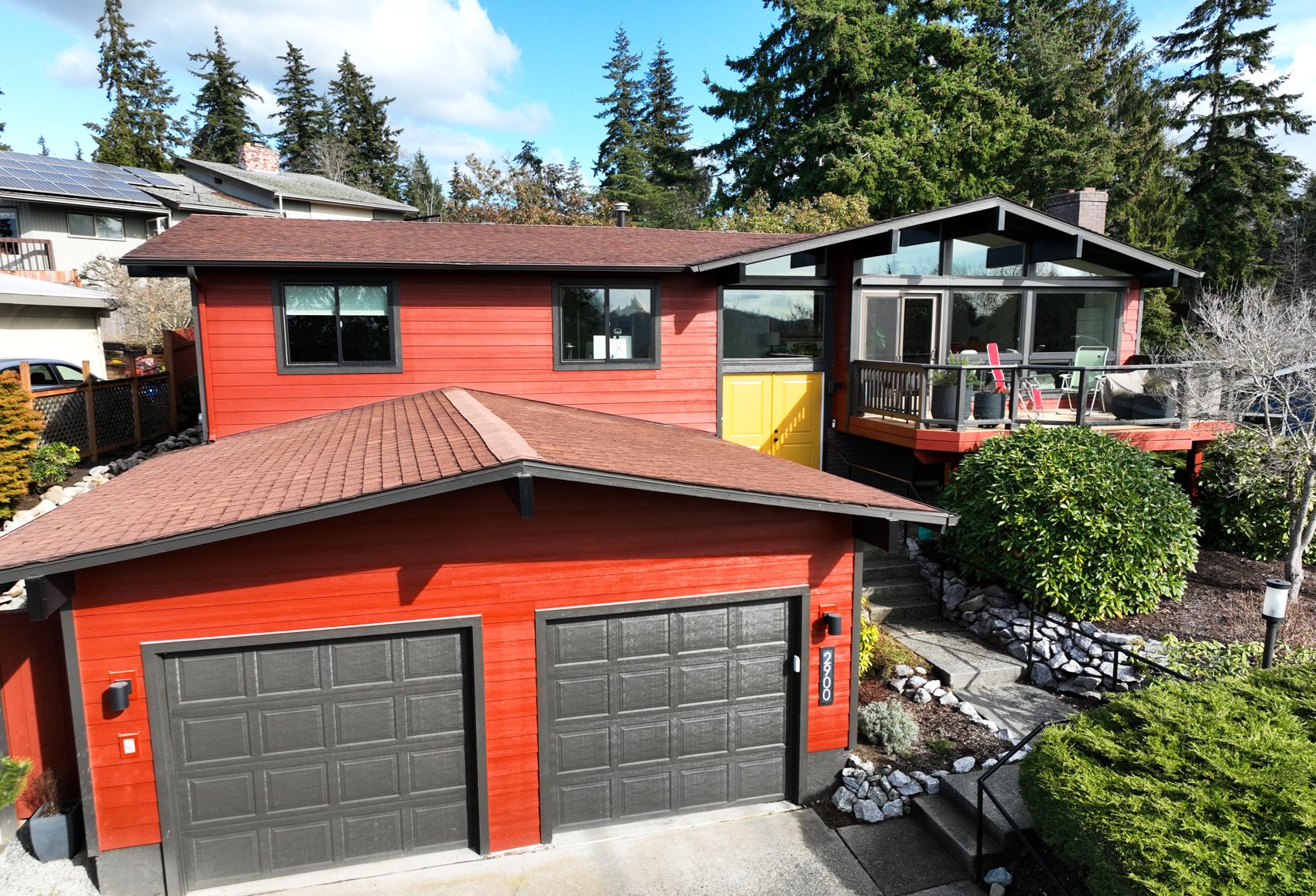
San Antonio sits inland from the Tampa Bay coastline, tucked among rolling pasture, oak hammocks, and the newer master-planned communities pushing east from Wesley Chapel. That setting creates a specific set of siding-color problems that don't show up in glossy national color guides. The sun angle here is brutal for roughly nine months of the year, afternoon humidity holds onto every north-facing wall long after a storm passes, and a growing share of San Antonio's newer subdivisions operate under HOA architectural review committees with their own approved color books. Alpine Exteriors has been measuring, quoting, and installing siding across Pasco County long enough to know which colors actually hold up here and which ones look great on a sample chip and disappointing five years later. This guide reflects that field experience, not a manufacturer's marketing deck.
The Short Answer: Our Top Picks for This Region
For most San Antonio homes, we steer customers toward mid-tone warm neutrals — think weathered driftwood, warm greige, and soft dune tan — paired with a slightly deeper trim or shutter accent. These tones do three things well in this climate: they reflect enough solar energy to keep the siding surface temperature down, they hide the fine dust, pollen, and mildew film that Florida humidity deposits on exterior walls between cleanings, and they read as timeless rather than trendy, which matters if you plan to sell in a market where curb appeal photographs get judged in bright Florida sun. Classic white and soft coastal blue-gray remain strong second choices, especially on homes with mature oak-shaded lots where deep shade changes how a color reads throughout the day. We generally advise against true black, jet white, and very dark saturated colors as primary body colors here, for reasons we detail below.
How We Judged: The Criteria That Matter in Pasco County
Color choice for siding isn't just an aesthetic decision in West Central Florida — the climate and the building code both push back on certain choices. We weighed every color option against the following:
- Heat reflectance and UV fade resistance. Pasco County gets intense, nearly overhead summer sun. Darker pigments absorb more solar energy, which raises panel surface temperature, can accelerate thermal expansion and contraction of vinyl siding, and fades faster under sustained UV exposure. Lighter and mid-tone colors generally hold their finish longer here.
- Wind and wind-driven rain performance. Any siding product installed in this region has to carry a valid Florida Product Approval and meet Florida Building Code wind-load and water-intrusion requirements for our wind zone. Color itself doesn't change a panel's wind rating, but it does interact with panel choice — darker colors are more common on fiber cement and engineered wood because those substrates handle heat buildup better than standard vinyl, which matters when a panel also has to resist wind-driven rain intrusion during a tropical system.
- Humidity and mildew visibility. Florida's humidity supports mildew and algae growth on north- and east-facing walls, under eaves, and near landscaping that holds moisture. Some colors simply show this buildup faster than others, regardless of how often a homeowner actually washes the exterior.
- Termite and moisture-related material concerns. Color doesn't attract termites, but it does affect our substrate recommendation. We factor in how a given color performs on the specific material (vinyl, fiber cement, or engineered wood) a homeowner is choosing, since Florida's termite pressure already narrows which untreated wood products we'll recommend at all.
- HOA architectural review norms. A meaningful share of San Antonio's newer neighborhoods, along with many communities across Wesley Chapel and Land O' Lakes, require HOA approval before a siding color change. We looked at which tones are broadly compatible with the earth-tone, low-contrast palettes most Pasco County HOA guidelines favor.
- Landscape and lot context. San Antonio's mix of open pasture-adjacent lots, oak-canopy neighborhoods, and newer construction with young landscaping all change how a color reads. A tone that looks crisp against mature greenery can look stark on a bare new-build lot, and vice versa.

Siding Color Options, With Honest Pros and Cons
Warm Greige / Weathered Driftwood
This is our most-installed tone family in San Antonio right now, and for good reason. It splits the difference between a true gray and a true tan, which lets it sit comfortably next to both the red-brick accents common on older Pasco County homes and the stucco-and-stone entries on newer builds.
- Pros: Hides dust film and light mildew haze well between cleanings; ages gracefully as UV exposure slightly warms the tone rather than visibly bleaching it; almost universally accepted by HOA architectural committees because it reads as neutral.
- Cons: Because it's popular, it's not a distinctive choice if you want your home to stand out on the street; some greige shades can read slightly cool and flat under overcast winter light.
Soft Dune Tan / Sandstone
A warmer, sunnier neutral that plays well against Florida's green foliage and pale sky, this tone family works especially well on lots with mature oaks where deep shade otherwise makes a home look dim from the street.
- Pros: Reflects heat well; complements the warm-toned pavers and mulch common in Pasco County landscaping; forgiving of pollen and dust buildup.
- Cons: Can look slightly dated if paired with the wrong trim color; less common in newer HOA-governed subdivisions that lean cooler and grayer, so it's worth checking the community's approved palette first.
Coastal Blue-Gray
A muted, low-saturation blue-gray reads as fresh and a little more distinctive than a straight neutral, without tipping into a color an HOA would flag as too bold.
- Pros: Distinctive without being loud; performs well against white or cream trim; holds up visually even when slightly dusty since the muted tone doesn't show contrast as sharply as a pure white would.
- Cons: Blue-based pigments can be more prone to visible UV fade over time than earth-tone pigments, so we recommend it more often on fiber cement, which generally holds factory finish longer under sustained Florida sun than standard vinyl.
Classic White / Soft White
Still a strong performer here, especially on shaded lots or homes trying to look crisp against heavy landscaping.
- Pros: Maximum heat reflectance of any color on this list, which helps keep wall cavities cooler; timeless and rarely rejected by an HOA committee; makes trim, shutters, and roofline details pop.
- Cons: Shows dirt, pollen, and mildew streaking faster and more visibly than any mid-tone color, particularly under eaves and on north-facing walls — expect to wash the exterior more frequently to keep it looking clean.
Deep Charcoal or True Black (Accent Use Only)
We're including this because homeowners ask about it often, usually after seeing it on a home-design feed. As a full-body siding color in San Antonio, we generally steer people away from it, but it can work well in smaller doses.
- Pros: Striking, modern look; works well on accent walls, entry surrounds, gables, or shutters where the exposed surface area is small.
- Cons: As a primary body color, dark pigments absorb significantly more solar heat under Pasco County's summer sun, which increases surface temperature and can accelerate expansion, contraction, and fade cycling on vinyl in particular; visible fading and chalking over time tends to be more noticeable on dark colors than light ones; many Pasco County HOA guidelines either restrict or outright prohibit black or near-black body colors.
What to Avoid Here, and Why
A few choices come up regularly in consultations that we talk homeowners out of, not because they can't look good on a sample board, but because they perform poorly once they're actually installed on a San Antonio roofline.
- Very dark, high-saturation body colors on standard vinyl siding. Vinyl expands and contracts with heat, and Florida's intense, sustained summer sun makes that more pronounced under dark pigments. Over enough seasons, this can contribute to visible waviness or panel distortion. If a homeowner wants a genuinely dark exterior, we usually recommend moving to fiber cement, which tolerates heat buildup better, or limiting the dark tone to trim and accents.
- Stark white paired with unmaintained landscaping. White shows everything — pollen dusting in spring, mildew streaking under eaves, dirt splash near foundation plantings. It's not a bad color, but it's an honest, higher-maintenance one, and we tell customers that upfront rather than let them find out after installation.
- Trendy, highly saturated accent colors as a full-house choice. Bold sage greens, deep navies, or terracotta as a primary body color can clash with the more conservative, earth-tone palettes that dominate Pasco County's newer HOA-governed neighborhoods, and can also date a home's exterior faster than a neutral would. These work far better as door, shutter, or accent-panel colors.
- Choosing a color before checking HOA guidelines. This is less about the color itself and more about process — several San Antonio and Wesley Chapel communities require an approved exterior color submission before any siding work begins. Skipping that step can mean redoing work that was otherwise done correctly.
FAQ: Siding Colors in San Antonio, FL
Does siding color actually affect how hot my house gets?
Yes, to a meaningful degree. Darker colors absorb more solar radiation and run hotter at the surface, which can transfer more heat into the wall cavity, particularly on west- and south-facing walls that take direct afternoon sun for much of the year here. Lighter and mid-tone colors reflect more of that energy, which is one reason they dominate our recommendations for full-body siding in San Antonio.
Will my HOA restrict which siding color I can choose?
Many communities in San Antonio and the surrounding Pasco County area do have an architectural review process for exterior color changes, and the approved palettes tend to favor neutral, earth-tone, and muted coastal colors over bold or dark saturated ones. We recommend checking your community's guidelines, or having your HOA's approved list on hand, before finalizing a color — it's a much easier conversation before installation than after.
How long will my siding color hold up before it visibly fades?
It depends heavily on the material and the color's saturation level. Lighter, low-saturation colors generally show far less visible fading over time than dark, high-saturation ones, because UV degradation of pigment is more noticeable as contrast loss on darker tones. Fiber cement with a factory finish tends to hold color longer under sustained Florida UV exposure than standard vinyl, which is worth factoring in if you're set on a deeper color.
Does my siding still need to meet Florida's wind and water requirements regardless of color?
Yes. Color is a finish choice; the underlying product still has to carry a valid Florida Product Approval and be installed to Florida Building Code requirements for wind load and water intrusion in our wind zone, since Pasco County sits within an area that plans for hurricane-driven wind and wind-driven rain. Alpine Exteriors selects and installs siding systems that meet those requirements regardless of the color a homeowner chooses.
Ready to Choose the Right Color for Your San Antonio Home?
Picking a siding color is easier in person than on a screen — actual Florida sunlight, your roof color, your landscaping, and your HOA's approved palette all change how a sample looks once it's on the wall. Alpine Exteriors (FL license RB29003900) works with homeowners across San Antonio, Wesley Chapel, Lutz, Land O' Lakes, New Port Richey, Plant City, and Zephyrhills to bring physical color samples to your home, check them against your specific HOA guidelines where applicable, and match the color to a siding material rated for our region's wind and weather requirements. Contact Alpine Exteriors to schedule an on-site color consultation and get a straightforward estimate for your project.
Want a straight answer for your home? Alpine Exteriors gives free on-site assessments across Tampa, Wesley Chapel, Lutz, Land O' Lakes, New Port Richey, Plant City and Zephyrhills.
Call (813) 742-6348 or
request an estimate.