
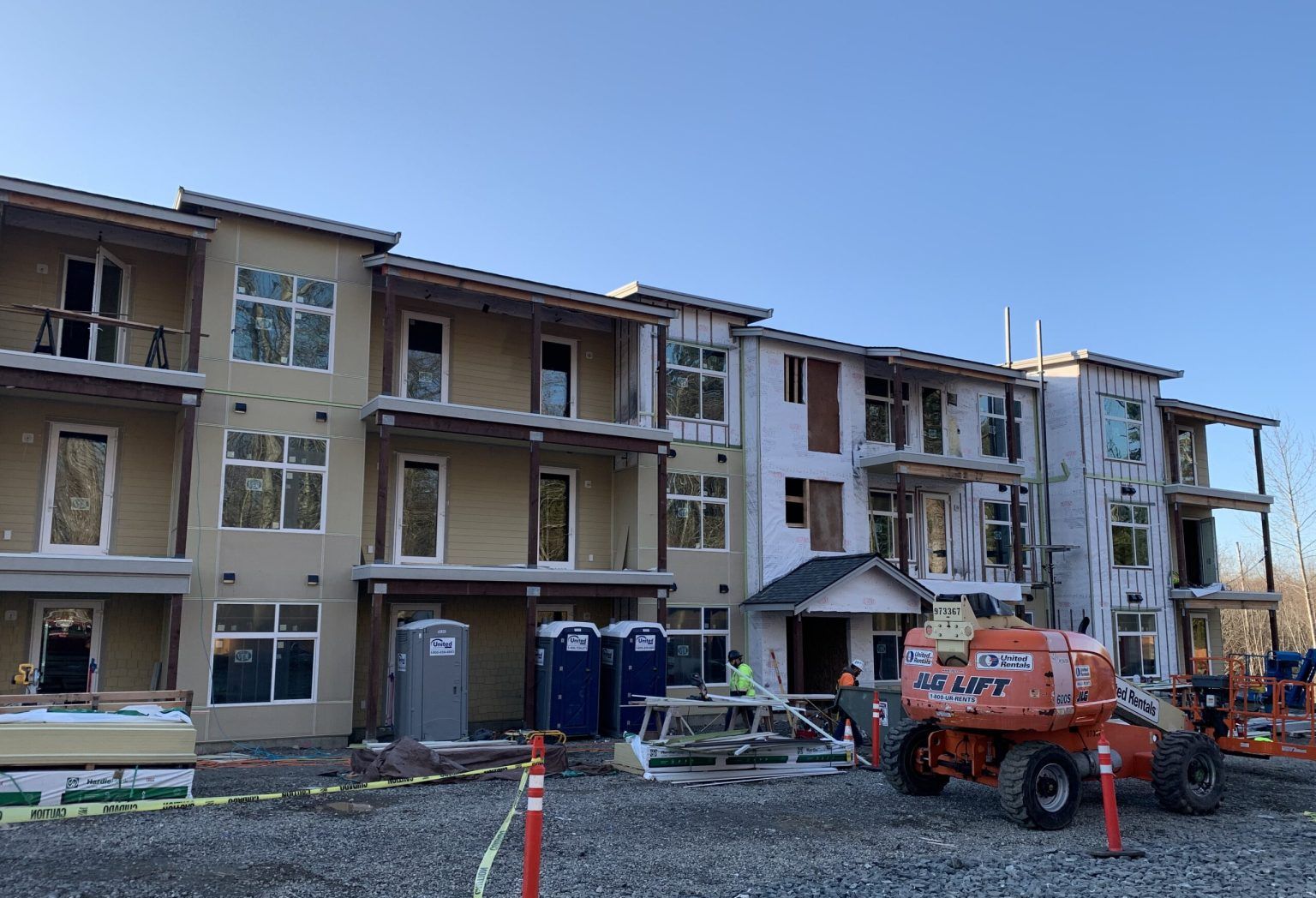
Starkey Ranch is one of the more particular neighborhoods we work in around Tampa Bay. Between the community's architectural design guidelines, the preserved oak canopy and wetlands that back up to many lots, and a Florida sun that can bleach a poorly-rated color in a few seasons, picking a siding color here takes more thought than scrolling a swatch card. Alpine Exteriors has replaced and repaired siding across Land O' Lakes, Wesley Chapel, Lutz and the surrounding Pasco County communities, and Starkey Ranch specifically tends to raise the same questions from homeowners: what colors will the HOA actually approve, what will hold up under the sun without chalking or fading, and what will look right against the preserve views the neighborhood is built around. This guide walks through what we've found works, what doesn't, and why.
For most Starkey Ranch homes, the safest and best-performing choices cluster around warm, muted neutrals — sandy tans, soft greiges, weathered wood tones, and a small number of deeper accent colors used sparingly on trim, shutters, or a front-facing gable. These aren't arbitrary aesthetic picks; they line up with three things at once: Starkey Ranch's design review guidelines, which lean toward a natural, low-contrast palette that blends with the preserve and wetland views rather than standing apart from them; the fade behavior of pigments under intense central Florida UV; and the way light and dark surfaces perform on siding material through Florida's heat and humidity.
None of these are exotic, and that's somewhat the point. Starkey Ranch was master-planned with a cohesive, nature-forward look in mind, and colors that fight that intent tend to get flagged in review or simply look out of place a few years in.
We're not ranking colors on trend appeal. For a Pasco County exterior, four factors decide whether a color choice actually holds up over the 20-30 year service life of a siding job:

| Color family | Pros in Starkey Ranch | Cons / trade-offs |
|---|---|---|
| Sandy tan / dune / sandstone | Blends with oak and pine tree cover and the preserve setting; typically an easy HOA approval; hides pollen and everyday dust well between washes | Very common in the neighborhood, so it won't make a house stand out; can look dated if paired with dated trim colors |
| Warm greige | Reads more current than plain tan without breaking from the natural palette; pairs well with stone accents and darker roof tones | Some greige formulations lean cool or blue in certain light, which can clash with green landscaping — worth viewing a large sample panel outdoors, not just a paint chip |
| Coastal white / oyster | Best solar reflectance of the group, which helps on west-facing walls and reduces attic and wall-cavity heat gain | Shows algae and mildew streaking faster in Florida's humidity if gutters aren't maintained; needs rinsing more often than darker or mid-tone colors |
| Weathered wood / driftwood gray-brown | Common in newer Starkey Ranch phases; complements the community's board-and-batten and modern-farmhouse architectural styles | Needs a well-matched trim and shutter combination to look intentional rather than flat |
| Deep charcoal or navy (accent only) | Strong option for a front door surround, shutters, or a single accent gable; adds real visual definition without violating the neighborhood's low-contrast field-color expectations | As a full-field color, it absorbs significantly more heat and is one of the first things a design review committee will push back on in this community |
One point worth being direct about: the "right" color also depends heavily on siding material. Fiber cement products — the category installed most often in Starkey Ranch, largely because of its resistance to moisture, termites, and wind-borne debris — hold factory-applied color finishes well across this whole range, including darker tones, because the substrate itself doesn't expand and contract the way vinyl does. If a homeowner wants vinyl siding for cost reasons, we generally steer the color choice lighter, mid-tone and up in reflectance, because dark vinyl in direct Florida sun is more prone to heat-related warping and buckling over time, particularly on unshaded south and west walls. That's a material limitation, not a Starkey Ranch-specific rule, but it interacts with the neighborhood's sun exposure enough to matter before committing to a dark swatch on vinyl.
It's also worth remembering that siding is a structural component here, not just a cosmetic one. A full siding replacement in Pasco County has to meet current Florida Building Code wind-load and water-intrusion requirements, and the products used should carry Florida Product Approval documentation for wind resistance in this zone. That matters for color choice indirectly: the range of colors available in code-compliant, wind-rated fiber cement and vinyl lines is wide enough that homeowners rarely have to trade HOA-appropriate aesthetics for a compliant, storm-rated product. Homeowners pursuing a wind mitigation inspection for insurance purposes should also keep documentation of the installed materials and their product approval numbers at the time of installation — it's much harder to track down later when the OIR-B1-1802 wind mitigation form comes up at renewal time.
Yes. Like most master-planned Pasco County communities, Starkey Ranch has a design review process for exterior changes, including siding color, generally through an approved palette or a submission for board review. Confirm your specific phase's current guidelines and submit for approval before ordering material, since palettes and review requirements can be updated over time.
It can help at the margins. Lighter, higher-reflectance colors absorb less radiant heat than dark ones, which reduces the heat load on exterior walls and can modestly ease the burden on air conditioning during Pasco County's long cooling season. It's not a substitute for proper attic insulation or window performance, but on a west- or south-facing elevation with heavy direct sun, the difference in surface temperature between a light and dark siding color is noticeable to the touch.
Both are used successfully in the neighborhood, and the right choice depends on budget and priorities. Fiber cement generally holds up better against the combination of humidity, termite pressure, and wind-borne debris that Florida storms bring, and it accepts a wider range of durable colors, including darker tones, without the heat-related warping risk that dark vinyl can face. Vinyl costs less installed and performs well in lighter and mid-tone colors. A contractor familiar with both should be able to walk through the trade-offs for your specific lot and sun exposure.
With a quality fiber cement or vinyl product using UV-stable, factory-applied pigment, most homeowners shouldn't see significant fading for well over a decade, even under central Florida's UV load. Lower-quality finishes or field-applied paint tend to show uneven fading and chalking much sooner, often within a few years on unshaded south- and west-facing walls. If a color starts fading unevenly across different elevations of the same house, that's usually a sign of pigment quality rather than something a homeowner did wrong.
Every lot in Starkey Ranch sits differently against the sun and the preserve, and the right siding color is really a combination of your home's orientation, your specific phase's HOA guidelines, and the material you choose. Alpine Exteriors (Florida contractor license RB29003900) can bring physical samples to your home, check them against your actual sun exposure and landscaping, and help prepare the HOA submission as part of the project. Reach out to Alpine Exteriors to schedule a siding consultation for your Starkey Ranch or greater Pasco County home.