
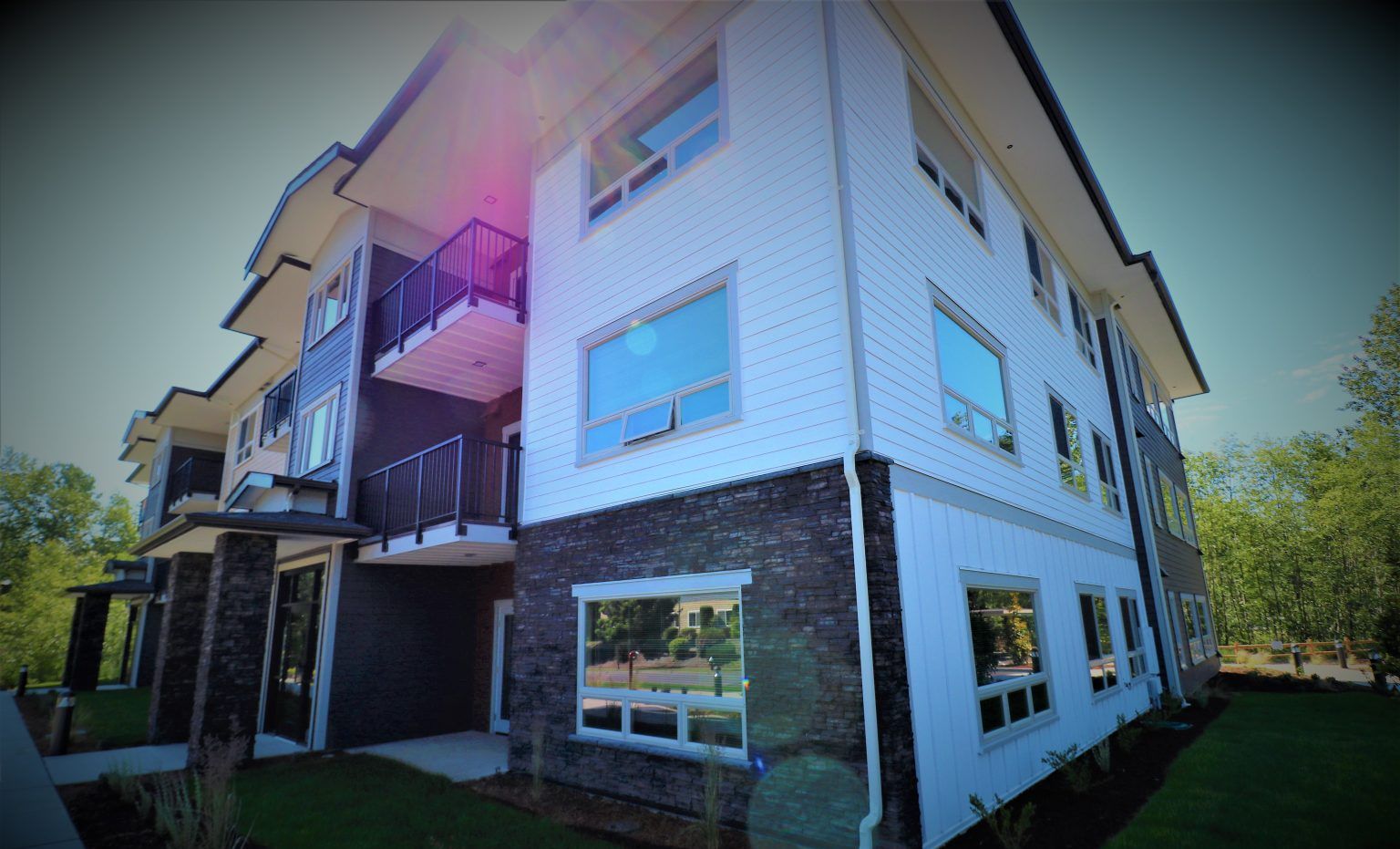
For most homes in Ridge Manor, two materials rise to the top: fiber cement lap siding and thick, wind-rated vinyl siding carrying a current Florida Product Approval. Fiber cement wins on raw durability — it shrugs off humidity, doesn't feed termites, holds paint well under intense Florida sun, and is available in profiles engineered and tested for high wind pressures. Wind-rated vinyl is the close runner-up, especially on the ranch-style and manufactured homes common throughout Ridge Manor's older subdivisions, because it costs less installed, never needs painting, and modern locking panel systems perform far better in storms than the thin vinyl sold decades ago. Neither choice is automatically the right call for every house on every lot; the correct pick depends on your home's age, framing, sun exposure, and budget, which is why we break down the honest tradeoffs below instead of naming one universal winner. Alpine Exteriors installs both materials across Hernando and Pasco counties and can walk you through which one fits your specific structure.
Ridge Manor sits inland along the edge of the Withlacoochee State Forest, at the meeting point of Hernando, Pasco, Lake, and Sumter counties. That geography shapes which siding qualities actually matter here — this isn't a barrier-island community worried about salt spray, it's a wooded, humid, storm-exposed interior community. We weighed every option against the conditions that genuinely apply:
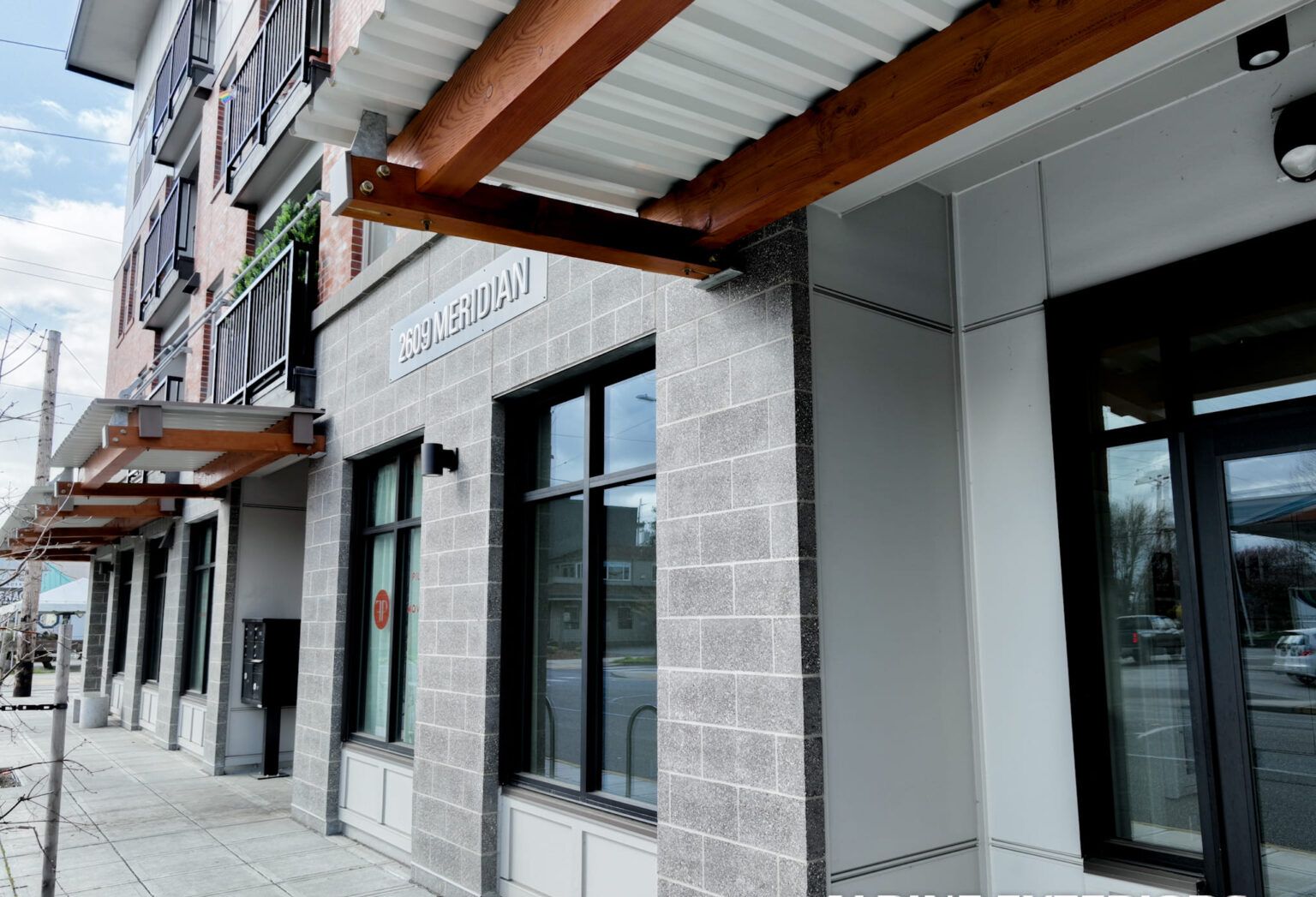
Fiber cement (the category that includes James Hardie-style HardiePlank products) is a blend of cement, sand, and cellulose fibers pressed into planks that are then factory-primed or factory-painted. It doesn't rot, doesn't provide a food source for termites, and stands up to decades of Florida sun without warping. Manufacturers publish Florida Product Approval numbers for their fiber cement lines specifically for wind and impact performance, which makes it straightforward to document code compliance on a permit. The tradeoffs are real, though: it's heavier and more labor-intensive to install than vinyl, which raises labor cost; it must be painted (even factory-finished products eventually need a repaint cycle, typically a longer one than wood but not indefinite); and it's a poor DIY material — improper cutting, fastening, or caulking at seams is one of the most common causes of early failure and moisture intrusion behind the panel.
Vinyl has come a long way from the thin, brittle panels associated with older Florida remodels. Today's thicker vinyl products, especially those with a rigid foam-insulated backer, carry their own Florida Product Approval ratings and use interlocking panel systems designed to resist wind uplift far better than legacy vinyl. Vinyl never needs painting, doesn't rot, and doesn't feed termites, and it's usually the most budget-friendly option for a full re-side. It's a particularly common and sensible choice for the ranch homes and manufactured housing found throughout Ridge Manor, where keeping upfront cost reasonable matters. The honest downsides: even good vinyl can crack on impact from storm debris, cheaper or older thin panels can deform or blow off in high wind if they aren't a rated product, and vinyl's color is baked in — it can fade slightly over many years of UV exposure and, unlike paint, can't simply be refreshed with a new coat.
Products like LP SmartSide use wood strands bonded with resin and treated with a zinc-borate compound intended to resist fungal decay and termites, then factory-primed. It installs faster than fiber cement, costs less, and has a more traditional wood-grain look than vinyl. In Ridge Manor's climate, though, we'd rate this as a conditional option rather than a top pick: it is still a wood-based product, and its long-term performance depends heavily on flawless caulking, painting, and maintenance at every cut edge and seam — exactly the kind of ongoing upkeep that's easy to fall behind on in a humid, wooded environment. On a well-maintained home with an attentive owner it performs reasonably well; on a rental or a home where maintenance gets deferred, it's more exposed to the moisture and termite pressure this region produces than fiber cement or vinyl are.
You'll still see aluminum siding on some of Ridge Manor's older homes. It doesn't rot and doesn't feed termites, which are genuine advantages here. But it dents easily (a real concern with wind-driven debris in storms), it can develop chalky oxidation under years of intense UV that dulls the finish, and its panel and fastening systems generally aren't manufactured or rated to the same current wind standards as modern vinyl or fiber cement products. We don't recommend it for new installations; if you have existing aluminum siding in good shape, it can often be left in place or supplemented rather than torn off, but we wouldn't choose it fresh for this climate.
Not every Ridge Manor home is a candidate for lap siding — a number of the area's block homes are finished in stucco rather than sided at all, and that's often the right call to leave in place rather than change. Stucco over concrete block performs well against wind and doesn't offer termites anything to eat. Its issues tend to show up as hairline cracking over time, which, left unsealed, becomes an entry point for wind-driven rain. For a masonry home, proper stucco repair and a quality elastomeric coating is frequently a better and less disruptive investment than converting the exterior to a different siding system.
| Material | Wind & Storm Performance | Moisture / Termite Resistance | Maintenance | General Cost Range (installed) |
|---|---|---|---|---|
| Fiber cement | Strong, when a rated product is properly fastened | Excellent | Periodic repainting | Higher |
| Wind-rated vinyl | Good to strong on rated, thicker profiles | Excellent | Occasional washing | Lower to moderate |
| Engineered wood | Good, product-dependent | Fair, maintenance-dependent | Regular repainting and caulk inspection | Moderate |
| Aluminum | Fair; dents under debris impact | Good (rot/termite proof) | Occasional refinishing | Moderate |
| Stucco (existing) | Strong on sound substrate | Excellent | Crack repair and recoating | Varies by repair scope |
A few choices consistently cause problems for homes in this specific area, and it's worth naming them plainly. Traditional solid wood lap or shake siding is the biggest one: under Ridge Manor's tree cover and humidity, exposed wood siding stays damp longer than it would on an open lot, which accelerates both mold growth and termite interest, and it demands a repainting and caulking schedule that most owners underestimate. Unless you specifically want the look and are committed to the upkeep, we steer clients away from it here.
Second, any siding product without a current, verifiable Florida Product Approval or equivalent engineering documentation. This applies mostly to older, discontinued vinyl stock or off-brand materials sold without proper wind testing. It might look identical to a rated product on a shelf, but if it isn't rated for the wind pressures Hernando County's design requirements call for, it's a liability in the first serious tropical system that comes through, and it can also complicate a wind mitigation inspection for insurance purposes (the OIR-B1-1802 form insurers use looks at exactly this kind of detail).
Third, skipping or skimping on the water-resistive barrier and flashing behind whatever siding goes up. Wind-driven rain during tropical storms and hurricanes doesn't just hit a wall — it drives sideways into every gap, seam, and penetration. The siding material gets the attention, but the house wrap, flashing at windows and doors, and proper overlap at seams are what actually keep that rain out of the wall cavity. A beautiful, expensive fiber cement job installed over inadequate underlayment will fail the same way a cheap vinyl job would, which is why Alpine Exteriors treats that layer as non-negotiable on every Ridge Manor project, tear-off or not.
Finally, ignoring termite entry points at the soffit, fascia, and ground-contact areas. New siding is a natural moment to address those transitions, and skipping that inspection because the siding itself looks fine is a common and avoidable mistake in wooded, termite-prone areas like Ridge Manor.
Yes. Ridge Manor falls under Hernando County's adopted Florida Building Code requirements, which set the wind speed and exposure standards a permitted siding job has to meet. It isn't part of the state's High-Velocity Hurricane Zone (that designation applies only to Miami-Dade and Broward counties), but that doesn't mean the wind requirements are minor — any siding installed here should still carry a valid Florida Product Approval matched to the home's specific exposure and design wind speed, which a licensed contractor pulling the permit will confirm.
It does. Homes with heavy tree canopy stay shaded and damp longer after rainfall than homes on open lots, which increases mold and mildew pressure on the siding surface and slightly raises termite activity nearby due to more consistent ground moisture and deadwood. That's part of why we lean toward fiber cement or wind-rated vinyl over traditional wood siding for wooded Ridge Manor properties, and why keeping trees trimmed back from exterior walls is worth doing regardless of which material you choose.
In many cases, yes, though it depends on the current wall condition and the home's structural attachment points, which differ from a site-built home's framing. Manufactured homes are common throughout Ridge Manor, and re-siding them with a lightweight, wind-rated vinyl product is often a practical, budget-conscious upgrade. It's worth having a contractor evaluate the existing substrate before assuming any product can simply be applied over it.
It varies widely by material, the size and complexity of the home, and how much of the existing wall system needs repair before new siding goes on. As a general guide, wind-rated vinyl tends to be the most budget-friendly full re-side, fiber cement runs higher due to material and labor cost, and engineered wood typically falls in between. Any of these ranges can shift significantly if there's underlying wood rot, termite damage, or water intrusion to address first, which is common on older homes in this area and is best caught during an in-person estimate rather than guessed at online.
If you're weighing siding options for a home in Ridge Manor, Alpine Exteriors can walk your property, look at your existing wall condition, sun exposure, and tree cover, and give you a straight comparison of fiber cement and wind-rated vinyl for your specific house rather than a generic recommendation. Alpine Exteriors holds Florida contractor license RB29003900 and serves Tampa Bay and the surrounding Hernando and Pasco County communities, including Wesley Chapel, Lutz, Land O' Lakes, New Port Richey, Plant City, and Zephyrhills. Reach out for an on-site estimate before your next storm season, not after.