
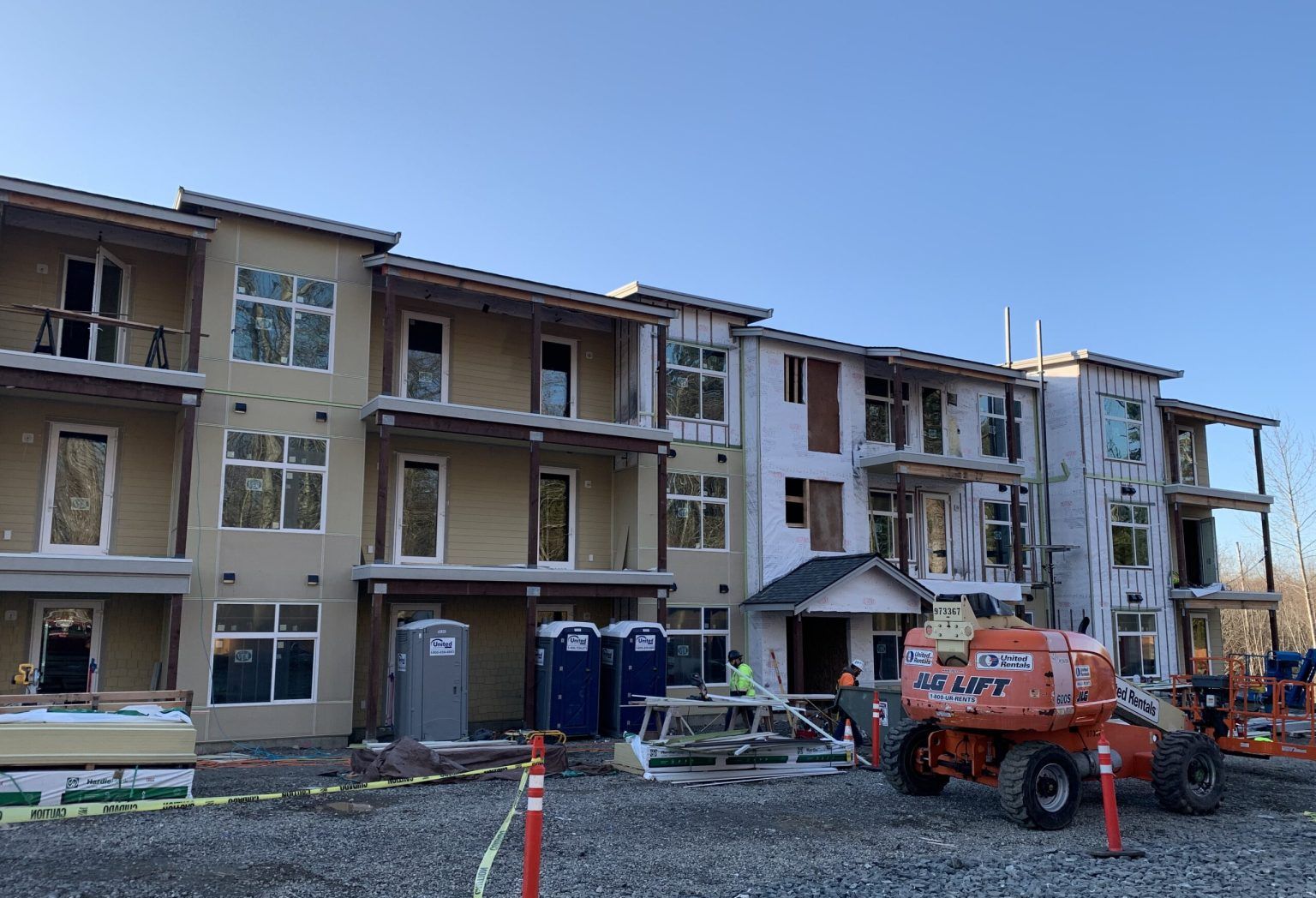
Elfers sits in a stretch of Pasco County where mature live oak canopies, sandy front-yard landscaping, and low-slung ranch and Florida vernacular homes set the visual tone of the neighborhood. Choosing a siding color here isn't just an aesthetic decision — it's a decision about heat load, UV fade, glare off the sun, and how well a house reads against the greenery and open sky that define this part of the Tampa Bay area. After years of tear-offs, color consultations, and warranty conversations across Pasco and Hillsborough counties, we've found that a fairly narrow band of colors performs well here while a much wider band of colors looks fine on a sample chip and then disappoints five years later. This guide lays out what actually holds up.
For most Elfers homes, we steer customers toward light-to-mid neutrals: warm whites, light dove grays, greige (gray-beige) blends, and soft sandstone or wheat tones. These colors share three traits that matter in this climate: they reflect rather than absorb the intense Gulf Coast sun, they hide chalking and pollen film between washes, and they read as neutral enough to blend with the oak-and-palm landscaping common on Elfers lots without clashing. A soft coastal blue-gray is our next tier down — it works beautifully on the right house but is pickier about trim pairing and light exposure than a straight neutral.
None of these are exotic choices, and that's intentional. In a market where afternoon sun is brutal and humidity never really lets up, the "safe" light-neutral choice is usually also the technically correct one. Bold, saturated colors can look striking in a rendering and then fight the climate for the next fifteen years.
Not every siding-color guide written for, say, the Pacific Northwest or New England applies to Pasco County. We weigh a handful of factors specific to what a house on Elfers Drive or off US-19 actually has to survive:
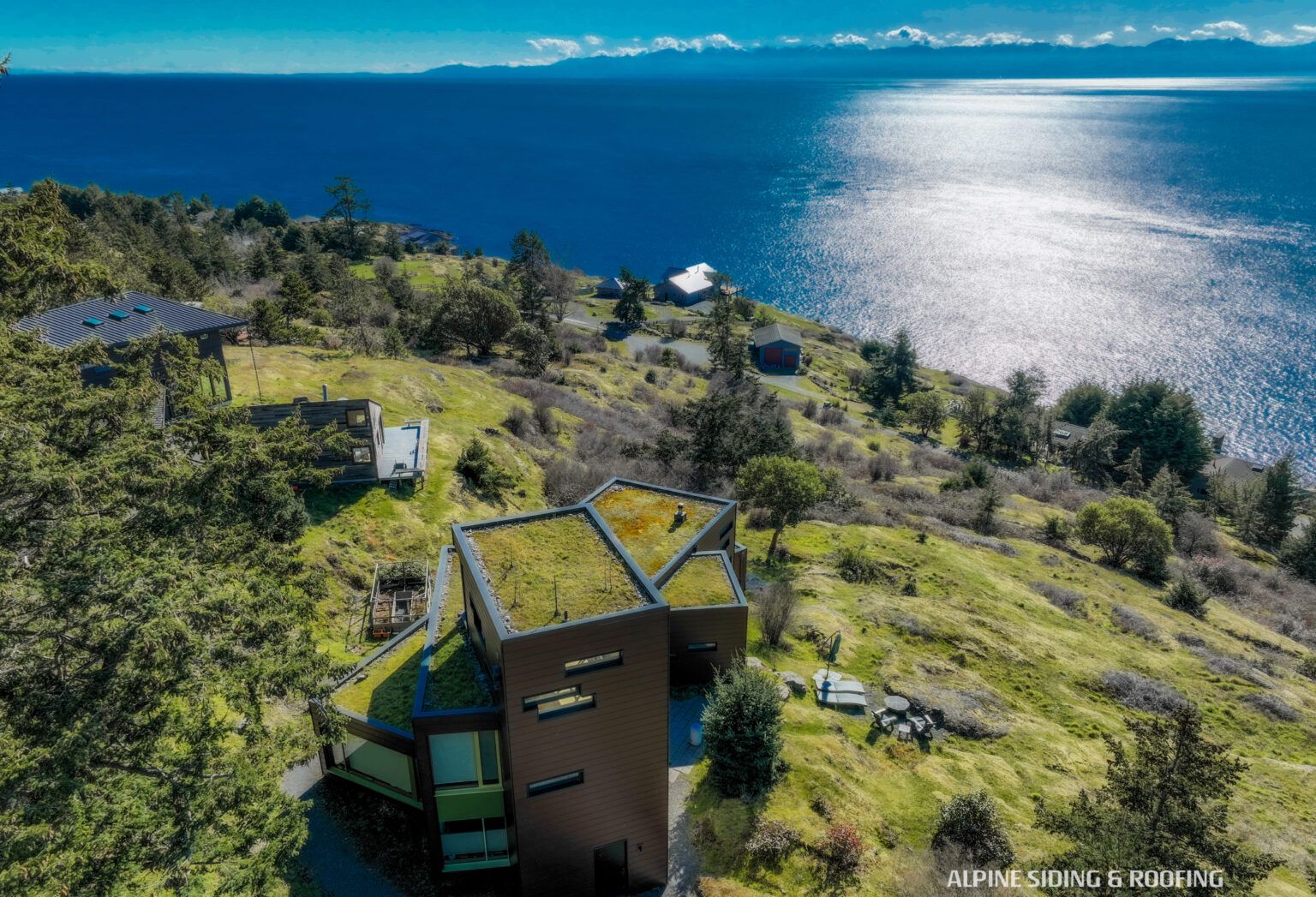
Warm white is the most requested siding color we install in this part of Pasco County, and for good reason. It reflects heat effectively, pairs with almost any roof color, and reads as classic rather than trendy, which matters if you plan to be in the house for a decade or more.
Pros: Excellent heat reflectance, ages gracefully, almost universally accepted by HOA architectural committees, easy to match with black or bronze hardware and gutters.
Cons: Shows dirt, pollen, and mold streaking faster than a mid-tone, especially under roof overhangs and near sprinkler spray zones common on Florida lawns. Needs a soft wash on a regular schedule to stay looking crisp.
Dove gray has become a strong second choice for Elfers homeowners who want something a step more modern than white without going dark. It photographs well, complements gray or charcoal roof shingles, and still reflects a reasonable amount of solar heat.
Pros: Modern without being stark, hides light dirt better than pure white, pairs well with black window frames and dark garage doors, generally accepted under Pasco-area deed restrictions.
Cons: Can look cool or slightly institutional against heavy green landscaping if the undertone leans too blue rather than warm; worth viewing a large sample against your actual yard, not just a paint chip indoors.
Greige — a gray-beige blend — and warmer sandstone or wheat tones are probably the best all-around fit for Elfers specifically, because they split the difference between the cool grays trending nationally and the warm tans that have always worked well against Florida foliage.
Pros: Strong UV fade resistance relative to its visual warmth, blends naturally with oak bark, mulch beds, and tan pavers, versatile with almost any brick or stone accent.
Cons: The undertone can shift with the light — a greige that looks neutral at noon can read slightly pink or slightly green at dusk. We always recommend a large test panel on the actual house, viewed morning and late afternoon, before committing.
A muted, desaturated blue-gray gives a house a coastal feel without going full nautical navy. It works especially well on homes with white trim and a metal or light gray roof.
Pros: Distinctive without being loud, holds up reasonably well to UV if kept desaturated (avoid anything close to a true, saturated blue), pairs nicely with white trim and black shutters.
Cons: Fades more noticeably than a true neutral over long UV exposure, and some Pasco County deed-restricted communities require specific pre-approval for blue tones since they read as a stronger departure from the earth-tone norm. Confirm with your HOA before ordering material.
A few color families cause more callbacks and regret than any others in this climate, and it's worth naming them directly rather than dancing around it.
None of this means those colors are unusable — it means they come with maintenance and fade trade-offs worth knowing about before you sign off on a full house of panels.
Yes, to a meaningful degree. Darker colors absorb more solar energy and transfer more heat through the wall assembly, which matters in a climate where air conditioning already runs most of the year. Lighter neutrals reflect more of that energy, which can take some pressure off the cooling system, especially on west- and south-facing walls that take direct Florida sun for most of the afternoon.
It's possible, and it depends entirely on your specific community's architectural guidelines. Many Pasco County deed-restricted neighborhoods publish an approved color palette or require submission of a color sample to an architectural review committee before installation, and most of those approved palettes lean toward earth tones, warm neutrals, and off-whites rather than bold or dark colors. Always check your HOA documents or contact the committee directly before ordering siding material, since a rejected color after installation is a costly mistake to fix.
Fade is gradual and depends heavily on sun exposure and tree cover, but most quality siding products hold their color reasonably well for many years before fading becomes noticeable to the eye. Dirt, pollen film, and light mildew staining show up faster than true fade in Florida's humidity, which is really a cleaning issue rather than a color-durability issue — a periodic soft wash keeps light colors looking close to new far longer than skipping maintenance and hoping the color itself is the problem.
Pasco County falls within Florida Building Code wind provisions that apply broadly across the region, not just directly on the coastline, so any siding installed on an Elfers home should carry current Florida Product Approval for the applicable wind speed and be installed to the manufacturer's rated fastening pattern. If you're unsure what your home's wind exposure category is, your insurance company's uniform mitigation inspection (the OIR-B1-1802 wind mitigation form) is a useful reference point, and it's worth asking your contractor how your chosen siding product's approval rating lines up with it.
Picking a siding color from a small chip in a showroom is a different experience than seeing it on a full elevation under real Florida sun, next to your actual roof, trim, and landscaping. Alpine Exteriors works with homeowners throughout Elfers and the rest of Pasco County to bring full-size samples on-site, check any HOA or deed-restriction requirements up front, and install siding that carries current Florida Product Approval for our wind zone. Alpine Exteriors holds Florida contractor license RB29003900 and has installed and re-sided homes throughout Tampa Bay long enough to know which colors hold up here and which ones just look good on day one. If you're weighing colors for an upcoming re-side or new install, reach out to Alpine Exteriors for an on-site consultation and a straightforward look at what will actually perform on your house.