
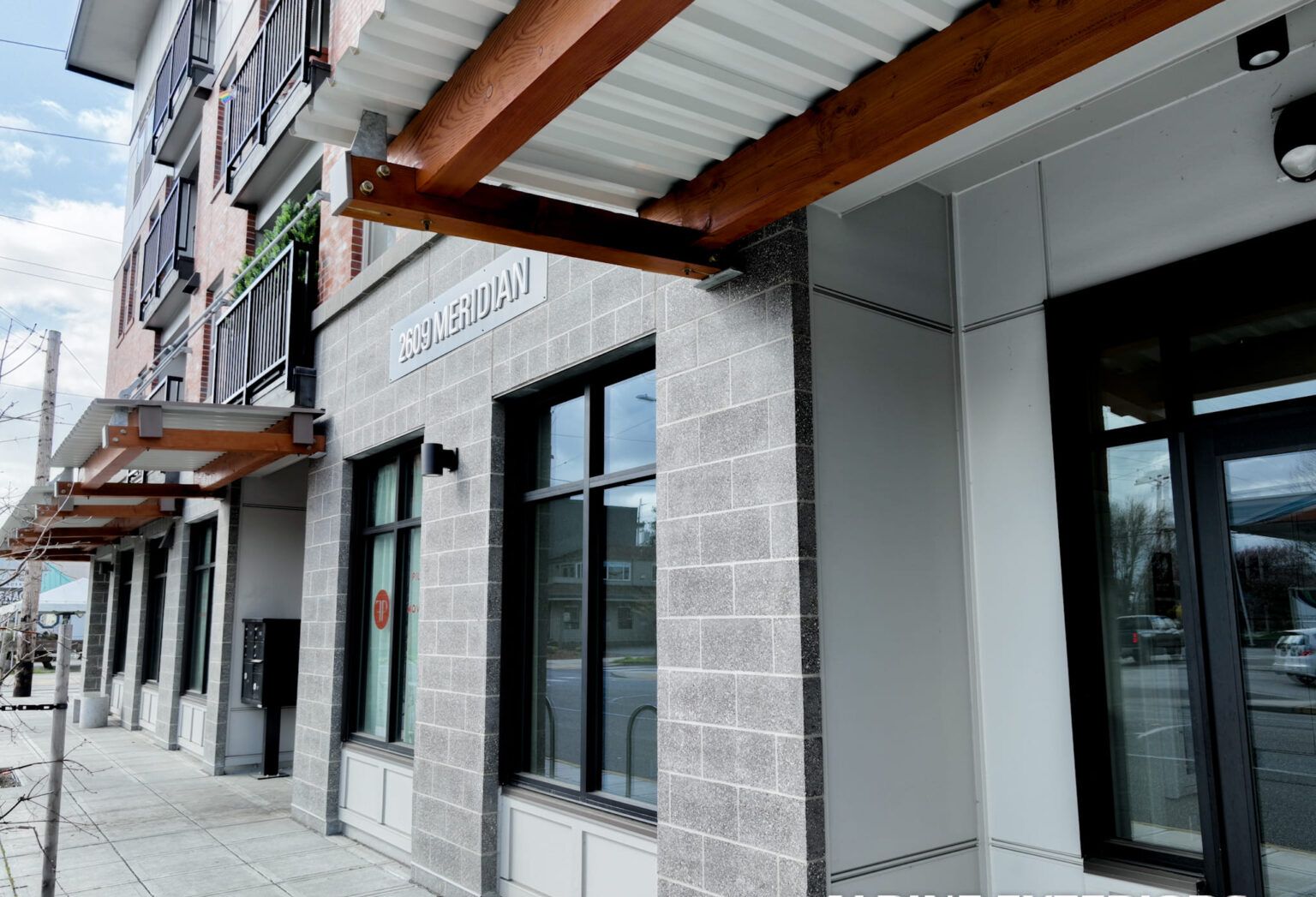
Keystone sits in the rural, lake-dotted northwest corner of Hillsborough County, tucked between Lutz, Odessa, and Citrus Park along the Gunn Highway and Van Dyke Road corridor. It's a different housing stock than the tight subdivisions closer to downtown Tampa: large lots, horse properties, older ranch homes from the 1970s and '80s sitting under mature live oak canopy, and a growing number of custom-built estate homes near Lake Keystone and Lake Calm. That combination of shade, acreage, and older construction changes what "best siding" means here. Alpine Exteriors has looked at siding jobs across this stretch of the county, and the short version is that the material that performs best on a sun-blasted new build in Wesley Chapel isn't always the same one that makes sense on a shaded, decades-old Keystone ranch home.
For most Keystone homes, fiber cement siding (products like HardiePlank) is the strongest all-around choice. It resists the humidity and mold pressure that builds up under heavy oak canopy, it doesn't feed termites, it holds paint and color in intense Florida sun better than most alternatives, and it's available with the wind-rated installation systems needed to meet Florida Building Code requirements for our design wind speeds. Insulated vinyl siding is the honest runner-up — a real, defensible option on a budget, especially for homes with good sun exposure and less tree cover, but it comes with trade-offs we'll walk through below. Engineered wood siding and stucco-over-block both have a place here too, depending on the house.
There is no single "best" material for every lot in Keystone. A lakefront home with full sun and open exposure to storm winds has different priorities than a shaded interior lot with a canopy of grand oaks dropping leaves, pollen, and moisture onto the walls year-round. The right answer depends on sun exposure, tree cover, the age and construction of the house, and what you're trying to fix — fading, rot, storm damage, or just an outdated look.
We didn't rank these materials on cost or curb appeal alone. In Keystone's climate and housing mix, the criteria that actually matter are:
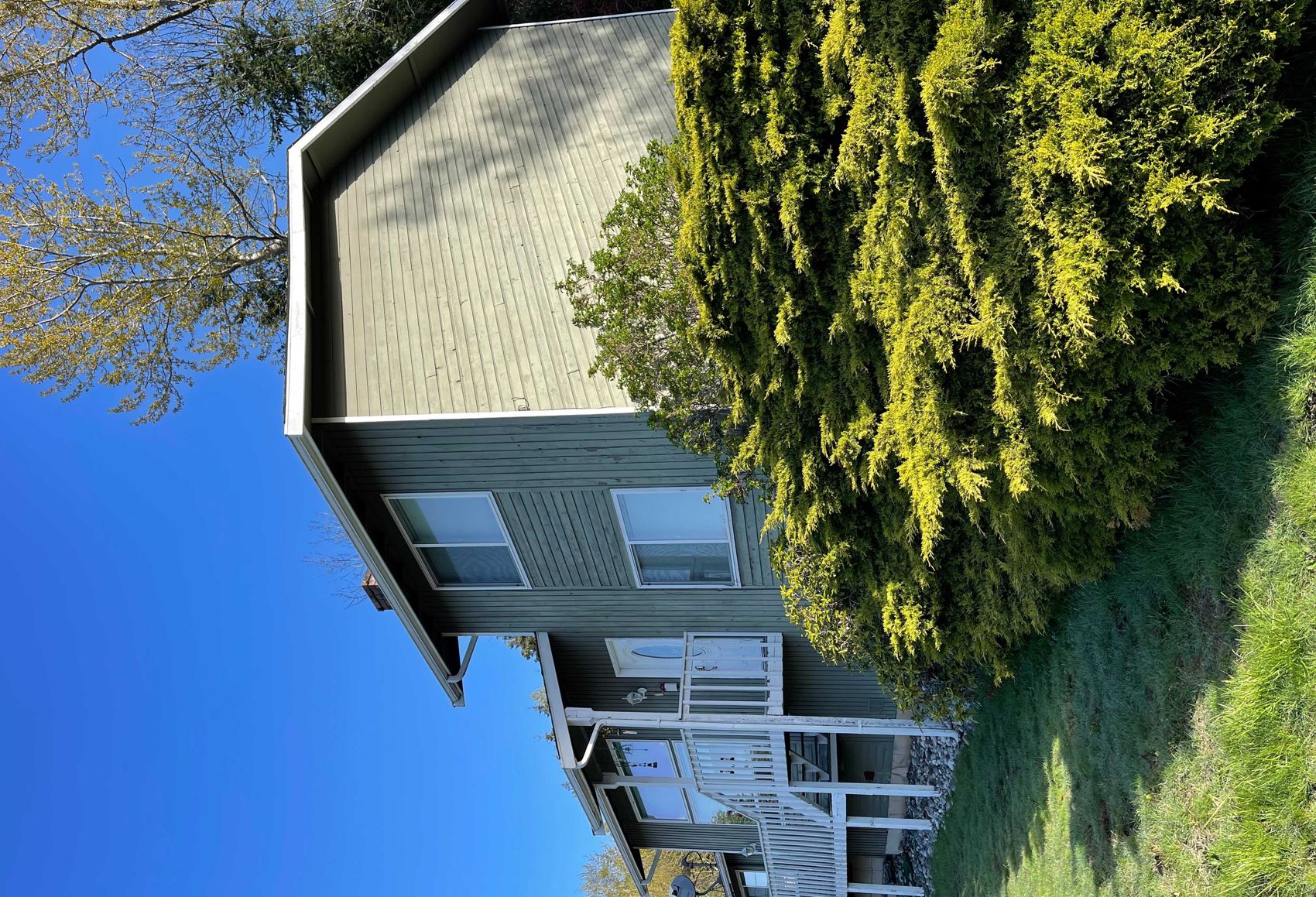
Fiber cement is a blend of cement, sand, and cellulose fiber, formed into planks or panels and factory-primed or pre-finished. It's the material Alpine Exteriors recommends most often for Keystone homes, particularly ones with significant tree cover or a history of moisture or termite issues.
Pros: It doesn't rot, and termites have no interest in it, which matters on lots with mature oaks and the ground moisture that comes with them. It holds paint far longer than wood or vinyl, so those west-facing walls that take the worst of the Florida sun don't chalk out in a few years. It's rigid enough to install to the fastening and wind-load specifications required for our design wind speeds, with Florida Product Approval documentation available for the systems Alpine Exteriors installs. It also holds up well against wind-driven rain when properly flashed and installed, which is the failure point that actually matters in a tropical storm or hurricane — not the wind alone, but water finding its way behind an improperly sealed wall.
Cons: It's heavier and more labor-intensive to install than vinyl, which shows up in the installed cost. It still needs to be repainted eventually — factory finishes last a long time, but they're not permanent, and repainting a full house isn't a small job. It also has to be cut and installed with attention to manufacturer moisture-management details (rainscreen gaps, proper caulking at joints) — skipped on a rushed install, those details are exactly where humidity problems start.
Insulated vinyl — vinyl siding with a rigid foam backing laminated to the panel — is a legitimate mid-range option, especially for homeowners prioritizing upfront cost or replacing siding on a rental or secondary property.
Pros: It's the most budget-friendly of the real options, doesn't rot, and won't feed termites since there's no organic material for them to reach. The foam backing adds some rigidity and helps the panel resist minor impacts better than hollow vinyl. Impact- and wind-rated vinyl products with Florida Product Approval are available and, installed correctly, meet code for our wind speeds.
Cons: Color is baked into the material rather than painted on top, so while it won't peel, dark colors on unshaded walls can fade or, in extreme cases, warp under sustained direct sun — a real issue on Keystone's more open, lakefront lots. It's less impact-resistant than fiber cement if a tree limb comes down during a storm, which is a genuine concern under mature oak canopy. And cheaper, non-insulated or thin-gauge vinyl (which is easy to end up with if a bid doesn't specify the product) performs noticeably worse in wind and heat than the mid- and upper-tier lines — this is a category where the specific product matters as much as the category.
Engineered wood siding — wood strands bonded with resins and treated with a borate additive for pest resistance — gives a more traditional wood-lap look than fiber cement while being lighter to work with.
Pros: It's lighter than fiber cement, which can lower install labor slightly, and the borate treatment gives it real resistance to termites and fungal decay when it's manufactured and installed correctly. It takes paint well and gives a warmer, more traditional look than vinyl.
Cons: Its long-term track record in humid, high-rainfall climates is more mixed than fiber cement's — the edges and cut ends have to be properly sealed and primed at installation, and any gap in that sealing is where moisture gets in and the borate treatment stops being enough. Under a shaded, moisture-holding oak canopy, we're more cautious about it than we are about fiber cement. It's a reasonable choice on an open, well-ventilated lot; it's not our first recommendation for a shaded Keystone lot with a history of humidity issues.
Not siding in the strict sense, but stucco over CBS (concrete block and stucco) construction is common enough in this part of Hillsborough County that it deserves an honest comparison, especially for homeowners deciding whether to re-stucco or switch to a siding material on a block home or on wood-frame additions and gable ends.
Pros: On a block wall, stucco doesn't have the fastening and wind-uplift concerns that lap siding does, and it holds up well structurally against wind loads once properly applied and cured. It has no termite exposure on the block portions of a home.
Cons: Stucco cracks over time, especially where it meets window and door openings or spans wood-frame sections, and cracks are exactly where wind-driven rain gets behind the finish and starts causing hidden moisture damage. It's also not always the right call for gable ends, additions, or garage walls that are wood-framed rather than block — those sections often perform better with fiber cement than with stucco applied over a wood substrate.
Yes. Hillsborough County isn't in Florida's High-Velocity Hurricane Zone, but every siding product installed here still has to carry Florida Product Approval and be installed to meet the wind-speed design pressures the Florida Building Code assigns to our area. That applies whether you're re-siding a whole house or patching a damaged section after a storm.
It depends on your lot. On an open, sunny site with less tree cover, a quality insulated vinyl product with proper wind-rated installation can be a sound, budget-conscious choice. On a shaded lot under mature oak canopy, or on a home with a history of moisture or pest issues, fiber cement's resistance to rot, mold, and termites generally makes it the better long-term investment even at a higher upfront cost.
Heavy shade keeps wall surfaces damp longer after rain, which is exactly the condition mold and mildew need to take hold, and it also means falling limbs and debris are a real impact risk during storms. That combination is why we lean toward fiber cement's moisture resistance and impact durability for shaded Keystone lots, and why proper gutter and drainage details matter as much as the siding material itself.
On block walls, siding generally isn't installed directly over sound stucco — the more common approach is furring out a new wall assembly or reserving siding for wood-framed sections like gable ends, additions, and garage walls, while keeping stucco on the block portions. The right approach depends on the condition of the existing stucco and how the specific walls were framed, which is something worth having assessed on-site rather than assumed.
Every lot in Keystone is a little different — shaded or open, lakefront or interior, original block construction or a wood-frame addition tacked on decades ago — and the right siding choice follows from those specifics, not a one-size-fits-all recommendation. Alpine Exteriors, Florida contractor license RB29003900, works with homeowners throughout this part of Hillsborough County and the surrounding Tampa Bay area, from Lutz and Land O' Lakes to Wesley Chapel and New Port Richey, to walk through what's actually on your walls now and what will hold up best given your specific sun exposure, tree cover, and construction. If you're weighing fiber cement against vinyl, dealing with storm damage, or just tired of repainting wood siding every few years, reach out to Alpine Exteriors for an honest, on-site look at your options.