
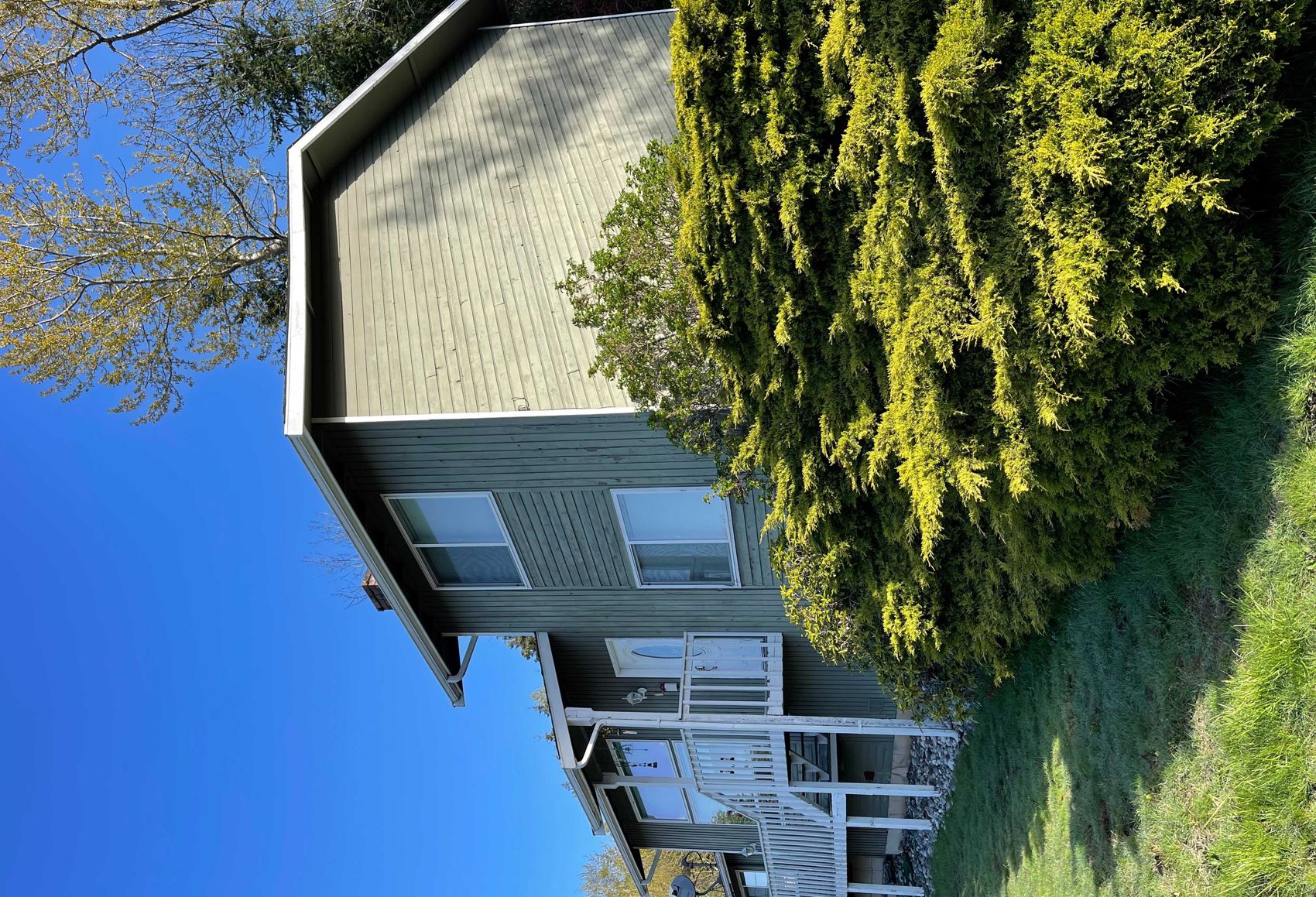
When a tropical storm rolls through Tampa, Wesley Chapel, Lutz, Land O' Lakes, New Port Richey, Plant City, or Zephyrhills, the siding on the outside of a home takes the brunt of the wind and rain. Most of the time it holds up fine and the story ends there. But sometimes water finds a way past the siding and into the wall assembly behind it, and that's a different problem entirely — one that can sit undetected for weeks while it does real damage to the sheathing, framing, and insulation underneath. Alpine Exteriors has walked through this scenario with homeowners across the Tampa Bay area often enough to know it deserves a straight answer, not a sales pitch: here's how to recognize it, why it happens in this specific climate, and what your realistic options are.
Water intrusion behind siding rarely announces itself with an obvious hole. It tends to show up as a collection of smaller clues that, taken together, point to moisture where it shouldn't be. After any named storm or even a hard afternoon thunderstorm with sideways rain, it's worth walking the exterior and interior of the home looking for the following:
None of these signs by itself proves there's standing water behind the siding, but two or three together after a storm is a reasonable trigger to get someone to look closer, ideally with a moisture meter rather than a guess.
Tampa Bay's siding problems are shaped by a specific combination of weather and building conditions that don't apply the same way in drier or milder parts of the country. A few stand out:
Wind-driven rain during tropical systems. Standard rainfall mostly runs down a wall. Wind-driven rain during a tropical storm or hurricane's outer bands gets pushed sideways and even upward under laps, trim edges, and around penetrations that were never designed to shed water moving in that direction. Siding systems are built to handle gravity-fed water, not horizontal pressure, so any weak point in the flashing, house wrap, or caulking becomes an entry path during these events.
Sustained high humidity. Once water gets behind the siding, Tampa Bay's humidity works against the wall drying back out. In a drier climate, a wet wall cavity might dry in a few days on its own. Here, ambient humidity often stays high enough that trapped moisture lingers, which is exactly the environment mold needs to establish itself on sheathing and framing.
Intense UV exposure. Florida sun is hard on exterior caulking and sealants, causing them to dry out, shrink, and crack years before they would in a milder climate. A caulk joint that looks fine from the ground can already have hairline separation that only opens up under wind pressure during a storm.
Termites. Subterranean and drywood termites are active throughout the Tampa Bay area, and wet wood behind siding is more attractive to them than dry wood. A water intrusion problem that goes unaddressed for months doesn't just risk rot — it can turn into a termite entry point, particularly around ground-level siding and trim.
Salt air in coastal pockets. Homes closer to the Gulf, including parts of New Port Richey, deal with salt-laden air that accelerates corrosion of fasteners, flashing, and metal trim pieces. Corroded fasteners can loosen their grip on siding panels, opening small gaps that widen during wind events.
Product approval and installation quality. Siding materials and installation methods used in Florida are supposed to meet Florida Building Code requirements and carry a Florida Product Approval rating appropriate for the home's wind zone. When siding was installed to a lower standard, or when flashing details were skipped to save time, the assembly is more vulnerable to wind-driven rain than a code-compliant installation would be, even in a storm that wasn't especially severe.
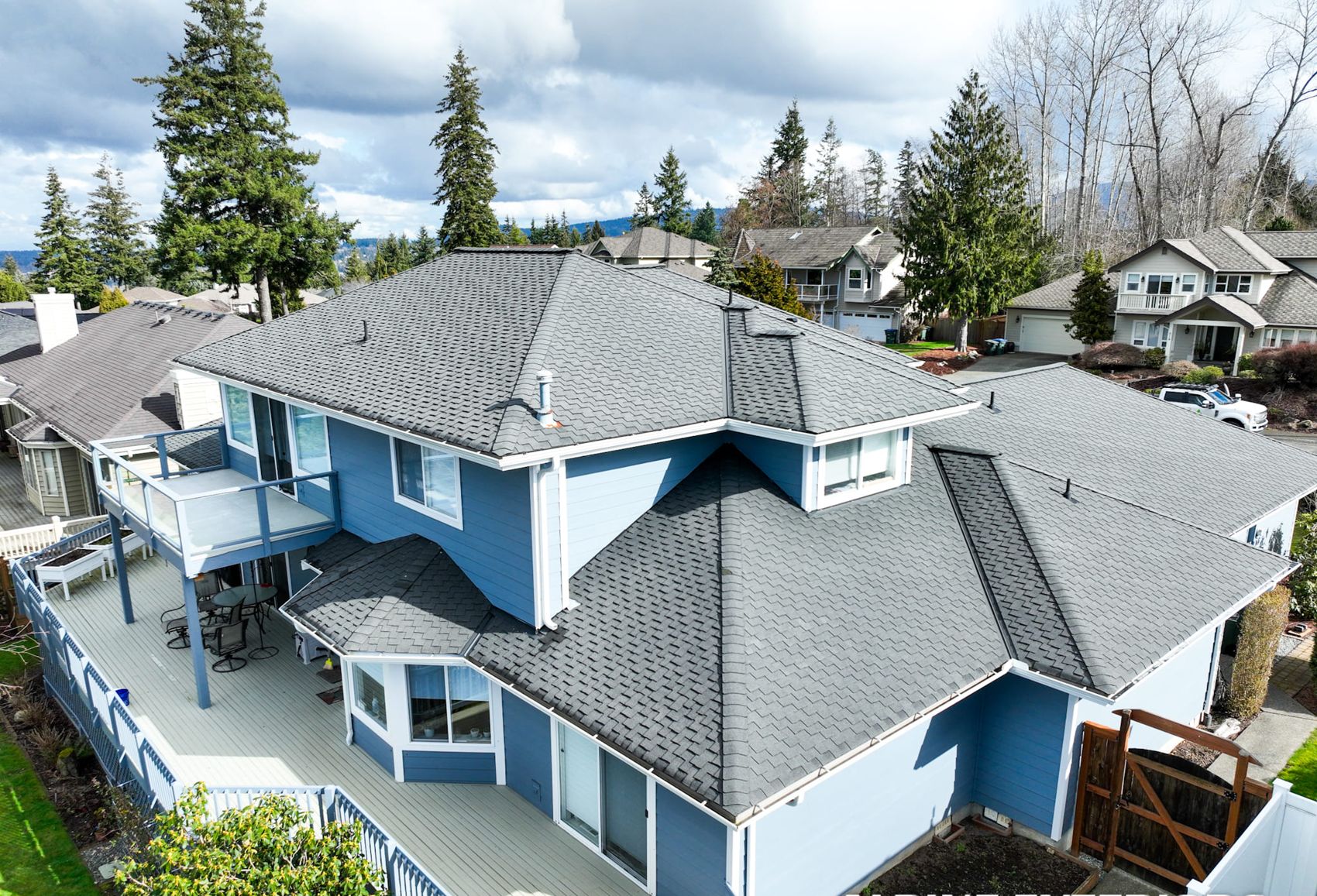
It depends on what's found, but water behind siding is not something to file away for "someday." The honest timeline looks something like this: mold can begin colonizing damp wood and insulation within roughly 24 to 48 hours in Tampa Bay's humidity, wood sheathing that stays wet for an extended period starts to soften and lose structural integrity over weeks to months, and any wet, soft wood becomes progressively more attractive to termites the longer it sits untreated.
That doesn't mean every case requires an emergency same-day repair. A small amount of moisture caught early, in a well-ventilated wall cavity, in a home without an existing termite pressure, can sometimes be dried out and monitored. But a saturated wall cavity, soft sheathing you can push a finger through, or a musty smell that persists more than a few days after the storm passed are signals to get a professional inspection scheduled promptly rather than waiting to see if it resolves on its own. Delaying tends to convert a siding repair into a siding-plus-sheathing-plus-drywall repair, which costs more and takes longer no matter who does the work.
Once the extent of the damage is known, the decision usually comes down to how much of the wall assembly was affected and how old the existing siding is.
| Situation | Repair often makes sense | Replacement often makes sense |
|---|---|---|
| Extent of water damage | Isolated to one section, sheathing still firm | Sheathing is soft or delaminated across multiple sections |
| Age and condition of siding | Siding is under roughly 10-15 years old and otherwise sound | Siding is near or past its expected service life, or already showing unrelated wear |
| Cause of intrusion | A single failed flashing or caulk joint that can be corrected | Systemic issues — multiple failure points, poor original installation, wrong product for the wind zone |
| Mold or termite findings | None found, or minor and treatable | Active termite activity or widespread mold requiring remediation beyond spot treatment |
A localized repair — pulling a few courses of siding, letting the sheathing dry fully or replacing a small damaged section, correcting the flashing detail that let water in, and reinstalling with fresh, code-compliant materials — is usually the more economical route and can often be done in a matter of days. Full replacement of a wall section or an entire elevation is the right call when the damage is widespread, when the underlying installation has other problems that will keep causing repeat failures, or when the homeowner wants to upgrade to a siding product with a stronger wind rating for future storms. Replacement costs vary widely by material, home size, and scope, but homeowners should expect a meaningful range rather than a flat number until a contractor has actually seen the damage — anyone quoting a firm price sight unseen is guessing.
Some of this is out of anyone's control — you can't stop a tropical storm from forming — but the vulnerability of a given home to water intrusion is very much influenced by maintenance and installation quality. A few things make a real difference over time:
None of this guarantees a home will never see water behind its siding after a bad enough storm — no amount of maintenance defeats a direct hit from a major hurricane — but consistent upkeep meaningfully reduces the odds and limits the damage when something does get through.
A moisture meter is the most reliable non-invasive tool, since it can detect elevated moisture readings in siding and trim without removing anything. Combined with a visual check for soft spots, bubbling paint, musty odors, and staining, a moisture meter reading gives a good first indication of whether further investigation is warranted. If readings are high in a specific area, a small inspection opening in that section is usually the next step rather than guessing at the extent of the problem.
It depends on the policy and the cause. Sudden wind-driven rain damage from a named storm is often covered, while damage attributed to long-term neglect, such as siding that was never properly maintained or caulked, may be excluded. Because this distinction matters for a claim, it's worth documenting the damage with photos and getting a written inspection report soon after the storm, before repairs begin, in case a claim is filed.
A contained repair, such as removing and replacing a few courses of siding and correcting a flashing detail, can often be completed within a few days once the wall has dried sufficiently to close it back up. Larger repairs involving sheathing replacement or mold remediation take longer, both because the affected materials need to dry or be remediated properly and because more square footage of siding has to be removed and reinstalled.
Caulking over a symptom without knowing what's happening behind the siding is one of the more common ways this problem gets worse. If water is already trapped inside the wall cavity, sealing the exterior gap can trap that moisture in rather than letting it escape, which speeds up rot and mold growth instead of stopping it. Caulk is appropriate as ongoing maintenance for sound siding, not as a fix once intrusion is suspected.
If a recent storm has you wondering whether water got behind your siding, it's worth having it checked before the next round of rain makes the problem harder to see and more expensive to fix. Alpine Exteriors, Florida contractor license RB29003900, inspects and repairs siding for homeowners throughout Tampa, Wesley Chapel, Lutz, Land O' Lakes, New Port Richey, Plant City, and Zephyrhills, and can walk you through what's actually happening behind your walls, what it will take to fix it, and whether repair or replacement is the more sensible path for your home.