
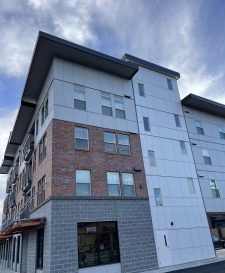
Homeowners in Wesley Chapel, San Antonio, and the surrounding Pasco County growth corridor ask us the same question almost every week: James Hardie fiber cement or vinyl? Both are legitimate siding options, both are sold and installed constantly across the Tampa Bay area, and both can pass Florida Building Code review when installed correctly. The right answer depends on your budget, how long you plan to own the home, and how much weather stress your specific lot takes on. This page walks through both materials honestly, including where each one falls short, so you can make the call with your eyes open.
If you're renovating a newer production home in a Wesley Chapel community like Meadow Pointe, Seven Oaks, or Epperson and you're planning to stay 15+ years, James Hardie fiber cement is usually the better long-term investment — it holds up to wind-driven rain and Florida humidity with far less risk of buckling, fading, or moisture intrusion behind the panel. If you're working with a tighter renovation budget, selling within the next several years, or covering a smaller detached structure like a shed or a rental property where lowest upfront cost matters more than 30-year performance, vinyl siding remains a reasonable, code-compliant choice. Neither material is wrong — they're built for different priorities, and Alpine Exteriors installs both correctly rather than pushing whichever one carries a bigger margin.
James Hardie fiber cement is a blend of cement, sand, and cellulose fiber, formed into planks or panels and baked to cure. It's heavier and more rigid than vinyl, which is exactly why it performs well in this part of Florida. Fiber cement doesn't soften or distort in the summer heat, it doesn't become brittle over time the way some vinyl formulations can, and it holds paint far better because the substrate itself is dimensionally stable. For Pasco County's climate — long stretches of intense UV, heavy summer humidity, and the seasonal risk of tropical systems pushing wind-driven rain sideways into a wall assembly — that stability matters more than it might in a drier, milder climate.
James Hardie products used in this region are typically the HZ5 or HZ10 formulations, engineered specifically for high-humidity, high-moisture climates like ours, and they carry Florida Product Approval documentation that a permitting office will want to see. Properly installed with the correct fastener schedule and rated house wrap behind it, Hardie siding is also a meaningful contributor to a home's wind-resistance rating, which can matter when Pasco County homeowners fill out the OIR-B1-1802 wind mitigation inspection form for their windstorm insurance discount.
The drawbacks are real, though. Fiber cement costs more upfront, it's significantly heavier to handle and install (which means labor and installation quality matter more — a rushed crew will show it), and it requires periodic repainting, typically somewhere in the 10-to-15-year range depending on sun exposure and color choice, since dark colors fade faster under Florida UV. It also needs to be cut with proper dust-control methods, which a qualified contractor should already have in place.
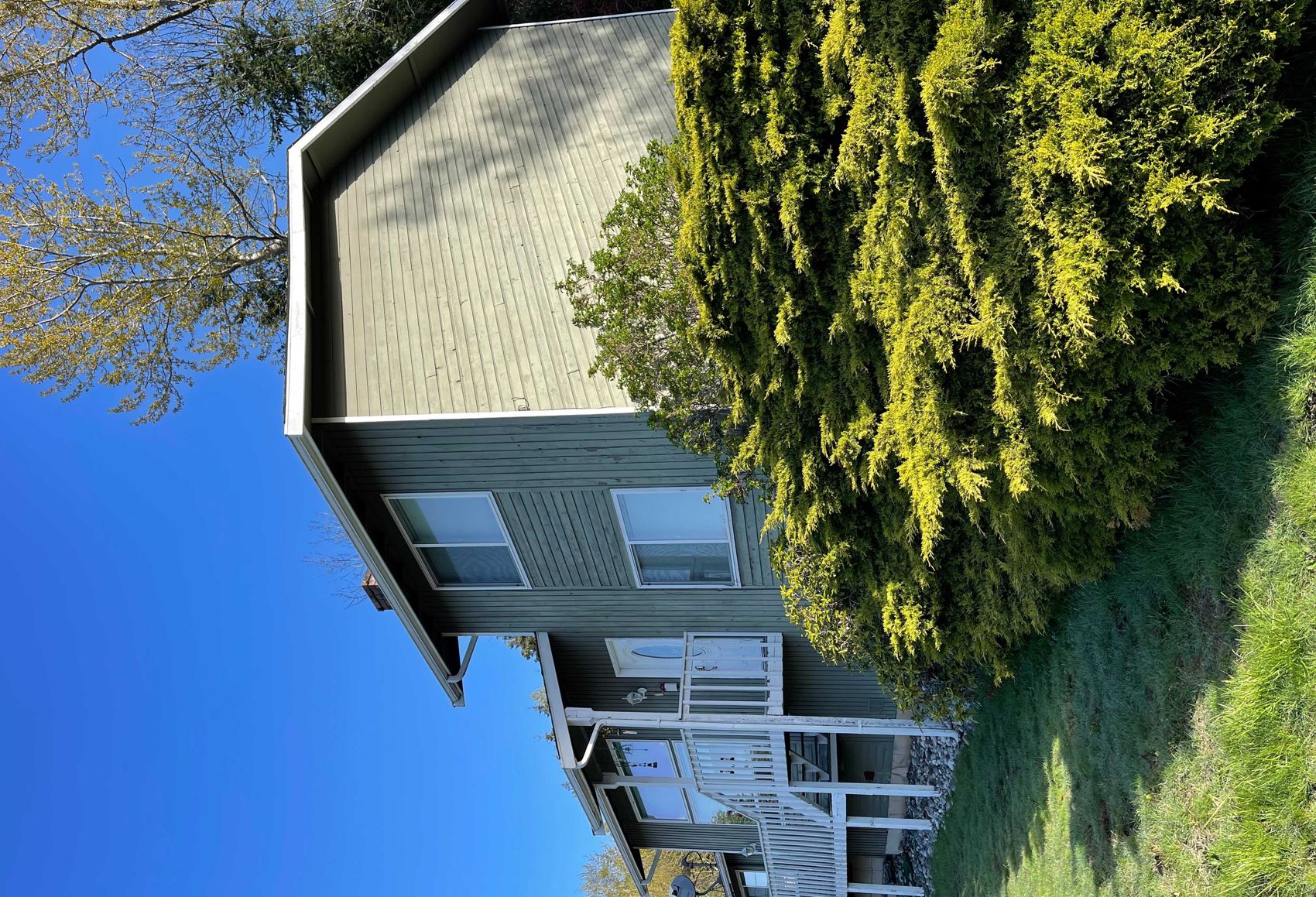
Vinyl siding is an extruded PVC panel that interlocks in horizontal courses. Its biggest advantage is straightforward: it costs less to buy and less to install, largely because it's lighter and faster to hang. Modern vinyl has also improved — thicker gauges and better UV-stabilized formulations hold color longer than the vinyl of 20 years ago, and it never needs painting, which is a real convenience for an owner who doesn't want a repainting project on the calendar.
In our climate, vinyl's limitations show up in a few specific ways. Florida's summer heat can cause lower-grade vinyl to warp or ripple, particularly on south- and west-facing walls that take direct afternoon sun for months at a time — this is a quality and thickness issue, so not all vinyl behaves the same way, but it's a legitimate risk with builder-grade product. Vinyl siding also relies more heavily on the water-resistive barrier behind it, since the panels themselves are not a sealed system; wind-driven rain from a passing storm can get behind loose or poorly lapped vinyl more easily than it gets behind a properly caulked and flashed fiber cement installation. And in a wind event, vinyl panels are more prone to being pulled loose than fiber cement is, which is a consideration Pasco County homeowners weigh against Florida Building Code wind-load requirements and their windstorm insurance mitigation inspection.
None of this makes vinyl a bad product — it makes it a product where installation quality and panel grade matter even more than they do with fiber cement, because there's less margin for error in the material itself.
| Factor | James Hardie Fiber Cement | Vinyl Siding |
|---|---|---|
| Installed cost | Higher upfront; heavier material and more labor-intensive install | Lower upfront; faster, lighter installation |
| Expected lifespan | Multiple decades with proper maintenance; manufacturer-backed for long-term performance | Roughly 15–25 years depending on panel grade and sun exposure, often less on unshaded south/west walls |
| Maintenance | Repaint roughly every 10–15 years; occasional caulk/joint checks after storms | No repainting; periodic washing and inspection for cracked or loosened panels |
| Appearance | Crisp shadow lines, holds paint true, wide range of authentic textures (lap, shake, board-and-batten) | Lighter, more uniform look; limited to molded panel textures; color is baked in, not painted |
For most owner-occupied homes in Wesley Chapel, Lutz, Land O' Lakes, and the rest of Pasco County, we lean toward James Hardie fiber cement, and the reasoning comes straight from the local conditions rather than a sales preference. This area sits squarely in Florida's hurricane exposure zone, and every summer and fall brings the possibility of tropical storm or hurricane-force wind paired with heavy, horizontal rain. A siding assembly that resists water intrusion at the seams and stays mechanically fastened in high wind is worth the extra upfront cost over a 15-to-20-year ownership horizon, especially once you factor in Florida's humidity and the mold and rot risk that comes with any moisture that does get behind the cladding. Fiber cement's Florida Product Approval and its role in a strong wind mitigation profile can also translate into a better outcome on the OIR-B1-1802 inspection, which affects your windstorm premium.
That said, vinyl is a defensible choice in specific situations: an investment property where you need to control renovation cost, a home you plan to sell within a few years, a detached garage or accessory structure, or a budget that simply doesn't stretch to fiber cement right now. In those cases, choosing a heavier-gauge, well-rated vinyl product and making sure it's installed with correct lapping, fastening, and flashing detail goes a long way toward closing the performance gap.
What matters most in either direction is installation quality. A poorly installed Hardie job with the wrong fastener spacing or missing flashing will fail faster than a well-installed vinyl job, and the reverse is just as true. Alpine Exteriors, licensed under Florida contractor license RB29003900, installs both materials to manufacturer specification and Florida Building Code, and we'll tell you plainly during an on-site estimate which one makes sense for your particular house, orientation, and budget — not just which one we'd rather sell.
Fiber cement itself doesn't absorb and swell with humidity the way wood does, and because it's a rigid, heavy panel with sealed, caulked joints, it does a better job keeping wind-driven rain out of the wall cavity than a lapped vinyl system, which relies more on the house wrap behind it. Both materials can perform well if installed correctly, but fiber cement gives you a wider margin for error against Florida's moisture load.
Lower-grade or thinner vinyl can ripple or warp on walls that take heavy direct sun for years, particularly south- and west-facing elevations, and darker colors will fade faster under Florida's UV levels regardless of grade. Thicker, UV-stabilized vinyl products reduce this risk significantly, which is why panel quality matters as much as the choice between vinyl and fiber cement in the first place.
The wind mitigation inspection primarily scores roof-to-wall connections, roof shape, and opening protection rather than siding material directly, but a siding system that stays securely fastened and doesn't tear loose in high wind supports the overall wind-resistance picture of the home. Fiber cement's fastening requirements and Florida Product Approval documentation tend to align well with that goal.
Most homeowners in this area see roughly 10 to 15 years between repaints, with lighter colors and shaded elevations lasting toward the longer end and dark colors on full-sun walls needing attention sooner. Using a quality exterior paint rated for Florida UV exposure and keeping caulked joints in good condition both extend that interval.
If you're weighing James Hardie fiber cement against vinyl siding for a home in Wesley Chapel or anywhere else in Pasco County, Alpine Exteriors will walk your property, look at sun exposure and wind exposure specific to your lot, and give you a clear, honest recommendation along with a written estimate for both options. Contact Alpine Exteriors to schedule an on-site siding consultation.